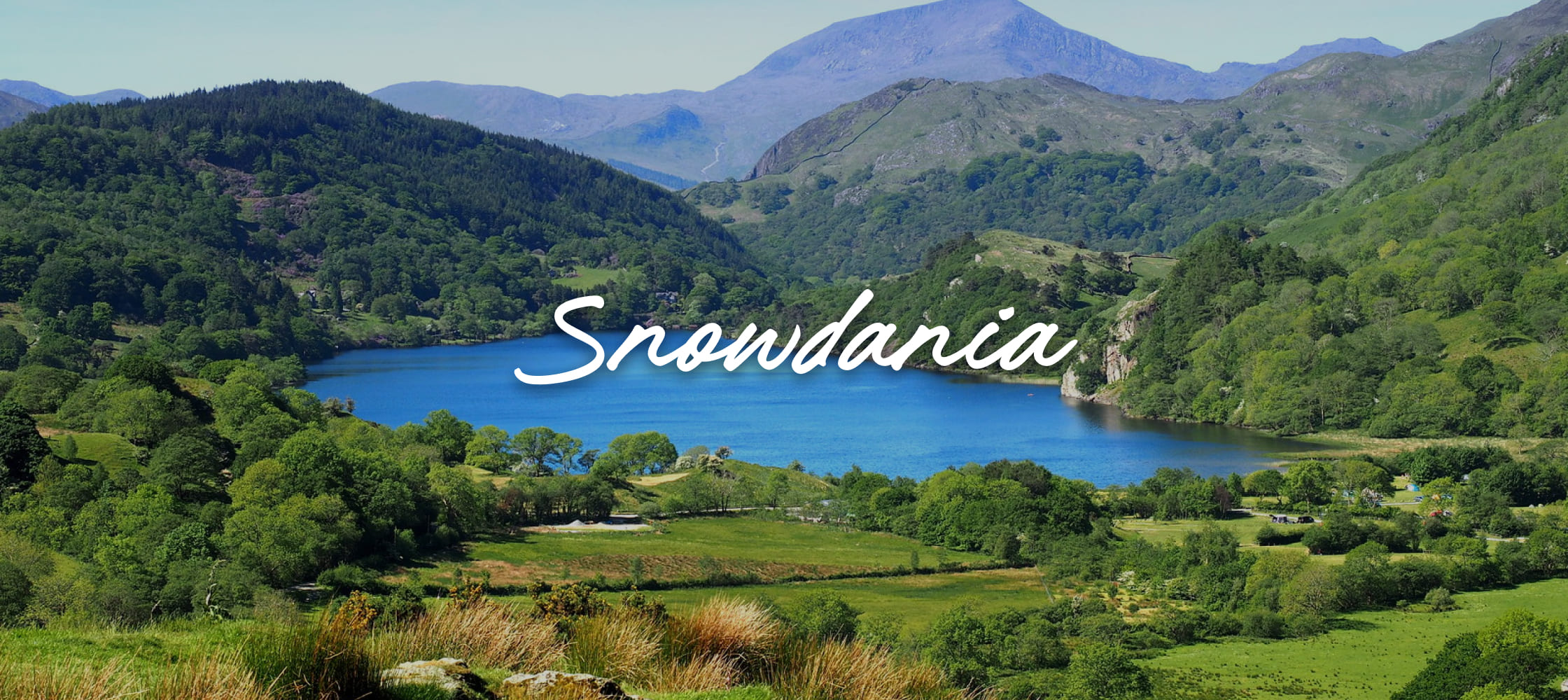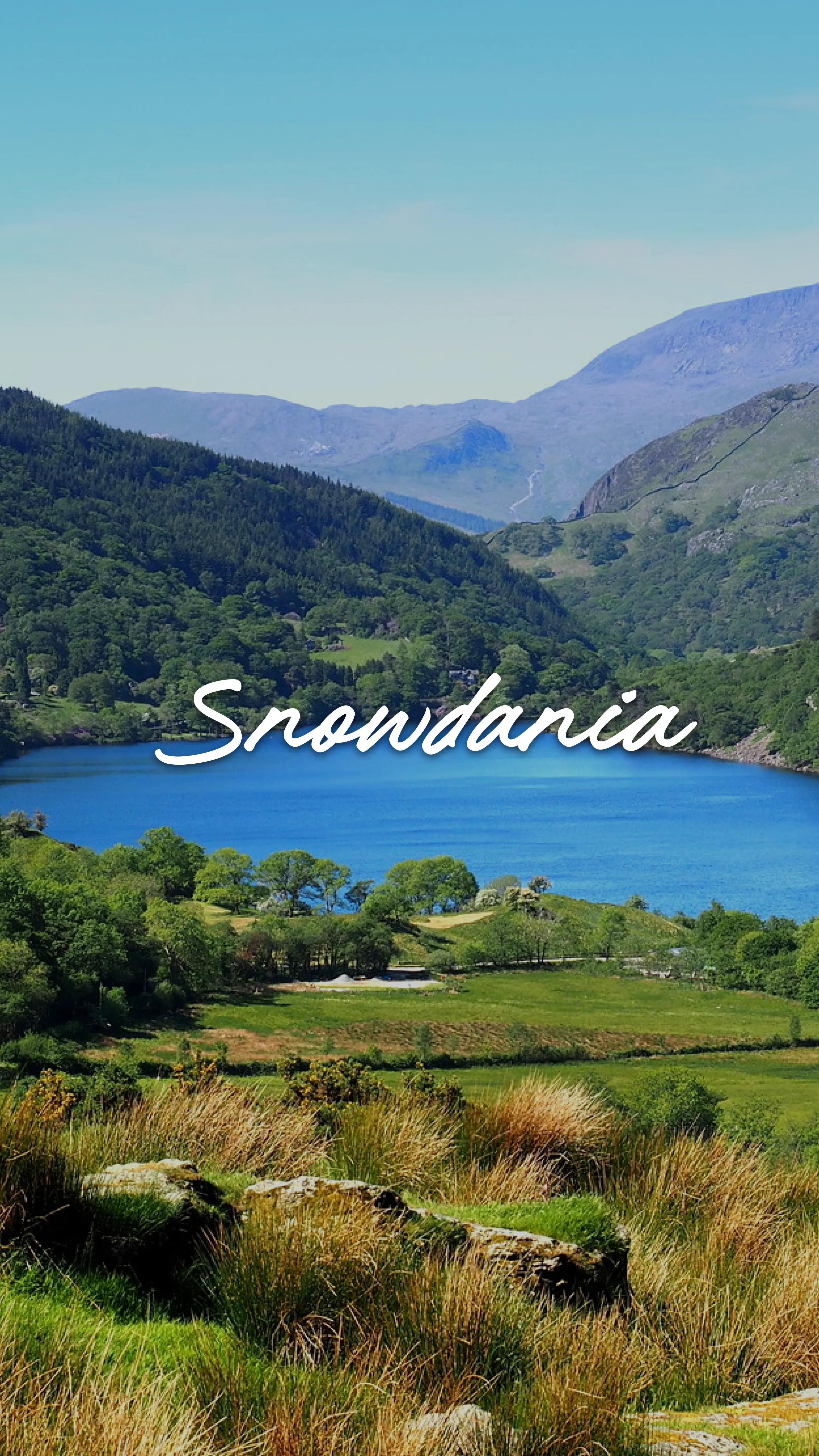
Snowdonia is home to distinct geography that makes it a prime location for hiking. The area features rugged mountains, deep valleys, and quiet lakes, with Mount Snowdon standing as the highest peak in Wales.
Challenging weather conditions
Hikers should prepare for rapidly changing weather, especially on exposed trails near the summit.
Suitable for cross-training
Cwm Idwal circuit offers opportunities for recovery and cross-training with its varied terrain.
Rugged terrain features
Cadair Idris presents a rugged ascent that tests hiking skills and endurance in Snowdonia.
Well-maintained footpaths
The region features well-marked paths, aiding in effective navigation and reducing injury risk during training.
Varied elevation gains
Snowdonia offers multiple elevation changes, suitable for building strength and endurance during hikes.
Challenging weather conditions
Hikers should prepare for rapidly changing weather, especially on exposed trails near the summit.
Suitable for cross-training
Cwm Idwal circuit offers opportunities for recovery and cross-training with its varied terrain.
Rugged terrain features
Cadair Idris presents a rugged ascent that tests hiking skills and endurance in Snowdonia.
Well-maintained footpaths
The region features well-marked paths, aiding in effective navigation and reducing injury risk during training.
Varied elevation gains
Snowdonia offers multiple elevation changes, suitable for building strength and endurance during hikes.
The best time for hiking in Snowdonia is from May to September, when the days are longer and the weather tends to be drier, making trails more accessible. During these months, hikers can enjoy the striking landscapes without the frequent rain that characterizes other seasons. However, this period also attracts larger crowds, particularly in popular areas, which can affect the overall atmosphere on the trails.
In the off-peak months, particularly in winter, hiking can become challenging due to wet and cold conditions, with some trails becoming less navigable. The potential for snow and ice can also pose hazards for hikers. While year-round hiking is possible, those venturing out in the colder months should be prepared for rapidly changing weather and should consider safety precautions.
Practical answers about hiking in Snowdonia — weather, families, highlights, and more.
Hikers should be cautious of rapidly changing weather conditions, especially on Mount Snowdon, where visibility can drop suddenly. Some paths, like the Pyg Track, can become crowded, particularly during peak times, which may slow progress. Additionally, certain trails have steep drops and uneven surfaces that require careful navigation.
Waterproof layers are essential due to unpredictable weather, which can shift within hours. Sturdy hiking boots with good grip are necessary for the rocky terrain, especially on routes like Cadair Idris. It's also prudent to bring a map and compass, as some paths may not be clearly marked.
Beginners may find the Mawddach Trail near Dolgellau more accessible, as it offers a flatter route with impressive views. The Cwm Idwal circuit is another option, giving a shorter, manageable hike. However, more challenging routes like the Llanberis Path to Snowdon's summit require a higher fitness level.
While many hikers do venture out alone, it is wise to inform someone of the planned route and expected return time. Popular areas like Betws-y-Coed have local hiking groups that welcome solo hikers, giving an opportunity for companionship on the trails. Mobile signal can be unreliable in remote areas, so carrying a map is crucial.
Hikers should carry sufficient snacks and water, as refill points are limited on many mountain routes. Energy bars and trail mix are practical options to maintain energy levels during longer hikes, particularly on routes like the Pyg Track. Planning meal breaks at notable spots can improve the hiking experience.