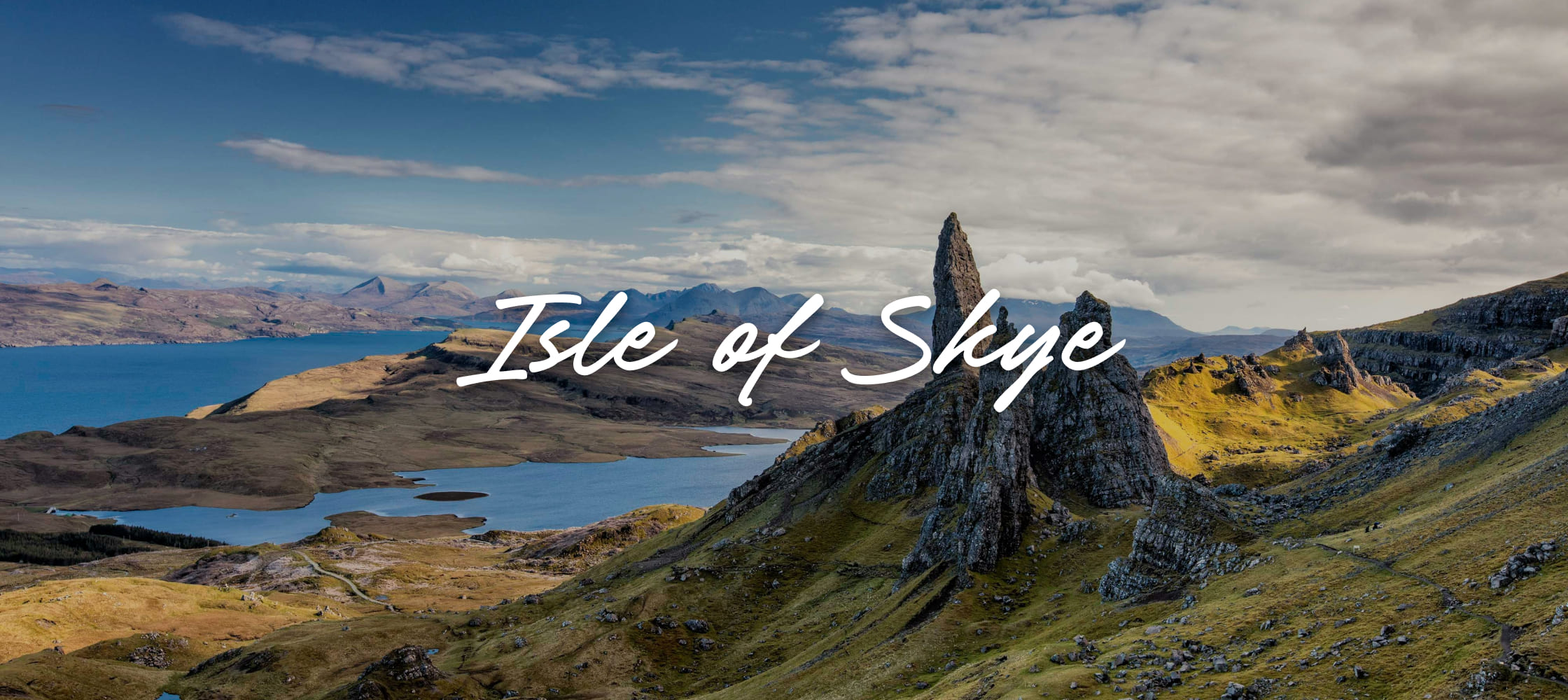
The Isle of Skye is a premier hiking destination, with its dramatic landscapes and varied terrain. The Quiraing gives surreal rock formations and sweeping views, while the Old Man of Storr presents a challenging ascent with rewarding vistas of the surrounding sea and islands.
Accessible trails throughout the island
Isle of Skye offers a variety of hiking trails, from coastal paths to mountainous routes, for all skill levels.
Remote island atmosphere
Skye's location off Scotland's west coast offers a sense of wilderness rarely found in accessible hiking destinations.
Prepare for Highland weather
Rapid weather shifts including gale-force winds and heavy rain require proper gear and route planning.
Dramatic cliffs and rocky landscapes
The rugged terrain of Isle of Skye, with its dramatic cliffs and rocky landscapes, provides challenging and rewarding hiking experiences.
Accessible trails throughout the island
Isle of Skye offers a variety of hiking trails, from coastal paths to mountainous routes, for all skill levels.
Remote island atmosphere
Skye's location off Scotland's west coast offers a sense of wilderness rarely found in accessible hiking destinations.
Prepare for Highland weather
Rapid weather shifts including gale-force winds and heavy rain require proper gear and route planning.
Dramatic cliffs and rocky landscapes
The rugged terrain of Isle of Skye, with its dramatic cliffs and rocky landscapes, provides challenging and rewarding hiking experiences.
The best time to hike in the Isle of Skye is from May to early July. During these months, the days are longer, giving more daylight hours to explore the island's rugged landscapes and trails. The weather is generally more stable, reducing the likelihood of sudden rain showers that can make trails slippery and challenging. This period also coincides with the blooming of wildflowers, adding bright colors to the already striking scenery, creating a visually rewarding time for hikers. Visiting during off-peak months, such as late autumn and winter, offers a more solitary experience, as there are fewer tourists on the trails. However, hikers should be prepared for shorter daylight hours and potentially harsher weather conditions, which can include strong winds and rain. While the island is accessible year-round, some trails may become...
Practical answers about hiking in Isle of Skye — weather, families, highlights, and more.
Beginners can explore the Fairy Pools with gentle paths and striking views. Intermediate hikers might tackle the Quiraing, which offers moderate ascents and descents. Experienced hikers will find the Cuillin Ridge challenging, with its rugged terrain and technical sections requiring scrambling skills.
Accommodation should be booked early, especially in peak season. No permits are needed for most trails, but guided tours for popular routes like the Cuillin Ridge should be reserved ahead of time. Bringing personal hiking gear is recommended, as rental options are limited.
The Trotternish Ridge offers dramatic landscapes with well-marked paths but requires caution due to steep drops. Local guides are invaluable for navigating the frequent low clouds and rapid weather changes. The unique geology, including basalt formations, creates a hiking experience unlike anywhere else.
The island is connected to the mainland by the Skye Bridge near Kyle of Lochalsh. The nearest airport is Inverness, around 3 hours by car. Alternatively, a ferry runs from Mallaig to Armadale on Skye's southern tip. There is no commercial airport on the island.
Midges (small biting insects) are most active from late July through September, particularly in still, damp conditions. Carrying midge repellent and a head net is strongly recommended during these months. May to early July generally has fewer midges.