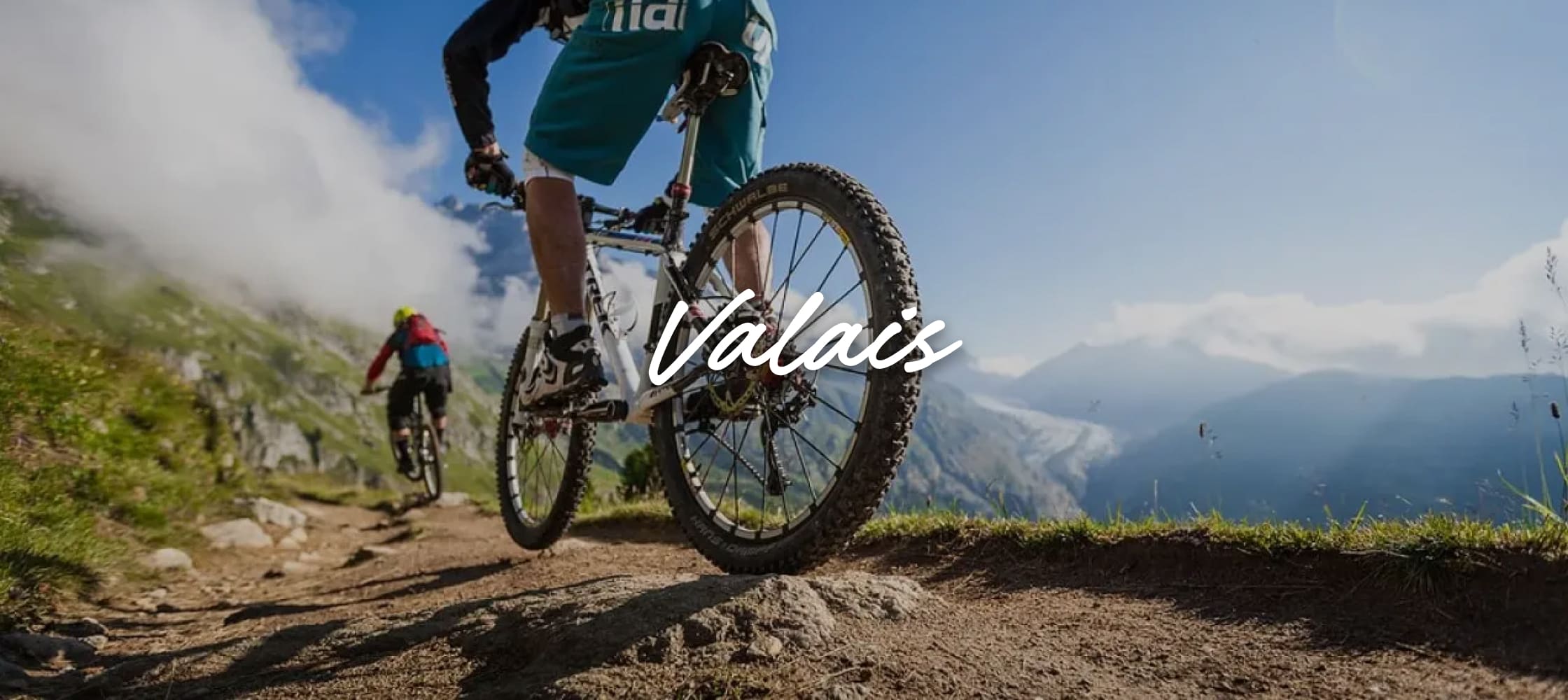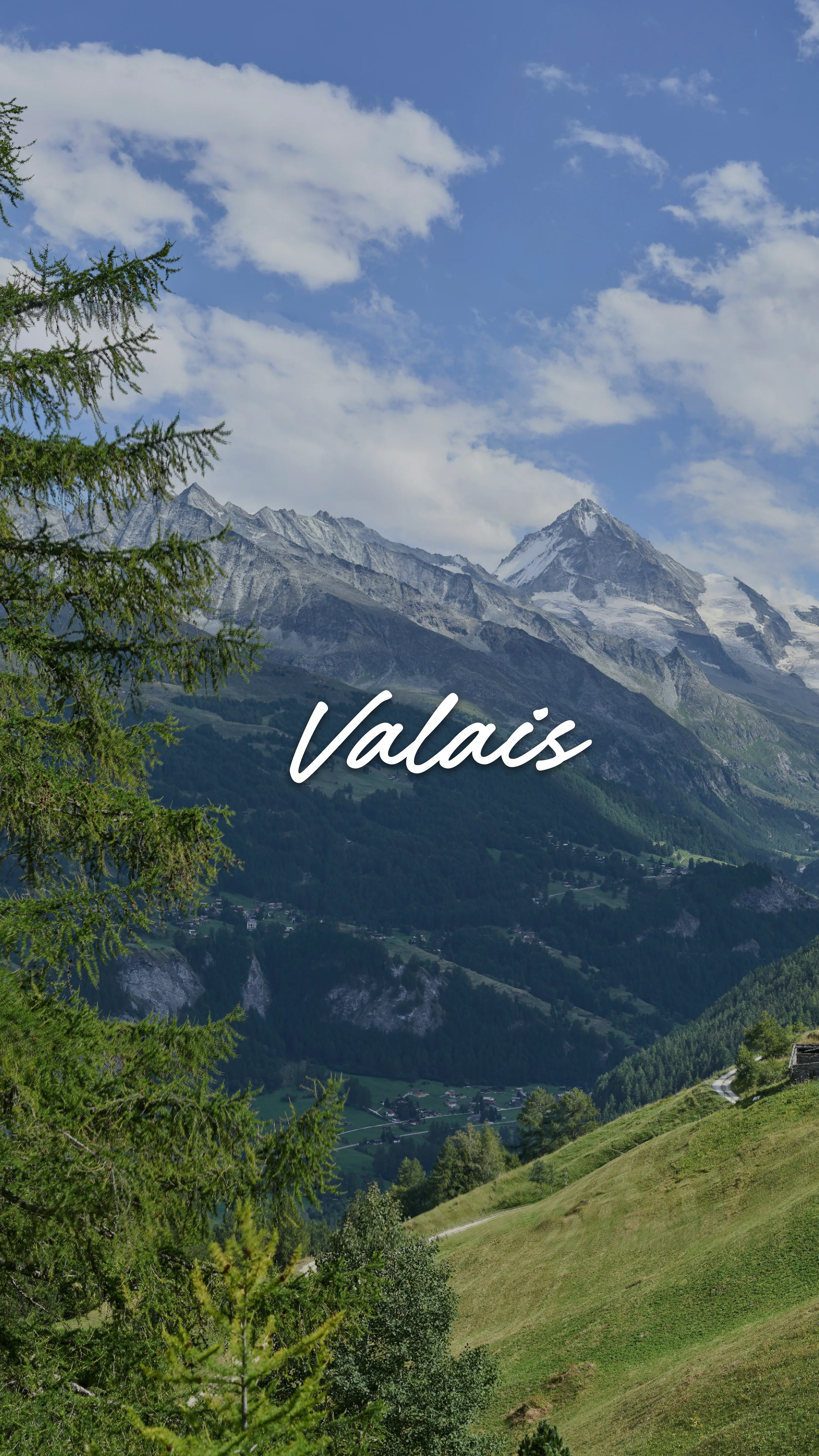
Valais features legendary climbs like the Furka Pass and the Col du Grand Saint-Bernard, offering challenging ascents with striking alpine views. While the Rhône Valley provides flat, accessible roads, the region’s true draw is its high-altitude terrain.
Legendary climbs await cyclists
Conquer the Furka Pass and Col du Grand Saint-Bernard for striking alpine views and challenging ascents.
Easy access to cycling routes
Valais gives well-connected roads, making it simple to explore various cycling trails throughout the region.
Suitable climate for cycling
The region's high-altitude terrain keeps dry conditions and clear skies, good for cycling fans.
Dramatic alpine terrain
Valais features dramatic peaks and valleys, presenting a distinct challenge and dramatic scenery for cyclists.
Legendary climbs await cyclists
Conquer the Furka Pass and Col du Grand Saint-Bernard for striking alpine views and challenging ascents.
Easy access to cycling routes
Valais gives well-connected roads, making it simple to explore various cycling trails throughout the region.
Suitable climate for cycling
The region's high-altitude terrain keeps dry conditions and clear skies, good for cycling fans.
Dramatic alpine terrain
Valais features dramatic peaks and valleys, presenting a distinct challenge and dramatic scenery for cyclists.
The prime window for high-altitude cycling in Valais is from late June to September, when legendary passes like the Furka are guaranteed to be snow-free. While the valley roads are rideable from March, the highest routes only fully open in early summer.
September is often considered the 'golden month,' offering quieter roads, stable weather, and vibrant autumn colors in the vineyards. To avoid traffic on popular passes, plan your climbs for early morning, and always check the local 'Pass Opening' status before heading out, as early autumn snow can occasionally close summits temporarily.
Practical answers about cycling in Valais — weather, families, highlights, and more.
Cyclists should be cautious on the Furka Pass, where steep gradients and hairpin turns can be challenging, especially in wet conditions. Additionally, the roads can be narrow and shared with traffic, particularly in busy areas. Riders should also be prepared for sudden weather changes in the mountains, which can affect visibility and traction.
Valais features a mix of challenging climbs and rolling terrain. The Col du Grand Saint-Bernard offers a historic climb with switchbacks, while the Rhône Valley provides gentler roads suitable for relaxed rides. Riders should be ready for varied road conditions, including some sections that may be less maintained.
Cyclists are encouraged to bring their own bikes to Valais, as rental options are limited. It's essential to ensure the bike is well-serviced before the trip to avoid mechanical issues on the climbs. Riders should also check their gear compatibility, especially if they plan to use specific pedals or accessories.
While Valais is known for its challenging climbs, beginners can enjoy the flatter sections of the Rhône Valley. These roads are less steep and provide a more manageable experience for those new to cycling. However, it's important for beginners to be cautious of traffic on these routes, especially during peak tourist seasons.
Cyclists should carry personal supplies of energy bars and gels, as refill points can be scarce on mountain routes. Eating before tackling climbs is important to maintain energy levels. Local shops may offer some snacks, but having a personal stash keeps cyclists have familiar options during their rides.