In short
Running Boston starts on the Charles River, where the Esplanade's flat riverside paths join a 27 km (17-mile) loop across both banks. Add the Emerald Necklace parks for shade, Heartbreak Hill for the marathon's toughest climb, and come from April to June or in September and October, the best months for running.
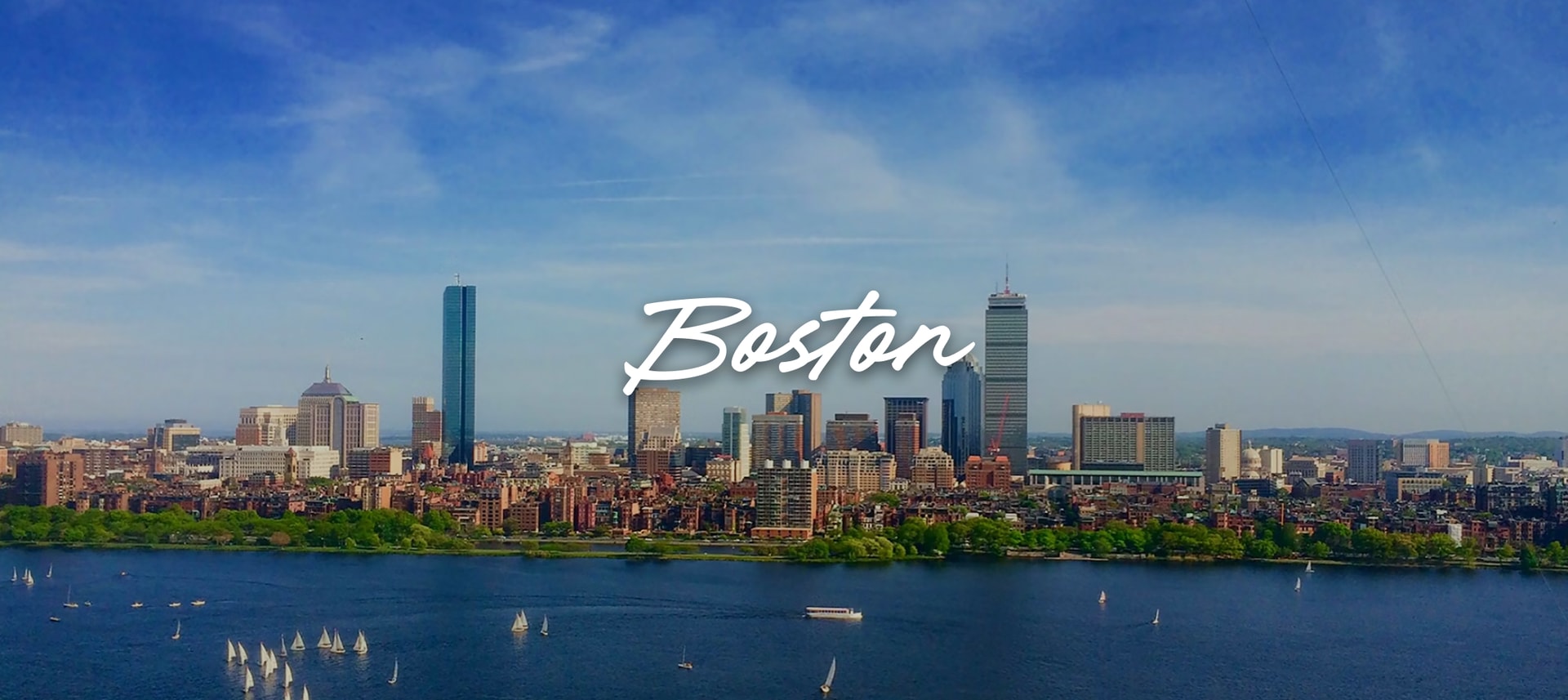
Boston has held its marathon every year since 1897, the oldest annual marathon in the world, and the city still runs on it. The paths along the Charles draw locals and visitors alike, the Emerald Necklace threads green parkland through the neighbourhoods, and out in Newton the marathon's most famous climb waits for anyone curious enough to try it. The city is compact, so the river is within easy reach of downtown, and a week here can hold a long run, a park loop and a morning with the local clubs.
Where are the best places for running in Boston?
The best places to run in Boston are the Charles River paths and the Emerald Necklace, the chain of parks Frederick Law Olmsted designed, with Jamaica Pond, the Back Bay Fens and the Chestnut Hill Reservoir for shorter loops. Start at the river.
The Charles River Esplanade is the easiest first run in Boston. The park stretches about 5 km (3 miles) one way along the Boston bank of the Charles, between the Museum of Science and the Boston University Bridge, and holds over 8 km (5 miles) of paved paths, according to the Esplanade Association, the park group that works in partnership with the Massachusetts Department of Conservation and Recreation. The riverside paths are mostly flat, with views across the water, and they suit runners of every level. Cross a bridge and come back along the Cambridge side for a loop of any length: the full circuit of both banks runs to about 27 km (17 miles), a proper long run. Storrow Drive separates the park from the city, so runners reach it over one of the footbridges or at the street level entrances at either end. Watch for traffic at the crosswalks on the way in.
For shade and a change of scene, run the Emerald Necklace. The Emerald Necklace Conservancy, the not-for-profit behind the parks, describes an 1,100-acre chain across 11 km (7 miles): Charlesgate, the Back Bay Fens, the Riverway, Olmsted Park, Jamaica Pond, the Arborway, the Arnold Arboretum and Franklin Park, open to everyone, every day. The route mixes city streets and parkland with some changes in height, so it suits a runner who wants variety more than pace.
- Jamaica Pond, Jamaica Plain: a loop of about 2.5 km (a mile and a half) around the water, made for a shakeout, the short easy run before a race.
- Back Bay Fens: one of the Necklace's parks and one of the city's most popular runs with locals and visitors.
- Chestnut Hill Reservoir: another neighbourhood loop with an accessible path around the water.
- Franklin Park: winding, shaded trails for recovery runs, though some are rugged, so watch your footing.

How hard is Heartbreak Hill, and can you run it?
Heartbreak Hill is not steep, but it comes at the worst moment. The hill sits between miles 20 and 21 of the Boston Marathon, the fourth and last of the Newton Hills, a run of climbs that begins around mile 16, as Sports Illustrated explains. It rises about 27 m (88 feet) over half a mile at a 3.3 per cent gradient. On fresh legs it barely registers. After 20 miles of racing it feels like a mountain.
The name dates from 1936, when the defending champion Johnny Kelley patted Ellison Brown on the back as he passed him on the climb. Brown surged and won, and the Boston Globe reporter Jerry Nason wrote that he had broken Kelley's heart.
You can run it any week of the year. The Heartbreak Hill Running Company, a Boston running shop and club, starts its Saturday long run at 8 am from its Newton store at 638 Commonwealth Ave, steps from the base of the hill, on a route it calls the Firehouse Loop. Pace groups form from whoever turns up, so it is the simplest way to learn the climbs with local runners before race day. If you are racing, remember that the first half of the course runs downhill: start too fast and you meet the Newton Hills with nothing left.
When is the best time of year to run in Boston?
The best months for running in Boston are April to June and September to October. Spring brings the marathon on the third Monday in April and the parks in flower, but April is wet, with 11.6 days of rain or snow on average, highs of 13.6°C and lows of 4.2°C. By late May the weather usually settles. Summer is hot and humid, with July highs averaging 28.8°C and the paths at their busiest, so run early. Autumn is the quiet pick for a training week: September highs average 23.3°C and October 17.6°C, with fewer wet days and the trees turning. Winter is for the committed, with January averaging a high of 3.3°C and a low of -4.7°C.
The table shows theKlub's month by month climate for Boston: the average daily high and low, and the days with rain or snow, from ten years of Open-Meteo data.
| Month | High | Low | Rain or snow days |
|---|---|---|---|
| January | 3.3 °C | -4.7 °C | 9.6 |
| February | 5.2 °C | -4.3 °C | 9.8 |
| March | 8.5 °C | -0.9 °C | 11.2 |
| April | 13.6 °C | 4.2 °C | 11.6 |
| May | 19.5 °C | 10.0 °C | 12.2 |
| June | 25.3 °C | 15.5 °C | 11.2 |
| July | 28.8 °C | 19.4 °C | 12.5 |
| August | 27.7 °C | 18.5 °C | 10.9 |
| September | 23.3 °C | 15.0 °C | 9.4 |
| October | 17.6 °C | 9.4 °C | 9.4 |
| November | 10.7 °C | 2.5 °C | 8.4 |
| December | 5.3 °C | -2.5 °C | 10.5 |
Plan long runs around the river's facilities. On the Esplanade, the restrooms behind the Hatch Memorial Shell and at the Dartmouth Comfort Station, and the water fountains along the paths, are usually open from mid-April to mid-October, so a winter long run needs its own bottle.
How do you get a place in the Boston Marathon?
Most runners get into the Boston Marathon with a qualifying time, and almost 10 per cent run for a charity. The Boston Athletic Association (B.A.A.), the organisation that runs the race, holds the 131st edition on Monday 19 April 2027. A qualifying time, or BQ, is a marathon run under the standard for your age group and gender, on a course certified by USA Track and Field, the Association for International Marathons and Distance Races (AIMS) or a national governing body, measured as net (chip) time. For 2027 the window opened on 13 September 2025, and you must be 18 on race day.
| Age group | Men | Women | Non-binary |
|---|---|---|---|
| 18-34 | 2:55:00 | 3:25:00 | 3:25:00 |
| 35-39 | 3:00:00 | 3:30:00 | 3:30:00 |
| 40-44 | 3:05:00 | 3:35:00 | 3:35:00 |
| 45-49 | 3:15:00 | 3:45:00 | 3:45:00 |
| 50-54 | 3:20:00 | 3:50:00 | 3:50:00 |
| 55-59 | 3:30:00 | 4:00:00 | 4:00:00 |
| 60-64 | 3:50:00 | 4:20:00 | 4:20:00 |
| 65-69 | 4:05:00 | 4:35:00 | 4:35:00 |
| 70-74 | 4:20:00 | 4:50:00 | 4:50:00 |
| 75-79 | 4:35:00 | 5:05:00 | 5:05:00 |
| 80 and older | 4:50:00 | 5:20:00 | 5:20:00 |
A standard only earns the right to apply. Registration runs for one week in September and is not first come, first served: when applications outnumber places, the fastest under their standard get in. For 2027 the qualifying cut-off was 5 minutes 17 seconds, so runners needed to beat their standard by at least that. New for 2027, the Boston Qualifier Selection draws about 1,000 more qualifiers at random from those who missed the cut-off. Times from steep courses now carry an index: a net drop of 1,500 to 2,999 feet adds 5 minutes, 3,000 to 5,999 feet adds 10, and 6,000 feet or more does not count.
No qualifying time? The B.A.A.'s Official Charity Program gives invitational entries to 215 organisations for 2027, and each recruits runners who pledge to raise money for its cause. It suits a runner with a cause close to home and the months to fundraise. The B.A.A. also fields its own team, the B.A.A. Gives Back Marathon Team. Entries cannot be transferred, so a bib from a stranger is not a way in.

Join a group run and meet Boston's runners
Two Boston groups run free sessions that a visitor can join: the Heartbreak Hill Running Company and the November Project. Heartbreak has stores in Newton, the South End at 652 Tremont St and Cambridge at 294 Massachusetts Ave. Its Tuesday session at 6:34 am is a track workout in six pace groups, at the Reggie Lewis Center from January to the marathon and at MIT from June, and suits a runner chasing a time. On Thursdays at 6:30 pm coaches lead runs of about 6 to 10 km (4 to 6 miles) from each store, an easy way to spend a first evening in town. Saturday brings the long run from Newton.
The November Project is a free fitness group founded in Boston in 2011 by two Northeastern University crew alumni, Brogan Graham and Bojan Mandaric, to keep training through the city's cold winters. Its regular spots are the stairs of Harvard Stadium and Corey Hill Outlook Park, known as Summit Ave, in Brookline. The founders' first pact was to meet at 6:30 am every day of November, so expect early starts, and check the group's own channels for this week's spot.
Book a base a short jog from the river
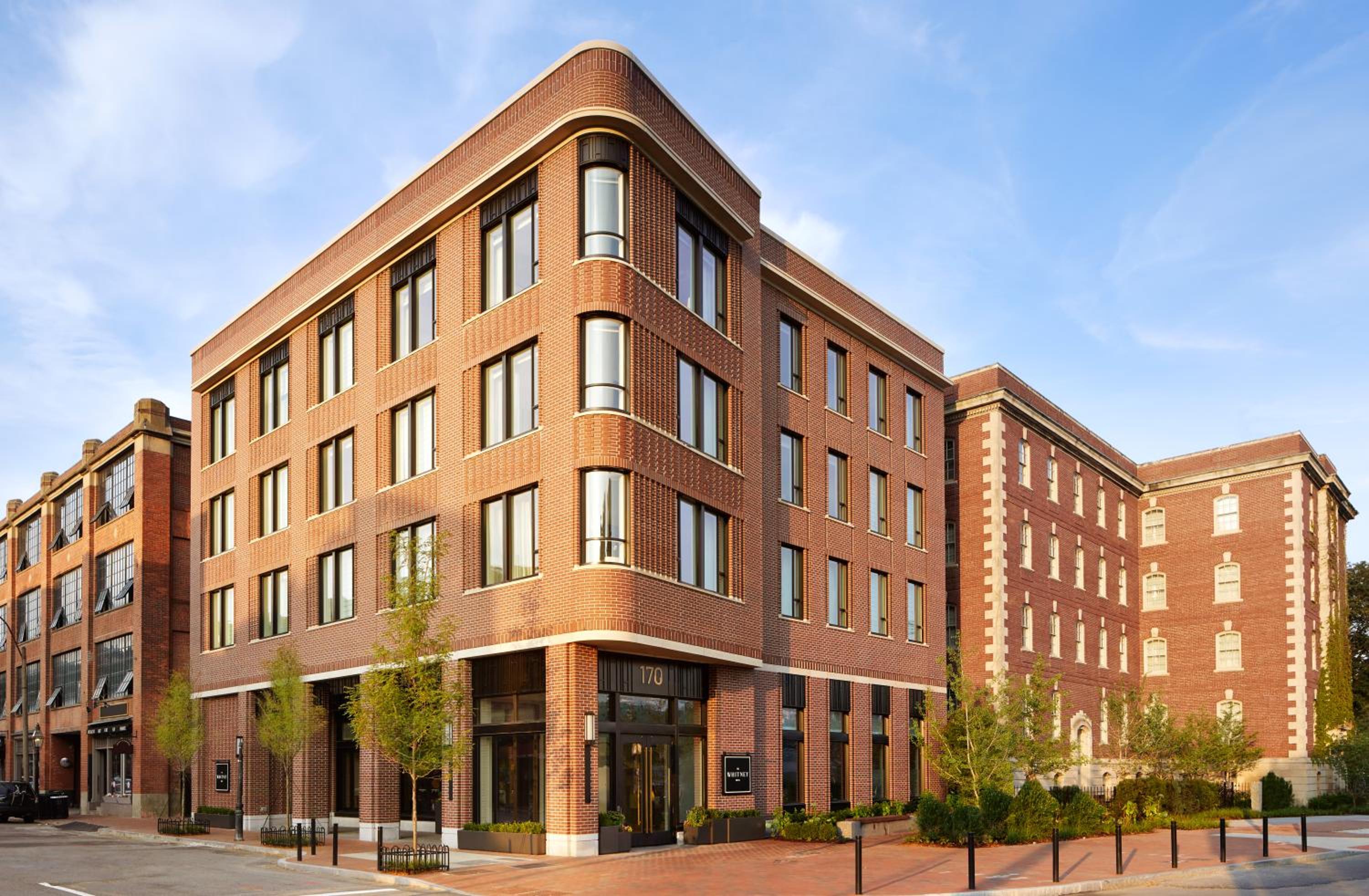
Stay close to the Charles and your first run starts at the door. The Whitney Hotel Boston is the pick for a base by the park: the Esplanade Association gives its address, 170 Charles Street, as the drop-off for the Frances Appleton footbridge into the park. It has 5 stars and a guest rating of 10.0 out of 10.
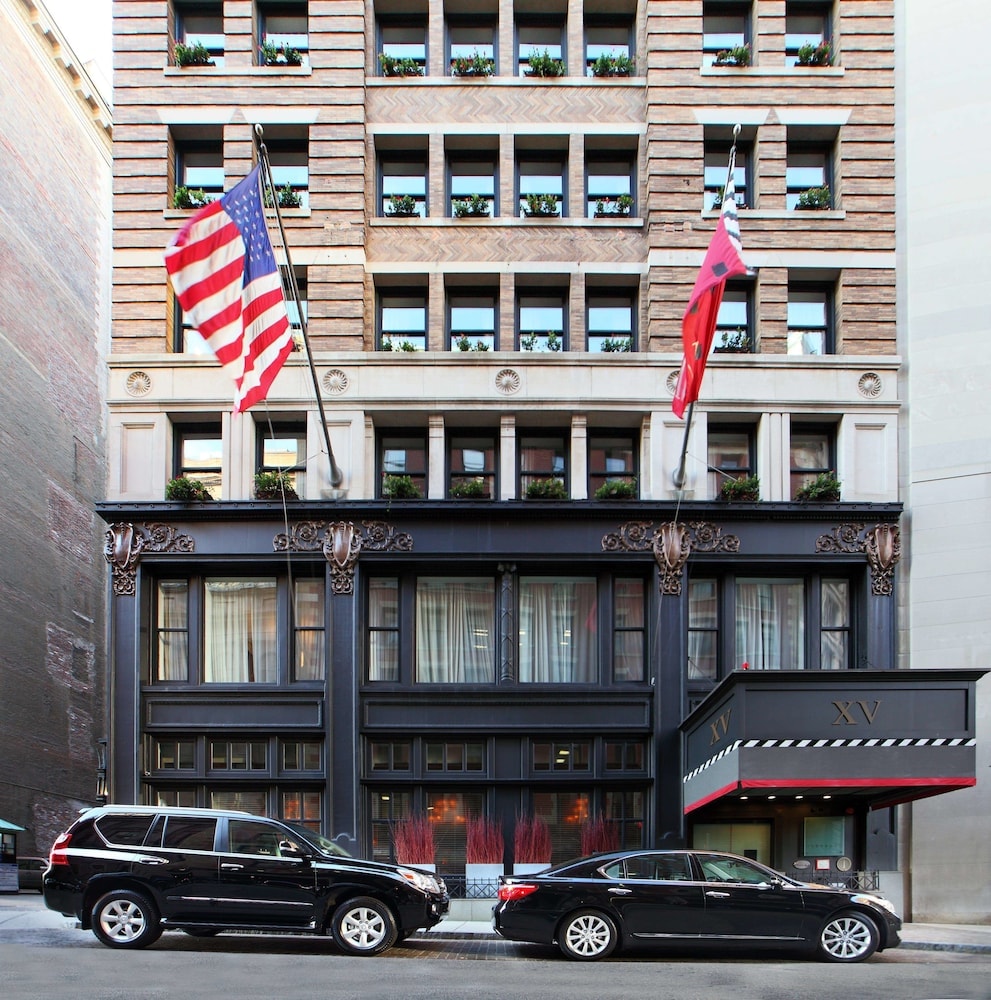
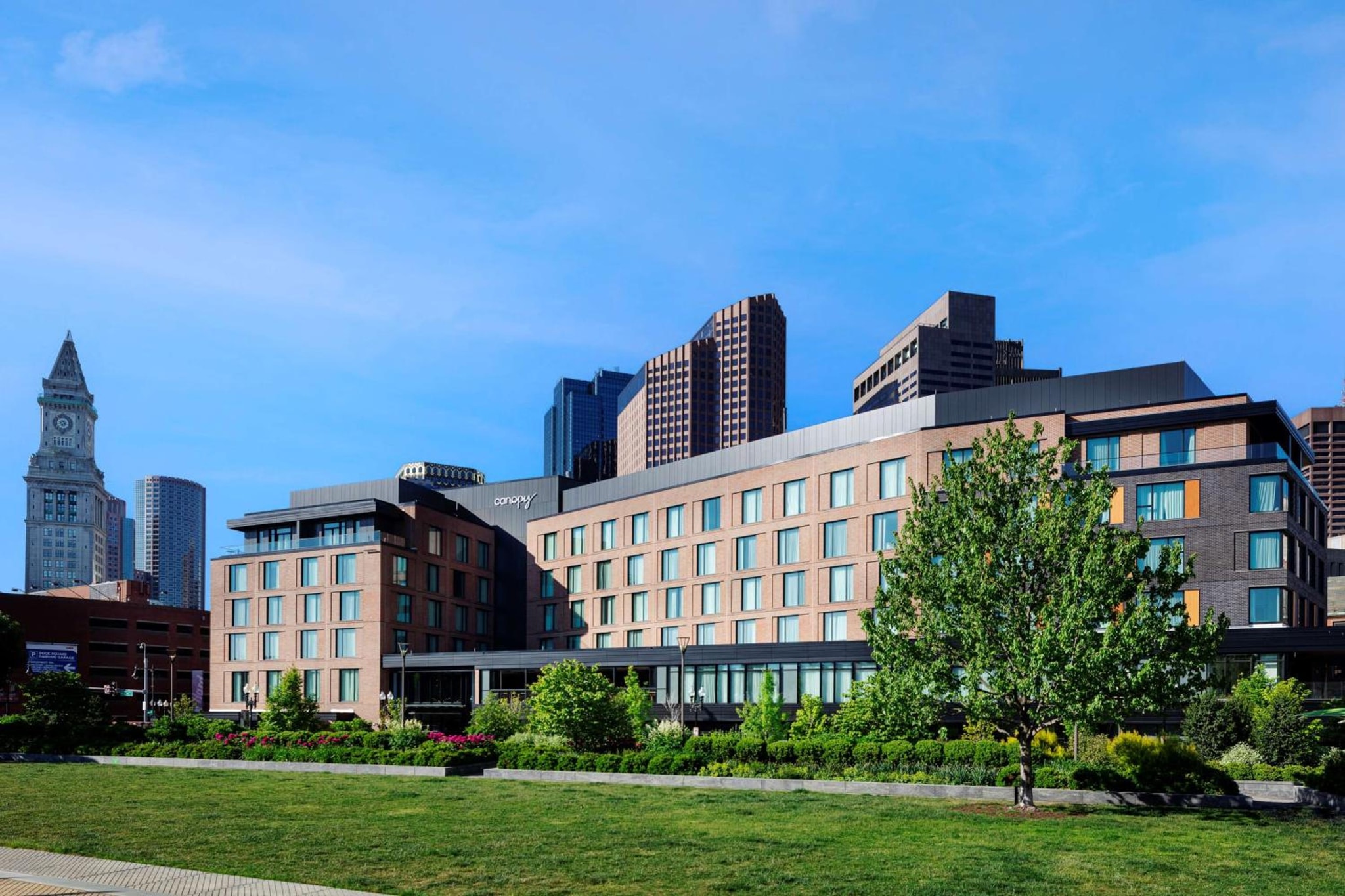
theKlub's hotel picks for running in Boston also include The Verb Hotel, scored 10.0 by guests, The Dagny Boston 9.8 and The Lenox Hotel Boston 9.6. Hotel Commonwealth and Studio Allston Hotel Boston score 9.4, and Courtyard Boston Downtown/North Station rounds out the set, by North Station.
Where to stay
Running hotels in Boston
Hotels we picked for riders and players: the right location, and the facilities a sporty stay needs.

Frequently asked questions
Can you run in Boston in winter?
Yes, with the right kit. January averages a high of 3.3°C and a low of -4.7°C, with around 10 days of rain or snow. The Esplanade's water fountains and seasonal restrooms usually close from mid-October to mid-April, so carry water. The November Project was founded to keep training through the city's cold months, and its sessions run all year.
Do you need a car to reach Boston's running routes?
No. Boston is compact, and the Charles River paths are within easy reach of downtown. The Esplanade has no public parking, and the Esplanade Association lists ten MBTA stations near the park, including Science Park, Charles/MGH and BU Central. Take the MBTA, or walk to the nearest footbridge.
Is it safe to run in Boston early or late in the day?
Take care early in the morning and late in the evening in some neighbourhoods, and watch for traffic at crosswalks and busy junctions on urban routes. Running with a group, such as the Heartbreak Hill Running Company's 6:34 am track session, is an easy way to start early in company.
What should you pack for a running trip to Boston?
Pack for changeable weather: Boston can swing between cold rain and warm sunshine quickly. Bring layers, a plan for wet shoes and a small tube of sunscreen. Marathon runners need throwaway layers for the long wait in Hopkinton before the start.
For a European city break built around a run, read our guide to running in Barcelona.
Boston rewards a runner who gives each kind of running its morning: a flat river loop the day you land, a shaded lap of Jamaica Pond, a Saturday with the group on the Newton Hills. Bring layers in April, water in winter and patience at the crosswalks. For more cities built around a run, see running holidays with theKlub. Start by checking the climate table for the month you have in mind.