

Spain’s landscapes shift from glacial lakes and forested mountains to volcanic ground, marshes and cliffs. At Picos de Europa, the Cares Trail passes through gorge country. On La Palma, the Volcano Trail winds among volcanoes. Aigüestortes i Estany de Sant Maurici National Park has rivers, streams and lakes, while Doñana National Park has changing scenery and abundant birdlife. The country offers varied terrain for walkers.
More about SpainHiking stays in Spain
43 stays checked for hiking. Pick a base and we build the whole trip around it.
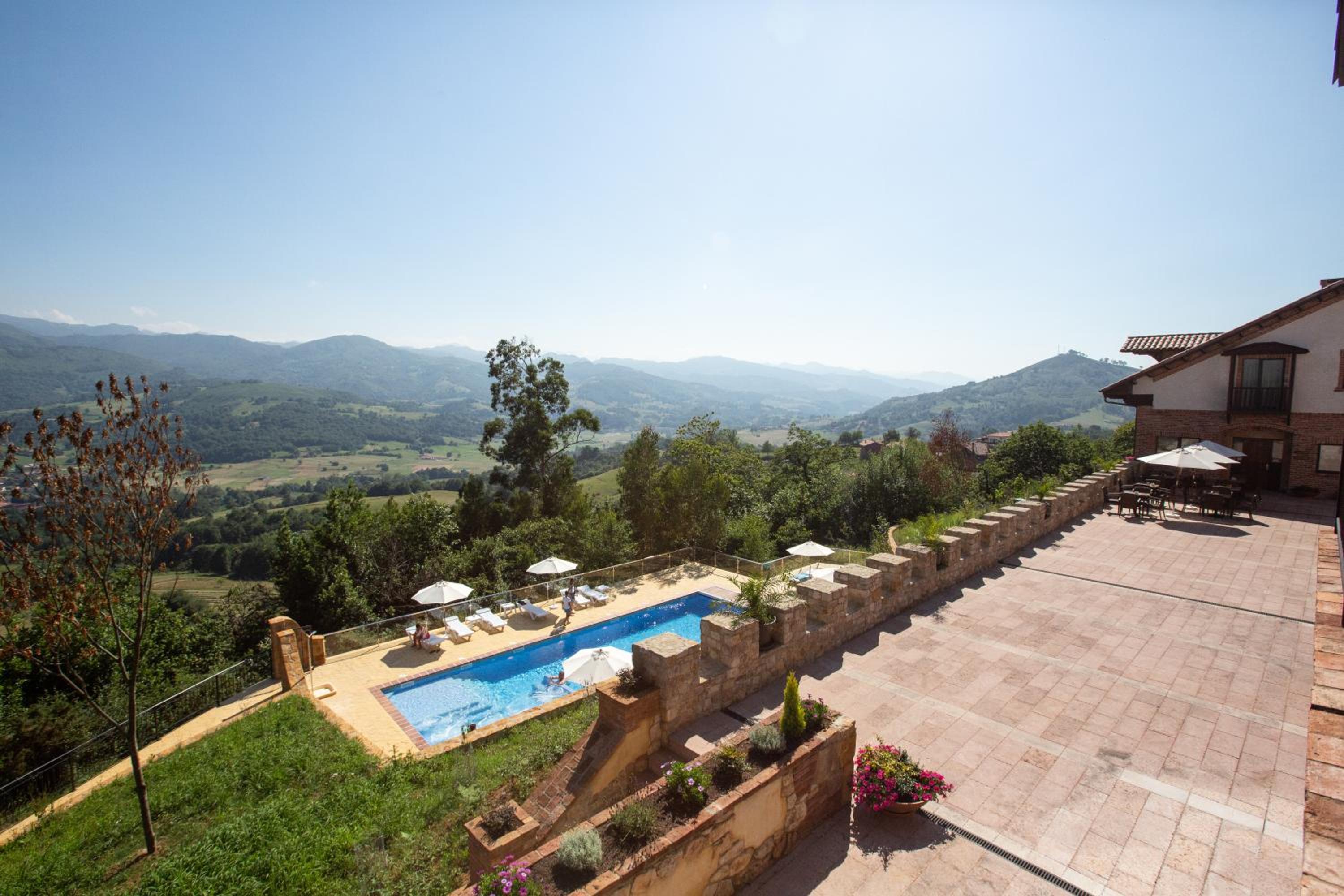
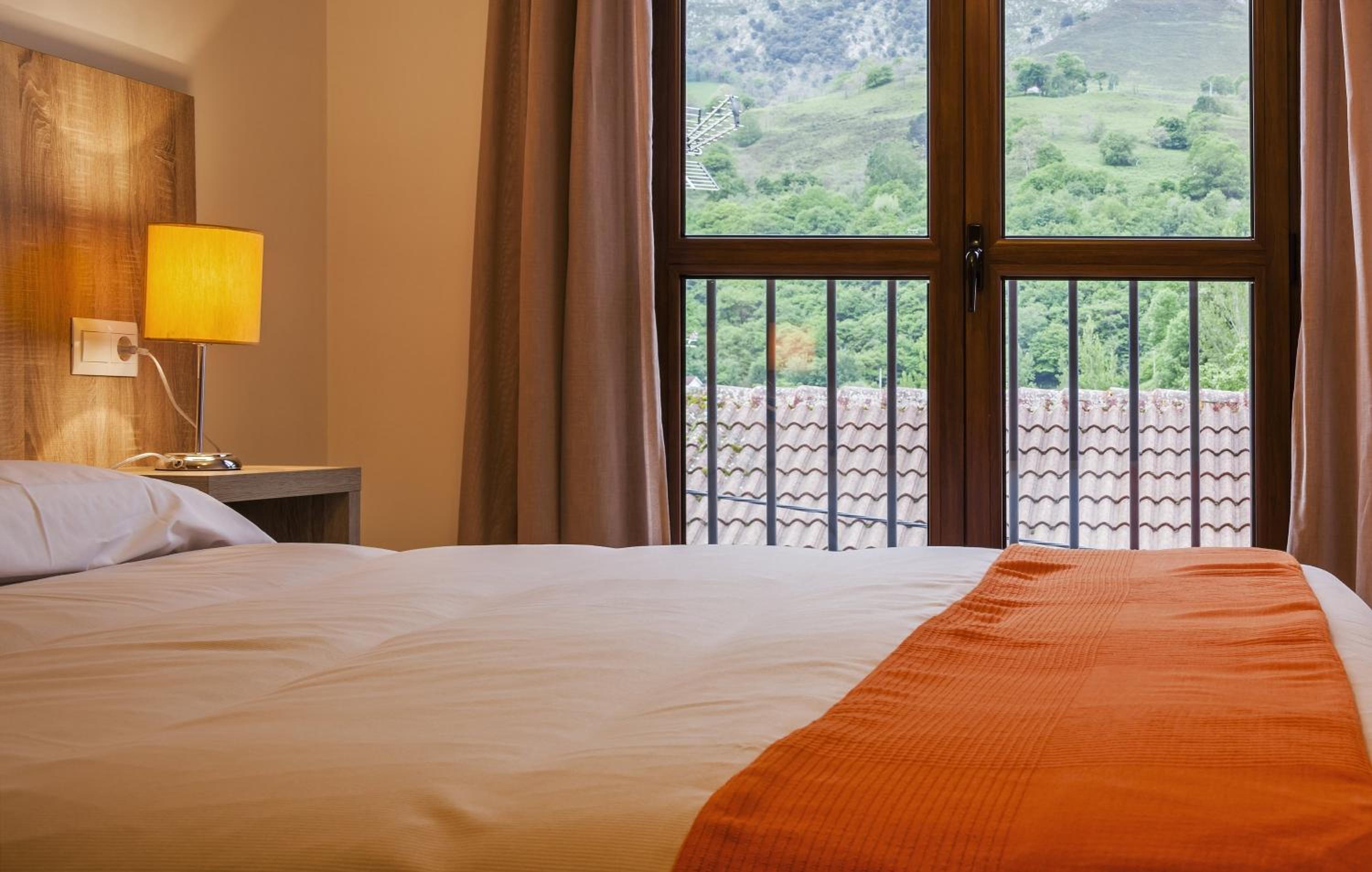
All 43 hotels in Spain
- Abrigall Hostel Masella
- Alp Hotel Masella
- Apartamentos El Caxigu
- Apartamentos Masella 1600
- Apartamentos Solineu
- Baqueira Apartamentos Cota 1700 tranquilidad
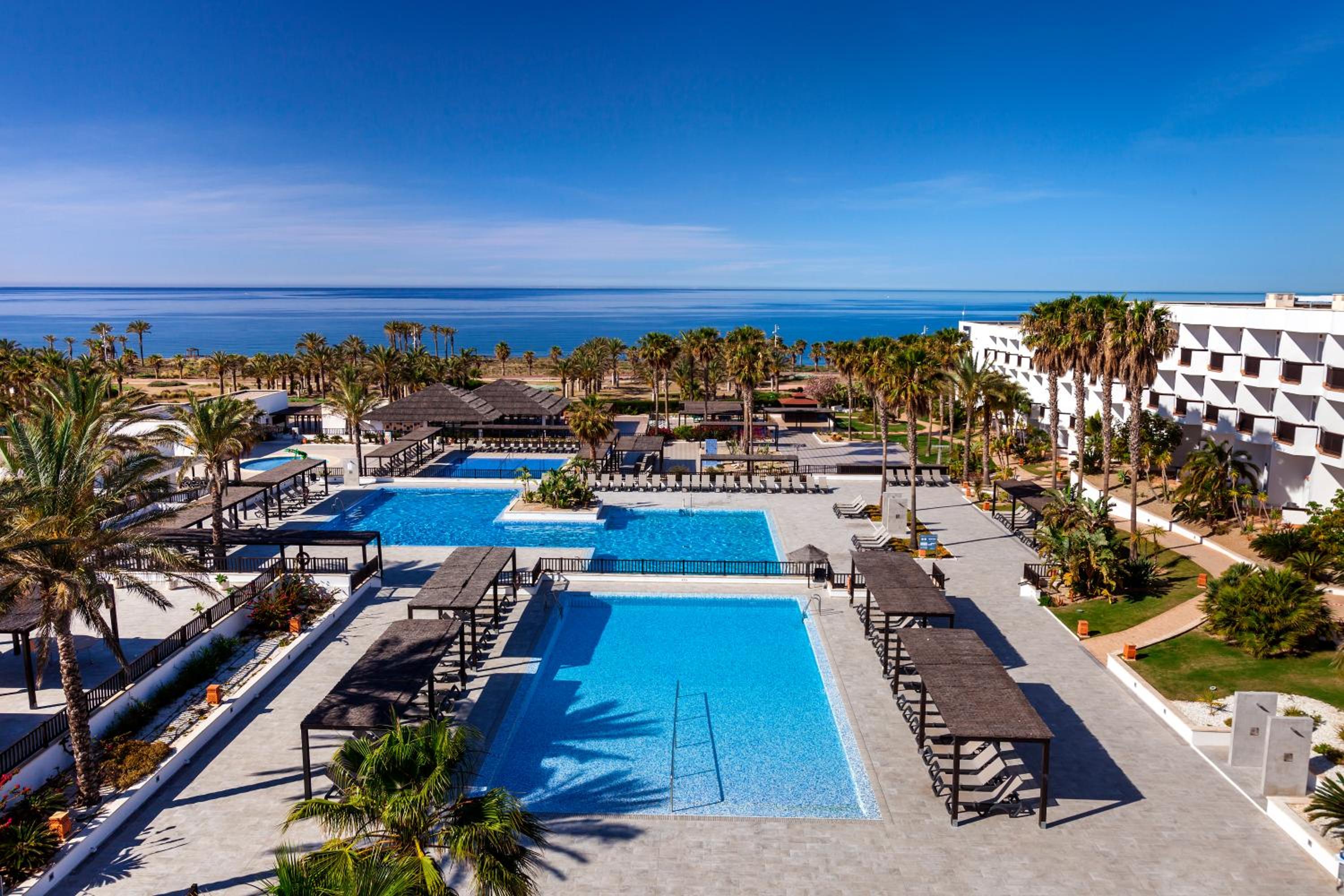
- Barceló Cabo de Gata
- Botel Alcudiamar - Alojamiento para Navegantes
- Casa Rural el Enebral en Potes Picos de Euopa
- Domes Baobab Suites
- Eira Ski Lodge
- El Fuerte Marbella
- Eurostars La Pleta
- Eurostars Royal Tanau
- Gloria Palace San Agustín Thalasso & Hotel
- Hostal Remoña
- Hotel Amoretes
- Hotel Cerro La Nina
- Hotel Chalet Bassibe
- Hotel Cordial Mogán Playa
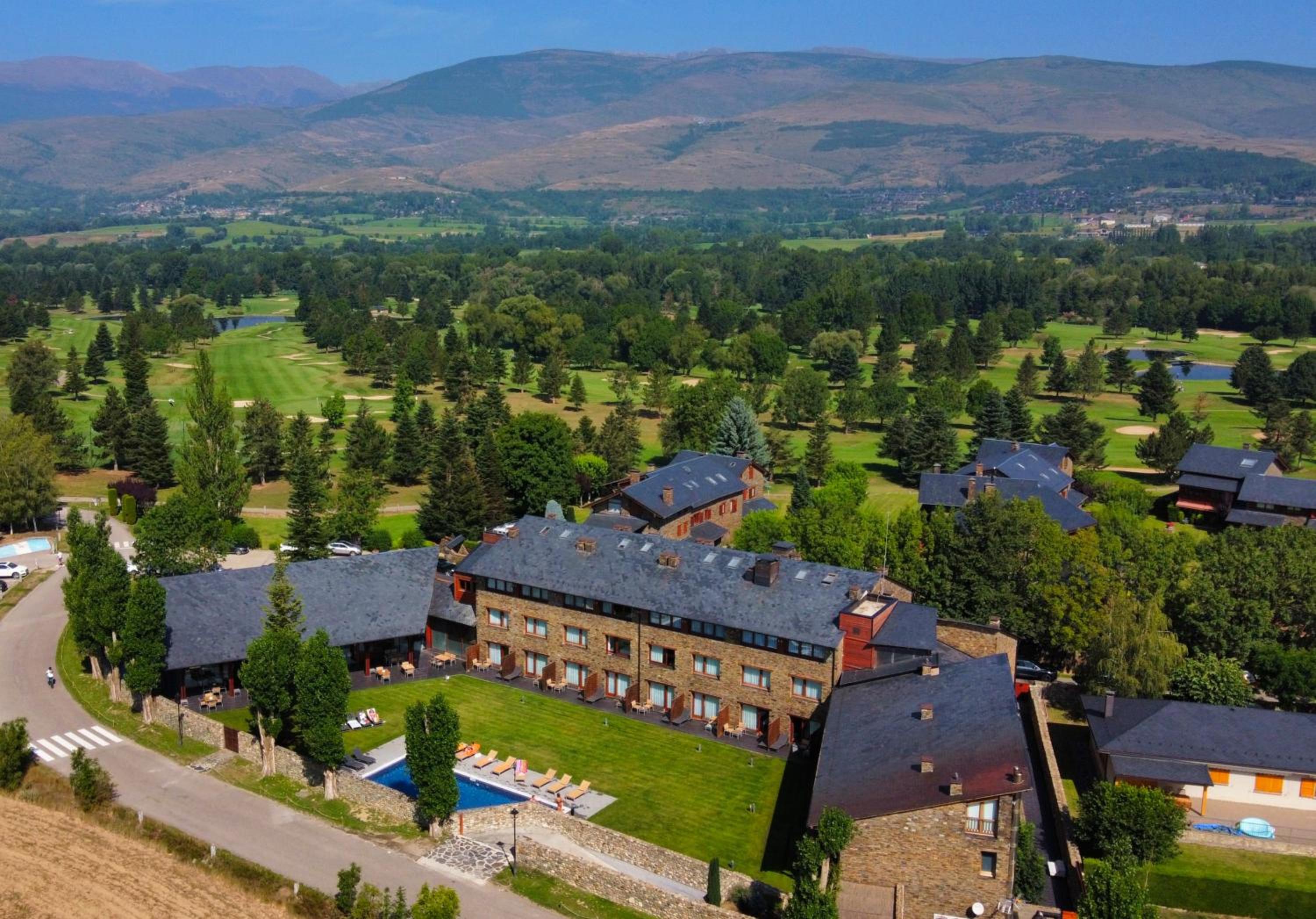
- Hotel Fontanals Golf
- Hotel Gala Placidia 3'''sup
- Hotel Ivory Playa Sports & Spa
- Hotel Jardín Tecina
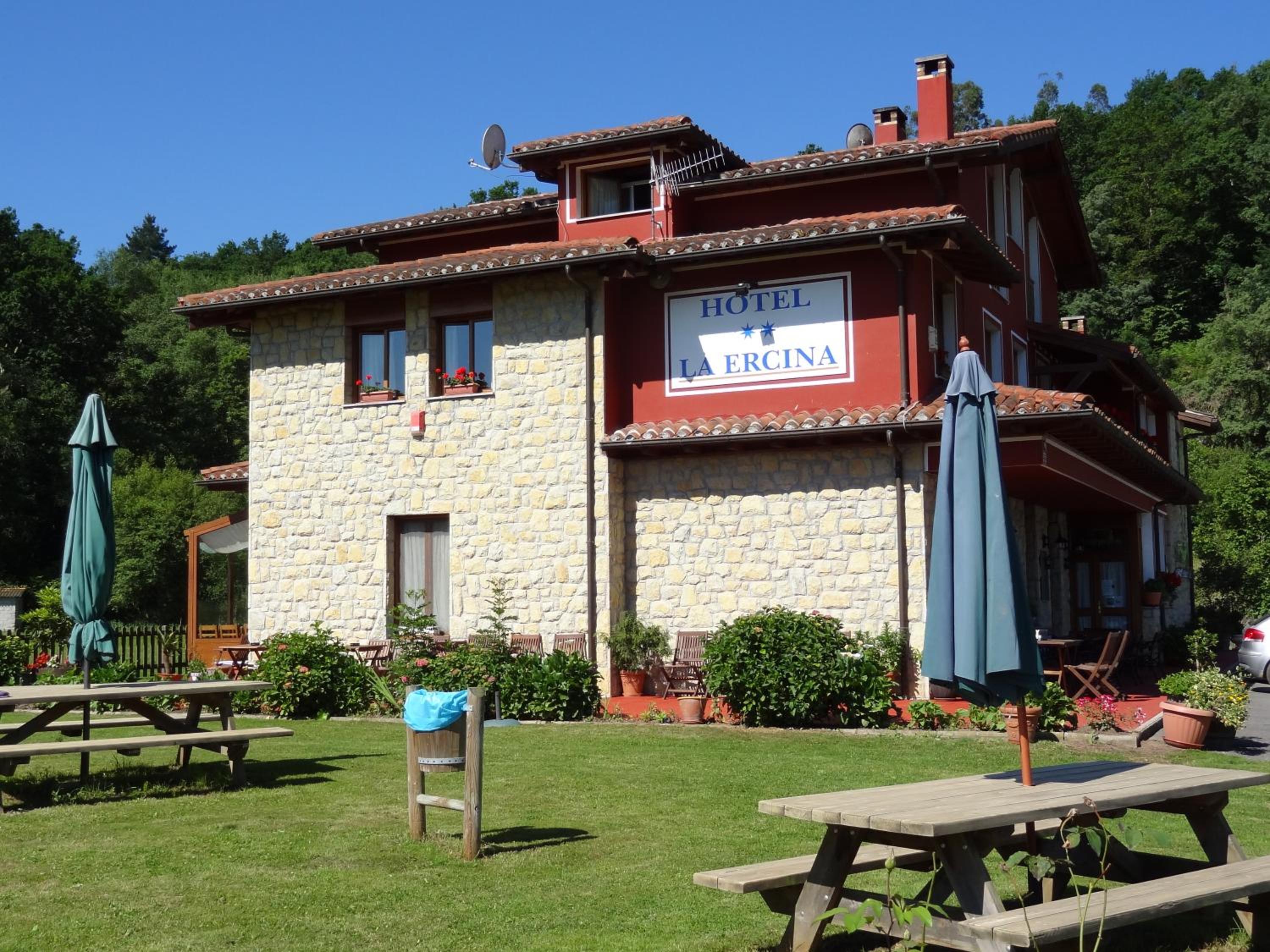
- Hotel La Ercina
- Hotel Los Ángeles
- Hotel Maribel Sierra Nevada
- Hotel Montarto
- Hotel Nievesol
- Hotel Rural Sucuevas
- Hotel Saliecho
- Hotel Solineu
- Hotel Terminus
- Hotel Val de Neu G.L.
- Lopesan Costa Meloneras Resort & Spa
- MiM Baqueira member of Meliá Collection
- Puente Romano Marbella
- SH Villa Gadea
- Snö Aragon Hills
- SNÖ Villa de Sallent 3
- Tuc Blanc
- Valentin Playa de Muro
- Vincci Selección Rumaykiyya
Want the whole trip, not just a hotel?
Tell us your sport, dates and level. An expert builds the trip around you and replies on WhatsApp or by email.
Where to go in Spain

Hosted trips in other sports
No hosted hiking trips yet. These are our hosts' trips in Spain, and every one is built around its sport.
Hiking trips before anyone else, and off your first booking.
Early access to new hiking trips and limited-spot offers. No fees. Sign up in under a minute.
About Spain
Why hiking in Spain
Spain’s landscapes shift from glacial lakes and forested mountains to volcanic ground, marshes and cliffs. At Picos de Europa, the Cares Trail passes through gorge country. On La Palma, the Volcano Trail winds among volcanoes. Aigüestortes i Estany de Sant Maurici National Park has rivers, streams and lakes, while Doñana National Park has changing scenery and abundant birdlife. The country offers varied terrain for walkers.
Marked GR routes suit multi-day walks, while shorter PR and local SL paths offer less demanding options. Spring brings longer days, and spring and autumn are recommended for hiking. Summer temperatures can be high, while winter snow affects some mountain areas. High mountain routes in Picos de Europa demand special preparation and suitable equipment. They can involve significant elevation gains, exposed sections and dangerous passages.
The Cares Trail in Picos de Europa passes through gorge country, while La Palma’s Volcano Trail winds among volcanoes. Walkers can choose a multi-day GR route or shorter PR and local SL paths. Mountain conditions call for preparation and suitable equipment.
Highlights
Follow the Camino's yellow arrows
Yellow arrows mark the Camino, with pilgrim hostels and centres along the way.
Soak in Ourense's hot springs
Outdoor hot springs in Ourense and other Galician towns include pools on the banks of the River Miño.
Prepare for Picos de Europa
The high-difficulty Reconquest Route crosses meadows, forests and deep canyons. Snow can block high sections, and fog means not starting.
Best seasons for hiking in Spain
Spring and autumn are the strongest seasons for hiking in Spain. Spring brings longer days and flowering trails, while cooler conditions suit mountain routes and help avoid summer heat. April and May, then September and October, suit walks in the Pyrenees, the Picos de Europa and the Sierra Nevada. Spring showers can be brief but intense, so carrying rain protection is sensible.
Summer hiking suits mountainous areas and the north, where temperatures are milder. Inland and southern Spain can be scorching, making long daytime walks a poor fit. Northern regions also see some summer rainfall. Hiking remains possible in many areas in winter, but snow can affect mountain routes, and rainfall is frequent in the north. Mountain walks are best planned for spring or autumn, with snowy conditions avoided in winter.
Hiking in Spain: questions
Practical answers about hiking in Spain.
Official Spanish footpaths use different colour markings. GR long-distance routes are marked red, PR routes yellow and local SL paths green. Trails outside the official network may use different signs, so plan and communicate your route before setting out.
Local footpaths marked green as SL are the shortest routes. Spain’s hiking guidance recommends them for children and people with low physical fitness. PR routes use yellow signs, while GR long-distance footpaths use red signs and require several days to complete.
Signposting can differ on trails outside the official footpath network. Plan and communicate your route before setting out, follow local rules and signs, and wear suitable clothing and equipment. The Civil Guard also recommends carrying a first-aid kit and an emergency communication device.
Camping is tightly restricted in Spain. Check which permits apply in controlled camping areas before starting a route. For a long-distance GR footpath, a tourist office or visitor centre can provide information about route difficulty and nearby mountain shelters. Spain also has rural accommodation and campsites in natural surroundings.
The Civil Guard advises hikers not to venture out alone and recommends going with others. Plan and communicate the route before setting out, and carry a first-aid kit and an emergency communication device. Follow signs and local rules, and wear suitable clothing and equipment.
Not your thing?
Every hosted trip we run, in every sport, not only hiking.
Want it built around you?
Sport, place, rough dates. We read every brief and come back with trips, stays or a plan.