

Chicago's running scene is anchored by the Lakefront Trail, a 18-mile path that hugs the shoreline of Lake Michigan. This route provides runners with unobstructed views of the city skyline, urban beaches, and lush parks. The terrain is predominantly flat, making it accessible for most levels, although some sections may experience congestion during peak times. Beyond the Lakefront, neighborhoods like Lincoln Park and Humboldt Park offer additional running paths, while the 606 Trail provides an elevated experience through lively districts such as Wicker Park and Logan Square. The city's emphasis on running is evident in its hosting of major events, including the Chicago Marathon, which winds through 29 neighborhoods, showcasing the city's varied landscape.
More about ChicagoRunning stays in Chicago
74 stays checked for running. Pick a base and we build the whole trip around it.
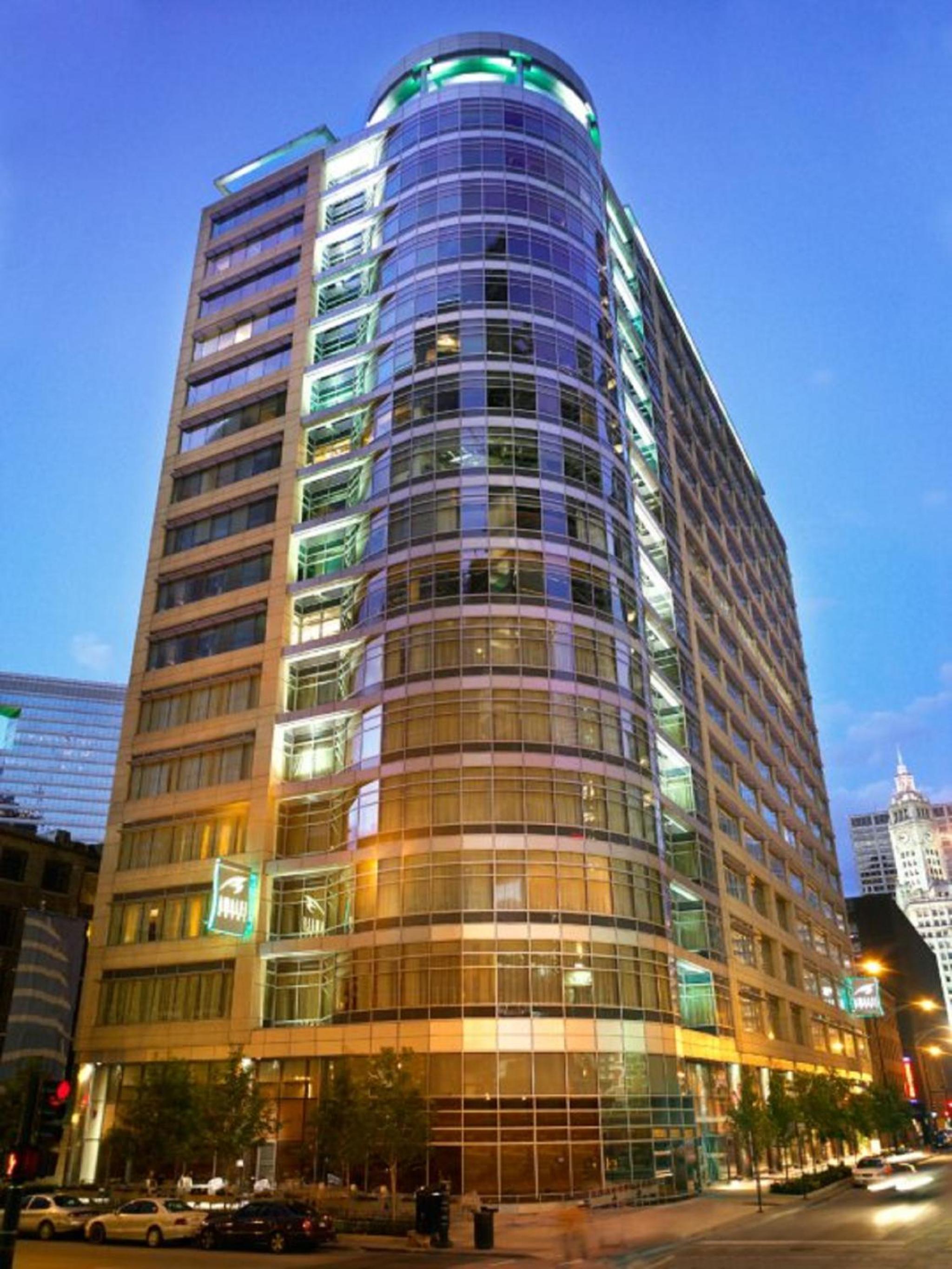
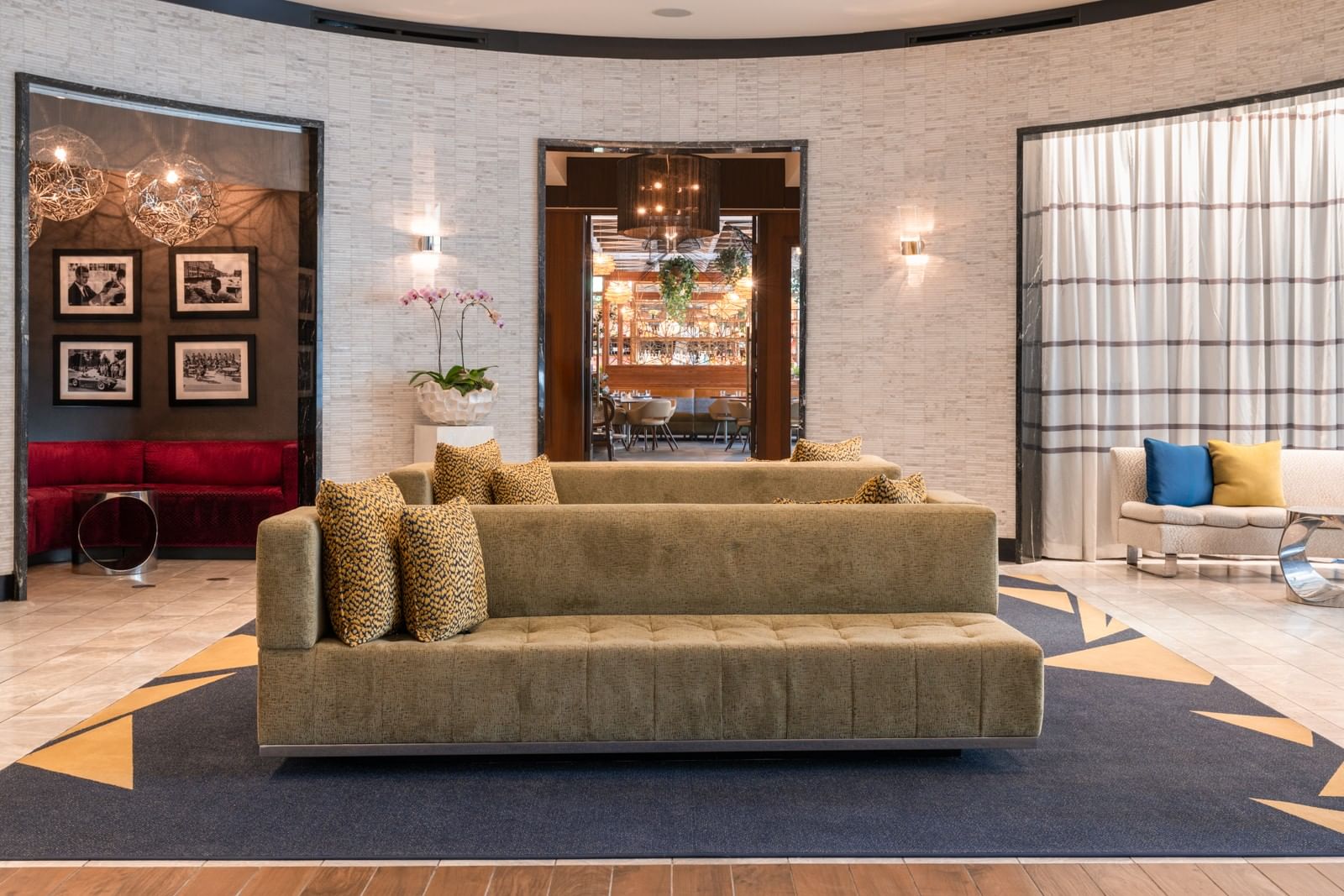
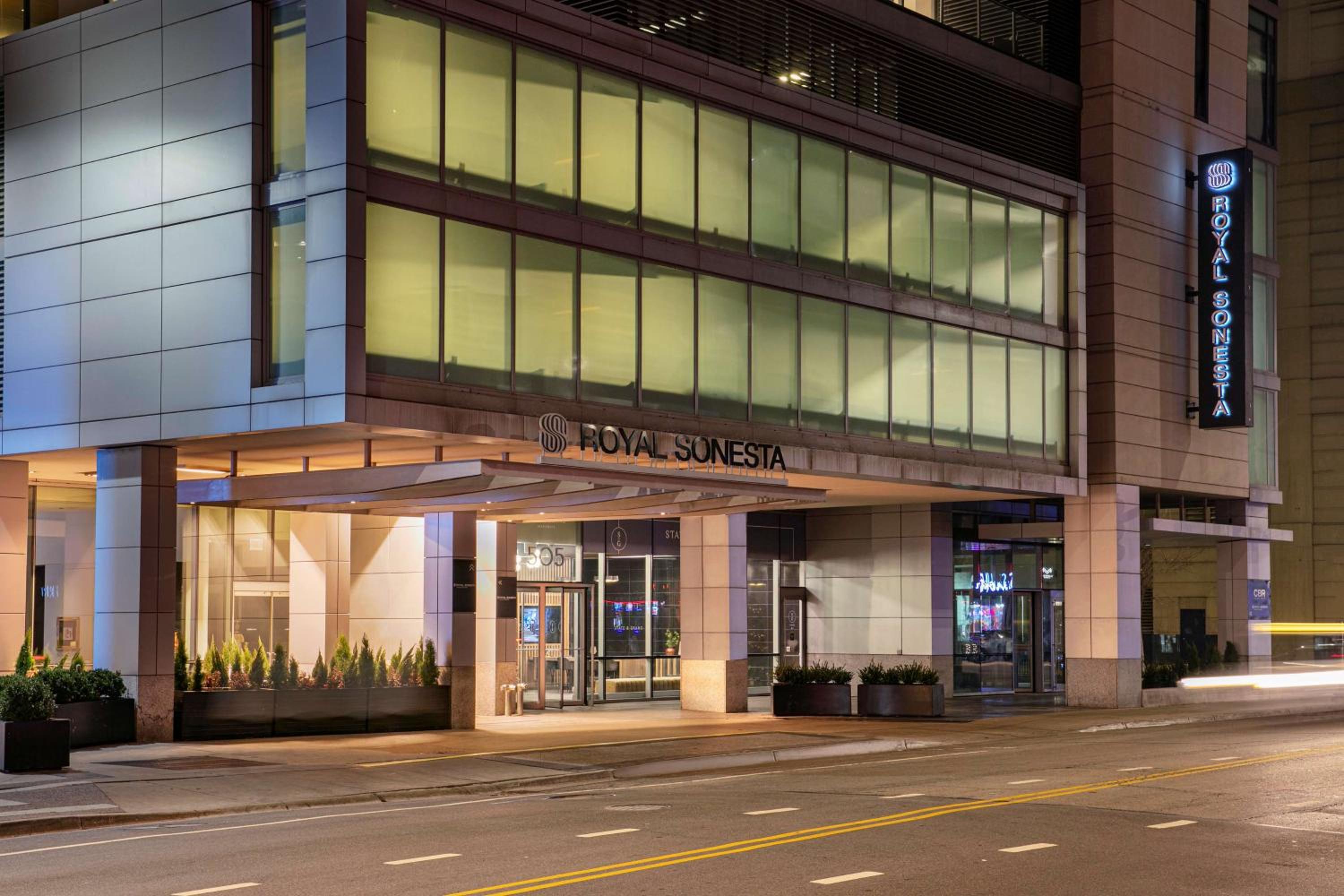
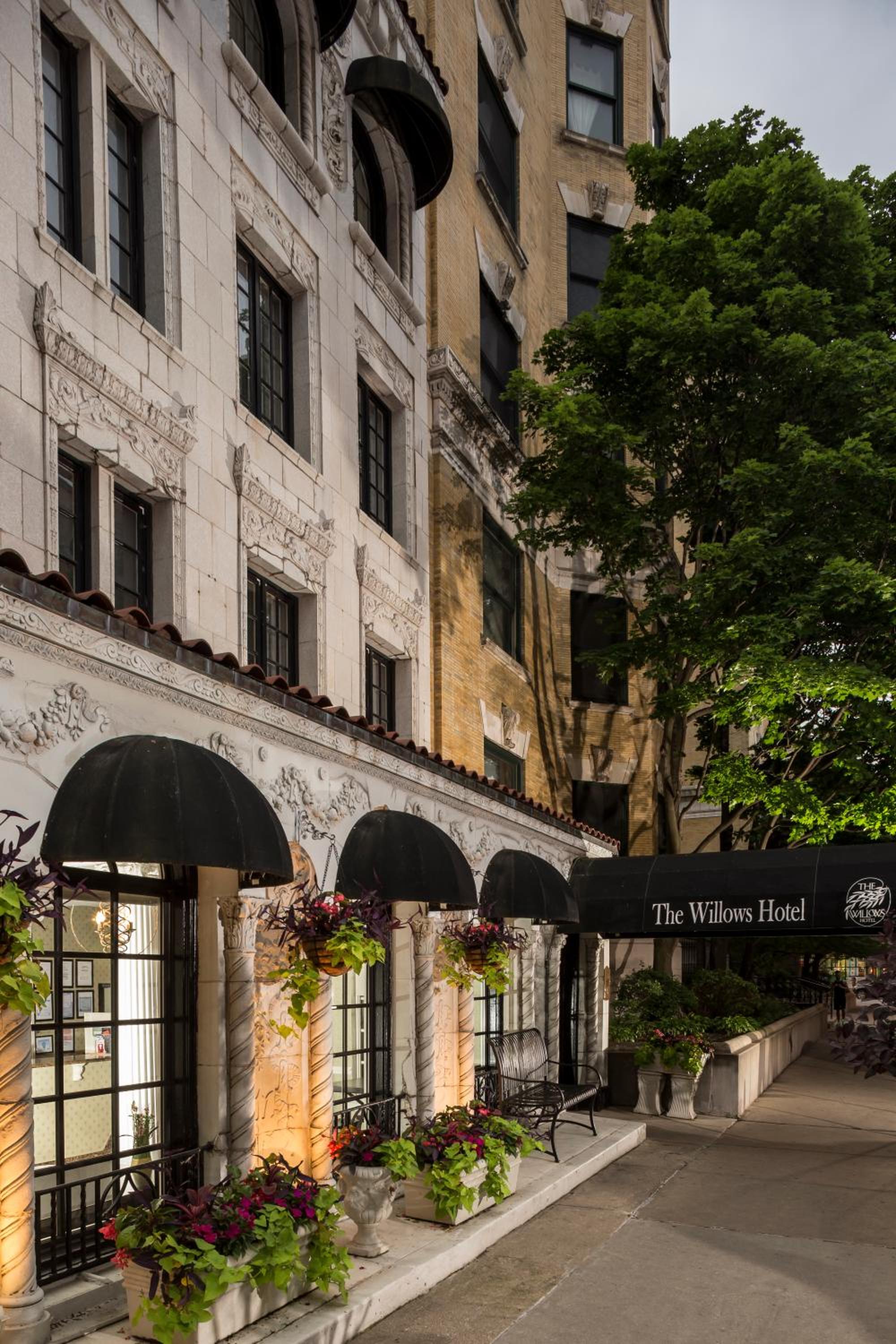
All 74 hotels in Chicago
- Arlo Chicago
- Arlo Chicago
- Canopy By Hilton Chicago Central Loop
- Chicago Athletic Association, a Hyatt Hotel
- Fairfield Inn and Suites Chicago Downtown-River North
- Fairmont Chicago at Millennium Park Gold Experience
- Four Seasons Chicago
- Hampton Inn & Suites Chicago Medical District Uic
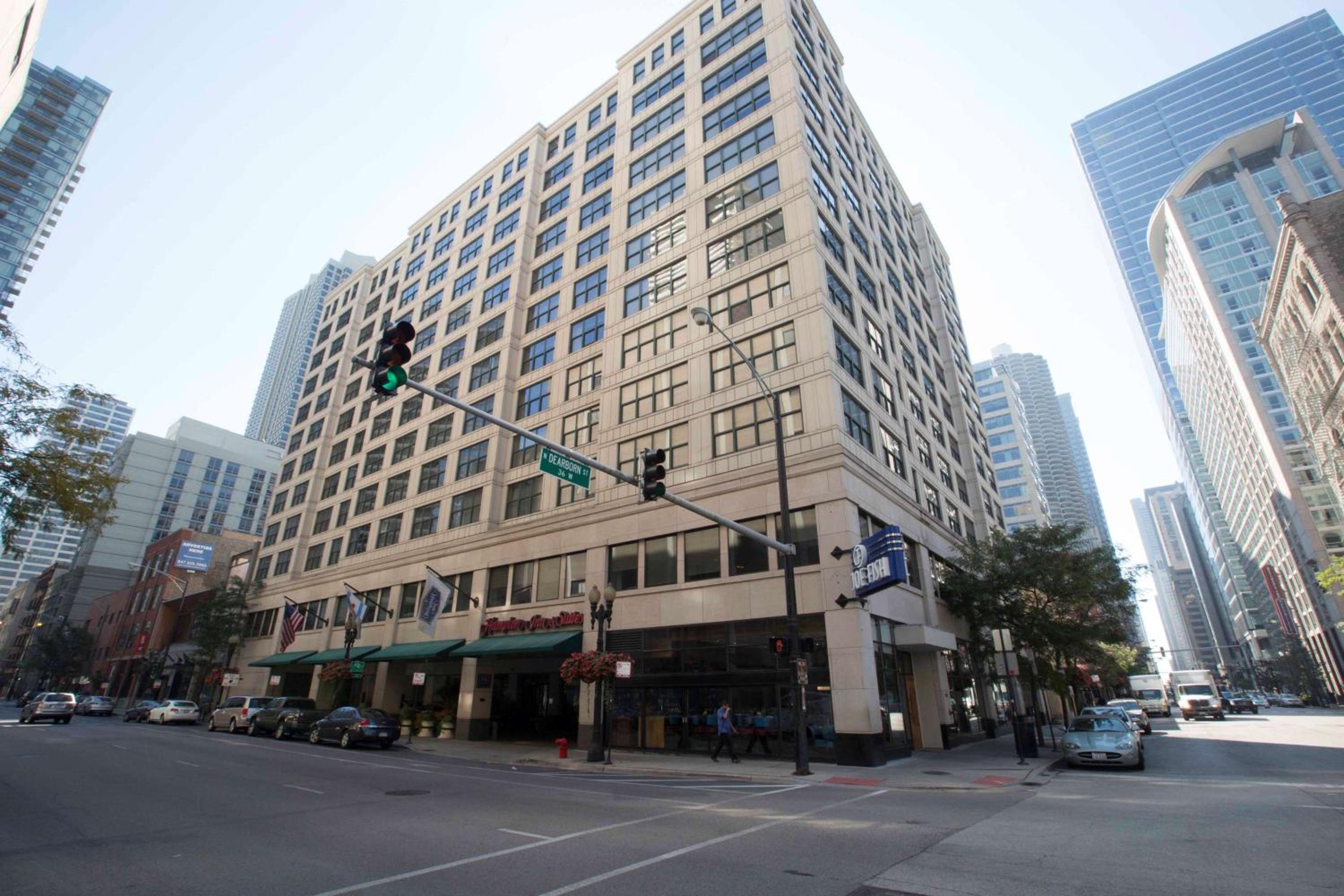
- Hampton Inn & Suites Chicago-Downtown
- Hampton Inn Chicago North-Loyola Station
- Hampton Inn Chicago-Midway Airport
- Hampton Inn Majestic Chicago Theatre District
- Hilton Garden Inn- Chicago Central Loop
- Hilton Vacation Club Hotel Blake Chicago
- Home2 Suites By Hilton Chicago McCormick Place
- Homewood Suites by Hilton Chicago West Loop Fulton Mkt Area
- Hotel 55 Chicago Downtown
- Hotel Chicago Downtown, Autograph Collection
- Hotel EMC2, Autograph Collection
- Hotel Zachary, Chicago, a Tribute Portfolio Hotel
- Hyatt Centric Chicago Magnificent Mile
- Hyatt House Chicago West Loop-Fulton Market
- Hyatt Place Chicago River North
- Hyatt Place Chicago Wicker Park
- JW Marriott Chicago
- Kasa Magnificent Mile Chicago
- Kimpton Gray Hotel Chicago by IHG
- Kinzie Hotel
- L7 Chicago by LOTTE
- Level Chicago - Fulton Market
- Level Chicago - River North
- Loews Chicago Hotel
- LondonHouse Chicago, Curio Collection by Hilton
- Moxy Chicago Downtown
- Nobu Hotel Chicago
- Nobu Hotel Chicago
- Park Hyatt Chicago
- Pendry Chicago
- Radisson Blu Aqua Hotel, Chicago
- Renaissance Chicago Downtown Hotel
- Residence Inn by Marriott Chicago Downtown / River North
- Residence Inn by Marriott Chicago Downtown Magnificent Mile
- Residence Inn Chicago Downtown/Loop
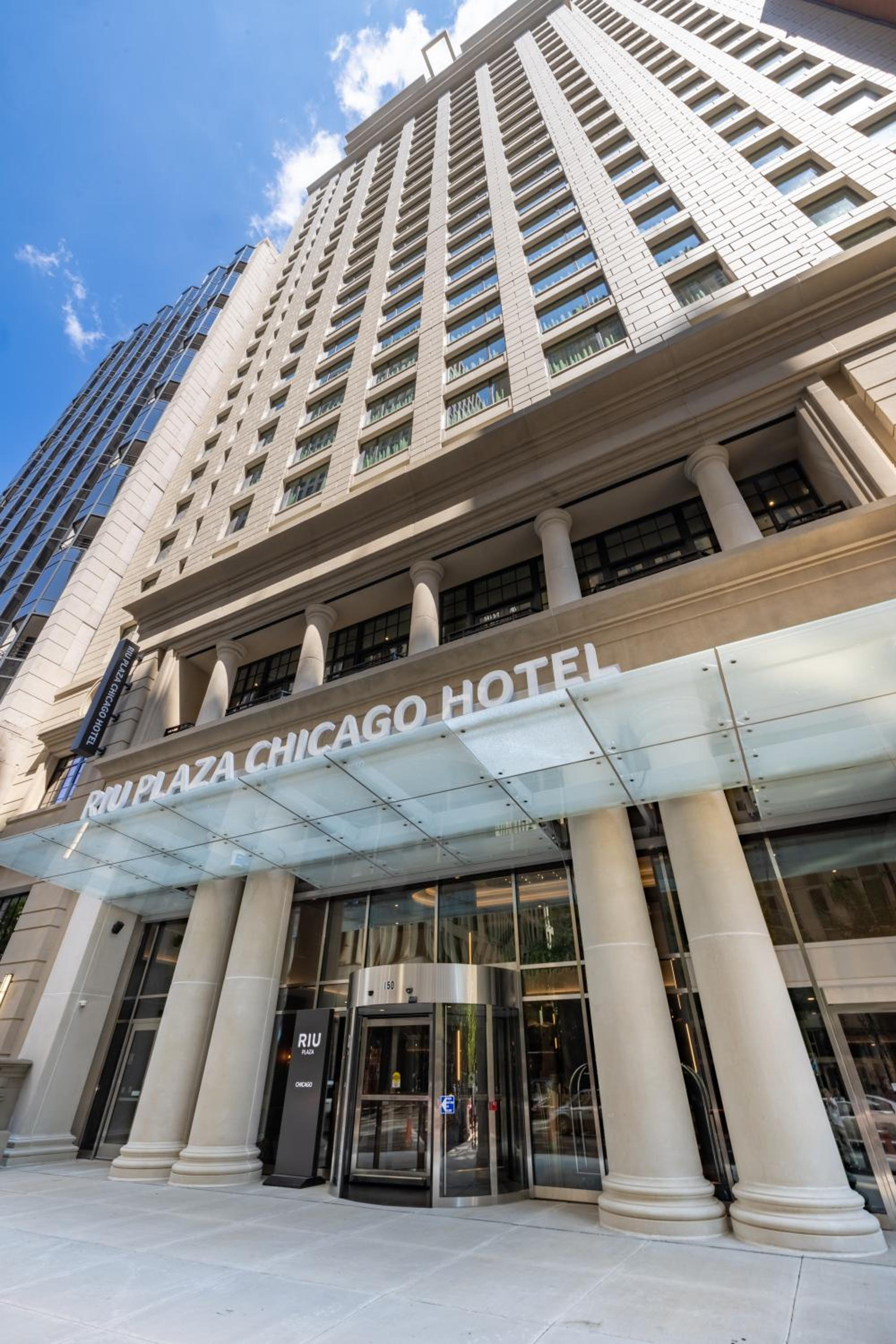
- Riu Plaza Chicago
- Sable At Navy Pier Chicago, Curio Collection By Hilton
- Sentral Michigan Avenue
- Silversmith Hotel Chicago Downtown
- Sofitel Chicago Magnificent Mile
- Sophy Hyde Park
- Sports Illustrated Resorts Chicago
- SpringHill Suites by Marriott Chicago Chinatown
- Springhill Suites by Marriott Chicago Downtown/ River North
- Staypineapple, An Iconic Hotel, The Loop
- The Godfrey Hotel Chicago
- The Guesthouse Hotel
- The Gwen, a Luxury Collection Hotel, Michigan Avenue Chicago
- The Hotel & Athletic Club at Midtown
- The Langham Chicago
- The LaSalle Chicago, Autograph Collection
- The Majestic Hotel
- The Neighborhood Hotel - Little Italy Studio
- The Peninsula Chicago
- The Ritz-Carlton, Chicago
- The Royal Sonesta Chicago Downtown
- The Royal Sonesta Chicago River North
- The Study at the University of Chicago
- The Talbott, Autograph Collection
- The Westin Chicago River North
- The Willows Hotel
- Thompson Chicago, by Hyatt
- Trump International Hotel & Tower Chicago
- Viceroy Chicago
- Viceroy Chicago
- Waldorf Astoria Chicago
Want the whole trip, not just a hotel?
Tell us your sport, dates and level. An expert builds the trip around you and replies on WhatsApp or by email.
About Chicago
Why running in Chicago
Chicago's running scene is anchored by the Lakefront Trail, a 18-mile path that hugs the shoreline of Lake Michigan. This route provides runners with unobstructed views of the city skyline, urban beaches, and lush parks. The terrain is predominantly flat, making it accessible for most levels, although some sections may experience congestion during peak times. Beyond the Lakefront, neighborhoods like Lincoln Park and Humboldt Park offer additional running paths, while the 606 Trail provides an elevated experience through lively districts such as Wicker Park and Logan Square. The city's emphasis on running is evident in its hosting of major events, including the Chicago Marathon, which winds through 29 neighborhoods, showcasing the city's varied landscape.
The running culture in Chicago is lively and inclusive, with a strong community spirit. Runners can often be seen training year-round, particularly in preparation for events like the Shamrock Shuffle and the Soldier Field 10. Popular areas for running include the Riverwalk, which connects to the Lakefront Trail, and local parks such as Jackson Park, known for its attractive paths. The city's climate can vary, with cold winters and warm summers, so runners should be prepared for changing conditions. The camaraderie among local runners fosters a supportive environment, making it easy for newcomers to join in.
On a rest day in Chicago, travelers can explore the lively Lincoln Park neighborhood, home to the free Lincoln Park Zoo and the impressive Lincoln Park Conservatory. For those interested in world-class exhibits, a visit to the Field Museum is a must to see the famous Titanosaur, or you can head to the Griffin Museum of Science and Industry to explore its iconic U-505 submarine. Food lovers will enjoy the Green City Market, which features a great selection of local produce and artisanal goods.
Highlights
Lakefront Trail for long runs
The 18.5-mile Lakefront Trail offers impressive views of Lake Michigan and the Chicago skyline.
Challenging weather conditions
Cold winters and hot summers can affect running; dress appropriately for the conditions.
Flat urban terrain
Chicago's urban routes, including the Riverwalk, are generally flat and suitable for speed training, but some areas can be crowded.
Access to top-notch tracks
Chicago features several high-quality tracks and trails for speed work and interval training.
Best seasons for running in Chicago
- May - October
The best time for running in Chicago spans from late spring to early fall, specifically from May to October. During these months, runners can enjoy warmer temperatures and longer daylight hours, giving great opportunities for outdoor activities along popular routes like the Lakefront Trail. September and October are particularly pleasant, as the weather is mild and the summer crowds have diminished, allowing for a more enjoyable running experience.
While summer offers lively outdoor events and activities, it can also bring high humidity and heat, which may be challenging for some runners. Early mornings are recommended during these peak months to avoid the heat. Runners should also consider the time of day when planning their runs, as temperatures tend to be cooler in the early morning and late evening. Overall, Chicago's running community thrives from spring through fall, creating an excellent time for runners to explore the city. However, caution is advised when running in crowded areas or during peak traffic times, as some routes may have heavy pedestrian and vehicle traffic.
Running in Chicago: questions
Practical answers about running in Chicago.
Chicago's Lakefront Trail can get crowded, especially on weekends, which may disrupt pacing. Additionally, while the trail is mostly flat, some sections may have uneven surfaces or sudden wind changes near the lake. Runners should also be cautious of traffic when crossing streets in busy downtown areas and be aware of hazards such as construction or rapid weather shifts.
Chicago offers a variety of routes, including the 18.5-mile Lakefront Trail, which provides uninterrupted views of Lake Michigan and the skyline. Other notable paths include the 2.7-mile Bloomingdale Trail (The 606) and the North Branch Trail, which stretches for about 20 miles. Each route offers a different experience, from urban landscapes to scenic, wooded environments.
Yes, Chicago has numerous running clubs that welcome all levels. Groups like the Chicago Slow Run Club and CARA (Chicago Area Runners Association) specifically cater to all paces, ensuring that no one is left behind. Many stores also offer structured meetups to help new runners feel supported.
Properly fitted running shoes are crucial. Local stores like Fleet Feet or Running Away offer expert fittings. Additionally, moisture-wicking clothing is recommended to avoid chafing, and carrying water is essential, especially on humid summer days along the Lakefront Trail.
The peak running season spans from March through October, with September and October being particularly pleasant due to cooler temperatures and the excitement surrounding the Chicago Marathon. Early mornings are popular for long runs to avoid the midday heat and the peak tourist crowds on the trail.
Running trips before anyone else, and off your first booking.
Early access to new running trips and limited-spot offers. No fees. Sign up in under a minute.
Not your thing?
Every hosted trip we run, in every sport, not only running.
Want it built around you?
Sport, place, rough dates. We read every brief and come back with trips, stays or a plan.