

Cycling in Algarve Coast
8 stays from £70 a night
Why cycling in Algarve Coast?
The Algarve Coast, stretching along the southernmost region of Portugal, is a compelling cycling destination with its varied terrain and dramatic Atlantic views. Cyclists can explore the Ecovia do Litoral, a coastal route of approximately 214 kilometers that spans from Cabo de São Vicente to Vila Real de Santo António at the Spanish border; however, riders should expect a mixed-surface experience featuring asphalt, gravel, and dirt paths rather than a consistently smooth ride. For those seeking a challenge, the Serra de Monchique presents a variety of demanding climbs, including the ascent to Fóia, the highest point in the Algarve at 902 meters. These geographical features, combined with the region's mild climate—best enjoyed from autumn to spring to avoid the extreme summer heat—make it a popular hub for cyclists.
Cycling culture is growing on the Algarve Coast, with routes catering to different skill levels, though infrastructure quality varies. The area north of the N125 is highly favored by road cyclists for its better-maintained surfaces and lighter traffic compared to the congested coastal artery. In contrast, urban areas like Albufeira and Lagos require significant caution due to heavy tourist traffic and narrow roads. The annual Volta ao Algarve, a prestigious UCI ProSeries stage race, highlights the region's importance, attracting elite teams to tackle grueling stages like the steep Alto do Malhão. This event solidifies the Algarve's reputation as a serious training and racing ground.
On rest days, cyclists can explore the Ria Formosa Natural Park, a unique coastal lagoon system that provides a scenic setting for active recovery. While the Algarve is continuously developing its cycling network, accessibility depends on the equipment used, as many scenic trails are best suited for hybrid or mountain bikes. For those looking to maintain low-intensity activity, the flat, unpaved trails within the park offer a chance to unwind while enjoying the Algarve's protected natural landscapes and diverse birdlife.
Highlights
Pro teams train in Algarve
Top cycling teams choose Algarve Coast for winter training due to its mild climate and excellent road conditions.
Easy access from major cities
Faro Airport gives direct flights from numerous European capitals, making travel to Algarve Coast convenient for cyclists.
Great conditions for cycling
Stable temperatures and prevailing winds favor eastbound rides along the Atlantic coast, improving the cycling experience.
Relax in Caldas de Monchique
Cyclists can unwind at the thermal springs in Caldas de Monchique, good for recovery after challenging rides.
Destination
Destination
Where to stay
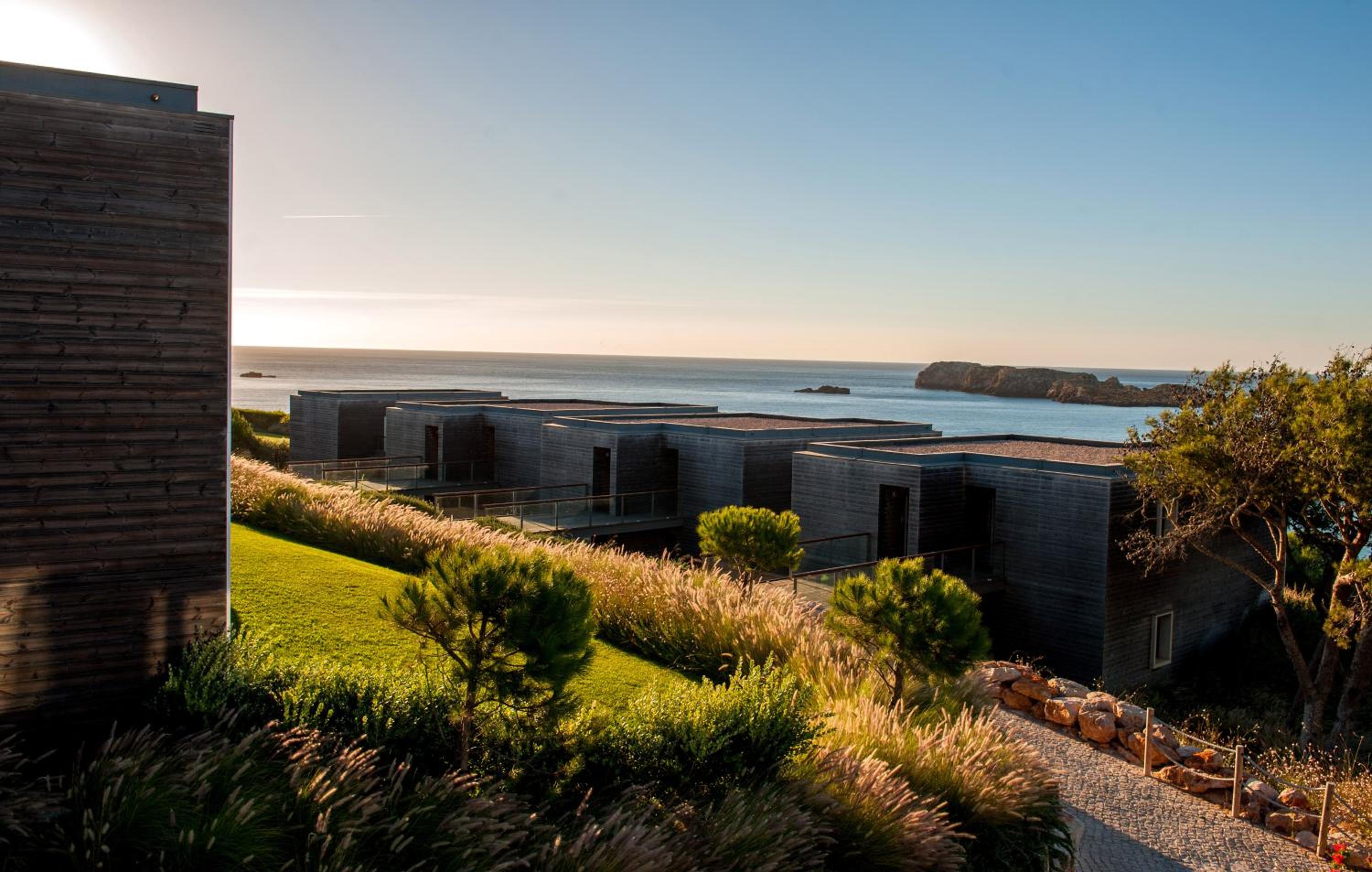
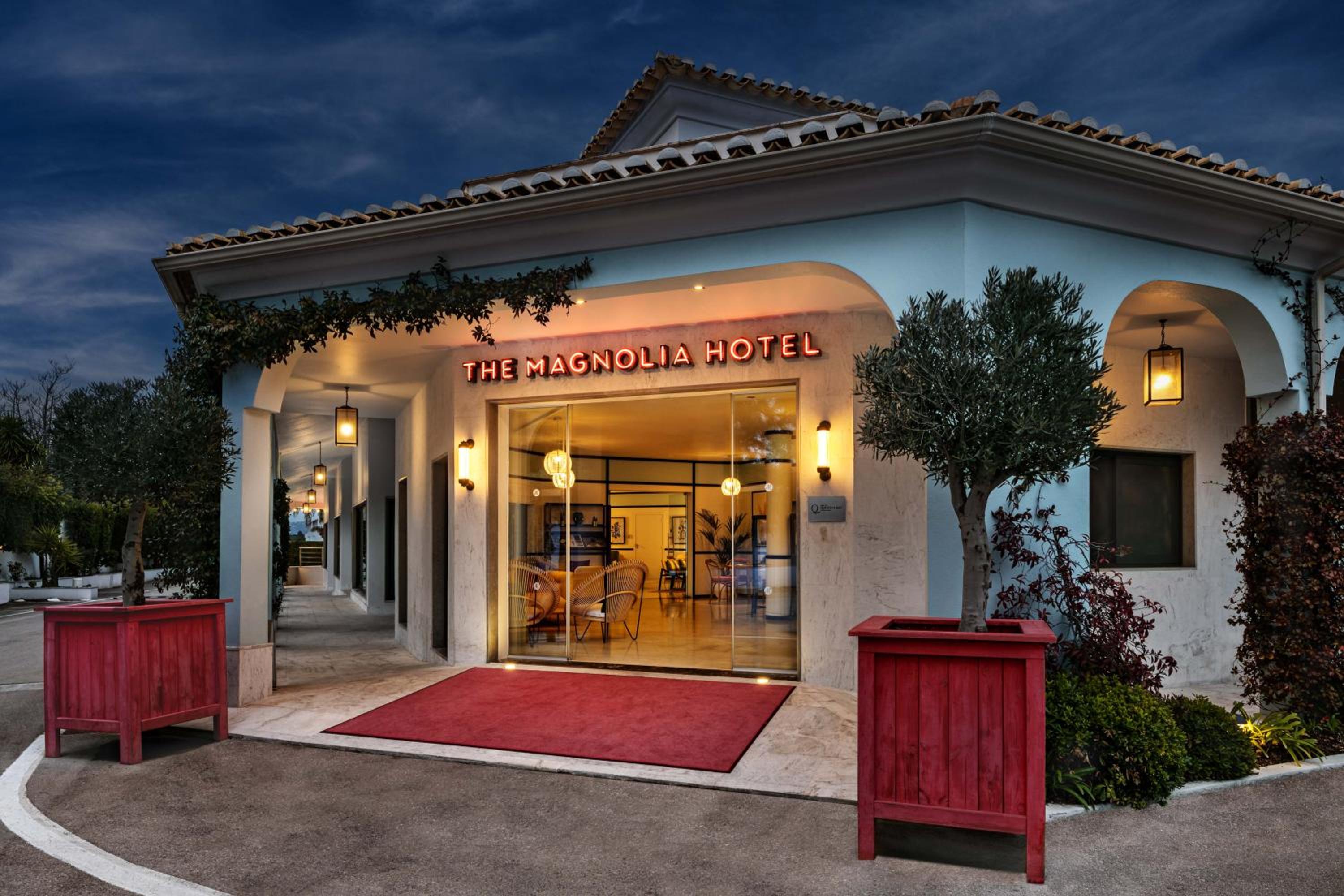
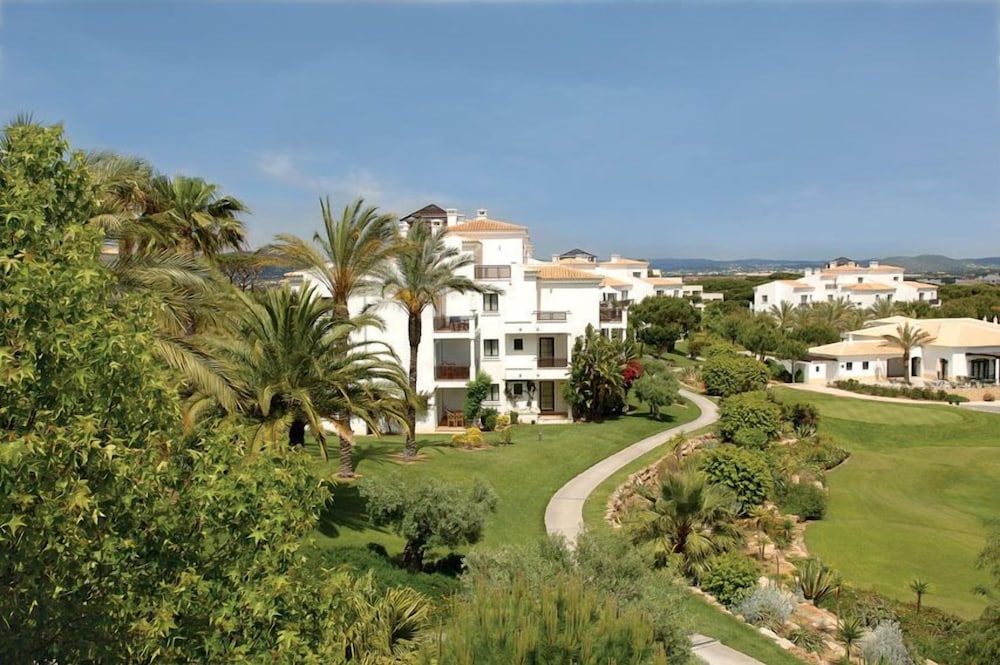
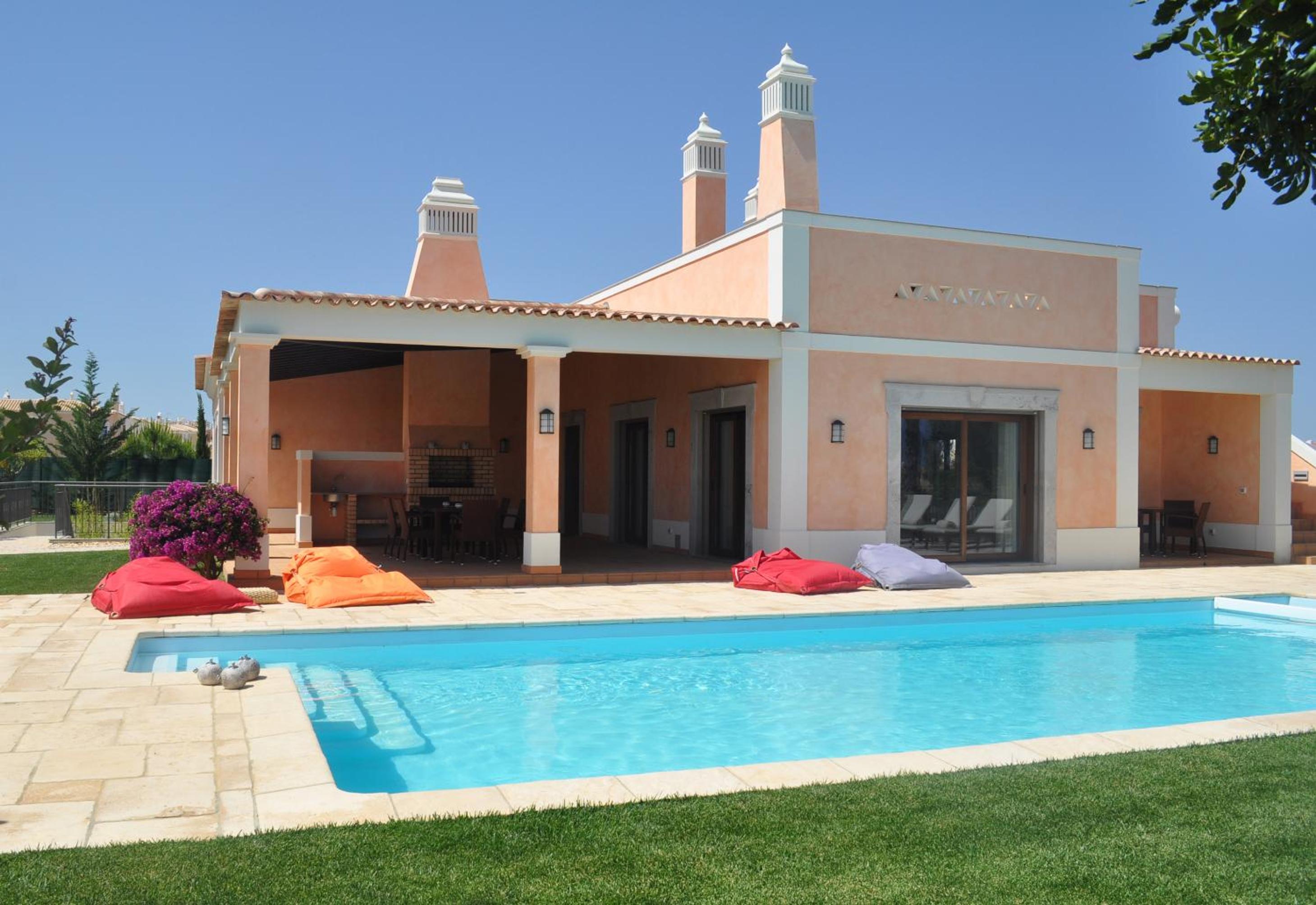
8 curated stays ·
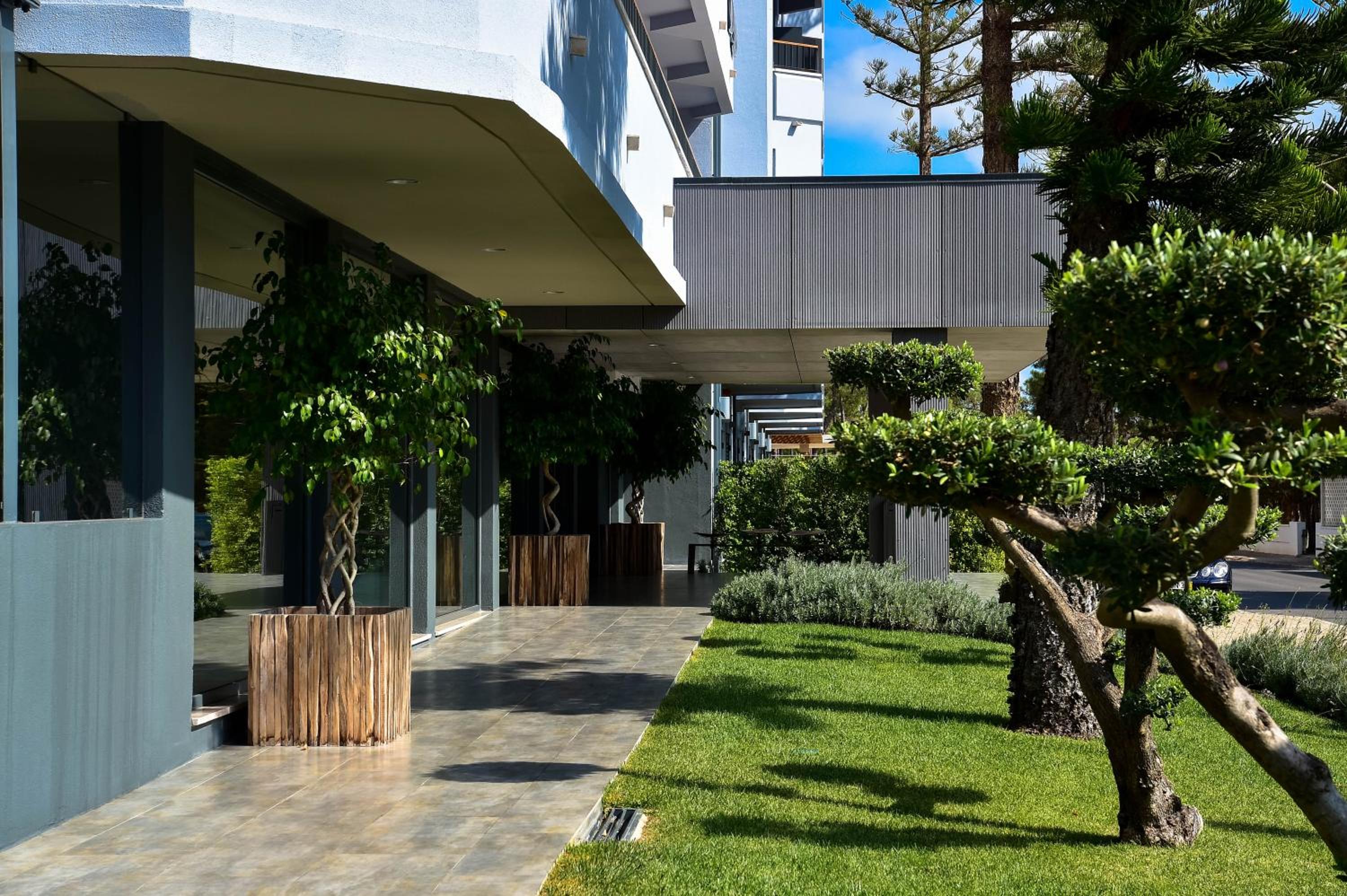
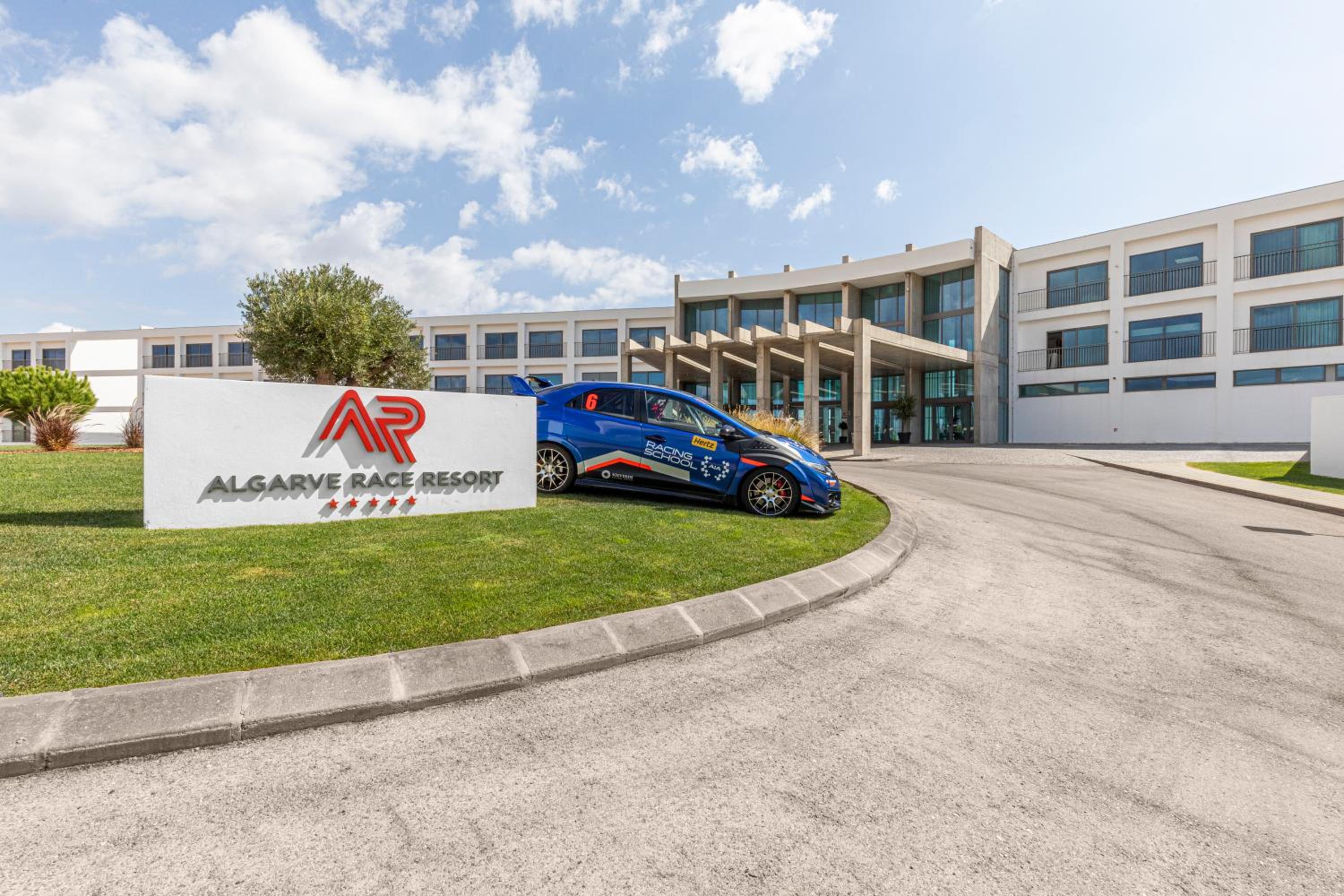
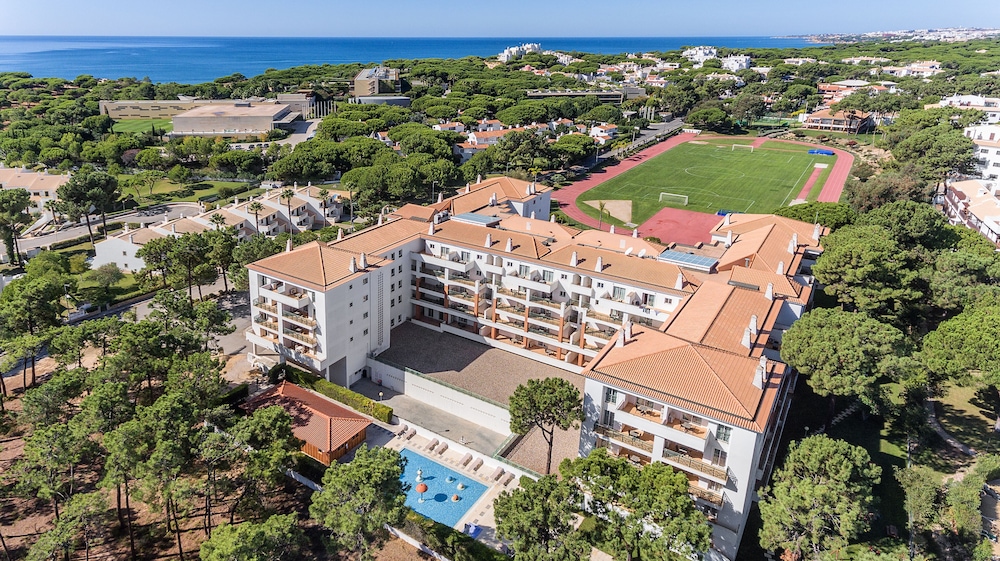
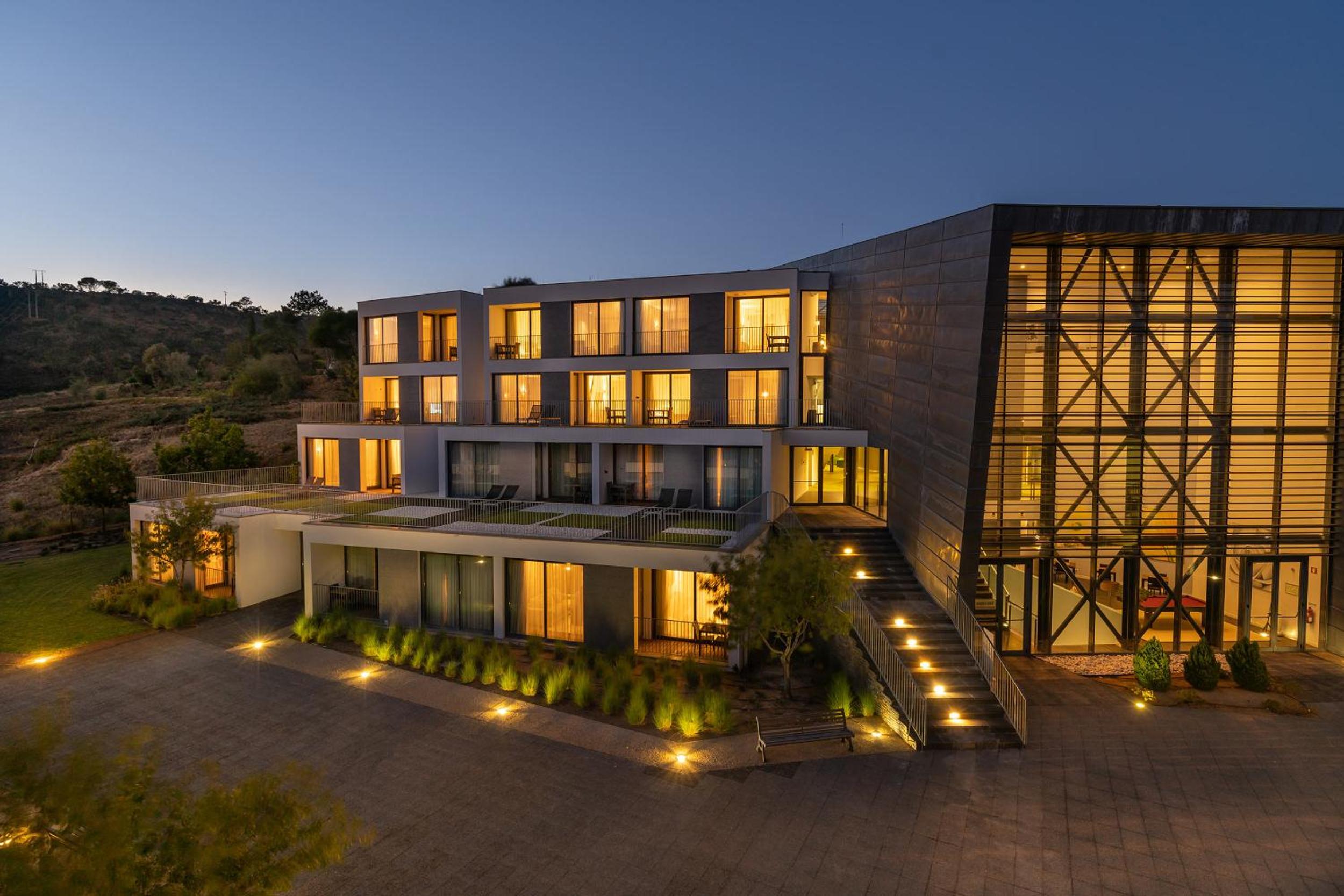
When to visit
Best seasons for cycling in Algarve Coast
The best time to cycle along the Algarve Coast is from mid-February to May and from September to October. During these months, the weather is pleasant and there are fewer tourists than in summer. Early spring is especially beautiful because almond trees are in bloom, creating scenic views along the routes. Mornings can be cool, around 10°C, with daytime temperatures near 19°C, so wearing layers is recommended.
February 2026 is particularly attractive for cyclists due to major events like the Volta ao Algarve stage race (Feb 18–22) and the Algarve Granfondo (Feb 21), which lets amateur riders experience professional routes. In contrast, summer months are very hot and busy, with temperatures above 35°C and heavy traffic. In spring, riders should also be prepared for strong afternoon winds from the Atlantic and may benefit from planning routes from west to east for a helpful tailwind.
Frequently asked questions
Practical answers about cycling in Algarve Coast: weather, families, highlights and more.
The Algarve Coast features the Ecovia do Litoral, a coastal route with minimal elevation. However, beginners should know that large sections are unpaved (gravel and dirt), making it better suited for hybrid or mountain bikes than road bikes. For a challenge, the Serra de Monchique offers elite-level climbs like Fóia (902m) and Alto do Malhão. Crucial: Avoid the N125 main road whenever possible; it is notoriously dangerous for cyclists due to heavy traffic and high speeds.
Bike rentals are accessible and practical, giving a range of options for different needs. It's crucial to check the bike's frame size and gear setup, especially for tackling climbs like those in Serra de Monchique. Compact chainsets are advised for easier handling of steep gradients. activity
Yes, but with caveats. The Ecovia do Litoral is flat, but its irregular surfaces and occasional gaps in signage require basic bike handling skills and a GPS. Beginners should stick to the eastern section (Tavira to Vila Real) where the paths are generally more manageable. For a stress-free experience, consider the Ecopista do Rio Guadiana or trails within the Ria Formosa, which offer smoother, safer paths away from cars. activity