

Cycling holidays in France
3 destinations · 67 hotels for cycling
Where to go in France
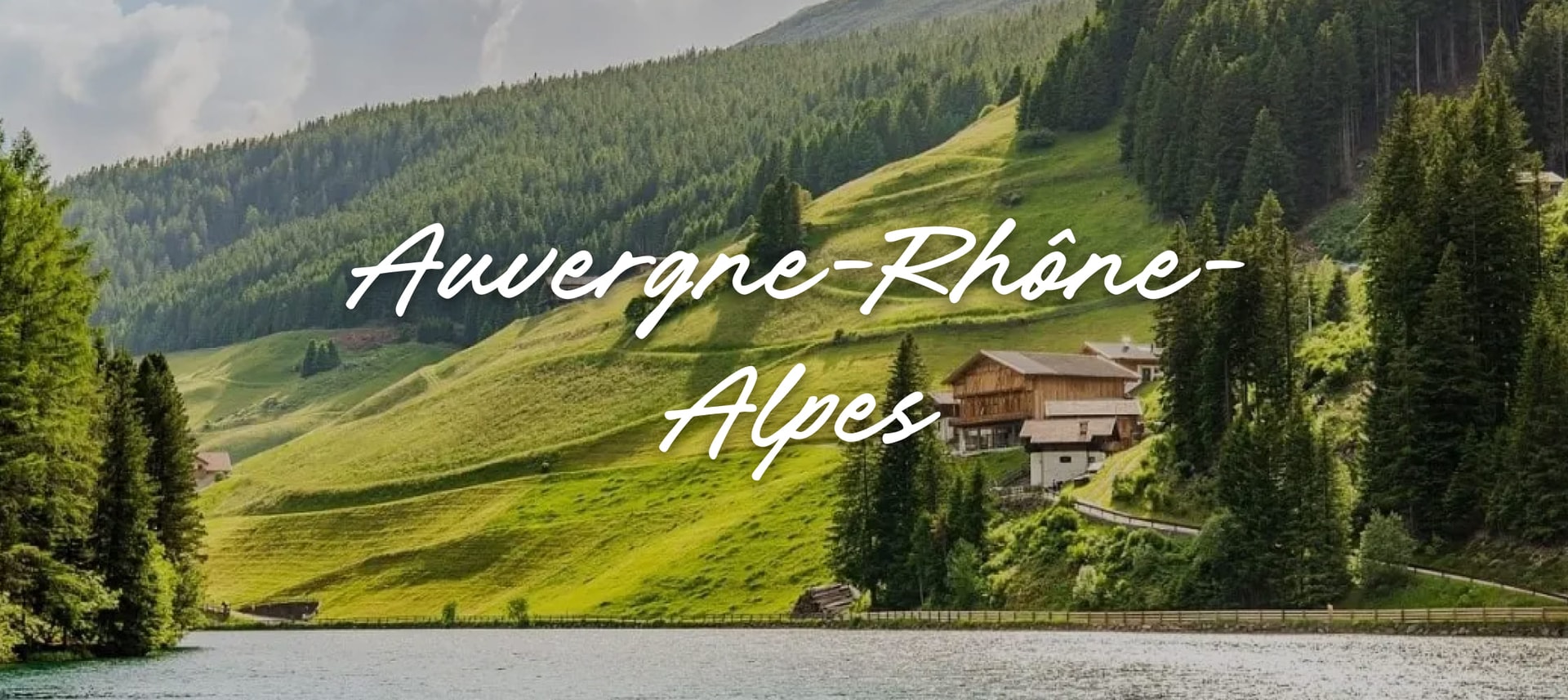
Auvergne-Rhone-Alpes
Best June - September · 48 cycling hotels
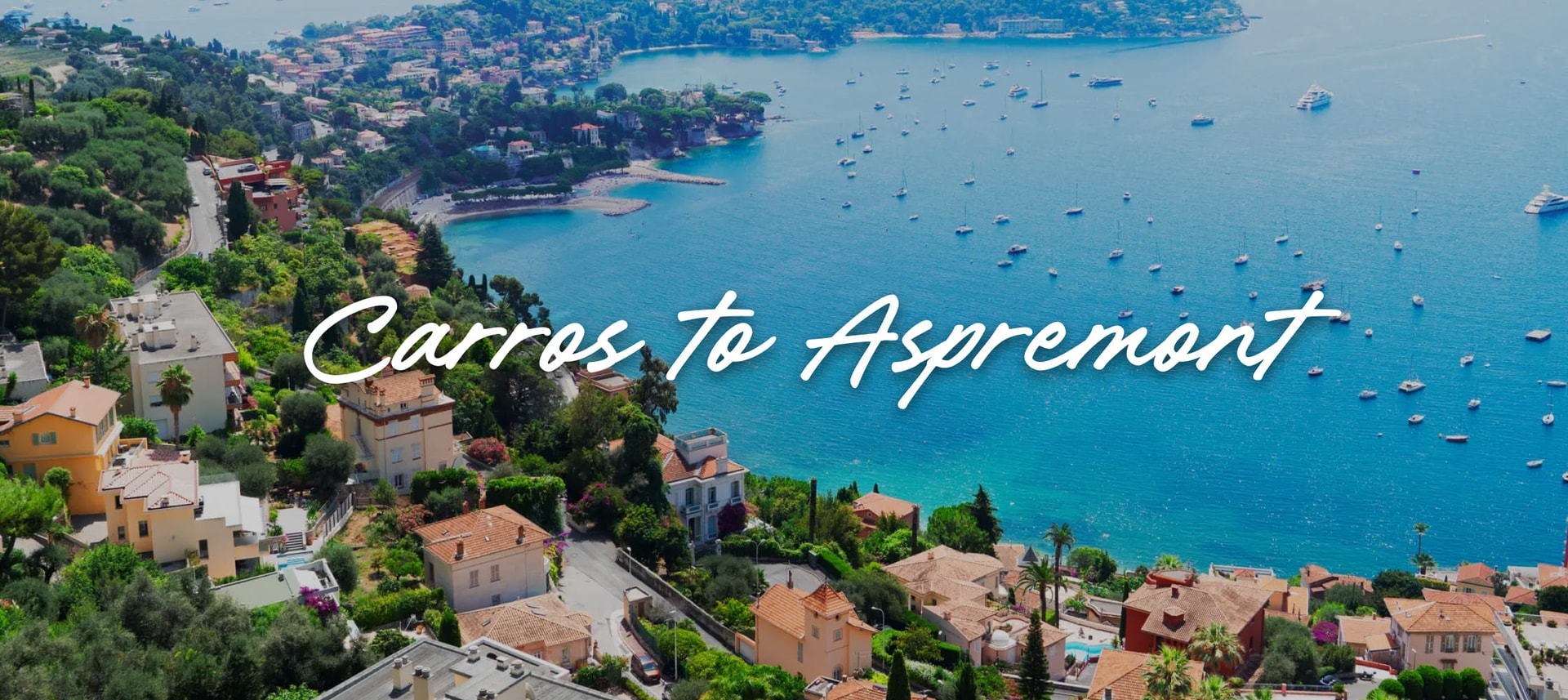
Carros to Aspremont
Best March - October · 5 cycling hotels
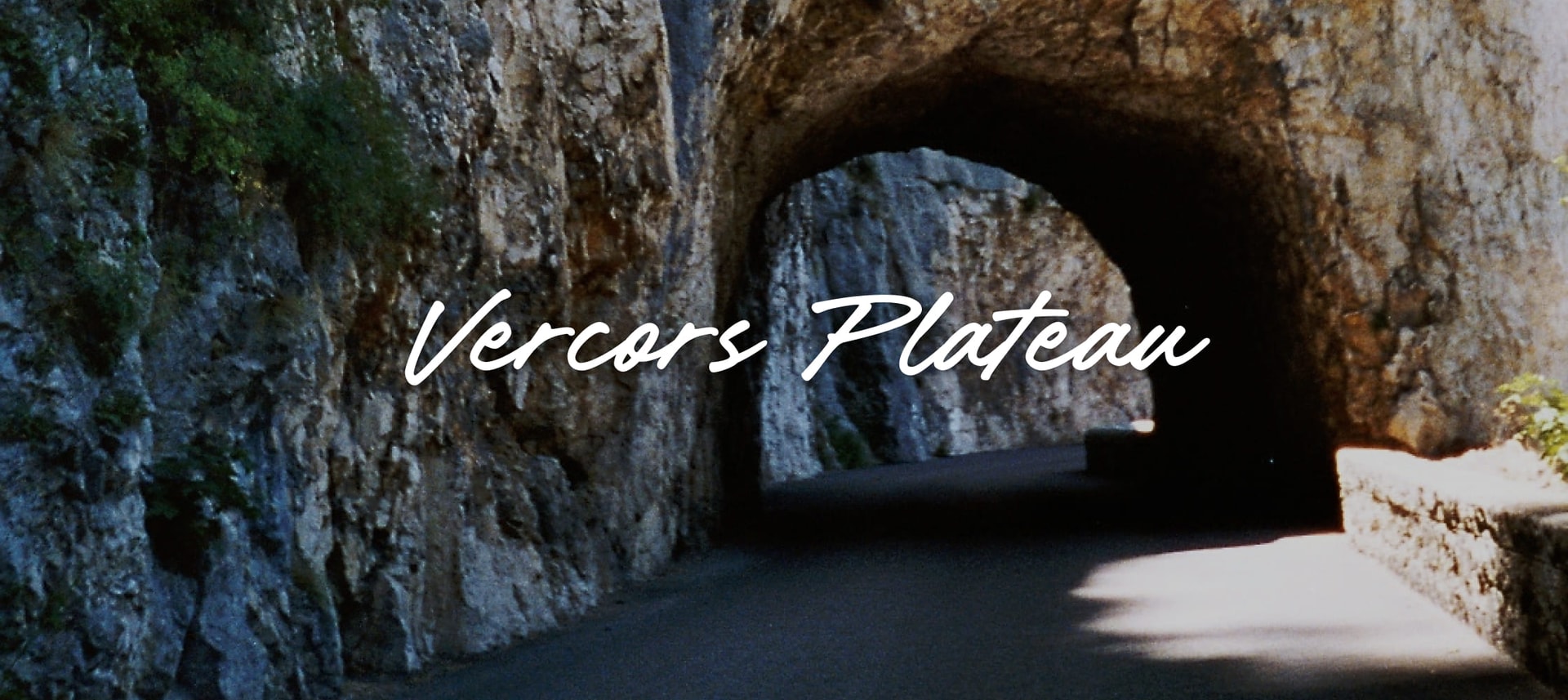
Vercors Plateau
Best May - October · 2 cycling hotels
Why cycling in France?
Mont Ventoux and Alpe d’Huez put serious climbing on the agenda, while the Atlantic and Mediterranean coasts bring a different rhythm to the saddle. La Loire à Vélo follows the river, while the Vélodyssée crosses Brittany and follows the Atlantic coast towards the Basque Coast. ViaRhôna runs from the Swiss border to the Mediterranean, passing through southern Provence.
Marked long-distance cycling routes cater for all levels. The Vélodyssée is signed in both directions between Roscoff and Hendaye. La Vélomaritime includes a large section of shared roads, so traffic needs to be factored into route planning. France’s climate varies by region: the west has a mild Atlantic climate, central and eastern areas see sharper seasonal shifts, and southern summers are hot. Good cycling conditions are possible across much of France from early spring to late autumn.
Mont Ventoux and Alpe d’Huez offer major climbs for road cyclists. ViaRhôna runs from the Swiss border to the Mediterranean, while La Loire à Vélo follows the river and the Vélodyssée tracks the Atlantic coast.
Highlights
Tour roads cross France
The Tour de France route changes yearly, crossing Alpine passes, Pyrenean climbs and France’s shores.
Ride the Loire à Vélo
The signposted route follows the Loire River on well-surfaced paths and roads.
Swim after Alpine climbs
Annecy pairs Aravis climbs with lake swims and a lakeside cycle path for recovery days.
Col de la Loze's bike-only finish
The final 6 km follow a bike-only path, with sharp gradient changes and ramps beyond 20%.
Destination
Destination
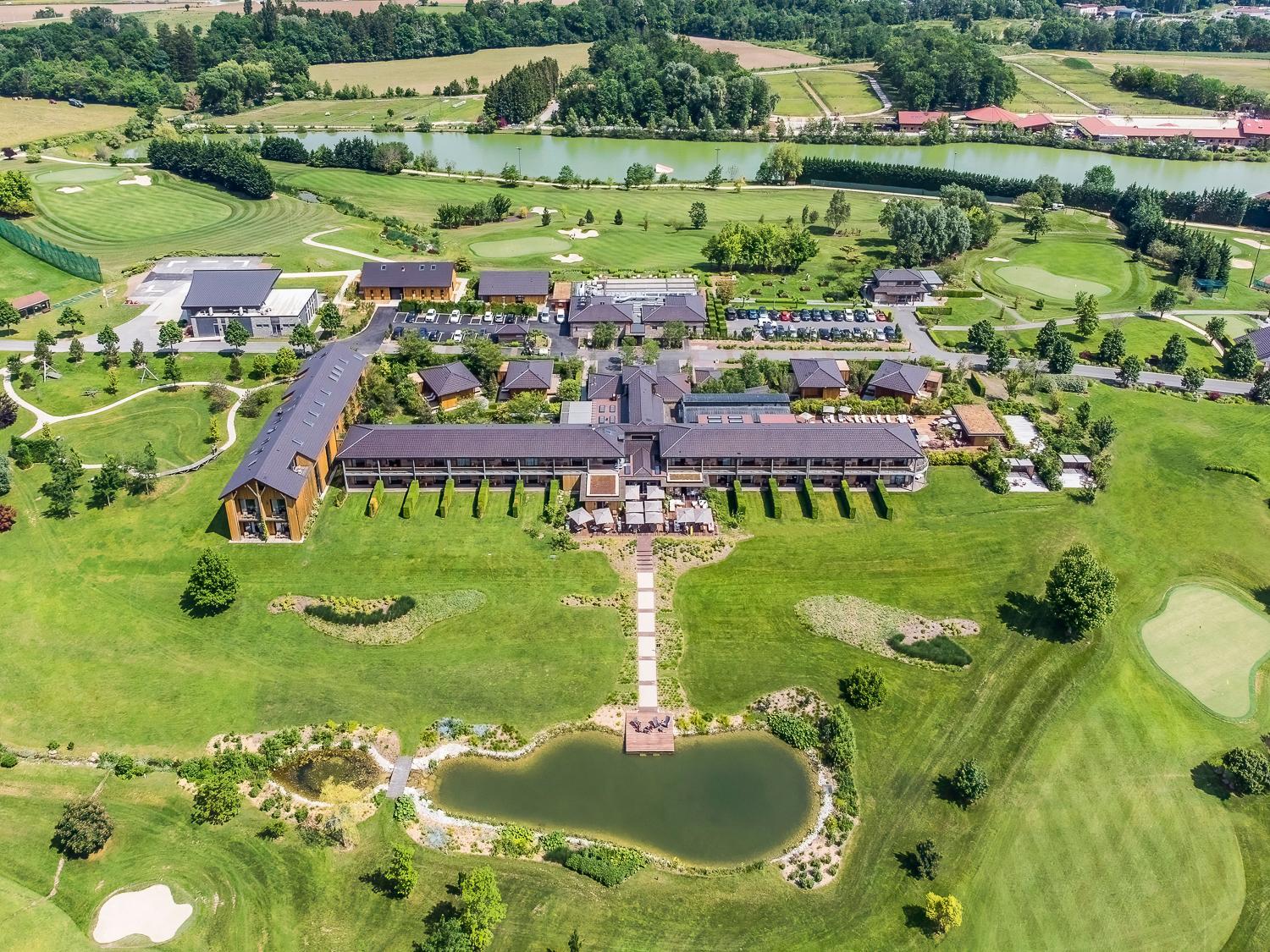
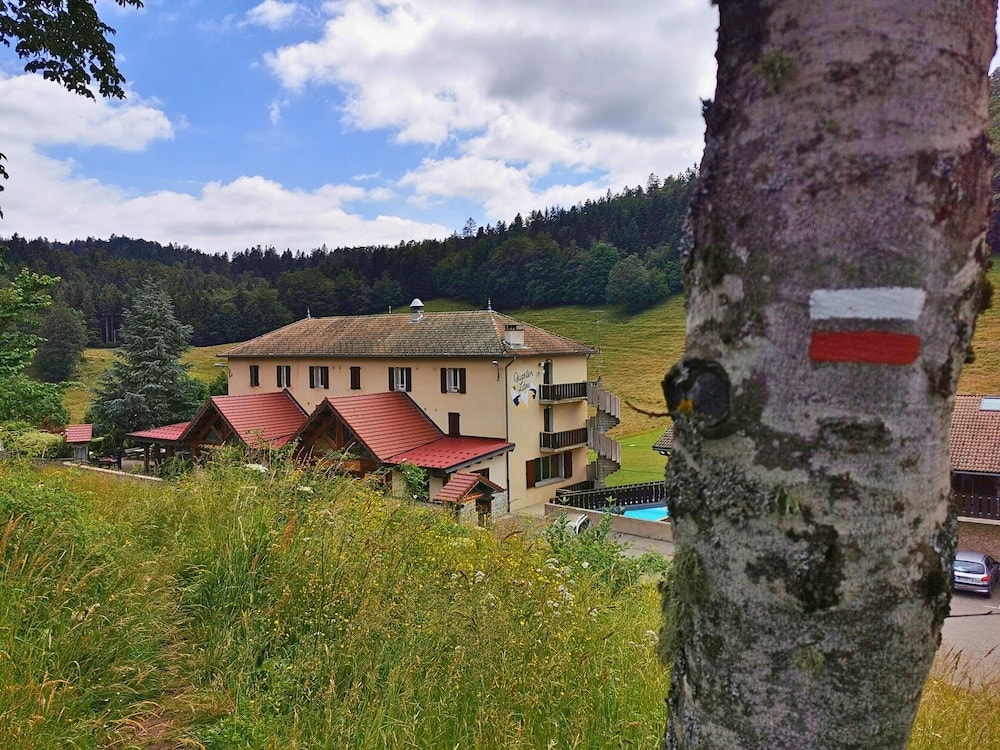
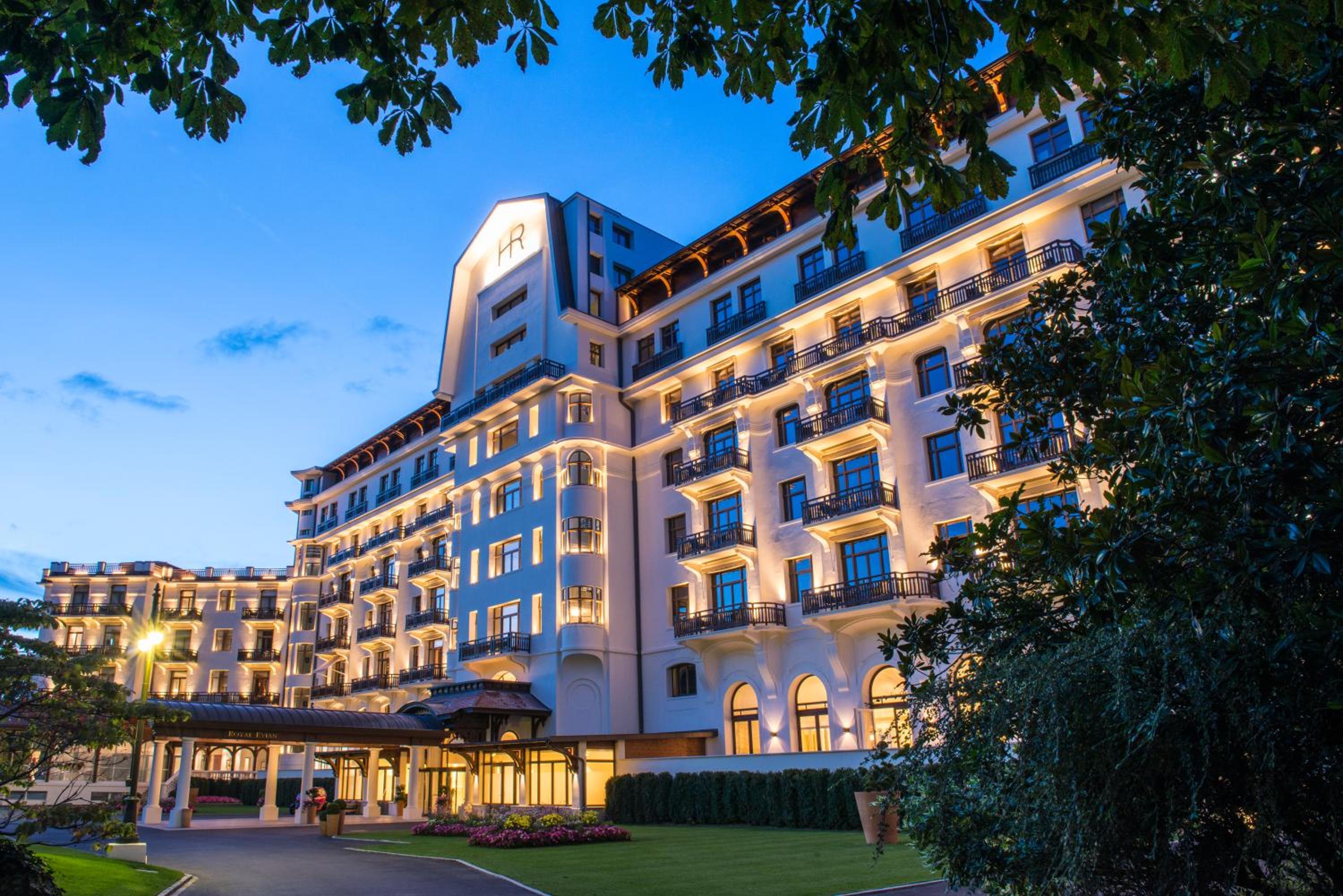
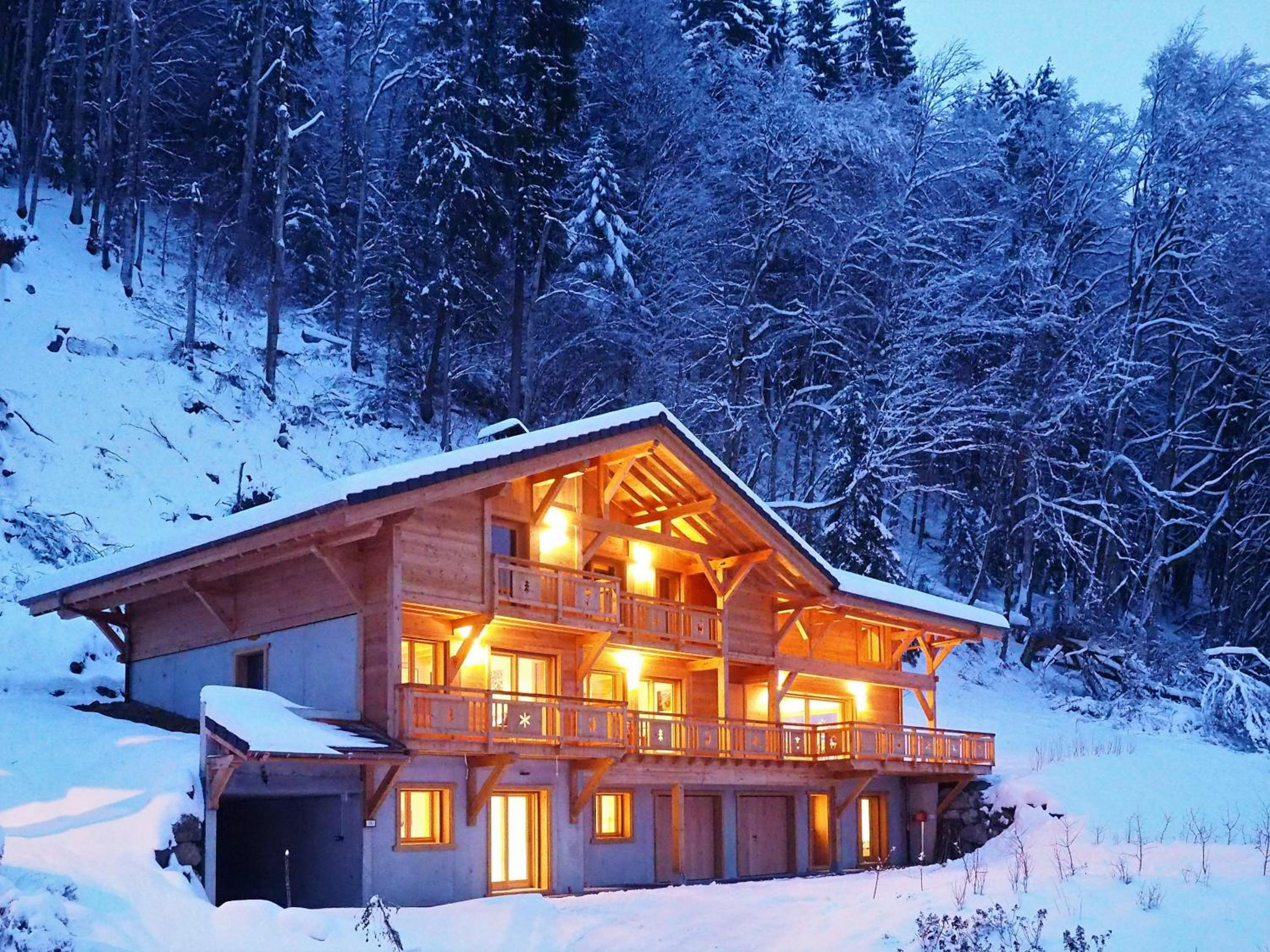
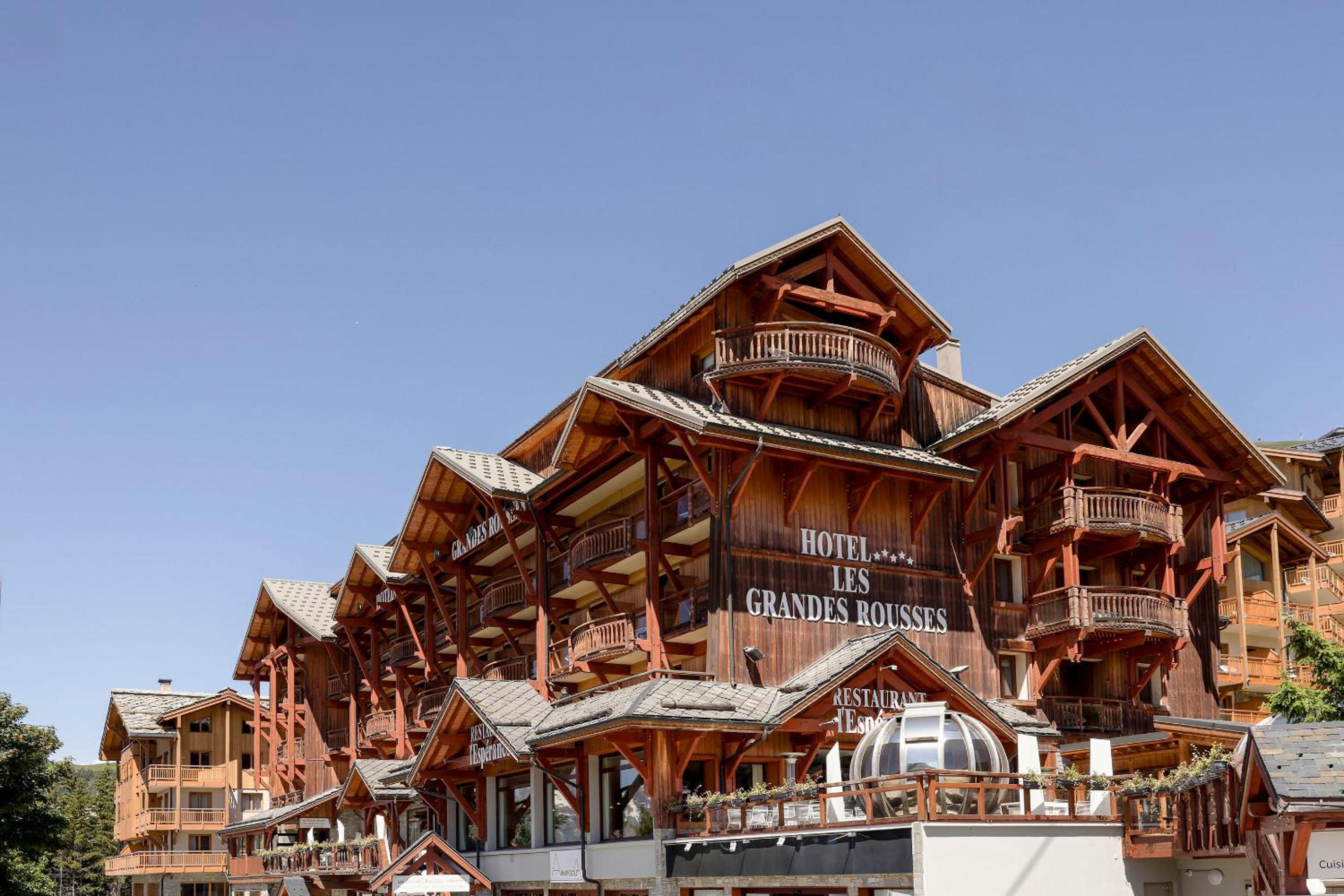
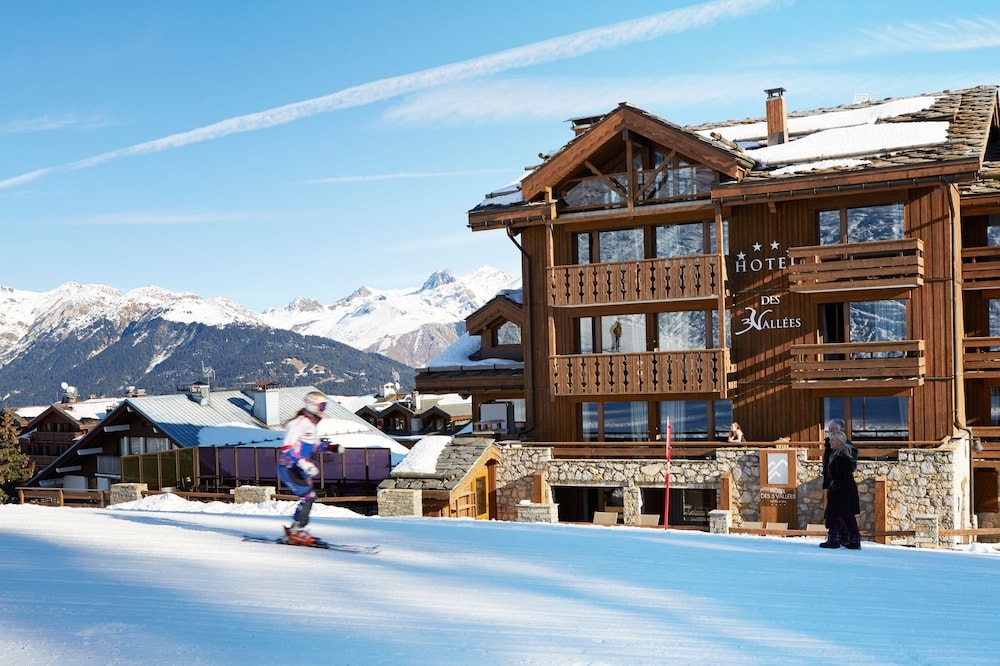
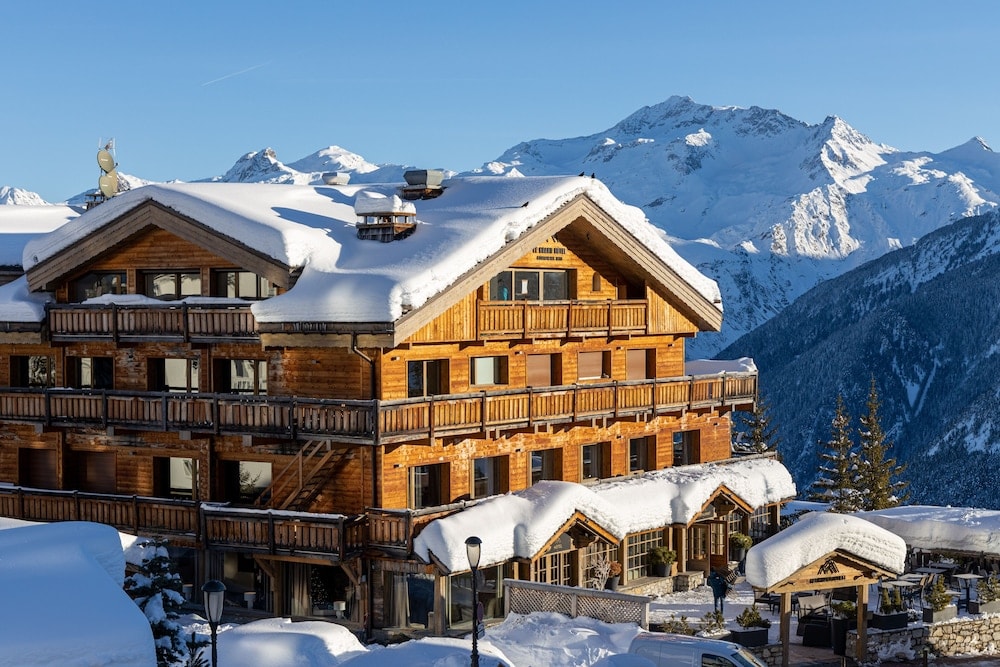
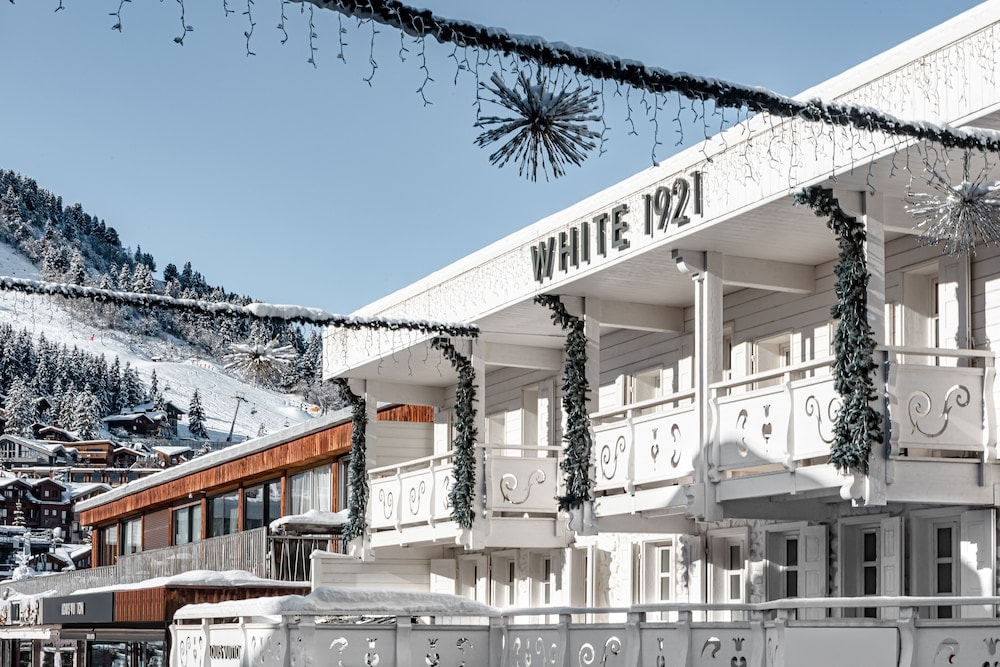
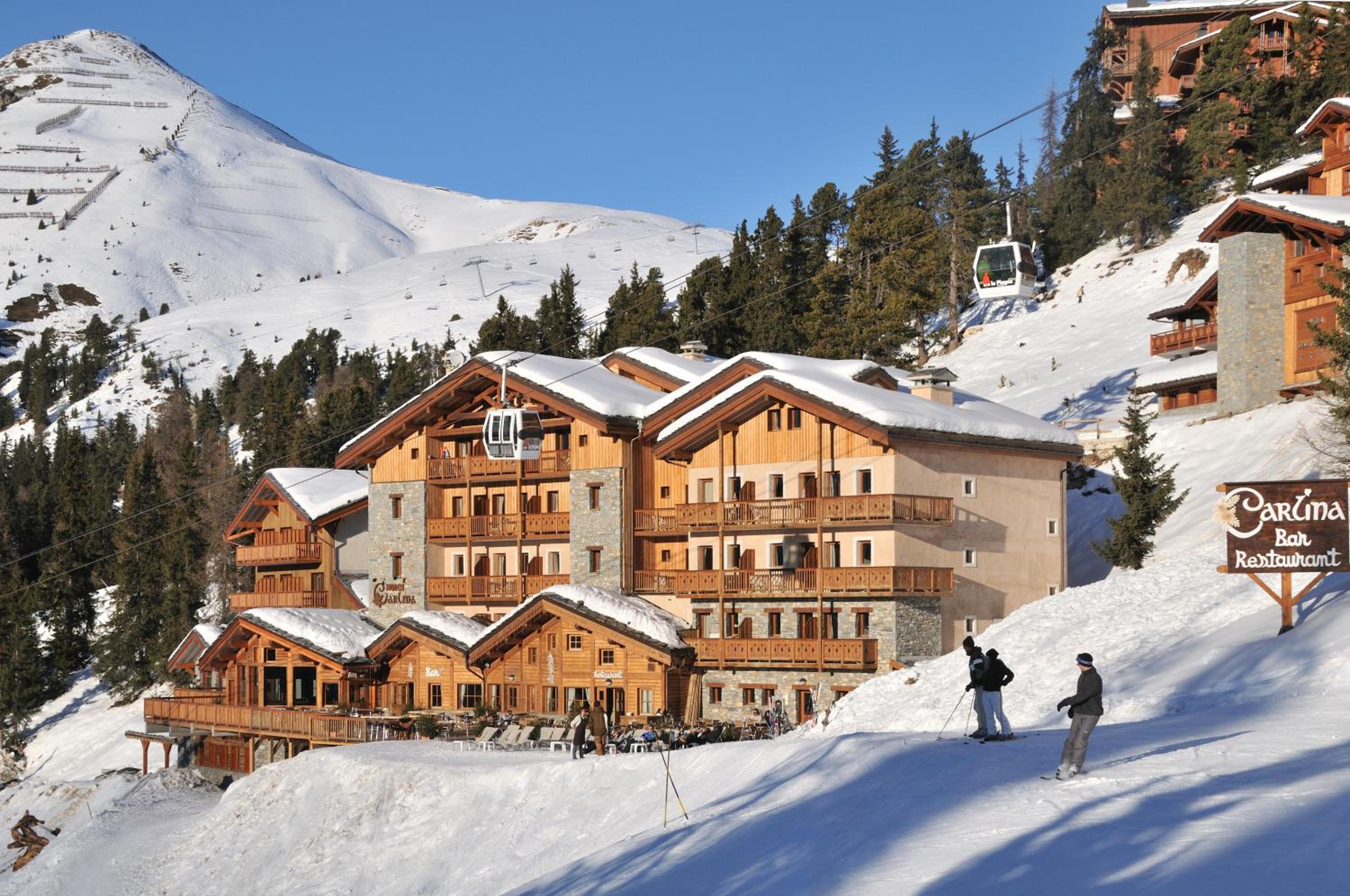
Where to stay
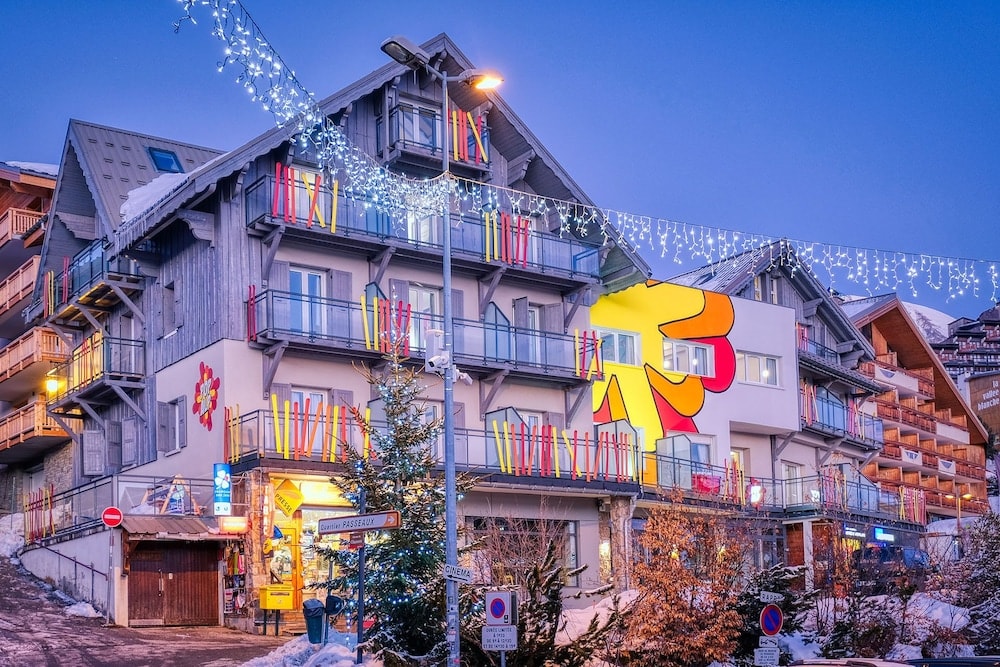
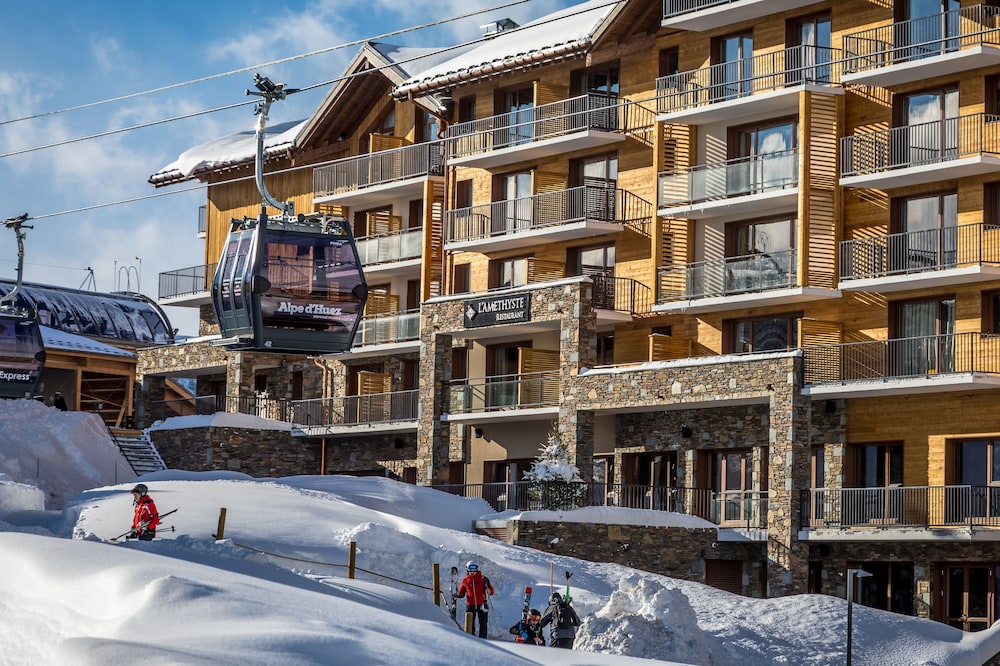
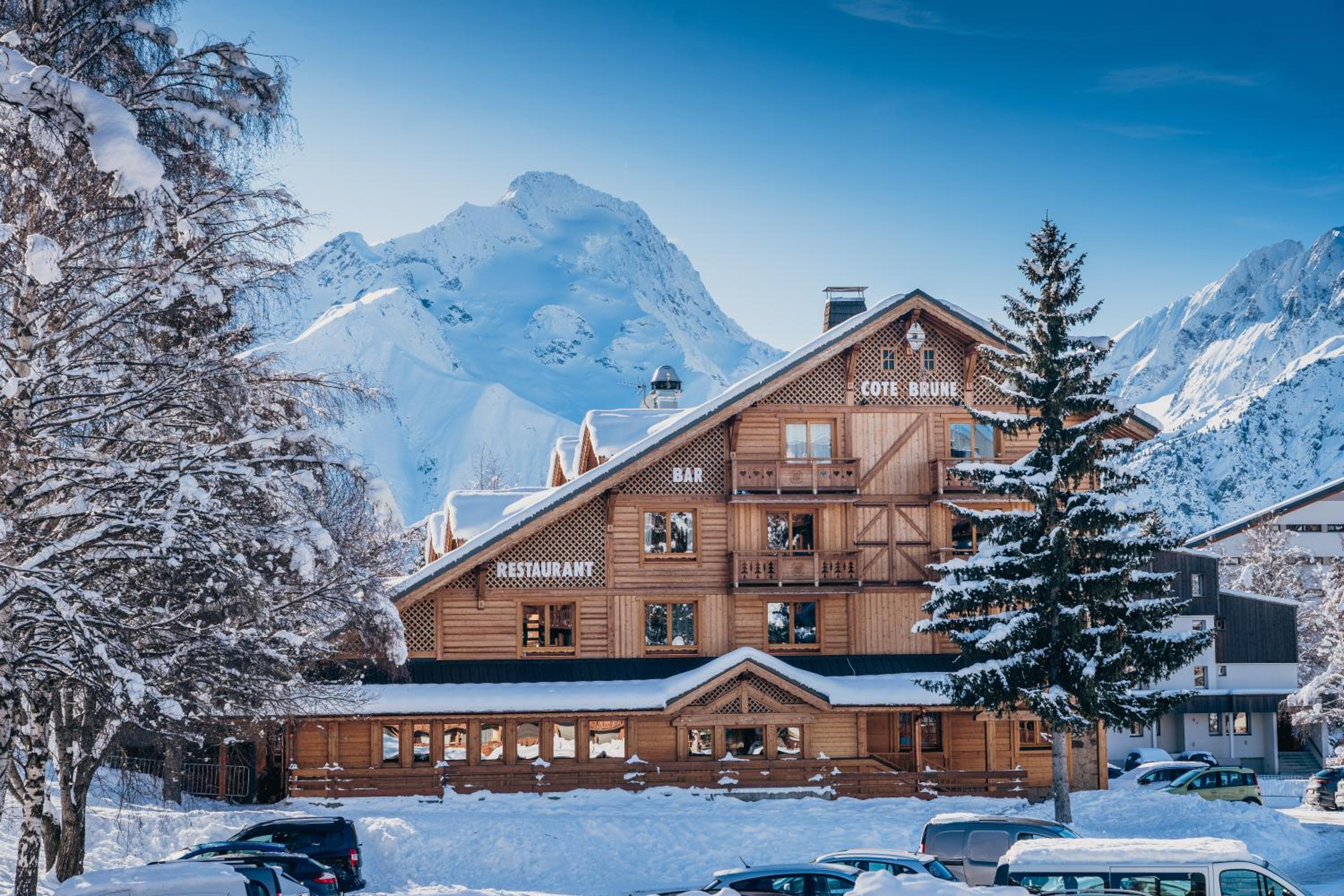
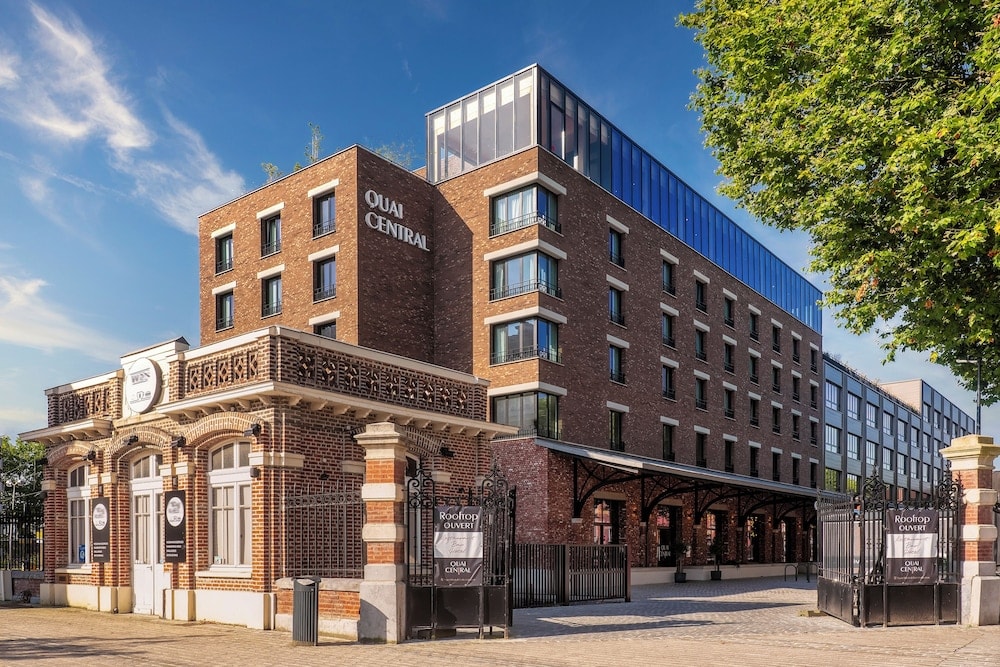
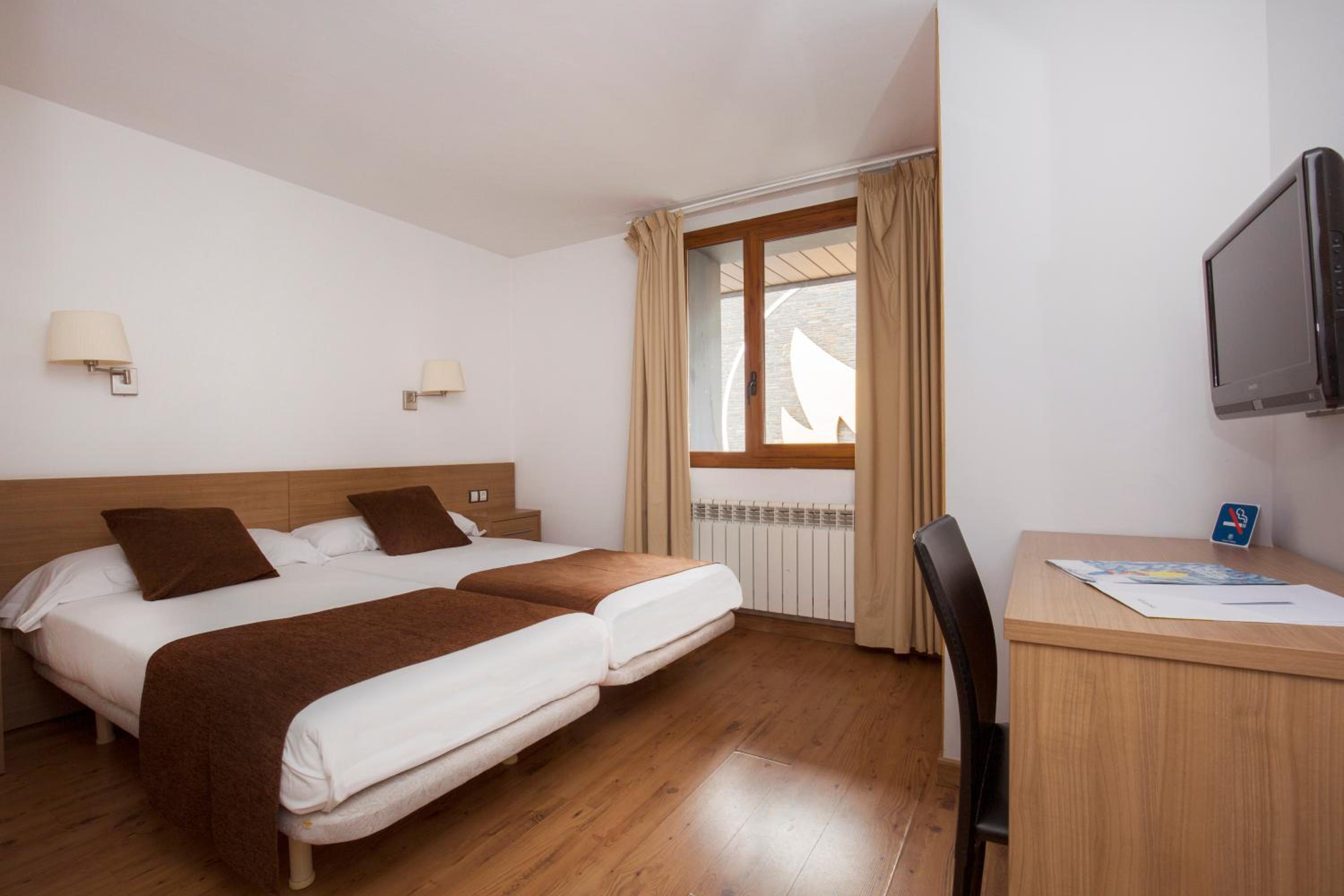
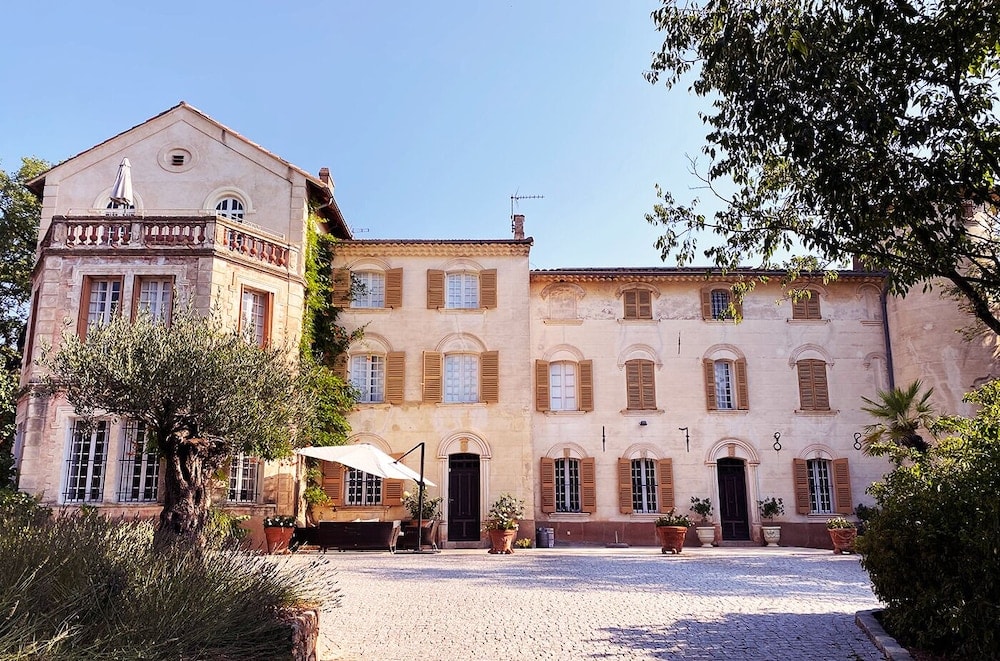
67 curated stays ·
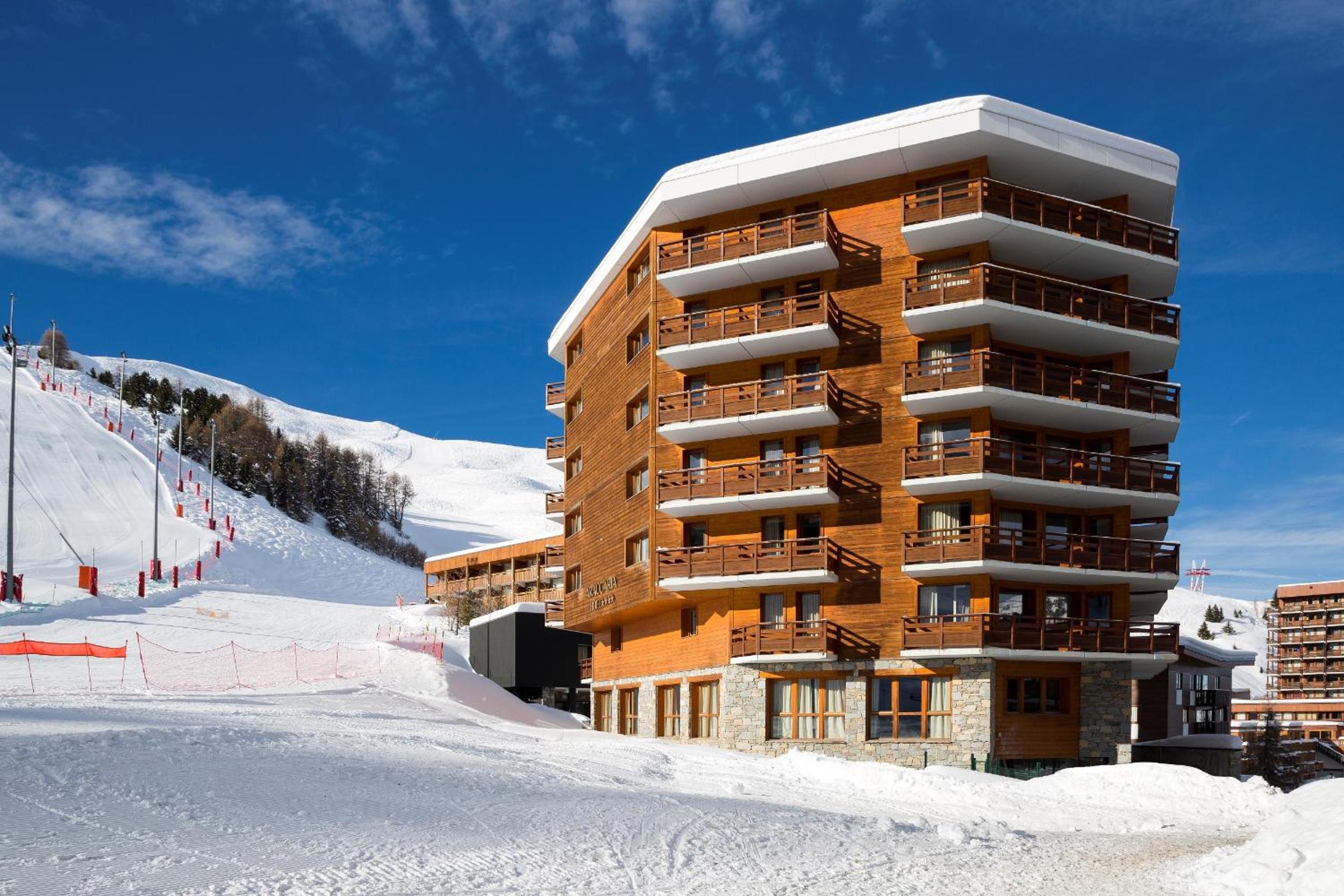
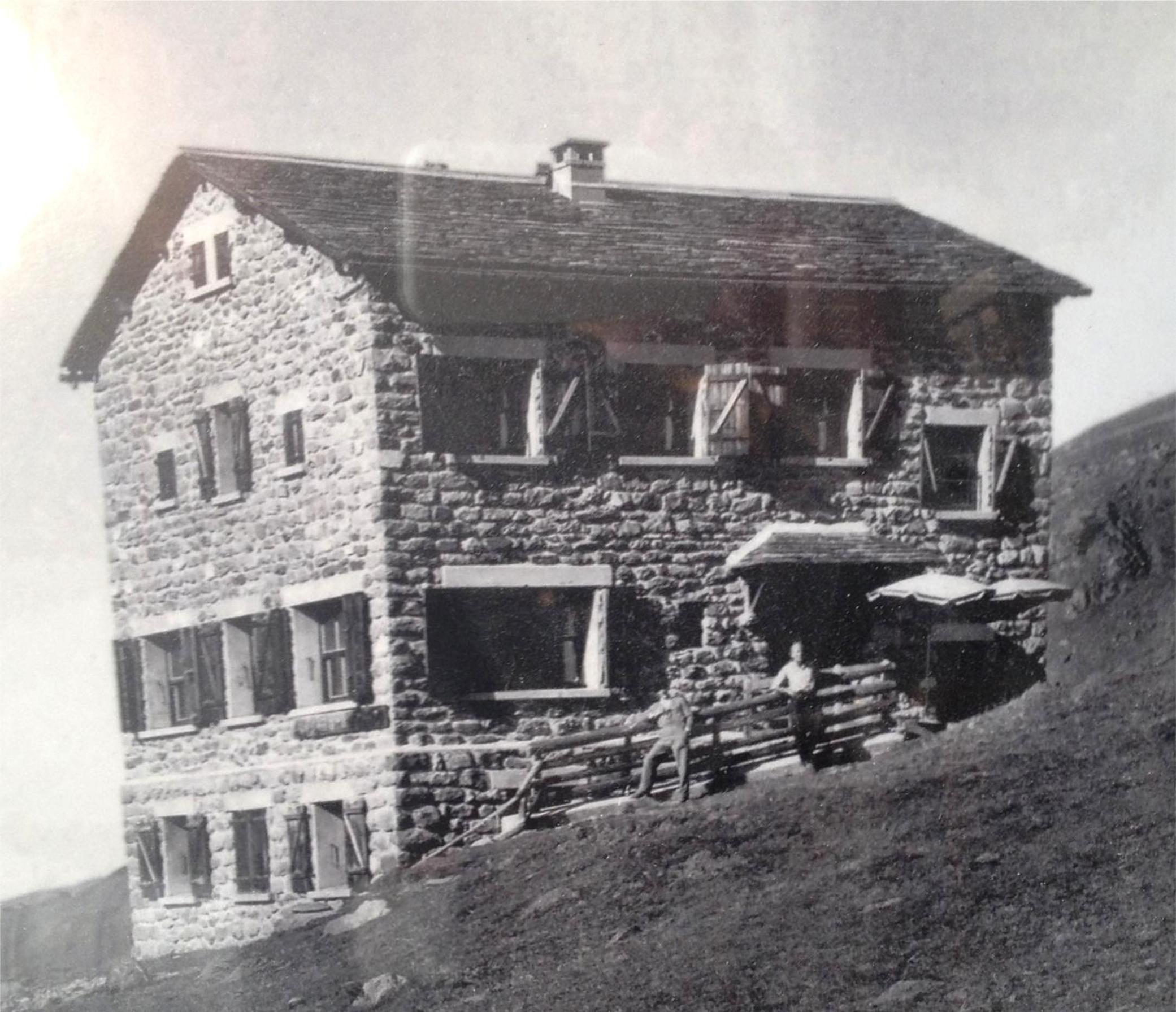
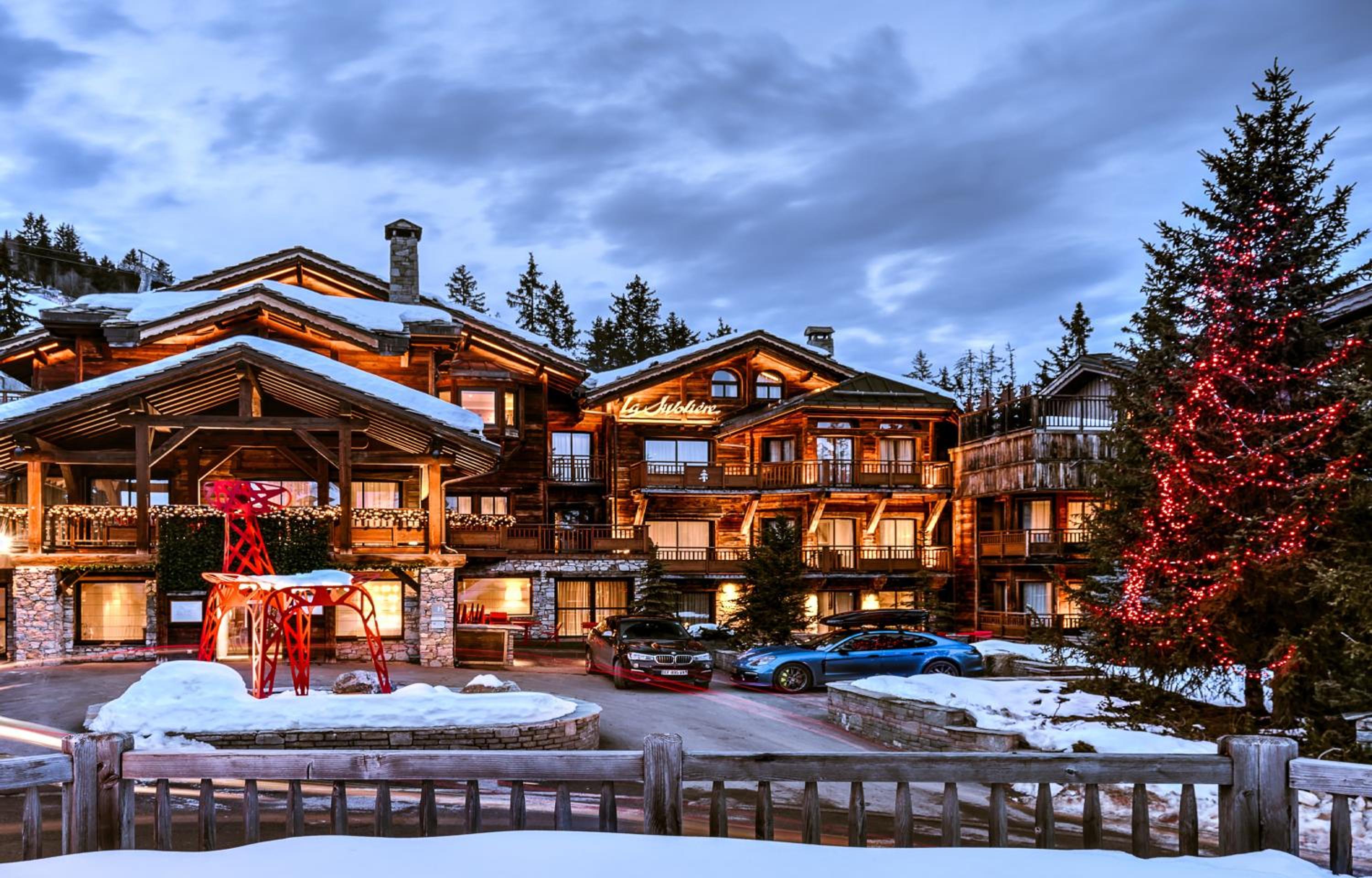
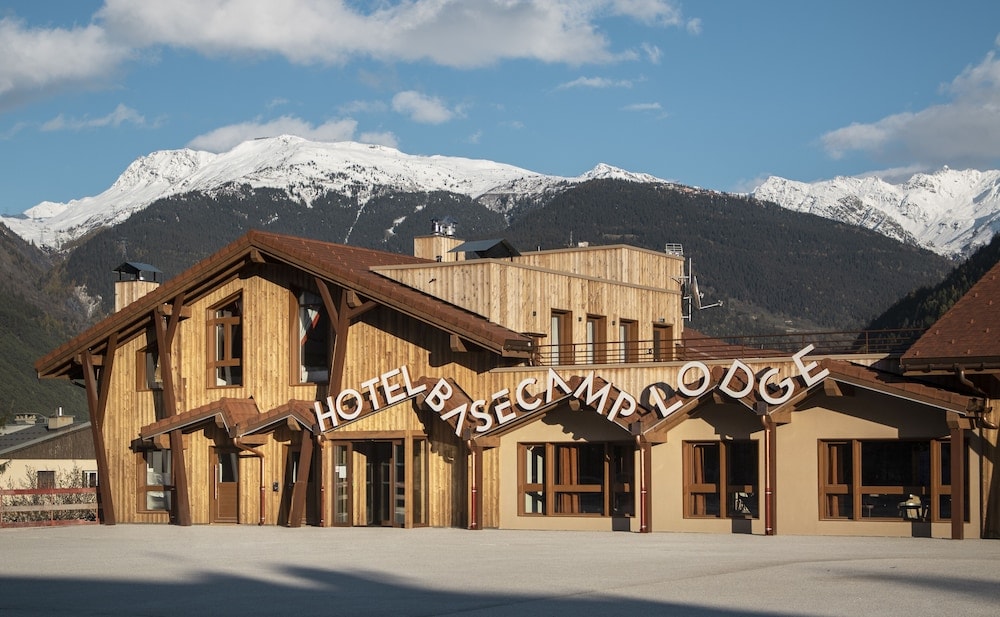



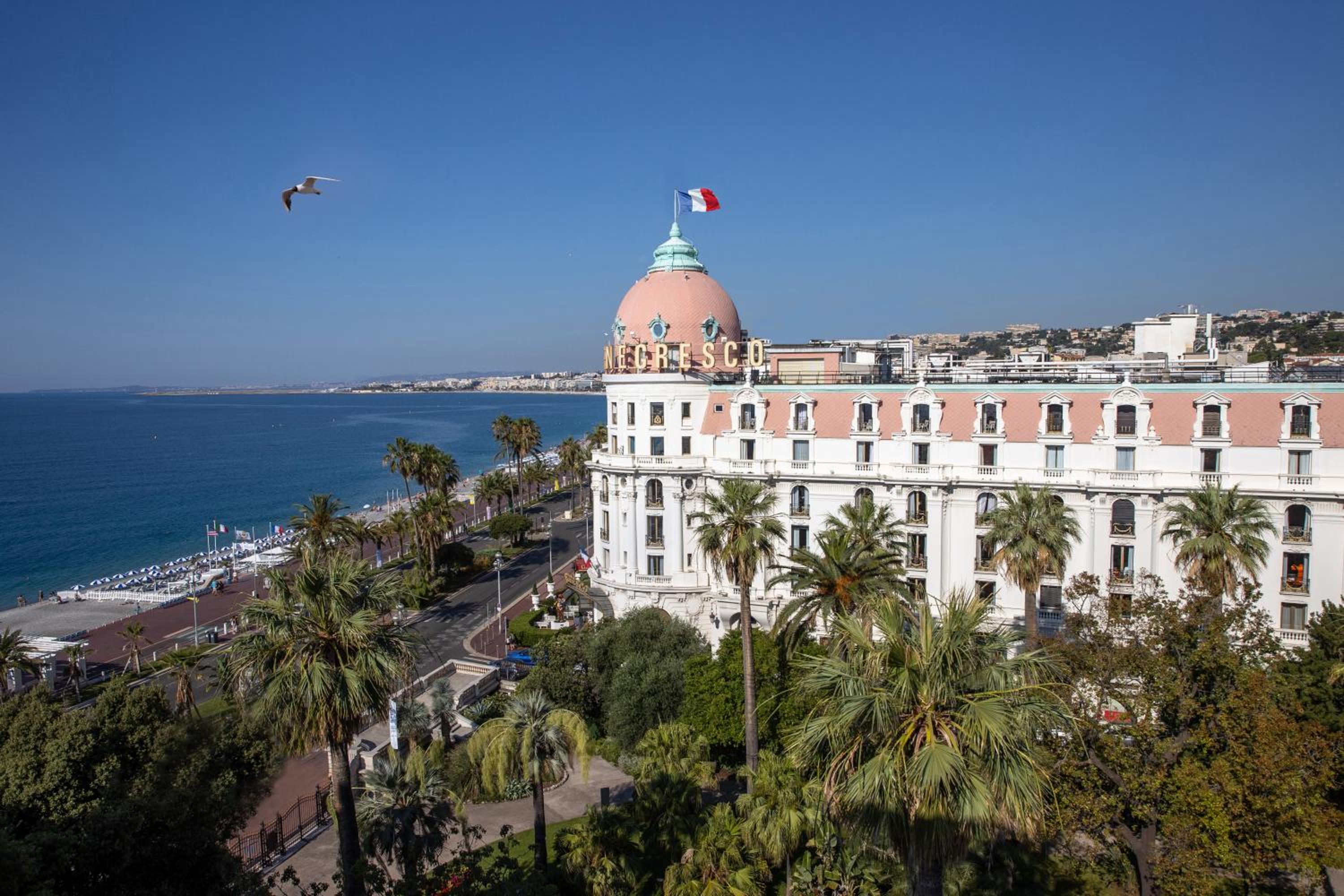

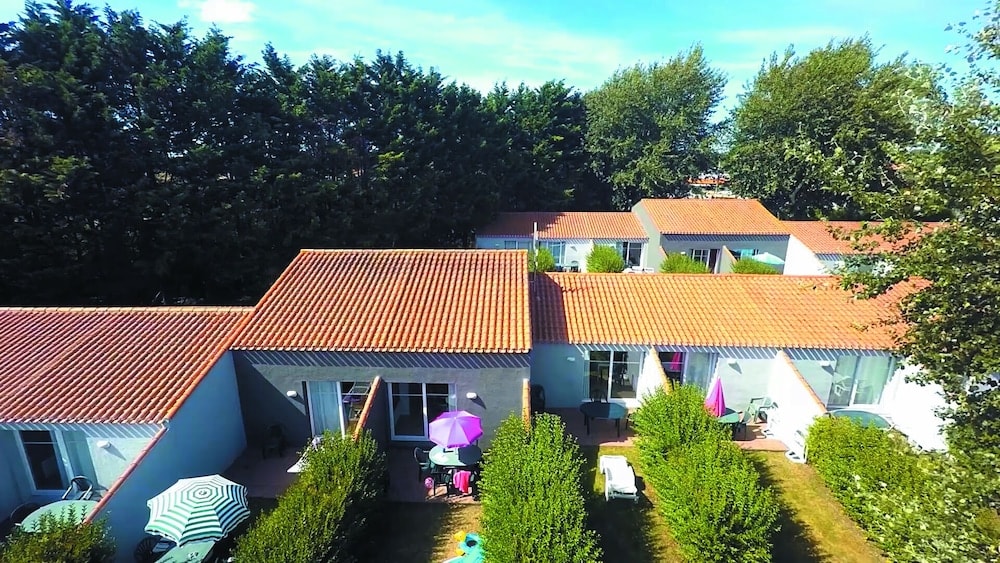
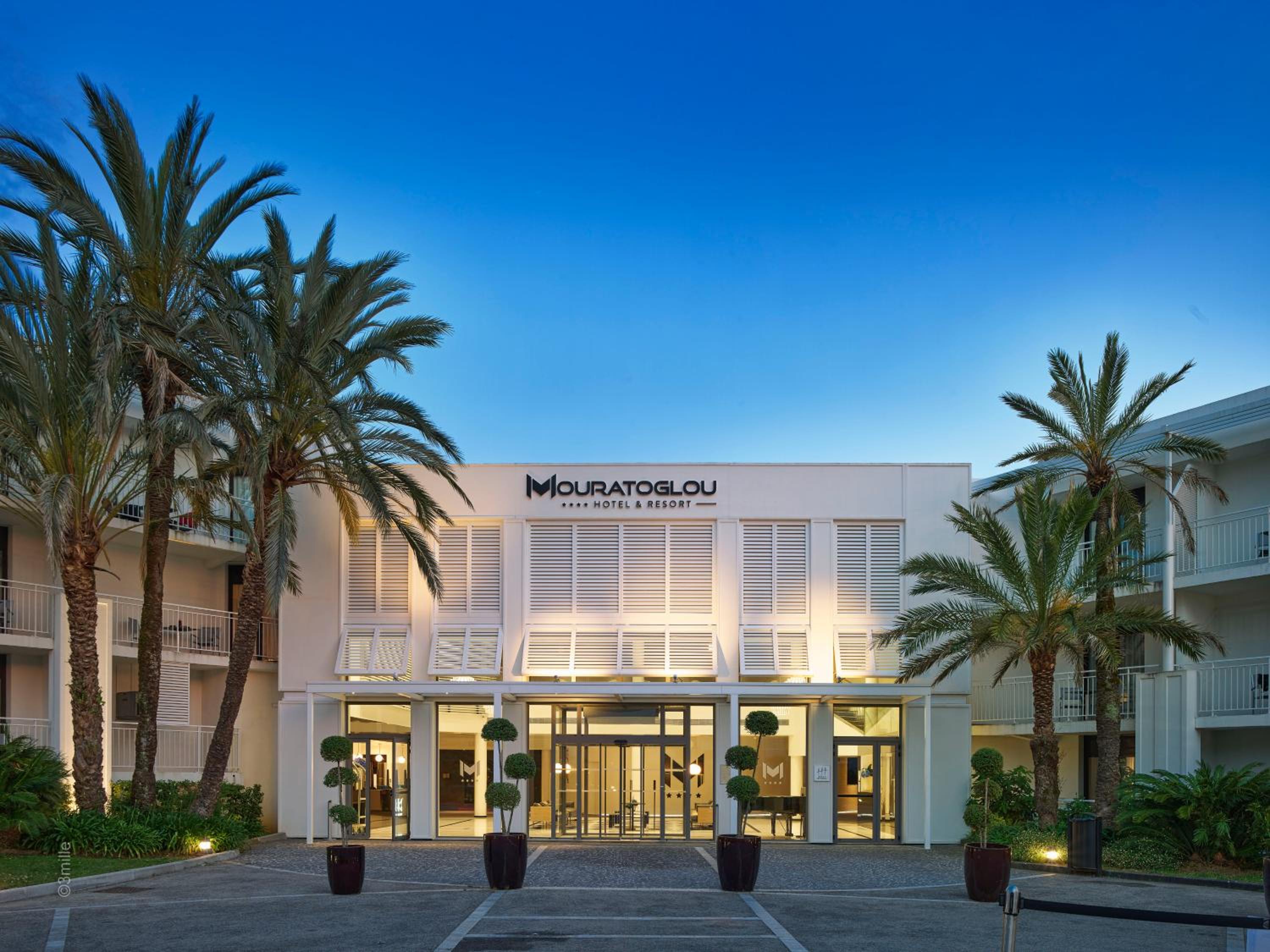

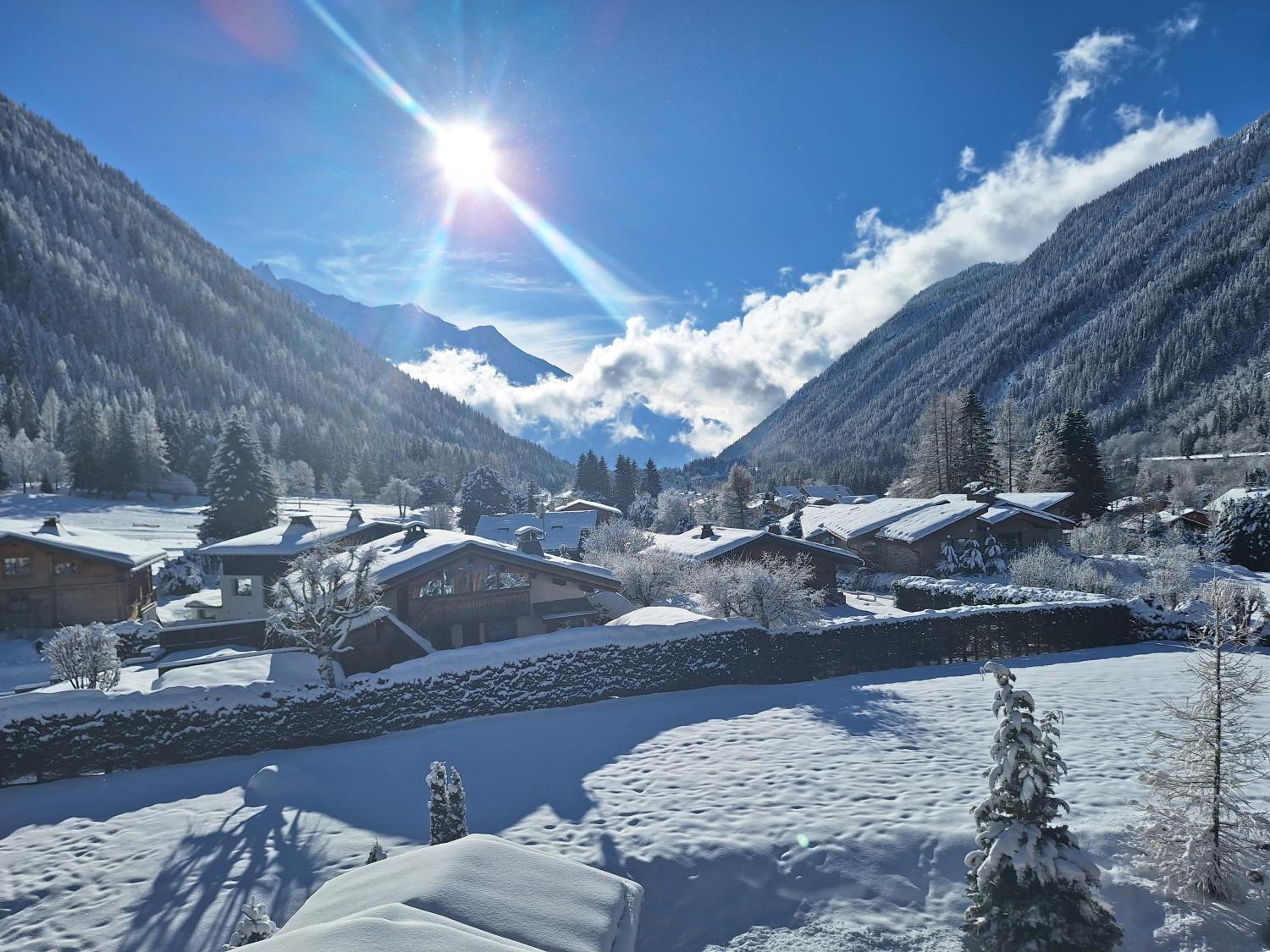
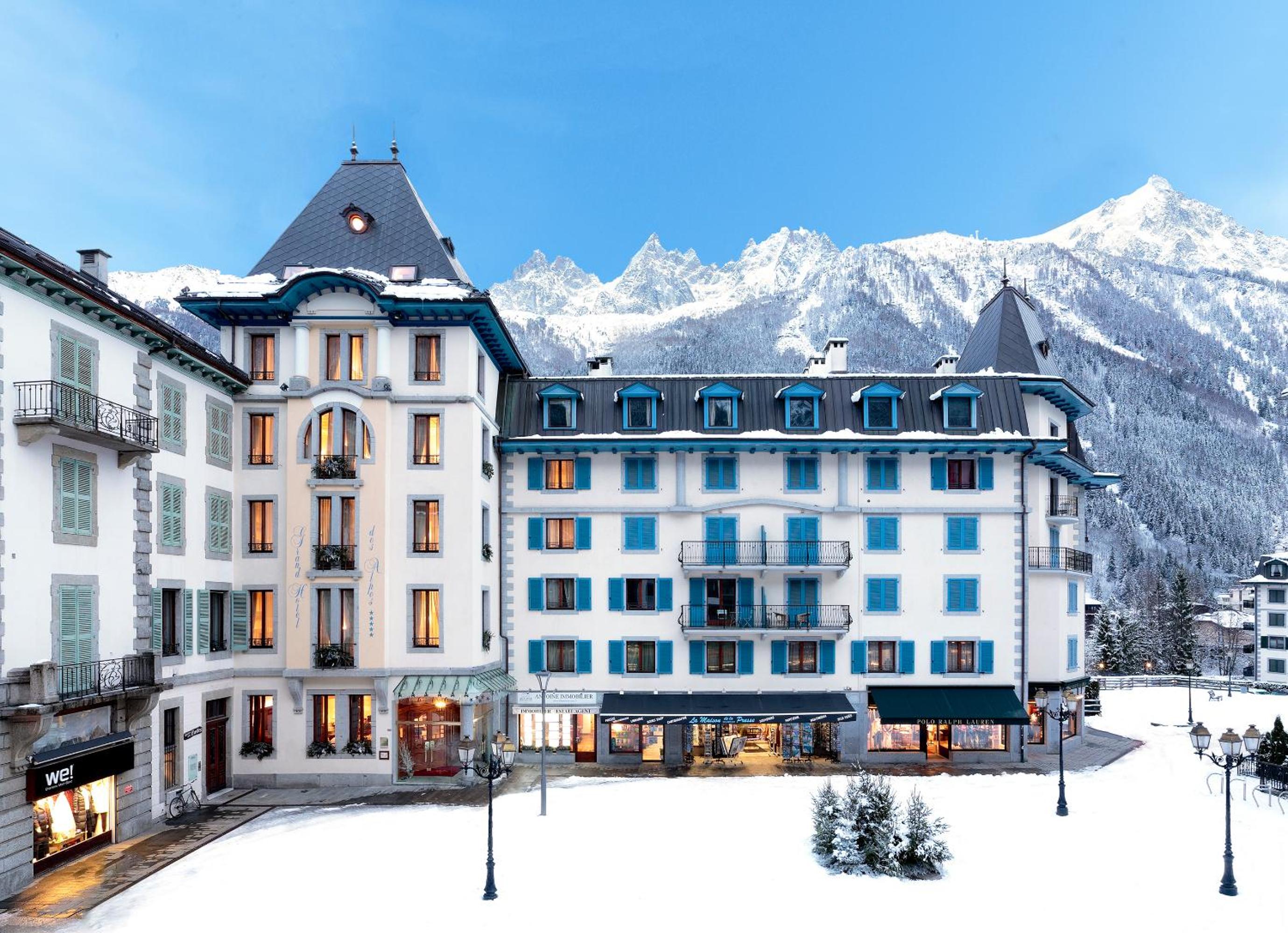
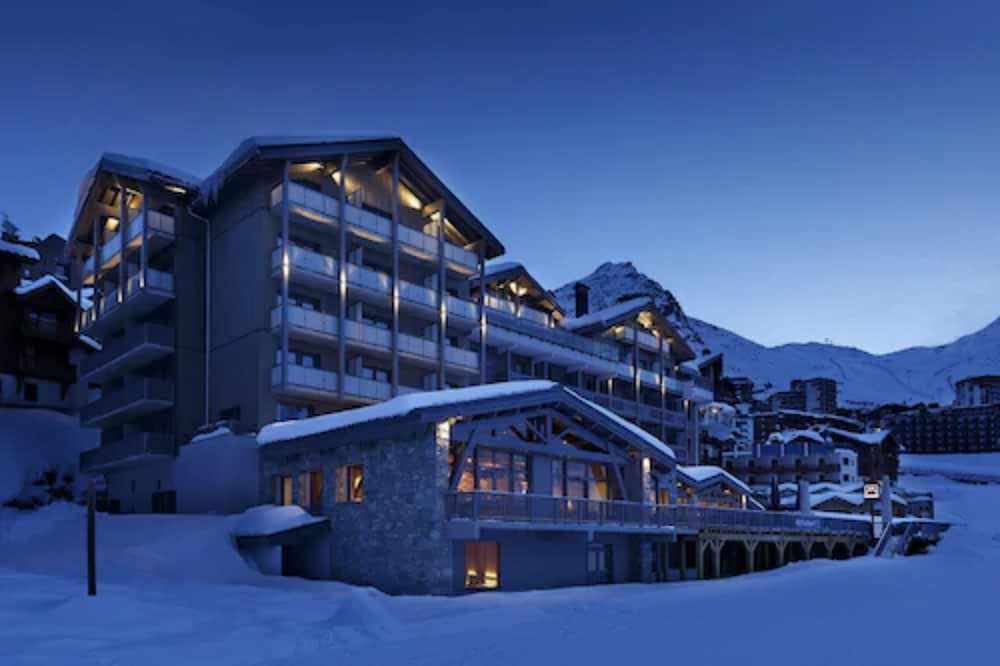
When to visit
Best seasons for cycling in France
Spring and early autumn are strong choices for cycling in France. May and June, then September and October, often bring milder conditions and fewer crowds than peak summer across many regions. These months suit routes in the Loire Valley, Burgundy, Provence and Dordogne. September often brings comfortable riding conditions across the country. July and August are busier in popular holiday areas and can be very hot inland, especially in Provence, Dordogne and southern France, so riders should plan around heat and hydration.
Mountain routes have a shorter season. Higher Alpine passes can remain closed by snow until later spring, while the Alps and Pyrenees are generally best tackled from late spring into early autumn. Summer opens higher routes, but valleys can be warm and the mountains can see violent storms. Winter brings snow in higher regions, colder conditions and rain elsewhere. Shorter days and reduced rural services make it a poor fit for classic touring. The Atlantic west has a mild climate for much of the year, though coastal and northern routes can be cooler, rainy or windy.
Frequently asked questions
Practical answers about cycling in France: weather, families, highlights and more.
France has long-distance routes such as La Loire à Vélo, the ViaRhôna and the Vélodyssée. Route planners let cyclists filter options by level, duration and theme, then choose a loop or a one-way trip.
In Paris, cyclists share road space with pedestrians, motorbikes and cars, and heavy vehicles create blind spots. Riders should avoid passing trucks during turns or near junctions, and should not pass a bus stopped at a station. In groups, cyclists must ride no more than two abreast.
Some TGV lines reserve spaces for bicycles carried whole, and booking is compulsory on those services. Most TER lines do not require a reservation, though exceptions apply. Some trains add bicycle capacity in summer, so cyclists should check the conditions for the chosen train before travelling.
French rules require a bicycle to have working front and rear brakes, a bell and lights for night riding or poor visibility. Outside built-up areas, a certified reflective vest is required at night or when visibility is insufficient. Children under twelve must wear a helmet.
France’s Accueil Vélo label identifies accommodation and services within three miles of cycle routes. Listed facilities can include secure bicycle storage, a repair kit and a socket for recharging. Some providers also offer luggage transfer, clothes washing and drying, and bicycle washing, while staff can give route and weather advice.