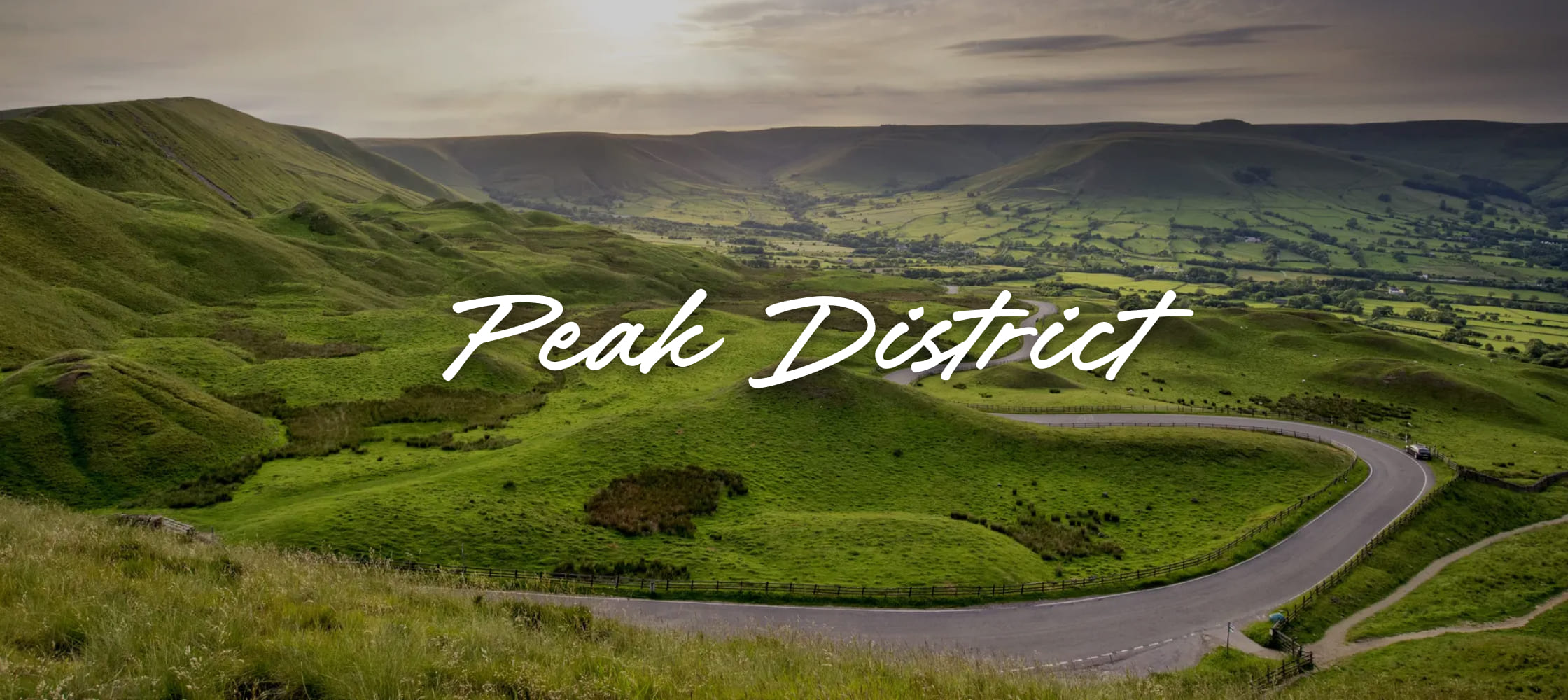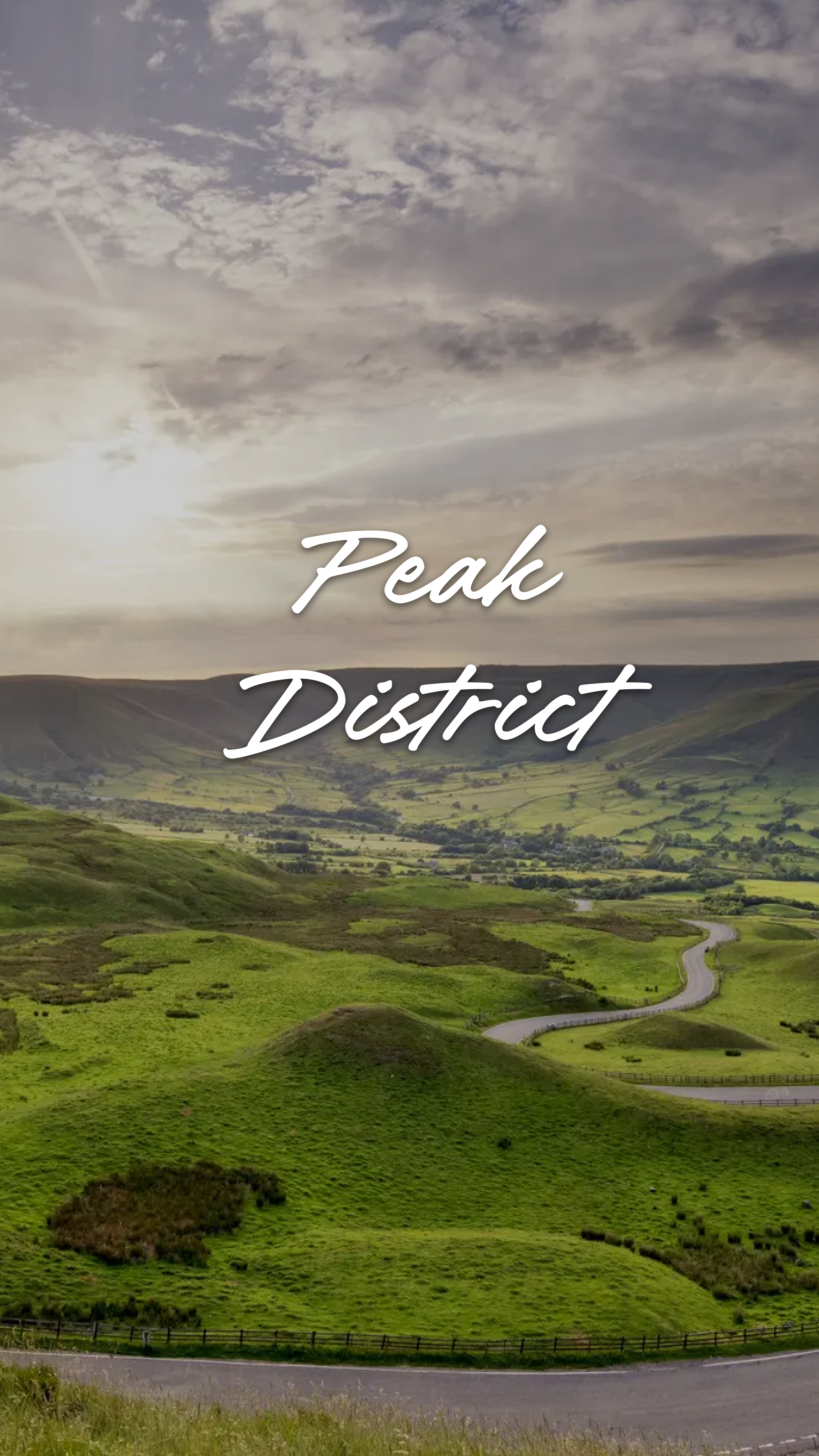
The Peak District National Park features a varied landscape of gritstone edges, limestone dales, and rolling moorlands, making it as a prime location for outdoor activities. Unique geological formations like Stanage Edge and the wide views from Mam Tor attract hikers seeking both challenge and impressive panoramas.
Varied trails for all levels
Well-marked trails accommodate all hiking abilities, from gentle riverside paths to rugged upland scrambles.
Unique gritstone edges
The Peak District features dramatic gritstone edges, giving distinctive hiking experiences compared to other regions.
Watch for changing weather
Hikers should be prepared for sudden weather changes, especially on exposed routes like the Great Ridge.
Challenging terrain for endurance
The Peak District offers steep ascents and rugged paths, good for building hiking endurance.
Historic villages for rest days
Bakewell and Castleton offer pubs, cafes, and local markets within easy reach of major trails.
Varied trails for all levels
Well-marked trails accommodate all hiking abilities, from gentle riverside paths to rugged upland scrambles.
Unique gritstone edges
The Peak District features dramatic gritstone edges, giving distinctive hiking experiences compared to other regions.
Watch for changing weather
Hikers should be prepared for sudden weather changes, especially on exposed routes like the Great Ridge.
Challenging terrain for endurance
The Peak District offers steep ascents and rugged paths, good for building hiking endurance.
Historic villages for rest days
Bakewell and Castleton offer pubs, cafes, and local markets within easy reach of major trails.
The best time for hiking in the Peak District is from May to September, when longer daylight hours provide plenty of opportunity to explore the varied landscapes filled with wildflowers. During these months, the trails are generally more accessible and the scenery is at its most colorful, giving an excellent choice for outdoor activities. However, this period can also attract larger crowds, particularly in popular areas, which may detract from the experience for those seeking solitude. In contrast, the off-peak months, such as late autumn and winter, can present challenges for hikers, including increased rainfall and colder temperatures that may lead to muddy and slippery trails. While the landscape can be starkly beautiful during these times, fewer visitors mean a quieter atmosphere, which may appeal to some. It is essential to be prepared...
Practical answers about hiking in Peak District — weather, families, highlights, and more.
The terrain can be challenging, especially on routes like Kinder Scout via Jacob's Ladder, which features steep ascents and rocky paths. Weather can change rapidly, so waterproof layers are vital. Popular trails may become crowded, particularly around Mam Tor and Great Ridge Walk during peak times.
Waterproof layers are crucial due to unpredictable weather, and sturdy footwear is necessary for rocky trails. It is important to carry a map or download offline maps, as some areas may have limited mobile reception. Additionally, outdoor shops in nearby villages offer last-minute gear options.
Yes, the Monsal Trail offers a flat, easy route suitable for beginners and families. The wooded Padley Gorge is also a gentle option with beautiful paths. For those looking for a bit more challenge, the Win Hill–Lose Hill Circular is a moderate hike with rewarding views.
Hiking solo is common, especially on well-marked trails like Stanage Edge. However, it is important to inform someone about the planned route and expected return time. Joining local hiking groups can also improve the experience and provide companionship on more remote paths.
Carrying personal supplies of energy bars and snacks is recommended, as shops may be sparse on remote trails. Water refill points are limited, so carrying sufficient water is essential, especially on longer hikes like the Great Ridge Walk. Planning meal stops at village inns can improve the hiking experience.