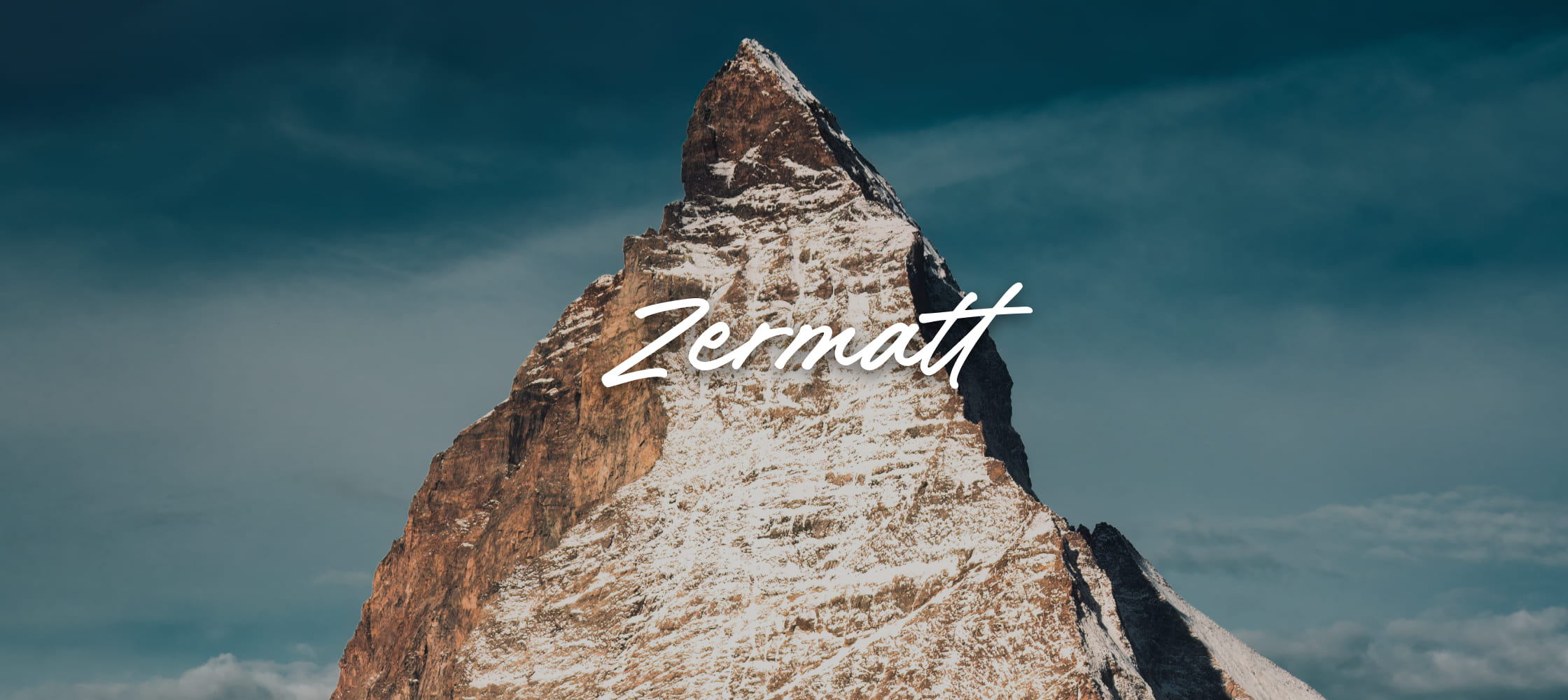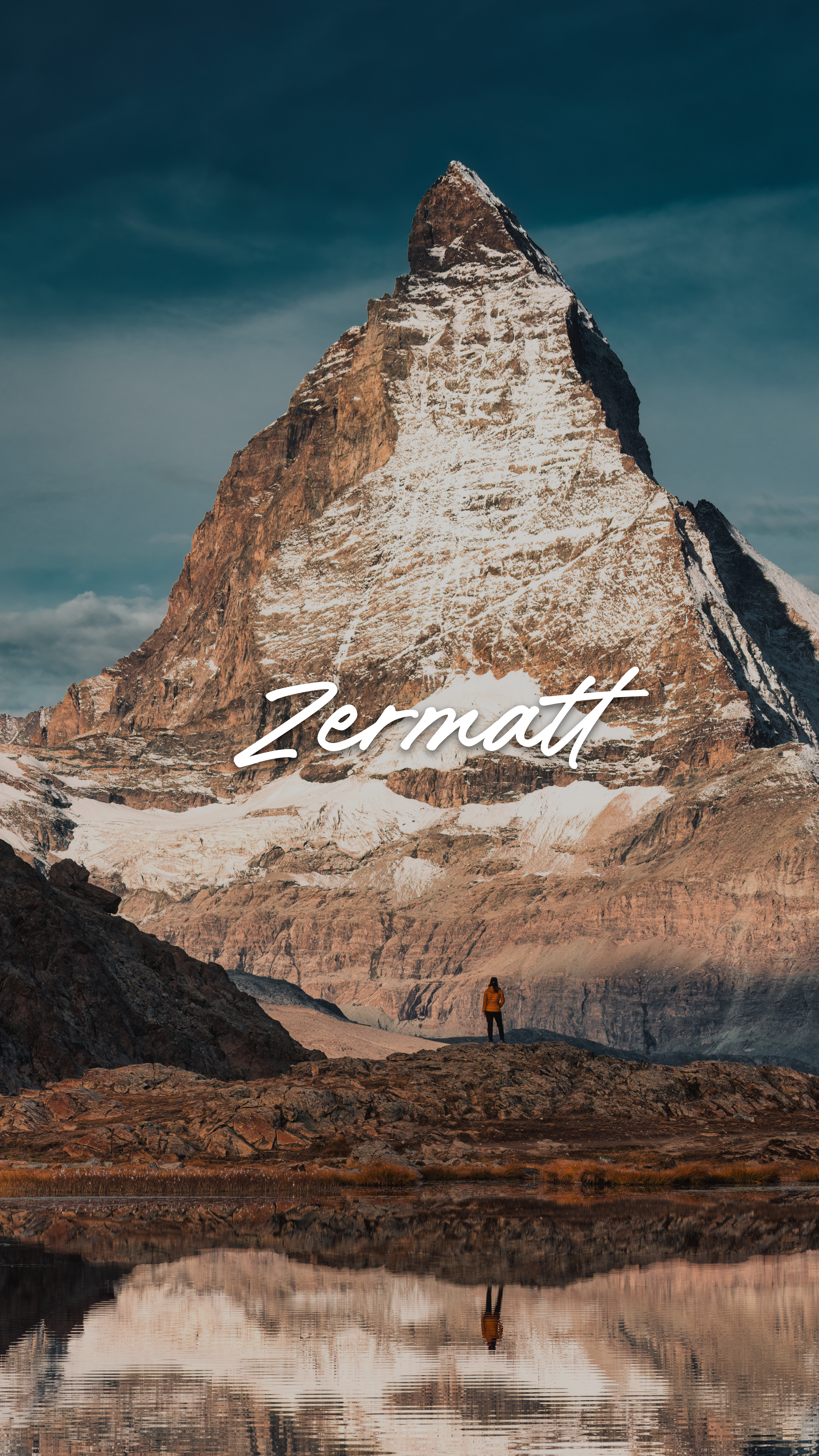
Zermatt features a wide range of trails that accommodate different skill levels, with routes leading to striking glacier viewpoints and the well-known Matterhorn. The geography is characterized by its mountainous terrain, giving both gentle paths and challenging ascents.
Hundreds of kilometers of trails
Zermatt offers a vast network of well-marked hiking trails for all skill levels.
Unique alpine climate
The high altitude creates a distinct climate suitable for hiking participants.
Challenging glacier terrain
Hiking routes lead to glacier viewpoints, presenting unique challenges and notable landscapes.
Five Lakes Walk showcase
The 5-Seenweg trail passes five alpine lakes with Matterhorn reflections, ideal for a half-day hike.
Access to high-altitude trails
Cable cars and the Gornergrat railway lift hikers above 3,000 m, opening routes among 29 four-thousanders.
Hundreds of kilometers of trails
Zermatt offers a vast network of well-marked hiking trails for all skill levels.
Unique alpine climate
The high altitude creates a distinct climate suitable for hiking participants.
Challenging glacier terrain
Hiking routes lead to glacier viewpoints, presenting unique challenges and notable landscapes.
Five Lakes Walk showcase
The 5-Seenweg trail passes five alpine lakes with Matterhorn reflections, ideal for a half-day hike.
Access to high-altitude trails
Cable cars and the Gornergrat railway lift hikers above 3,000 m, opening routes among 29 four-thousanders.
The best time for hiking in Zermatt is from July to September, when trails are fully accessible and weather conditions are generally suitable for outdoor activities. During these months, hikers can enjoy the lush alpine scenery and longer daylight hours, making it easier to explore various routes and trails. However, this period also attracts larger crowds, especially around popular trails, which can affect the overall enjoyment.
In contrast, the off-peak months of late autumn and winter present challenges for hikers, as many trails may be closed due to snow and adverse weather conditions. Spring can be unpredictable, with lingering snow and rain, making hiking less pleasant. Those considering a visit outside the peak season should be prepared for limited trail access and potential hazards, such as slippery paths or sudden weather changes.
Practical answers about hiking in Zermatt — weather, families, highlights, and more.
Hikers should be cautious of rapidly changing weather conditions, as storms can develop quickly in the mountains. Some trails may also have steep drops, particularly around the Matterhorn area, which can be intimidating for those not accustomed to such terrain. Additionally, popular routes can become crowded, especially during peak season, leading to potential safety concerns.
Waterproof layers are essential due to the unpredictable weather. Sturdy hiking boots are recommended for rocky trails, particularly on routes like the Five Lakes Walk. It is also beneficial to carry a map or download offline trail maps, as cell service can be spotty in remote areas.
The Riffelsee lake trail near Gornergrat offers an easy downhill walk with clear views of the Matterhorn, making it suitable for beginners. The trail to Riffelsee is also manageable, featuring a beautiful lake reflection of the Matterhorn. The Five Lakes Walk is another popular option, though some sections can be steep, so new hikers should be prepared for varying difficulty levels.
There are limited food options on some mountain trails, so hikers should carry snacks like energy bars or nuts. Water refill stations are scarce, especially on higher routes, making it necessary to carry sufficient water. Many hikers recommend packing a picnic for breaks at notable spots.
Zermatt is generally safe for solo hikers, but it is wise to inform someone about the planned route. Joining guided hikes can also improve safety and provide local insights. The area has various trails that allow for solo exploration, but caution is recommended on less-traveled paths.