

Hiking holidays in Scotland
2 destinations · 16 hotels for hiking
Where to go in Scotland
Why hiking in Scotland?
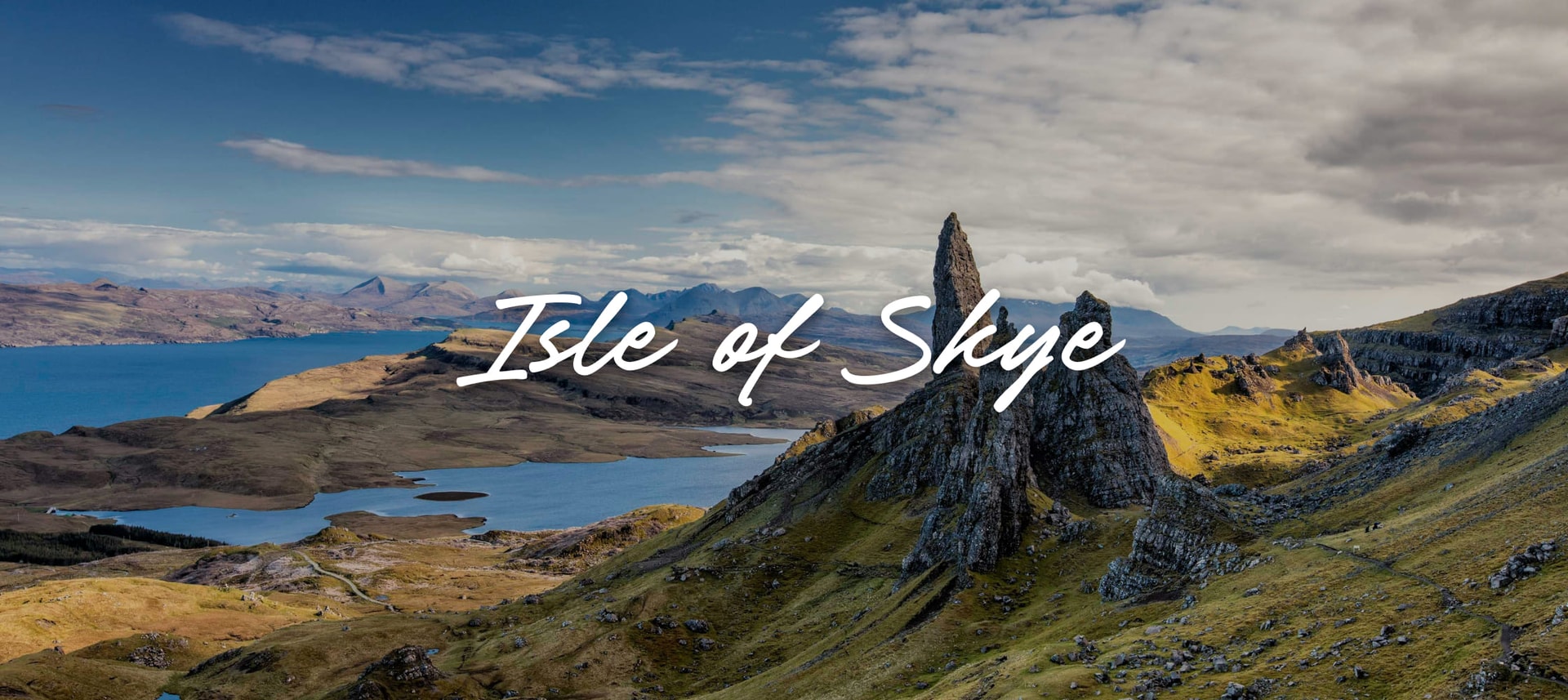
Scotland offers walking across moorland, lochs, forests and coast. The West Highland Way crosses open moorland, passes through Loch Lomond and Rannoch Moor, and offers views of Ben Nevis. Coastal trails take in dramatic seascapes, coves and bays, while forest walks lead past the waterfalls at Birks of Aberfeldy or beside the River Tummel at Faskally Forest. The Great Glen Way links Fort William and Inverness through forest tracks, towpaths and elevated viewpoints.
Routes range from gentle woodland paths and low-level trails to challenging hill climbs, with options around Conic Hill, Loch Ard Forest and the Cairngorm area. Well-marked popular routes include the Pentland Hills near Edinburgh, paths in Loch Lomond & The Trossachs and low-level trails across the Cairngorm area. Remote areas can become risky if the weather turns. Conditions can shift quickly, bringing sun, wind and rain in a day, especially on hills, the coast and in the Highlands. Walkers should check forecasts, carry layers and follow the Scottish Outdoor Access Code, which asks visitors to respect others, care for the environment and take responsibility.
Access rights cover most hills, moors, woods, beaches, rivers and lochs, with exceptions including houses and gardens, other buildings and school grounds.
Highlights
Walk freely across Scotland
Walker-friendly access laws open most of Scotland’s land and water, with limited exceptions.
Prepare for fast-changing weather
In Scotland’s hills and Highlands, sunshine, wind and rain can arrive within minutes.
Cool down in Cairngorm waters
Wild swimming in the Cairngorms offers a post-hike dip, but the water stays cold all year.
Expect boggy, pathless ground
Scottish mountain terrain can be rough, pathless and boggy, making navigation and route planning essential.
Choose a walk to match your experience
Scottish hills range from gentle glen walks to serious summer expeditions over rough, pathless and boggy terrain.
Destination
Destination
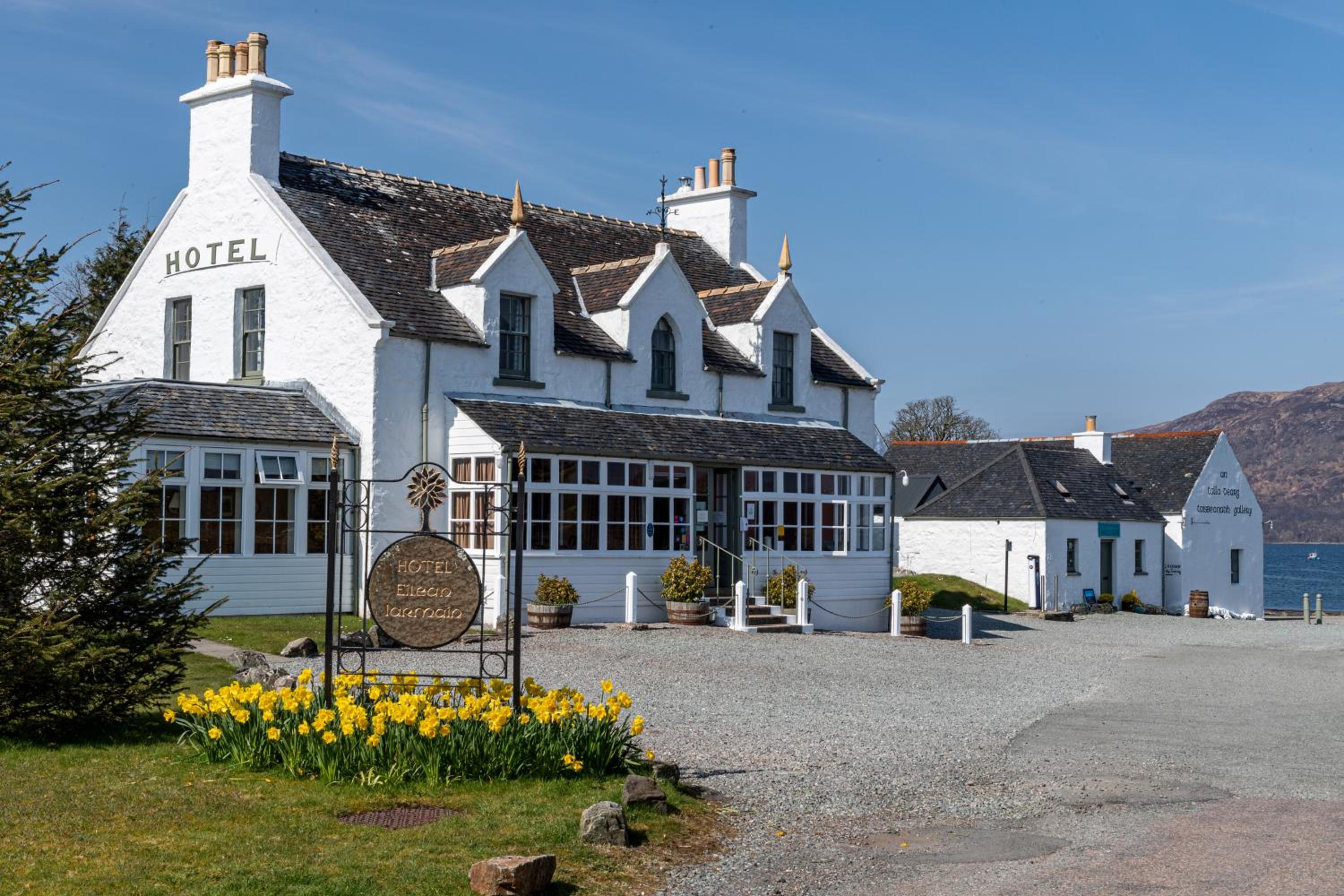
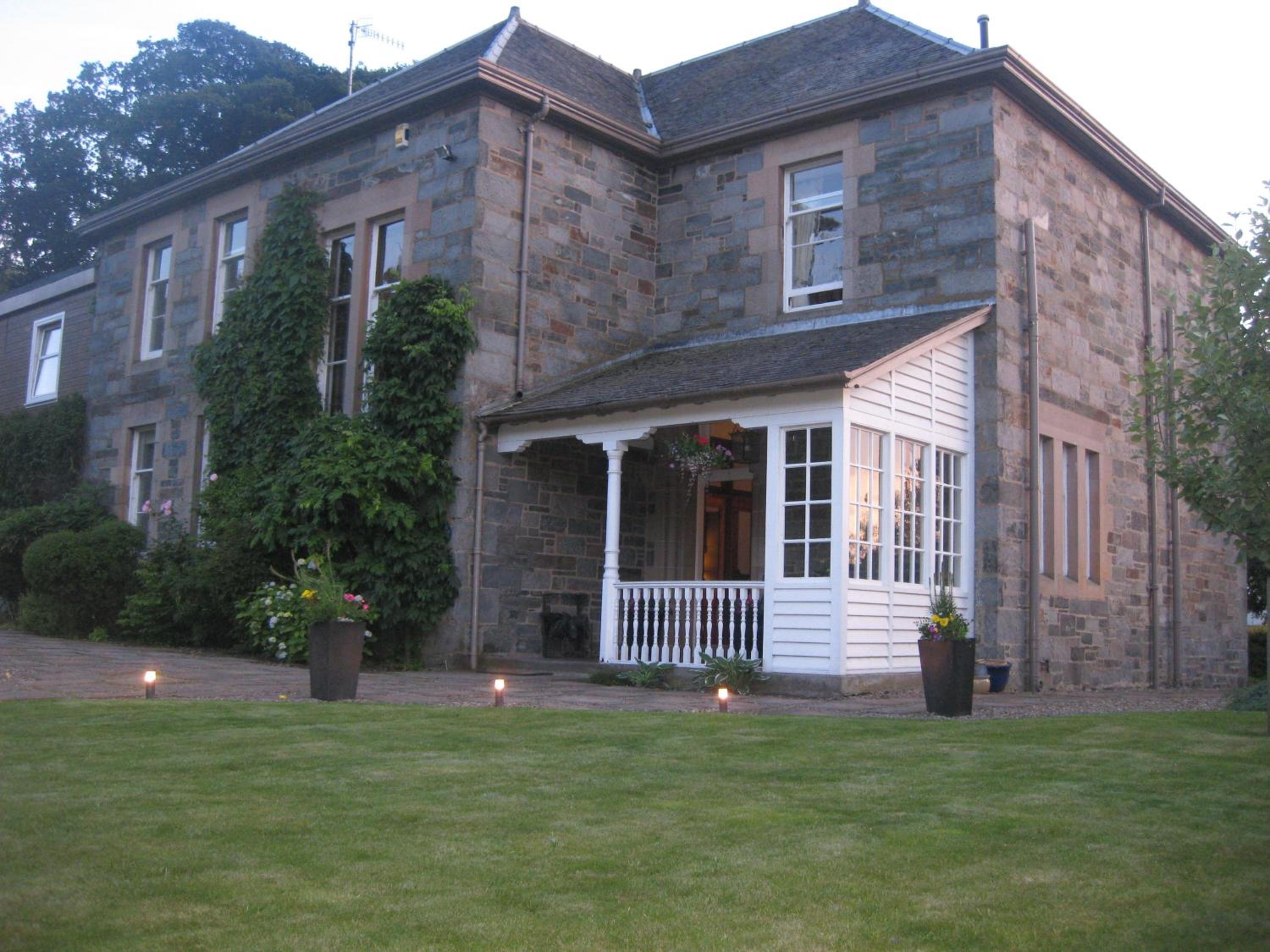
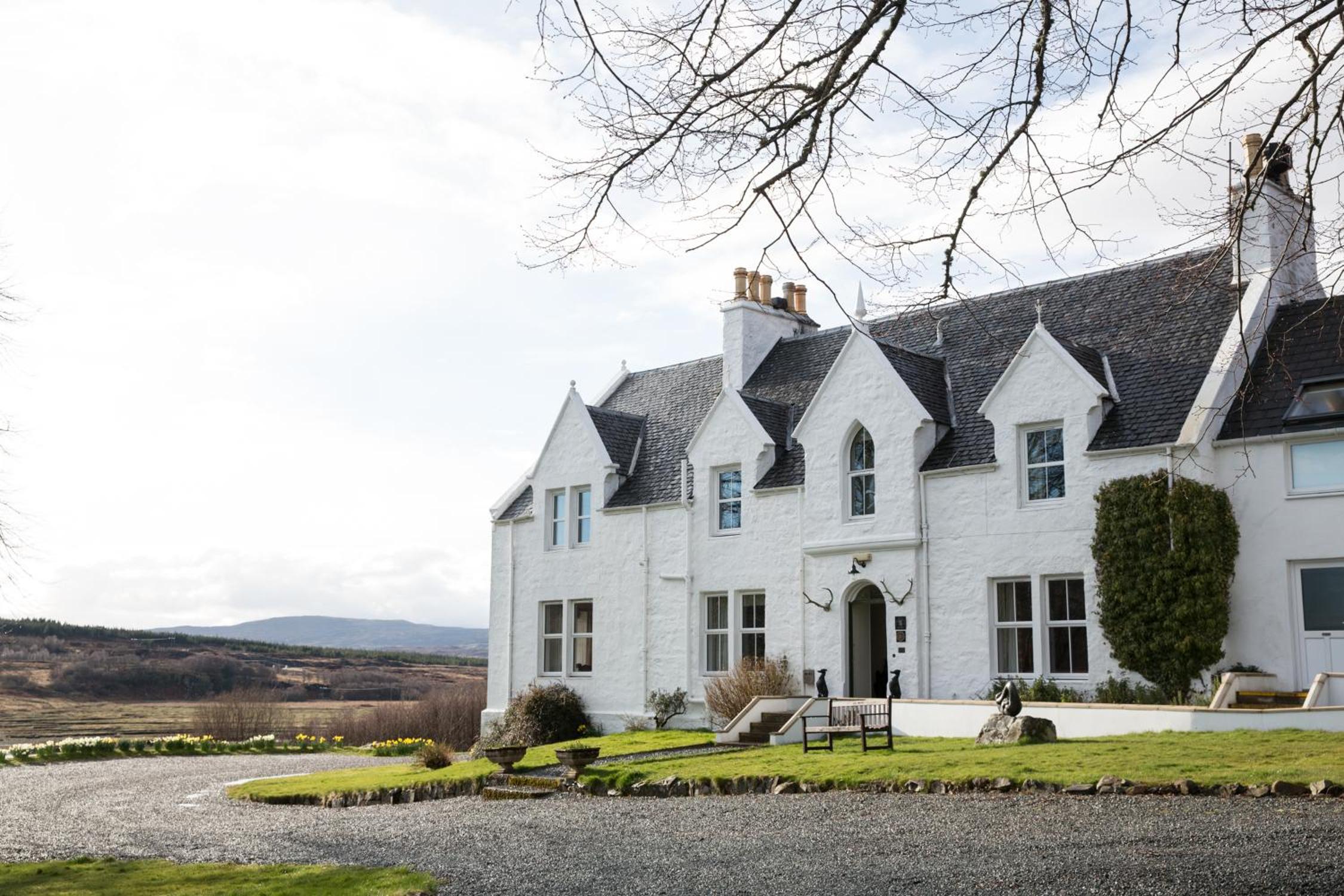
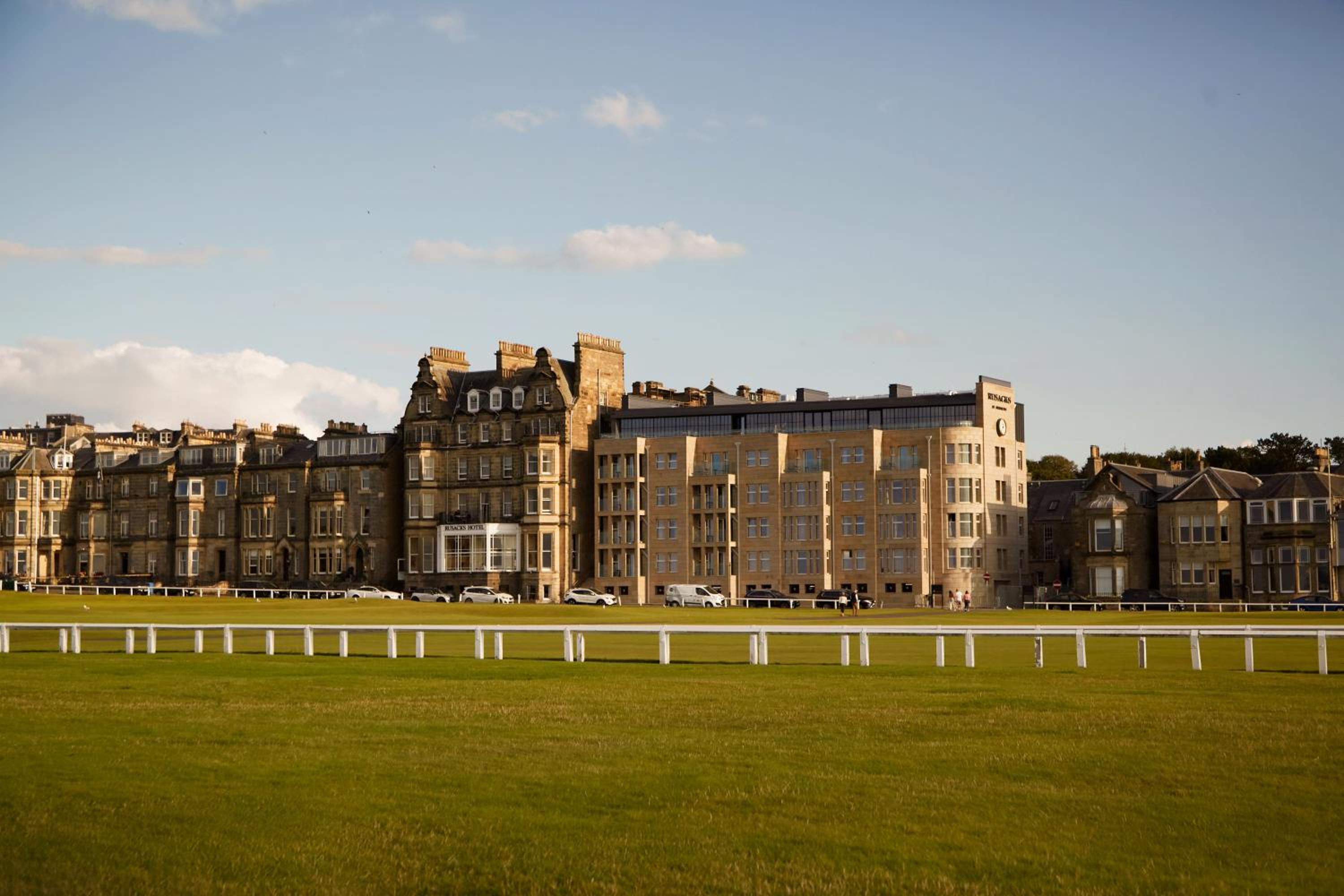
Where to stay
16 curated stays ·






When to visit
Best seasons for hiking in Scotland
Plan mountain hikes between May and September, the usual season for Scotland’s higher routes. May to mid-June is often the most pleasant window: the weather can be fine and midges have yet to appear. July and August bring longer summer days and the busiest trails; only the most popular routes, such as Ben Nevis, get really crowded. Midges are most active in the middle of summer, especially in the west Highlands and islands, so pack repellent for walks there.
September is a good choice, though it can be colder. Lower-lying walks are generally best from April to October. Winter hiking in the Highlands calls for technical equipment, including ice axes and crampons, plus plenty of experience. Scottish mountain weather can turn from sunshine to driving rain or snow within minutes. Check the forecast before setting out, and don’t attempt winter walks without the right skills and kit.
Frequently asked questions
Practical answers about hiking in Scotland: weather, families, highlights and more.
Hill conditions can change rapidly and may be considerably more challenging than conditions at the roadside. Hikers should check the forecast before setting out and carry a waterproof jacket, waterproof over-trousers, a map and a compass. Coastal, hill and Highland areas can see weather change within minutes.
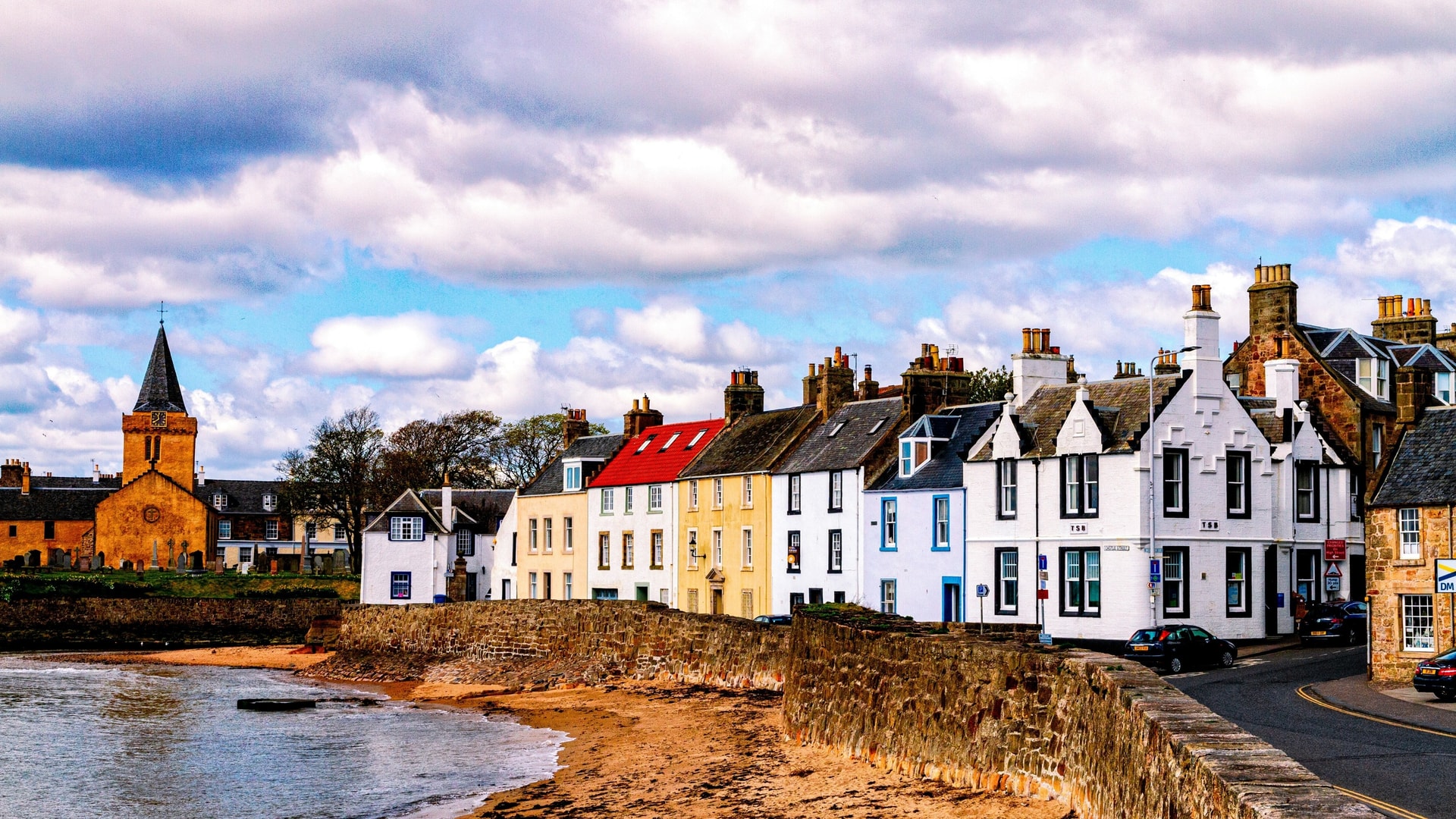
The Fife Coastal Path follows the coast from Kincardine to Newburgh on the banks of the River Tay. Forest routes offer another option: Loch Ard Forest has woodland trails, while Scotland also has accessible paths designed for a range of physical capabilities. Detailed route guides can help assess terrain before choosing.
Solo hiking is usually fine on well-marked popular routes such as the Pentland Hills in Edinburgh, paths along Loch Lomond & The Trossachs, and low-level trails across the Cairngorm area. Remote routes become riskier if weather worsens, so hikers should tell someone the planned route and expected return time before setting off.
Responsible access covers most Scottish hills, woods, beaches and inland water, but not private gardens, school grounds or land with growing crops. On farmland, walkers should keep to paths, field edges or unsown ground and leave gates as found. Access rights usually do not apply to farmyards, but walkers can follow a well-used path through one.
On long-distance routes, shops and refill points may be limited or unavailable, so walkers should carry enough drinking water for the journey. Water from Scottish rivers, streams and burns should not be drunk untreated. Natural sources can contain contaminants that are not visible, and water taken from them should be boiled first.