

Hiking holidays in Spain
1 destination · 43 hotels for hiking
Where to go in Spain
Why hiking in Spain?
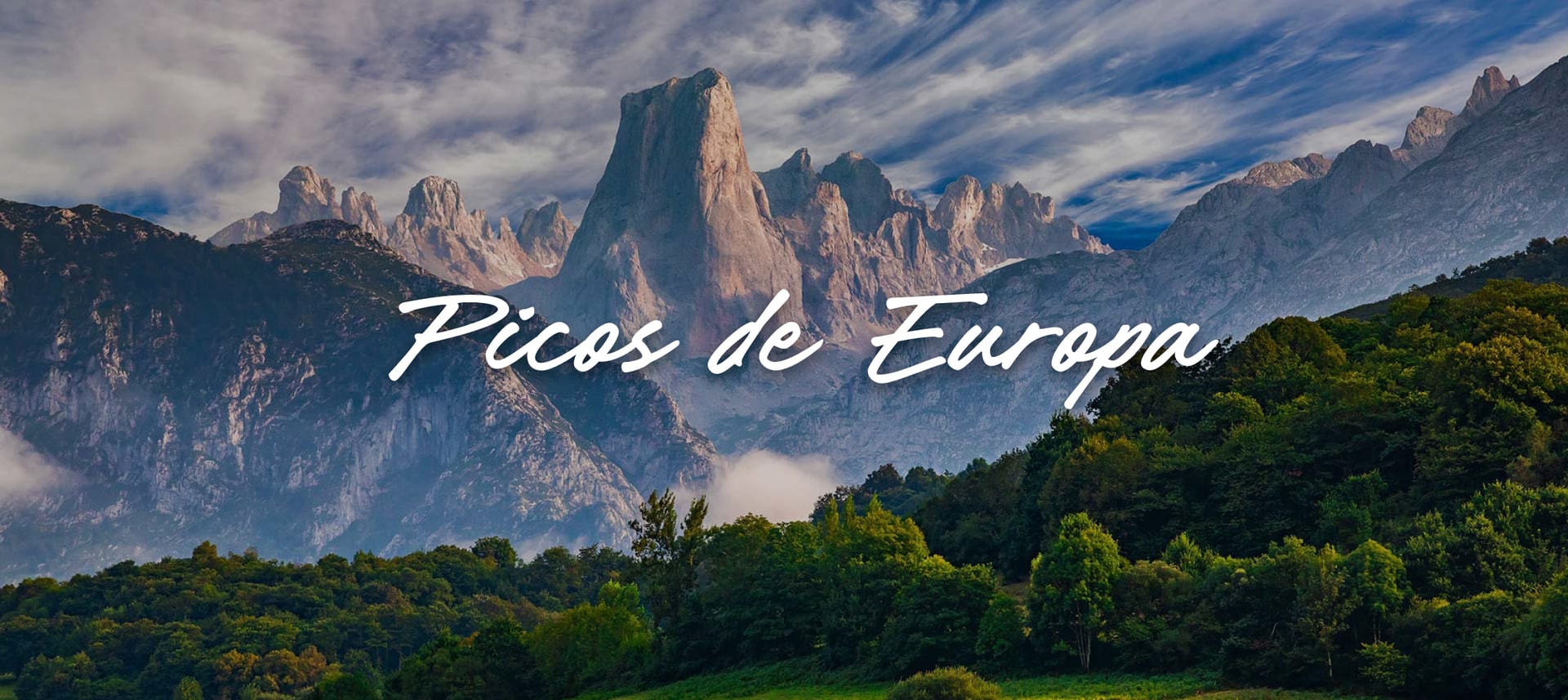
Spain’s landscapes shift from glacial lakes and forested mountains to volcanic ground, marshes and cliffs. At Picos de Europa, the Cares Trail passes through gorge country. On La Palma, the Volcano Trail winds among volcanoes. Aigüestortes i Estany de Sant Maurici National Park has rivers, streams and lakes, while Doñana National Park has changing scenery and abundant birdlife. The country offers varied terrain for walkers.
Marked GR routes suit multi-day walks, while shorter PR and local SL paths offer less demanding options. Spring brings longer days, and spring and autumn are recommended for hiking. Summer temperatures can be high, while winter snow affects some mountain areas. High mountain routes in Picos de Europa demand special preparation and suitable equipment. They can involve significant elevation gains, exposed sections and dangerous passages.
The Cares Trail in Picos de Europa passes through gorge country, while La Palma’s Volcano Trail winds among volcanoes. Walkers can choose a multi-day GR route or shorter PR and local SL paths. Mountain conditions call for preparation and suitable equipment.
Highlights
Follow the Camino's yellow arrows
Yellow arrows mark the Camino, with pilgrim hostels and centres along the way.
Soak in Ourense's hot springs
Outdoor hot springs in Ourense and other Galician towns include pools on the banks of the River Miño.
Prepare for Picos de Europa
The high-difficulty Reconquest Route crosses meadows, forests and deep canyons. Snow can block high sections, and fog means not starting.
Destination
Destination
Where to stay
43 curated stays ·


When to visit
Best seasons for hiking in Spain
Spring and autumn are the strongest seasons for hiking in Spain. Spring brings longer days and flowering trails, while cooler conditions suit mountain routes and help avoid summer heat. April and May, then September and October, suit walks in the Pyrenees, the Picos de Europa and the Sierra Nevada. Spring showers can be brief but intense, so carrying rain protection is sensible.
Summer hiking suits mountainous areas and the north, where temperatures are milder. Inland and southern Spain can be scorching, making long daytime walks a poor fit. Northern regions also see some summer rainfall. Hiking remains possible in many areas in winter, but snow can affect mountain routes, and rainfall is frequent in the north. Mountain walks are best planned for spring or autumn, with snowy conditions avoided in winter.
Frequently asked questions
Practical answers about hiking in Spain: weather, families, highlights and more.
Official Spanish footpaths use different colour markings. GR long-distance routes are marked red, PR routes yellow and local SL paths green. Trails outside the official network may use different signs, so plan and communicate your route before setting out.
Local footpaths marked green as SL are the shortest routes. Spain’s hiking guidance recommends them for children and people with low physical fitness. PR routes use yellow signs, while GR long-distance footpaths use red signs and require several days to complete.
Signposting can differ on trails outside the official footpath network. Plan and communicate your route before setting out, follow local rules and signs, and wear suitable clothing and equipment. The Civil Guard also recommends carrying a first-aid kit and an emergency communication device.
Camping is tightly restricted in Spain. Check which permits apply in controlled camping areas before starting a route. For a long-distance GR footpath, a tourist office or visitor centre can provide information about route difficulty and nearby mountain shelters. Spain also has rural accommodation and campsites in natural surroundings.
The Civil Guard advises hikers not to venture out alone and recommends going with others. Plan and communicate the route before setting out, and carry a first-aid kit and an emergency communication device. Follow signs and local rules, and wear suitable clothing and equipment.