
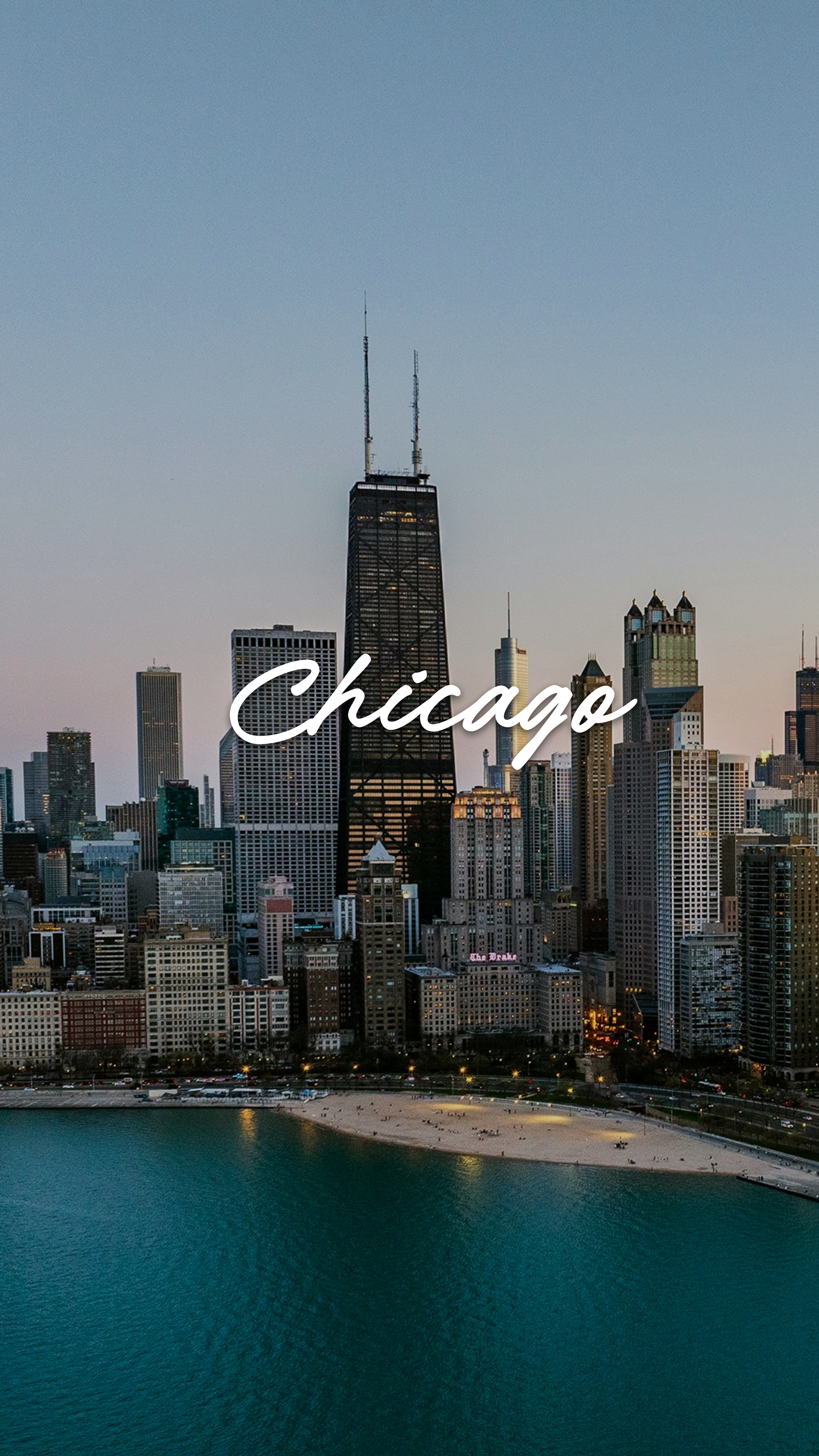
Chicago's running scene is anchored by the Lakefront Trail, a 18-mile path that hugs the shoreline of Lake Michigan. This route provides runners with unobstructed views of the city skyline, urban beaches, and lush parks.
Lakefront Trail for long runs
The 18.5-mile Lakefront Trail offers impressive views of Lake Michigan and the Chicago skyline.
Challenging weather conditions
Cold winters and hot summers can affect running; dress appropriately for the conditions.
Flat urban terrain
Chicago's urban routes, including the Riverwalk, are generally flat and suitable for speed training, but some areas can be crowded.
Access to top-notch tracks
Chicago features several high-quality tracks and trails for speed work and interval training.
Lakefront Trail for long runs
The 18.5-mile Lakefront Trail offers impressive views of Lake Michigan and the Chicago skyline.
Challenging weather conditions
Cold winters and hot summers can affect running; dress appropriately for the conditions.
Flat urban terrain
Chicago's urban routes, including the Riverwalk, are generally flat and suitable for speed training, but some areas can be crowded.
Access to top-notch tracks
Chicago features several high-quality tracks and trails for speed work and interval training.
The best time for running in Chicago spans from late spring to early fall, specifically from May to October. During these months, runners can enjoy warmer temperatures and longer daylight hours, giving great opportunities for outdoor activities along popular routes like the Lakefront Trail. September and October are particularly pleasant, as the weather is mild and the summer crowds have diminished, allowing for a more enjoyable running experience. While summer offers lively outdoor events and activities, it can also bring high humidity and heat, which may be challenging for some runners. Early mornings are recommended during these peak months to avoid the heat. Runners should also consider the time of day when planning their runs, as temperatures tend to be cooler in the early morning and late evening. Overall, Chicago's running community thrives...
Practical answers about running in Chicago — weather, families, highlights, and more.
Chicago's Lakefront Trail can get crowded, especially on weekends, which may disrupt pacing. Additionally, while the trail is mostly flat, some sections may have uneven surfaces or sudden wind changes near the lake. Runners should also be cautious of traffic when crossing streets in busy downtown areas and be aware of hazards such as construction or rapid weather shifts.
Chicago offers a variety of routes, including the 18.5-mile Lakefront Trail, which provides uninterrupted views of Lake Michigan and the skyline. Other notable paths include the 2.7-mile Bloomingdale Trail (The 606) and the North Branch Trail, which stretches for about 20 miles. Each route offers a different experience, from urban landscapes to scenic, wooded environments.
Yes, Chicago has numerous running clubs that welcome all levels. Groups like the Chicago Slow Run Club and CARA (Chicago Area Runners Association) specifically cater to all paces, ensuring that no one is left behind. Many stores also offer structured meetups to help new runners feel supported.
Properly fitted running shoes are crucial. Local stores like Fleet Feet or Running Away offer expert fittings. Additionally, moisture-wicking clothing is recommended to avoid chafing, and carrying water is essential, especially on humid summer days along the Lakefront Trail.
The peak running season spans from March through October, with September and October being particularly pleasant due to cooler temperatures and the excitement surrounding the Chicago Marathon. Early mornings are popular for long runs to avoid the midday heat and the peak tourist crowds on the trail.
