

Running in St. Moritz & Engadin Valley
Why running in St. Moritz & Engadin Valley?
St. Moritz & Engadin Valley is a prime destination for athletes seeking varied running experiences. The region's high-altitude terrain, situated around 1,800 meters above sea level, allows for unique training opportunities. Runners can explore well-maintained lakeside paths, forest trails, and rolling alpine roads, all set against dramatic alpine backdrops. The clean mountain air and varied terrain provide a good environment for both structured training and casual runs. Specific routes, such as the Belvair route and the Engadin Ultra Trail, showcase the area’s notable landscapes while giving challenging climbs and beautiful views.
The running experience in St. Moritz & Engadin Valley is enhanced by its supportive community and infrastructure. Popular areas like Pontresina and La Punt Chamues-ch serve as starting points for numerous trails, including the Via Grischuna, which connects St. Moritz to Pontresina. The Engadin Ultra Trail, held in mid-July, attracts serious competitors and highlights the region's focus on endurance sports. Runners can also enjoy less-frequented paths, giving an excellent setting for both competitive and recreational athletes.
On a rest day in St. Moritz and the Engadin Valley, travelers can explore the inviting neighborhood of Pontresina, known for its distinctive architecture and local shops. A visit to the Chesa Veglia, one of the oldest farmhouses in the Engadin, offers insight into the region's history. Additionally, the local markets in Pontresina and Silvaplana feature unique products like wooden sculptures and honey. For a relaxing experience, visitors can unwind at the mineral baths and spa in Samedan, enjoying the calming mountain views.
Highlights
High-altitude training benefits
Running at elevations between 1,800 and 3,300 meters provides altitude advantages, improving endurance and performance.
Notable alpine landscapes
The region features impressive views of glaciers and mountain lakes, improving the running experience.
Watch for wildlife
While running, be aware of wildlife such as ibex, which can be spotted along the trails.
Access to professional facilities
Athletes can utilize tracks and sports facilities designed for structured training sessions in St. Moritz.
Destination
Destination
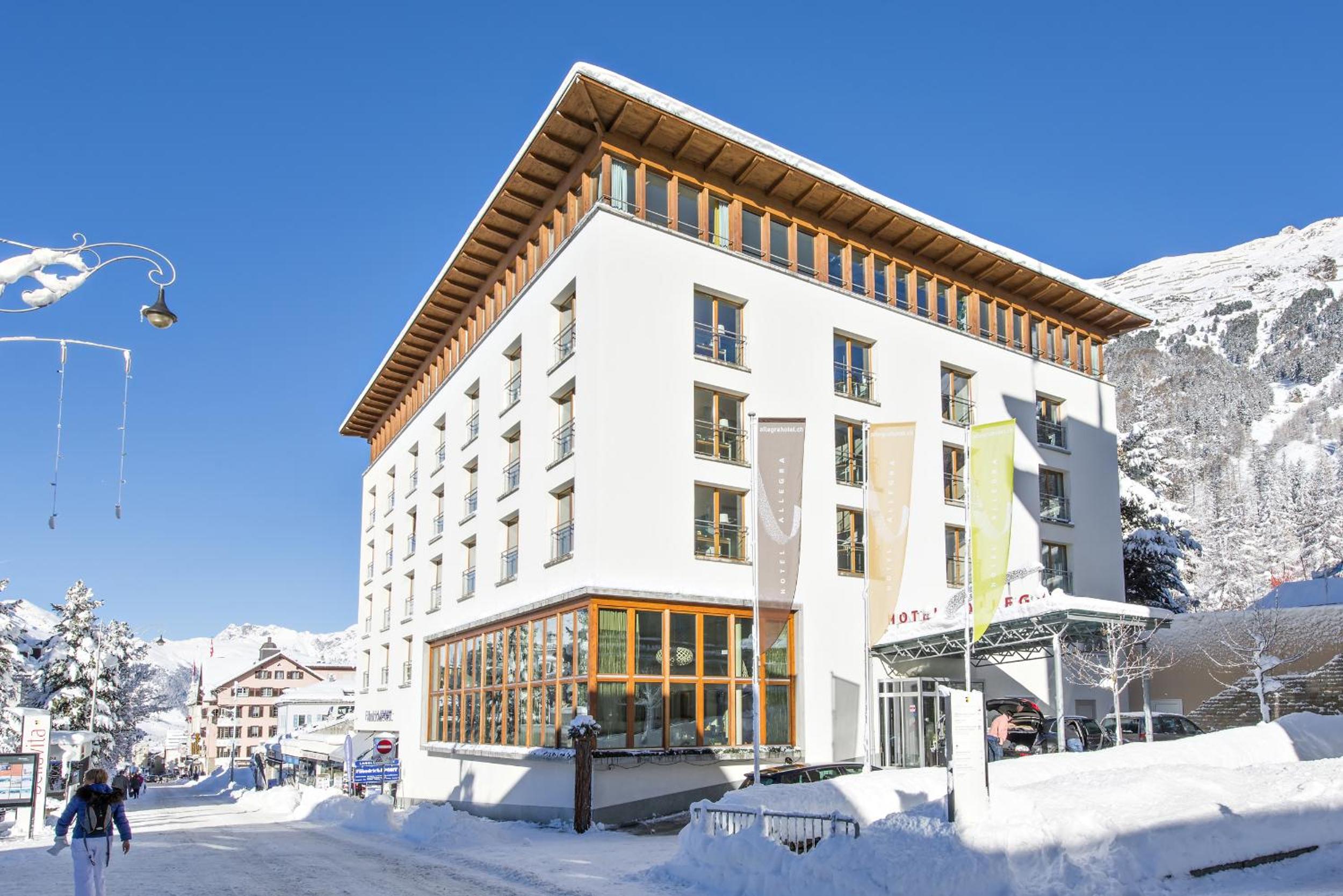
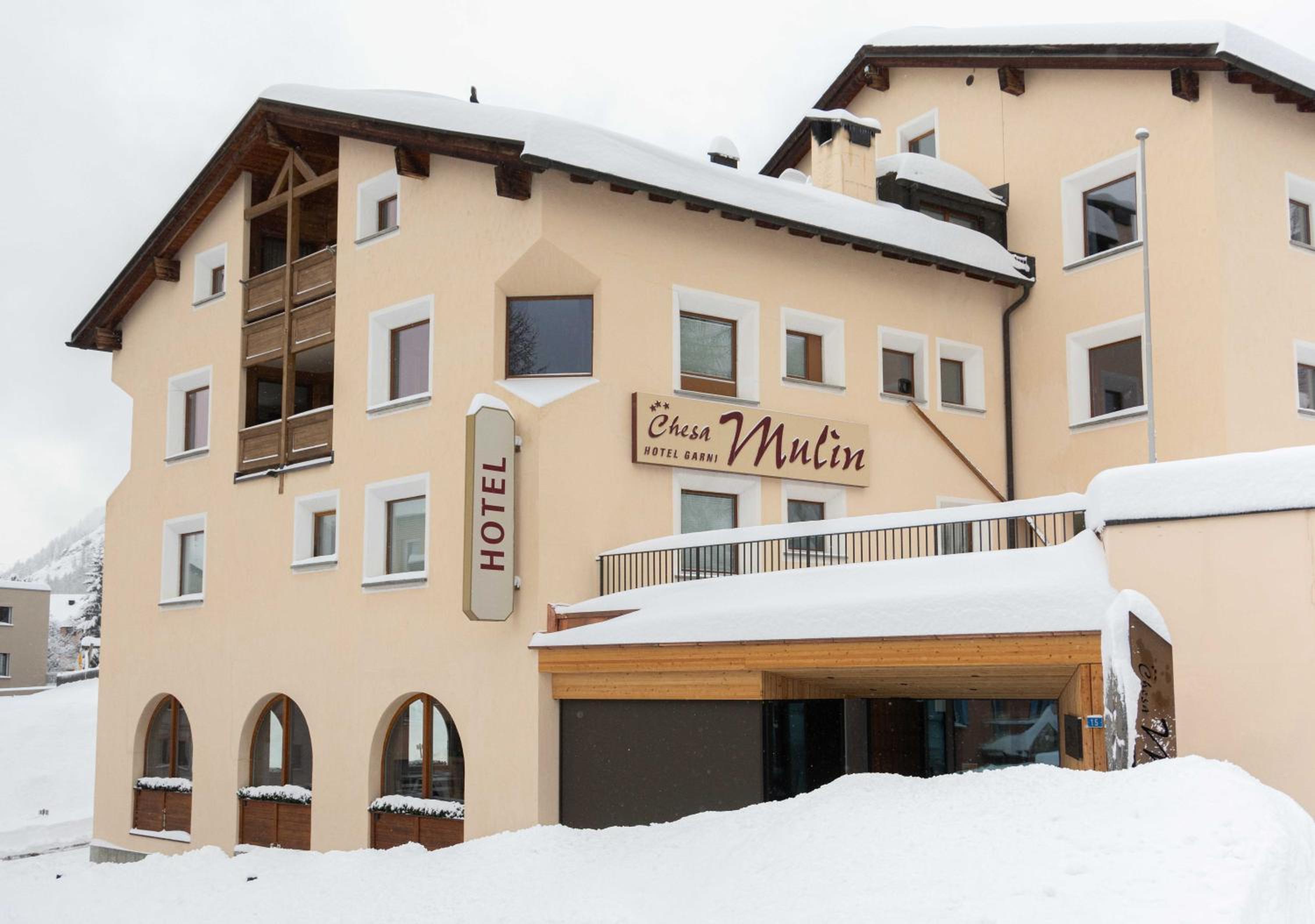
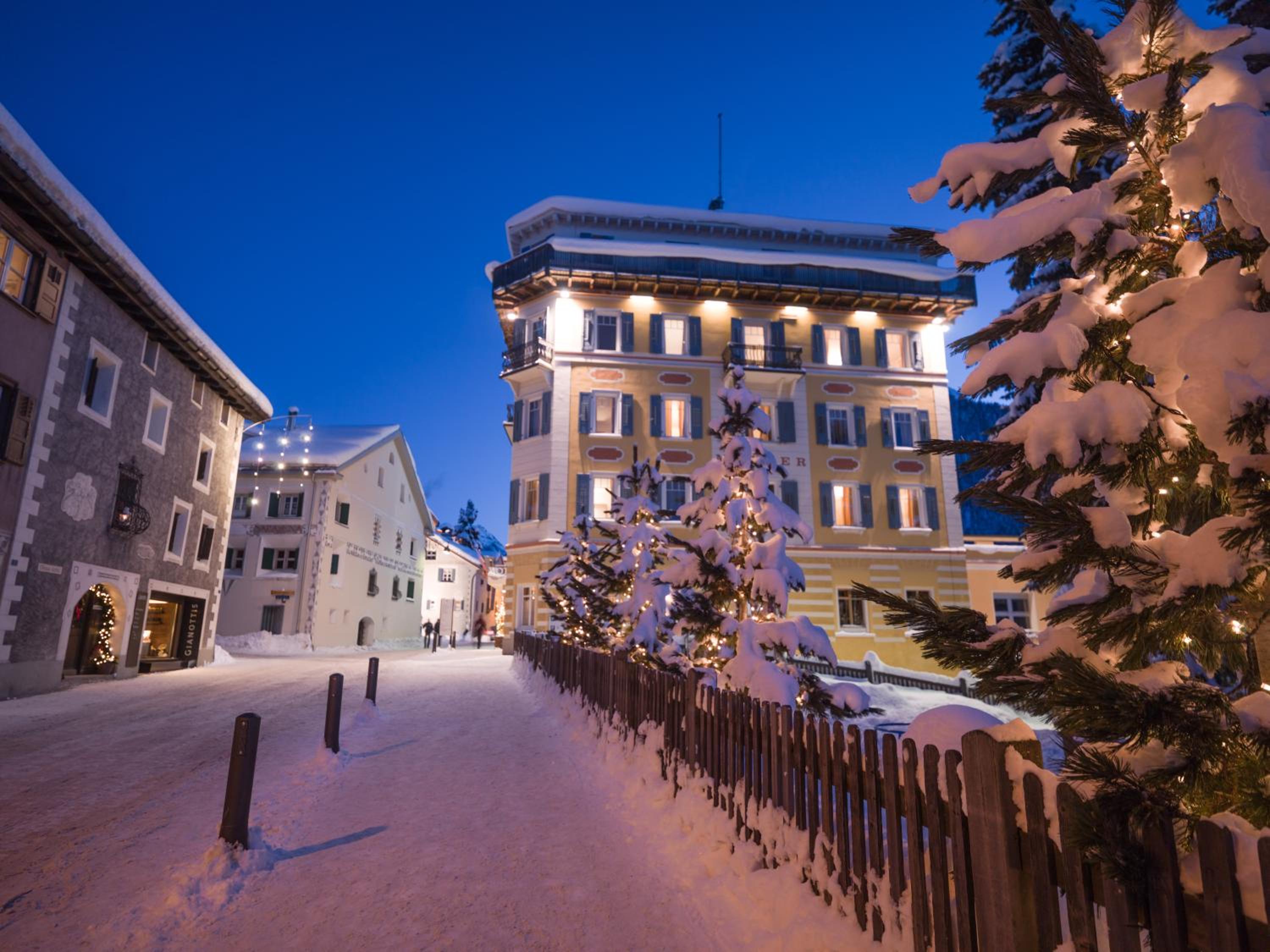
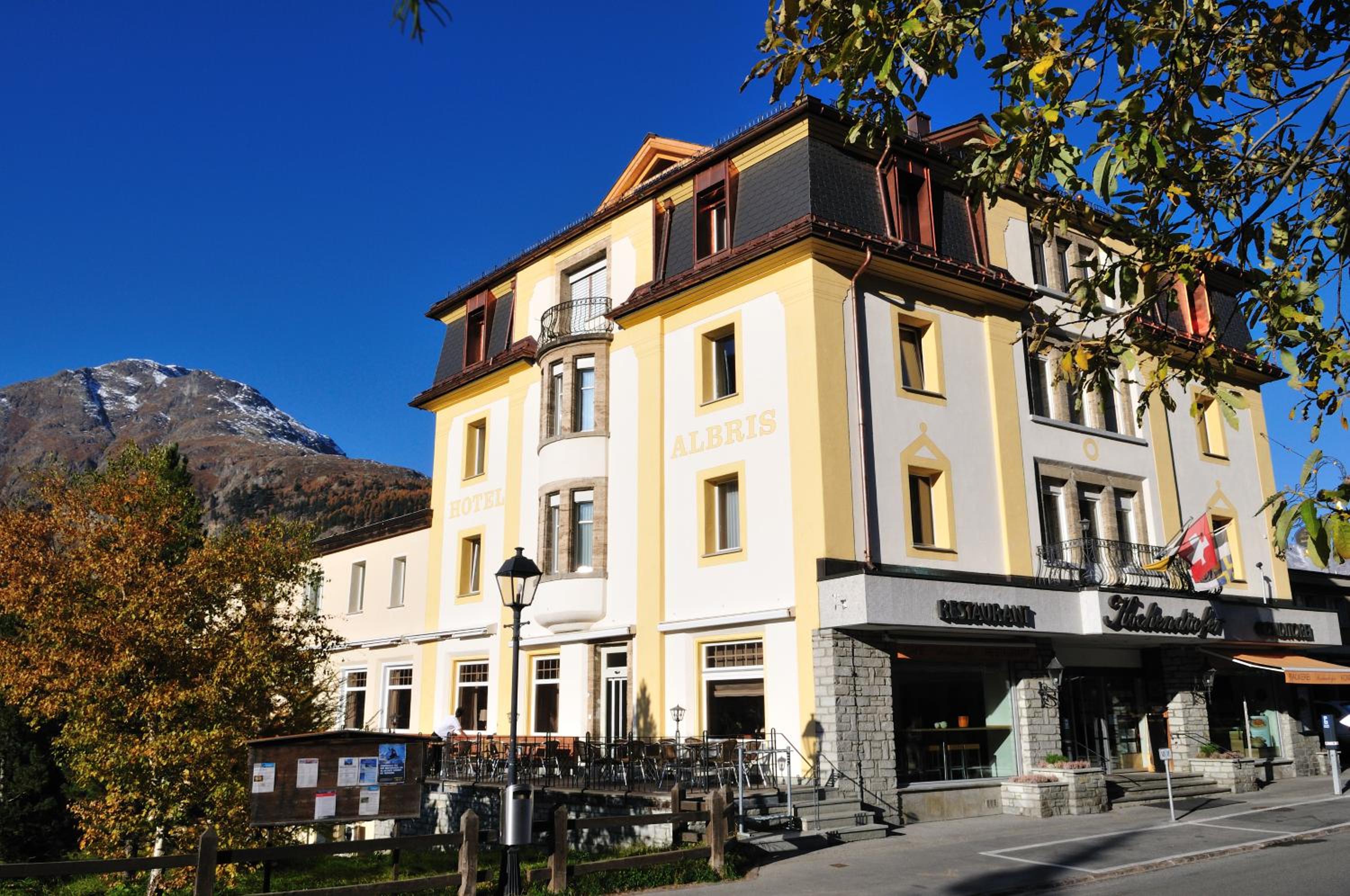
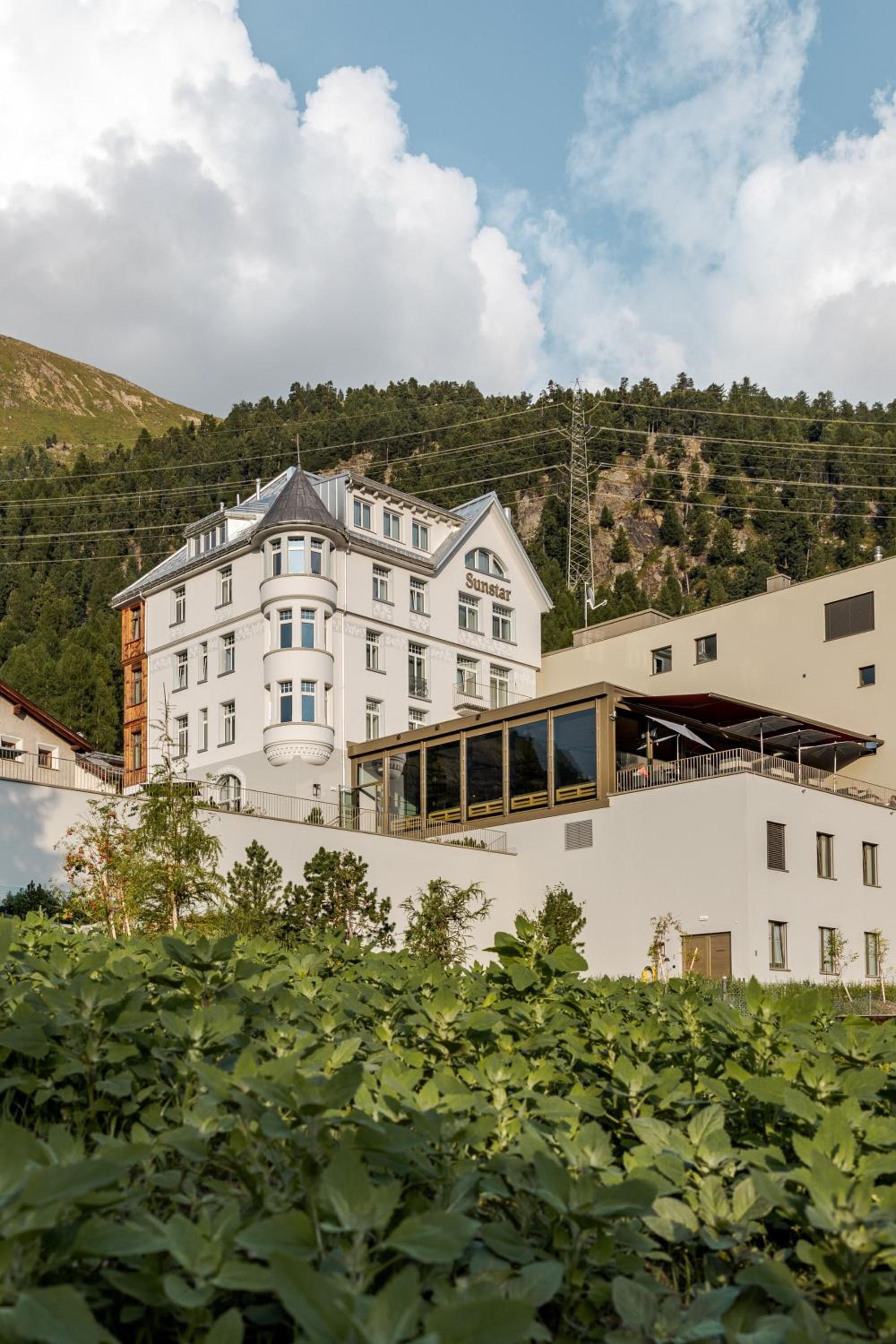
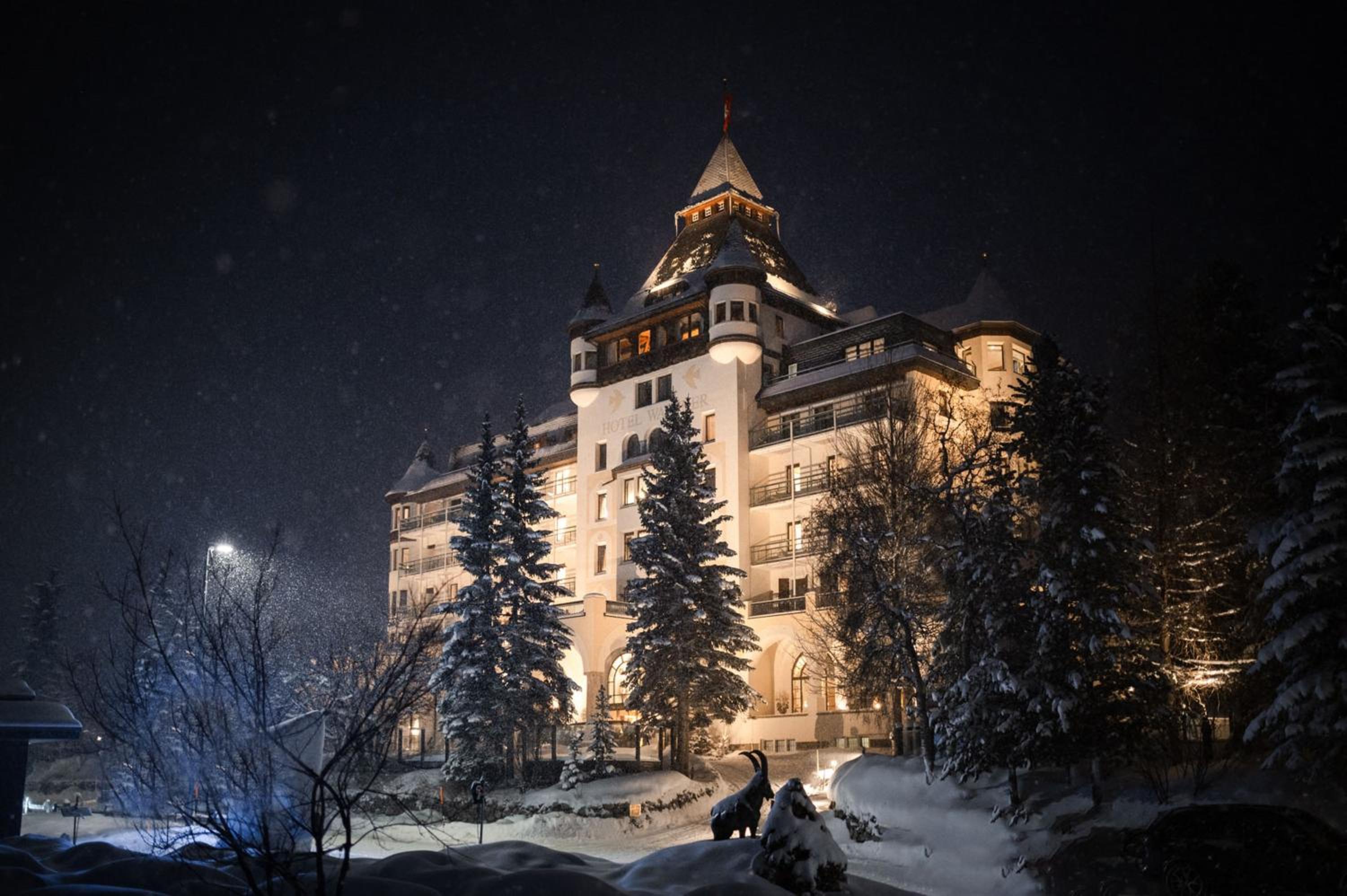
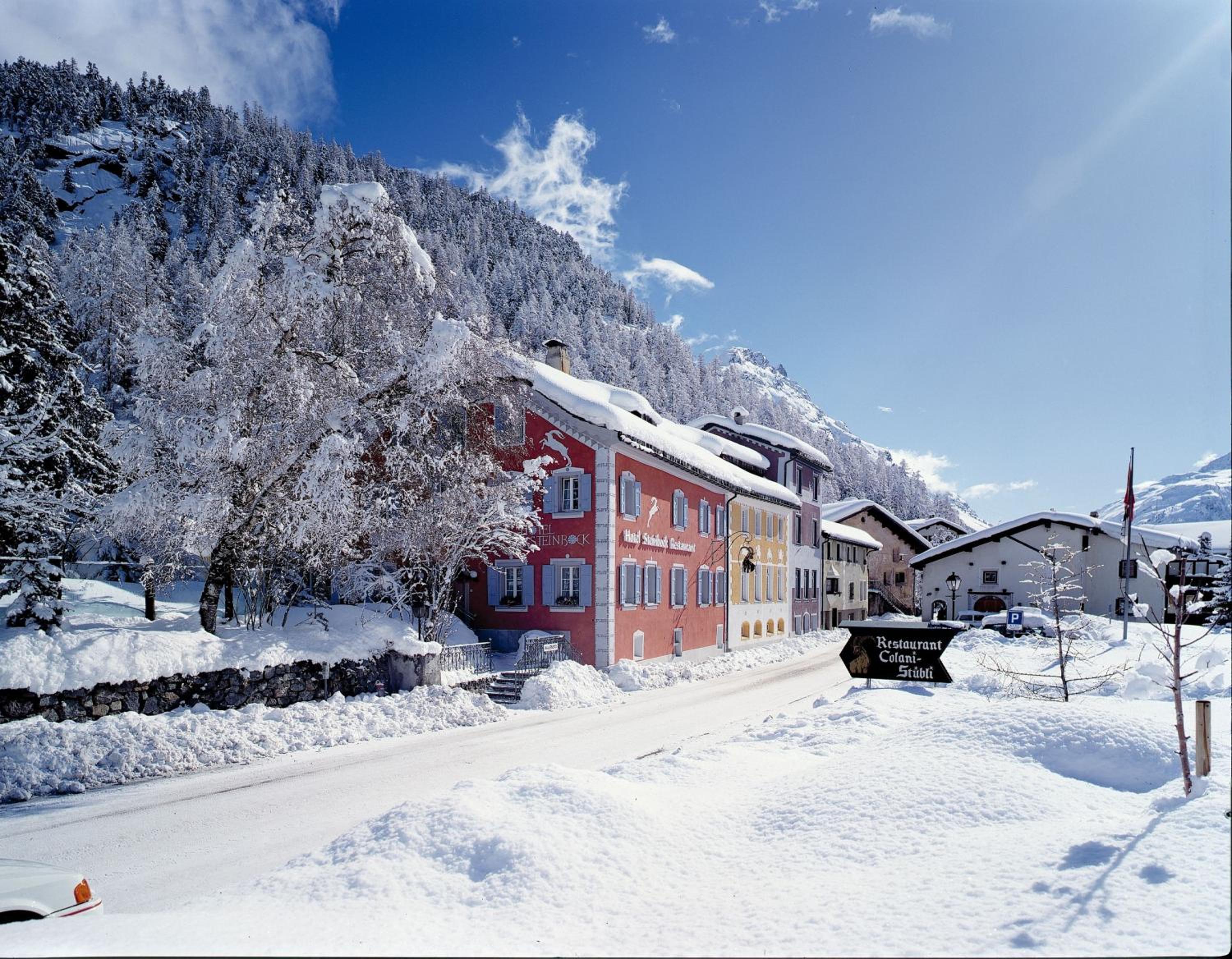
Where to stay
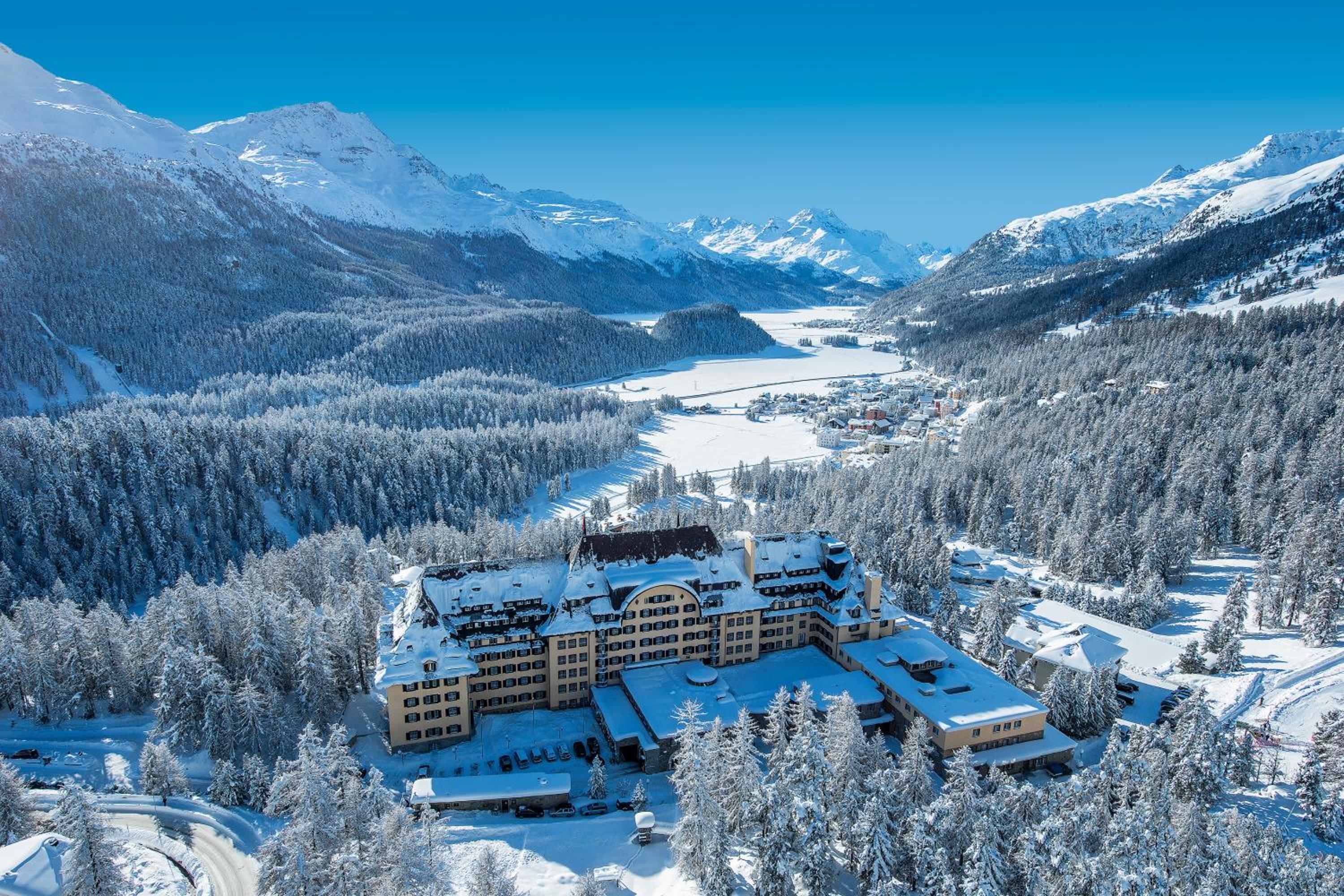
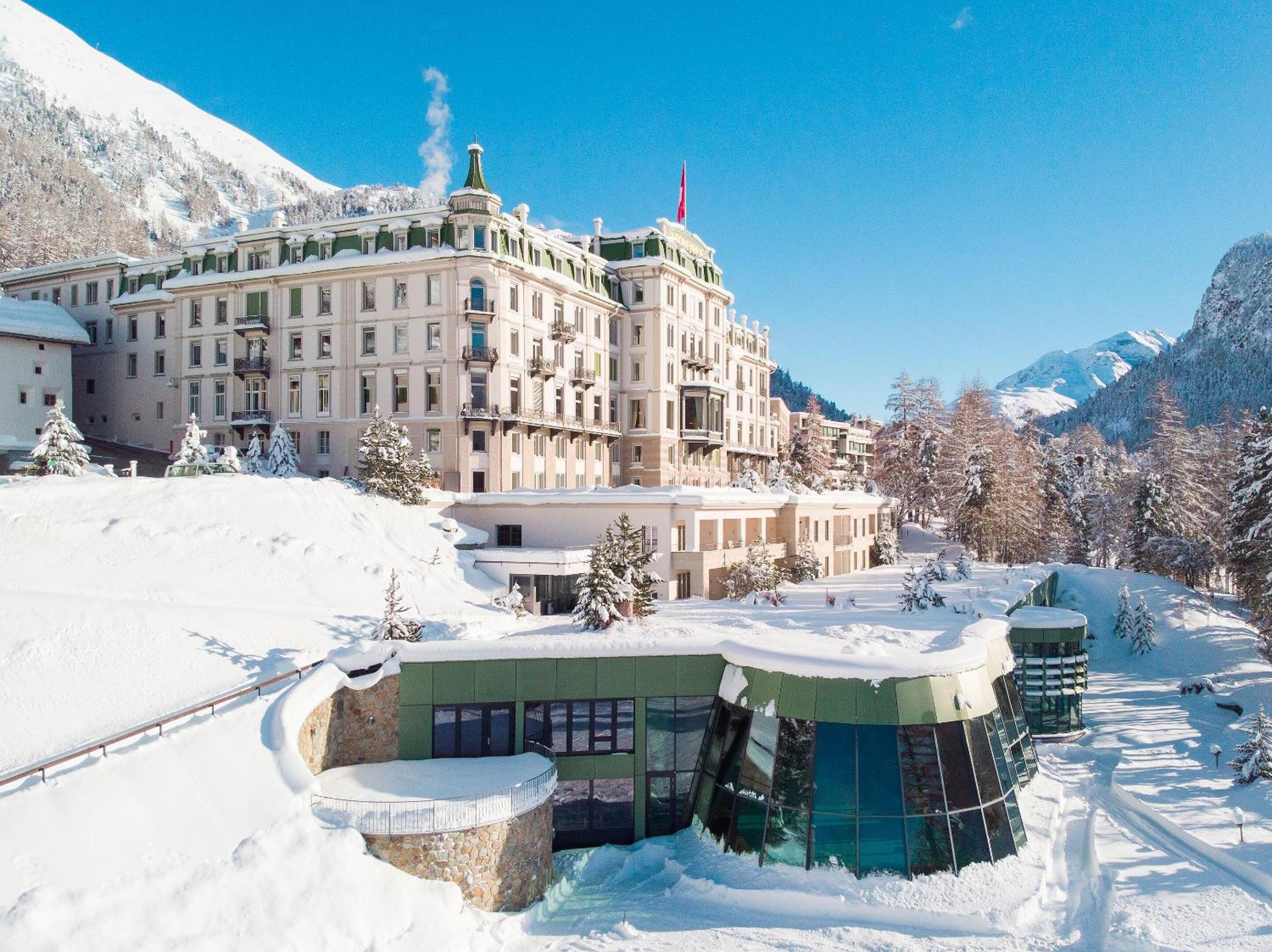
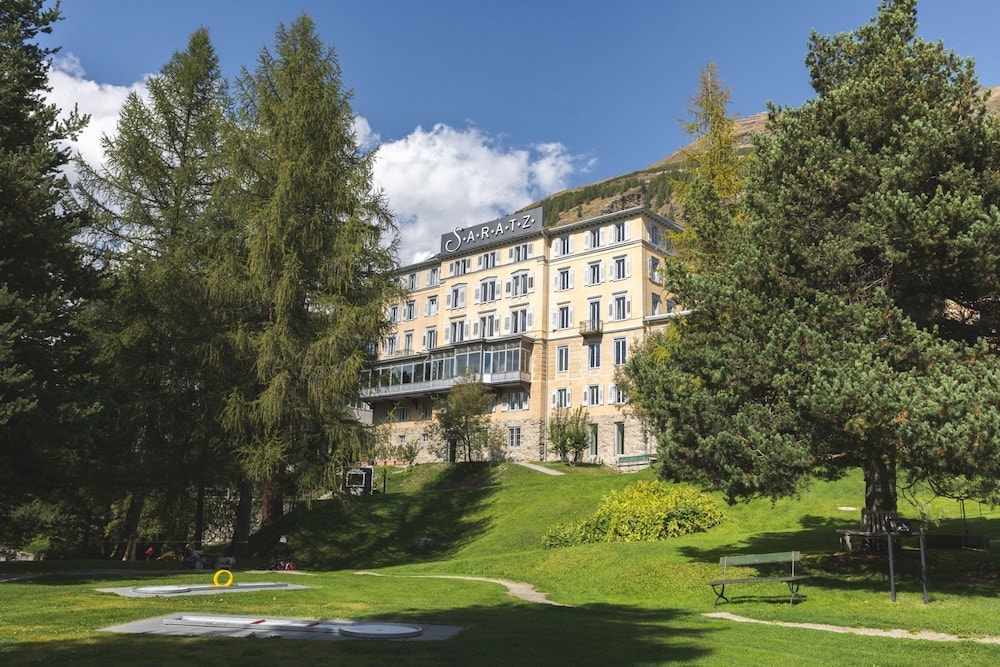
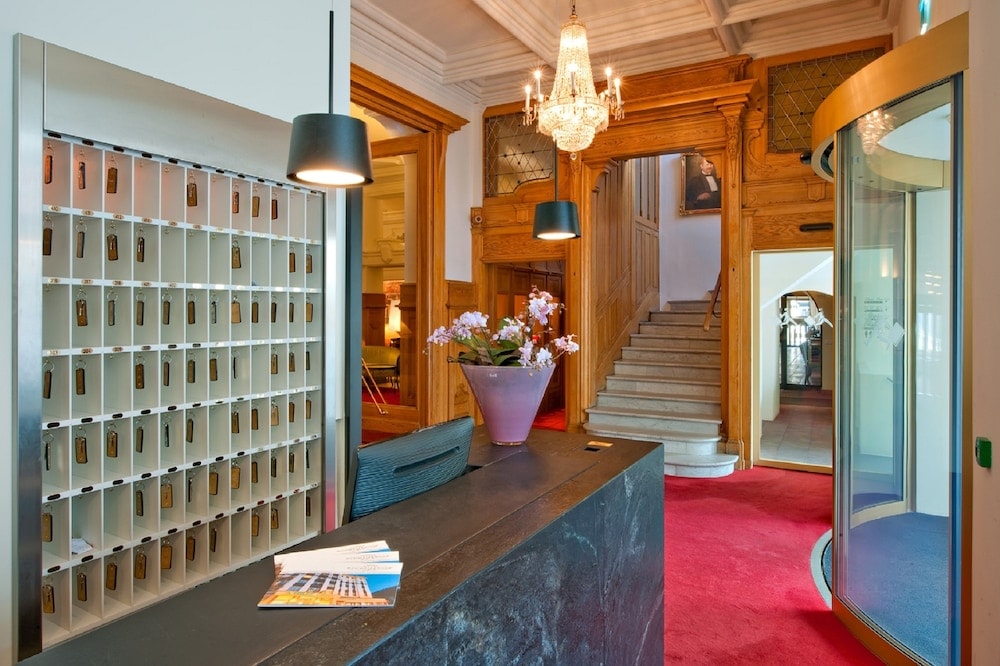
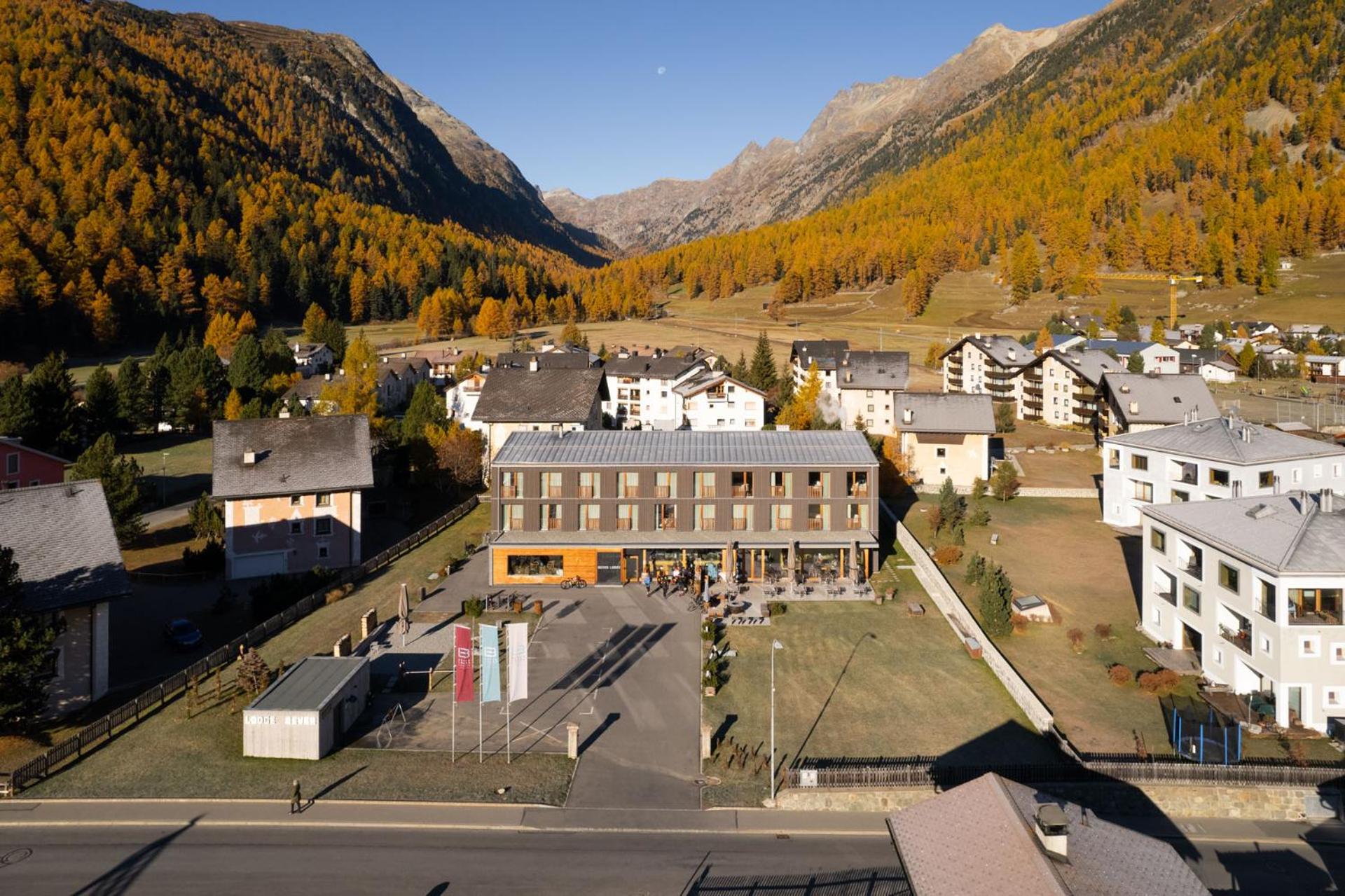
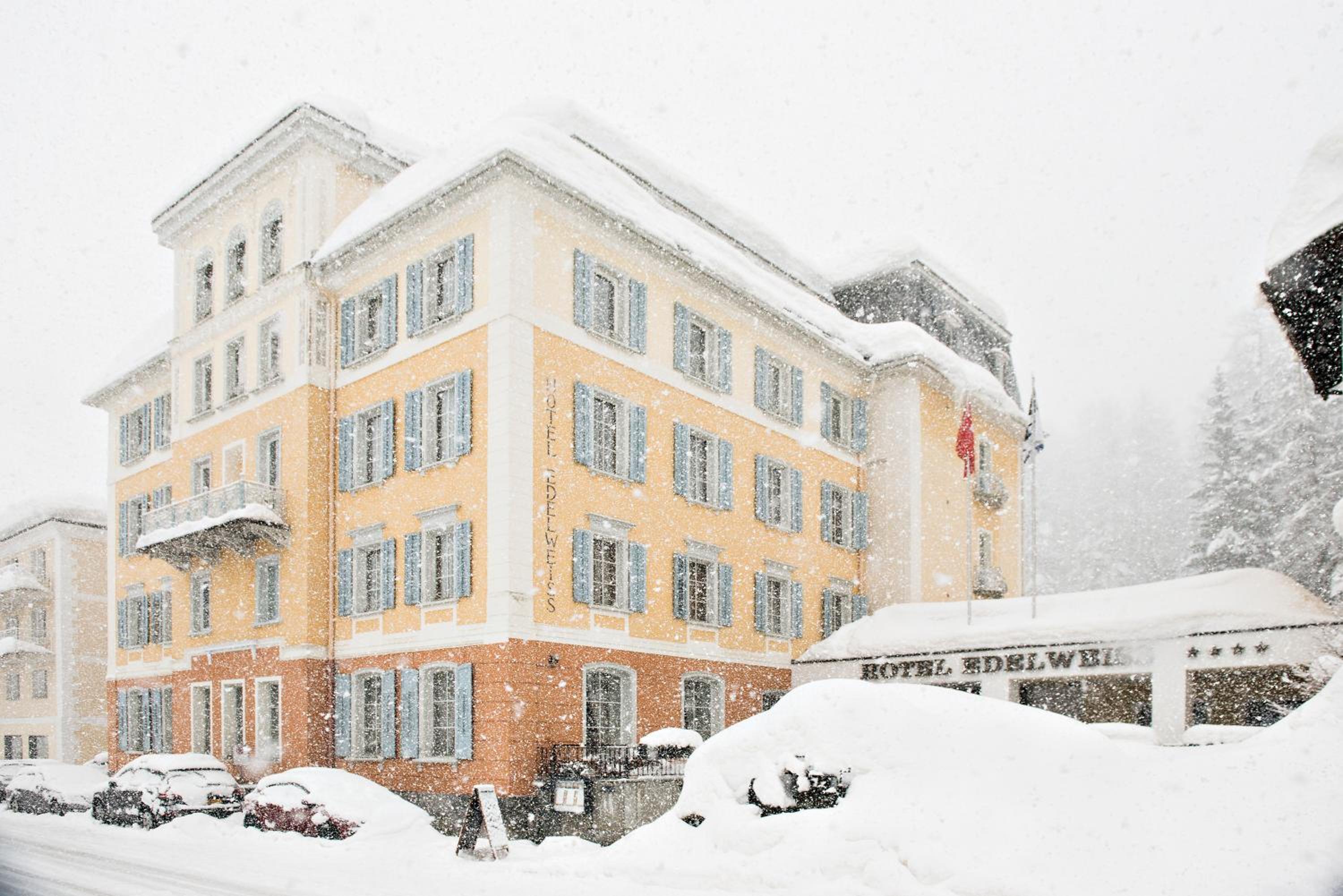
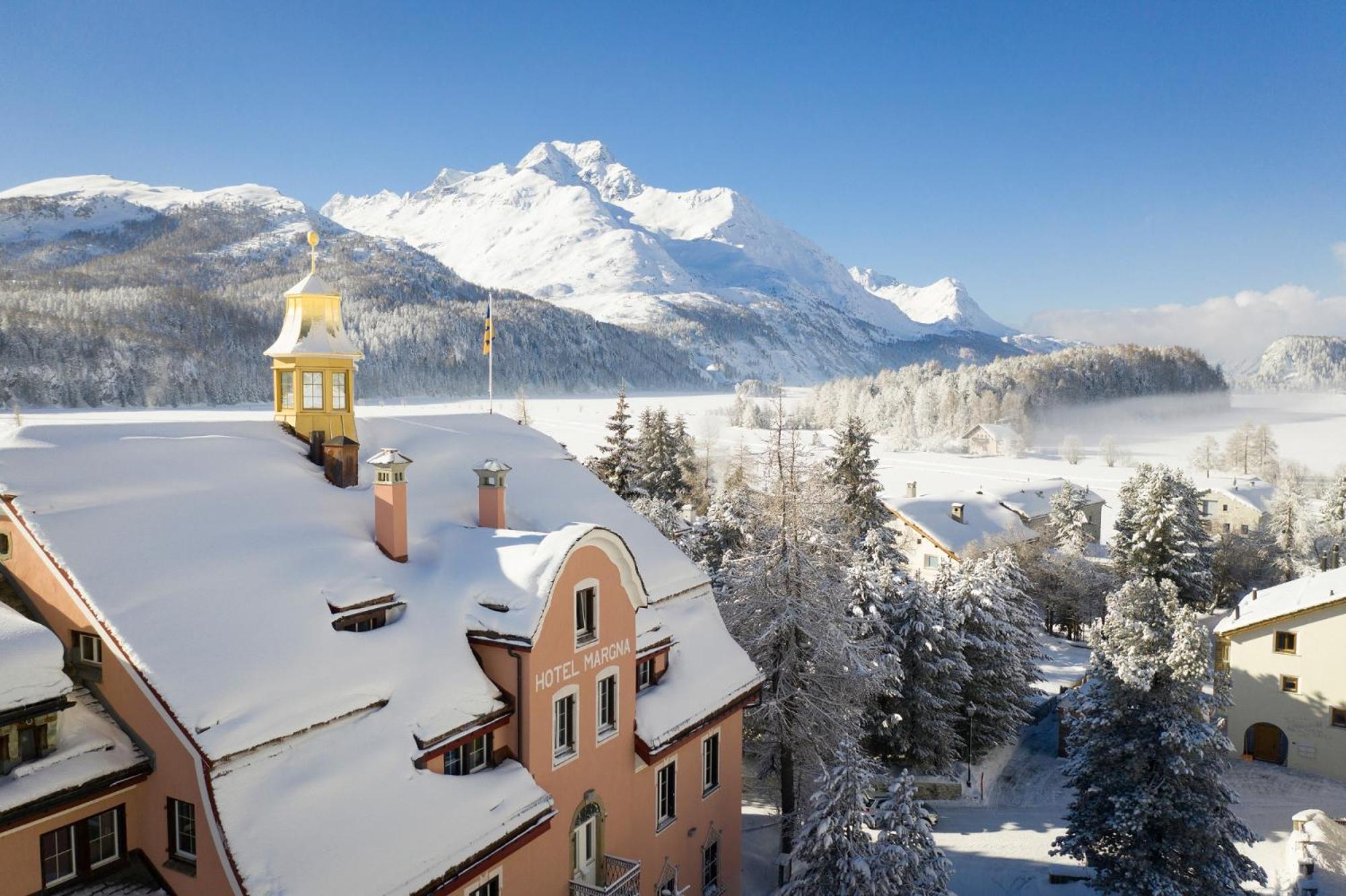
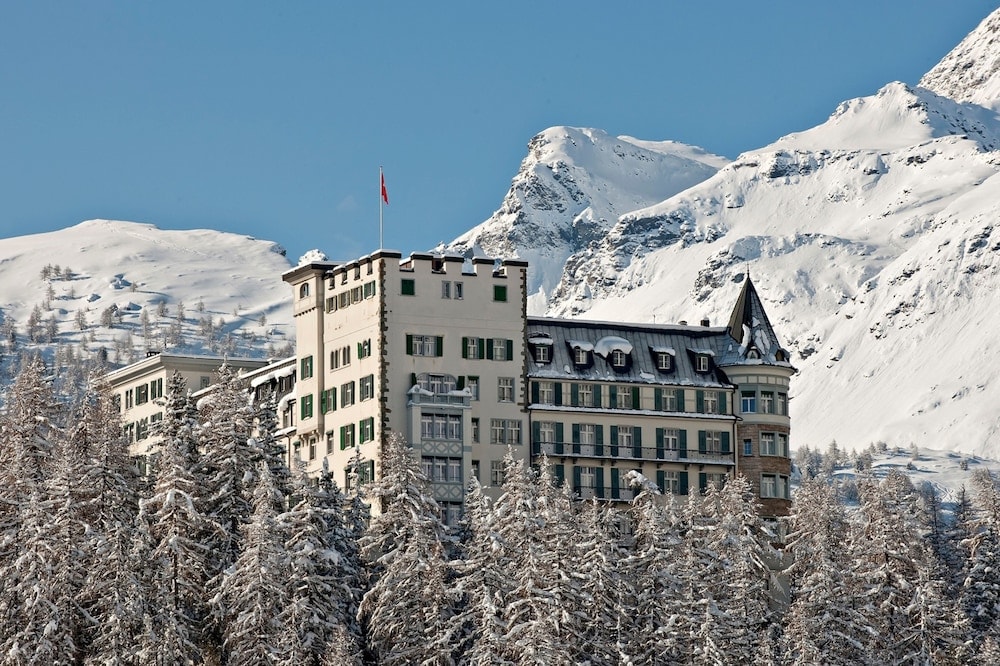
38 curated stays ·

When to visit
Best seasons for running in St. Moritz & Engadin Valley
The best time for running in St. Moritz and the Engadin Valley is from June to October, with peak conditions typically found from July to September. During these months, the trails are mostly free of snow, and temperatures are more suitable for outdoor activities. The fall, particularly late September to early October, is also highly recommended for its striking autumn colors, especially the golden larch trees, creating a visually engaging running experience. However, as October progresses, the risk of snow increases, which can hinder access to higher trails.
While the summer months attract more visitors, leading to busier trails and higher accommodation costs, the shoulder seasons of late spring and early autumn offer a quieter atmosphere and lower rates. Spring, particularly May, may still present some lingering snow on higher trails, but lower routes become accessible, allowing for enjoyable runs. In contrast, winter months see significant snowfall, limiting running opportunities, making the warmer months the most suitable for trail running in this attractive region.
Frequently asked questions
Practical answers about running in St. Moritz & Engadin Valley: weather, families, highlights and more.
Runners should be aware of the altitude, as St. Moritz sits at around 1,800 meters, which can affect stamina and hydration. Some trails may also be shared with winter sports activities, so caution is necessary during snowy months. Additionally, certain routes, like the Via Val Roseg, can feature uneven surfaces and steep climbs, requiring good footwear and experience. Runners should also be cautious of rocky terrain and varying weather conditions.
The region offers a mix of terrains, including lakeside paths, forest trails, and mountain climbs. Notable routes include the flat loop around Lake St. Moritz and the undulating paths leading to Lej de Staz. For those seeking a challenge, trails like the Via Val Roseg provide an attractive yet demanding experience, with some sections being rocky and requiring good footing.
Yes, beginners can enjoy several flat and undulating routes, such as the 4 km loop around Lake St. Moritz. The area also features easy paths along the banks of Lej da Champfèr and Lej da Silvaplauna, making it accessible for novice runners looking to acclimatize to the altitude. However, they should be prepared for some uneven surfaces.
Runners should bring sturdy shoes suitable for varying terrain, as trails can be rocky and uneven. A windproof jacket is important due to the 'Engadinwind', which can lower perceived temperatures. Hydration packs are also recommended, as water refill points may not be readily available on some routes. Additionally, runners should consider bringing layers to adapt to changing weather conditions.
Yes, running solo is common, and many trails are well-marked, reducing the risk of getting lost. However, joining local running groups or events can improve the experience and provide insights into the best routes. Popular areas for solo runners include the paths around the lakes and the forest trails leading to Pontresina, though caution is advised in more remote areas.