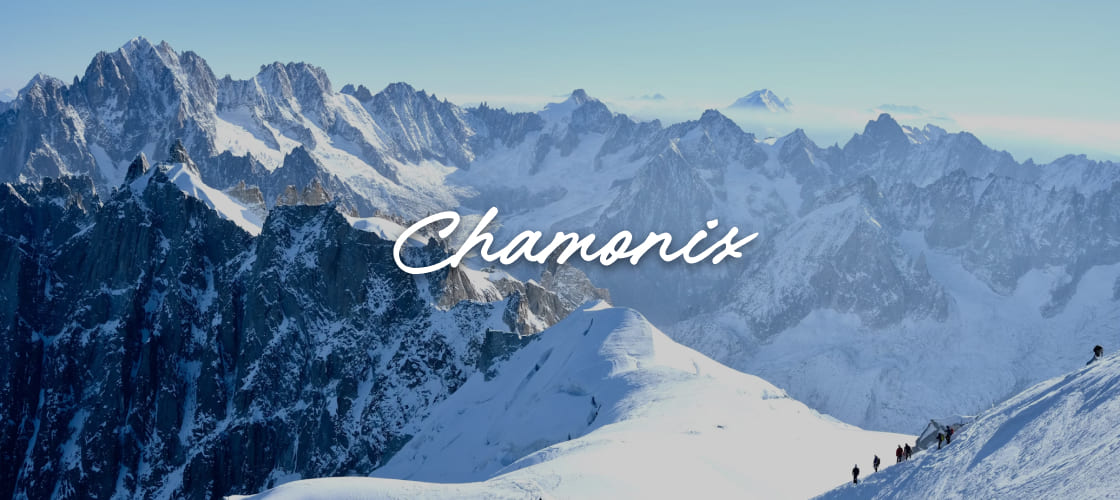
Chamonix sits beneath Mont Blanc, giving the valley one of the most dramatic alpine settings in Europe. The terrain varies widely, from steep, high-altitude slopes at Grands Montets to the more accessible runs of Les Houches.
Glacial Off-Piste
The legendary 20km Vallée Blanche (Guide strongly recommended)
Unrivaled Vertical Drop
Chamonix offers some of the longest vertical descents in the world, with the Aiguille du Midi providing a 2,807m drop that will test the endurance of even the fittest professional athletes.
Impressive views of Mont Blanc
Chamonix's terrain features notable vistas of Mont Blanc, improving the skiing experience with dramatic landscapes.
Glacial Off-Piste
The legendary 20km Vallée Blanche (Guide strongly recommended)
Unrivaled Vertical Drop
Chamonix offers some of the longest vertical descents in the world, with the Aiguille du Midi providing a 2,807m drop that will test the endurance of even the fittest professional athletes.
Impressive views of Mont Blanc
Chamonix's terrain features notable vistas of Mont Blanc, improving the skiing experience with dramatic landscapes.
The main ski season in Chamonix runs from December to April, when most lifts and ski areas operate consistently. Early December marks the start of the winter season, although snow coverage can vary depending on early storms and temperatures.
The most dependable snow base and classic “big mountain” conditions usually occur between late January and late March. During this period, higher-altitude areas such as Grands Montets tend to offer the most stable snowpack and off-piste opportunities.
By March and April, longer daylight hours and milder temperatures create typical spring skiing conditions. April in particular is often favored for ski touring and high-mountain routes, when clearer weather windows and firmer morning snow can make longer alpine days more practical.
Practical answers about ski in Chamonix — weather, families, highlights, and more.
Chamonix is steep and fragmented. Most sectors are high-altitude and exposed. While Les Houches offers shelter and trees for bad weather, the rest of the valley is rugged. Crucial: The Vallée Blanche is high-alpine glacier terrain; never attempt it without a mountain guide and avalanche safety gear.
Renting locally is highly recommended because the terrain varies wildly. You might want 90mm waist "all-mountain" skis for the groomed runs at Flégère, but you'll need 105mm+ "fat skis" and avalanche safety gear (transceiver, probe, shovel) if you're heading to the Grands Montets after a storm. Most shops offer "Gold" packages that allow you to swap gear based on the day's conditions.
While Les Houches and the low-altitude "Savoy" slopes offer nursery areas, Chamonix is primarily an intermediate-to-expert playground. Beginners may find the logistics of moving between areas frustrating. For those learning, Les Houches provides the most consistent progression, but the true spirit of "Cham" is found in its challenging, un-groomed terrain.