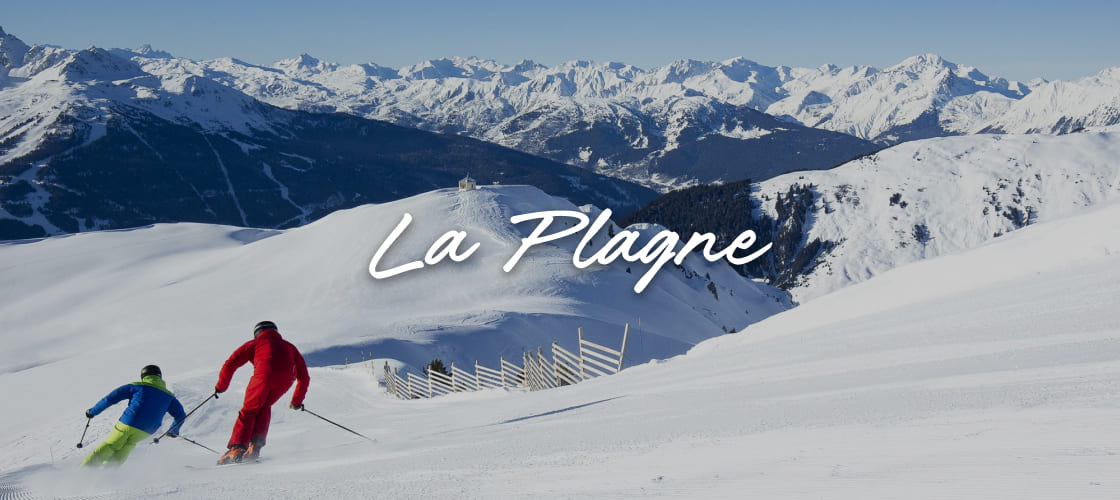
La Plagne features 225 kilometers of local pistes, primarily consisting of wide blue and red runs, making it particularly suitable for beginners and intermediates. The terrain is varied, with options for glacier skiing and snowparks, which add excitement to the experience.
Extensive ski terrain for all levels
La Plagne features a variety of wide blue and red runs suitable for beginners and intermediates.
Home to freestyle champion Tess Ledeux
Tess Ledeux, Olympic silver medallist and youngest-ever freestyle ski world champion, trained at La Plagne's freestyle club from childhood.
Quality snow conditions year-round
The resort's altitude and glacier skiing ensure excellent snow conditions throughout the ski season.
Bobsledding on an Olympic track
Visitors can experience bobsled and skeleton rides on the historic Olympic bobsled track.
Extensive ski terrain for all levels
La Plagne features a variety of wide blue and red runs suitable for beginners and intermediates.
Home to freestyle champion Tess Ledeux
Tess Ledeux, Olympic silver medallist and youngest-ever freestyle ski world champion, trained at La Plagne's freestyle club from childhood.
Quality snow conditions year-round
The resort's altitude and glacier skiing ensure excellent snow conditions throughout the ski season.
Bobsledding on an Olympic track
Visitors can experience bobsled and skeleton rides on the historic Olympic bobsled track.
The best time to ski in La Plagne is from December to April, with December marking the start of the ski season. The resort's 1992 Olympic bobsled track occasionally hosts IBSF World Cup rounds and offers public rides throughout the winter. January and February provide excellent snow coverage, attracting serious skiers and families alike, while March and April offer milder weather and longer days, creating a good time for enjoyable skiing and experiencing the après-ski scene. Peak season brings busy crowds, especially during school holidays, which enhances the lively atmosphere but may lead to longer lift lines. Off-peak months, particularly early December and late March, present quieter slopes, allowing for a more peaceful experience. Although La Plagne is primarily a winter destination, the off-season transforms the area, with summer activities like hiking and...
Practical answers about ski in La Plagne — weather, families, highlights, and more.
La Plagne features 225 km of pistes primarily consisting of wide blue and red runs, making it suitable for beginners and intermediates. Advanced skiers will find some challenging routes, but they are limited compared to the overall terrain. The area also includes snowparks and glacier skiing, presenting a variety of experiences for different skill levels.
Renting ski equipment is common in La Plagne, with many shops offering a range of options suitable for all levels. First-timers should check the condition of rental gear and ensure it fits properly. Bringing personal gear can be advantageous for those with specific preferences, but renting allows for flexibility in trying different equipment.
Beginners will find La Plagne welcoming, with a significant portion of the terrain dedicated to easier runs. The wide blue pistes provide sufficient space for learning, and the ski schools in the area offer lessons tailored to novices. Additionally, the ski-in/ski-out access in many villages simplifies getting to the slopes.
La Plagne has mountain restaurants spread across its 11 villages, from self-service cafeterias to sit-down Savoyard restaurants serving tartiflette and fondue. Peak lunchtime (12:00–13:30) gets busy, so eating earlier or later avoids queues. The lower villages like Montchavin-Les Coches and Champagny tend to have quieter, better-value options than the higher purpose-built centres.