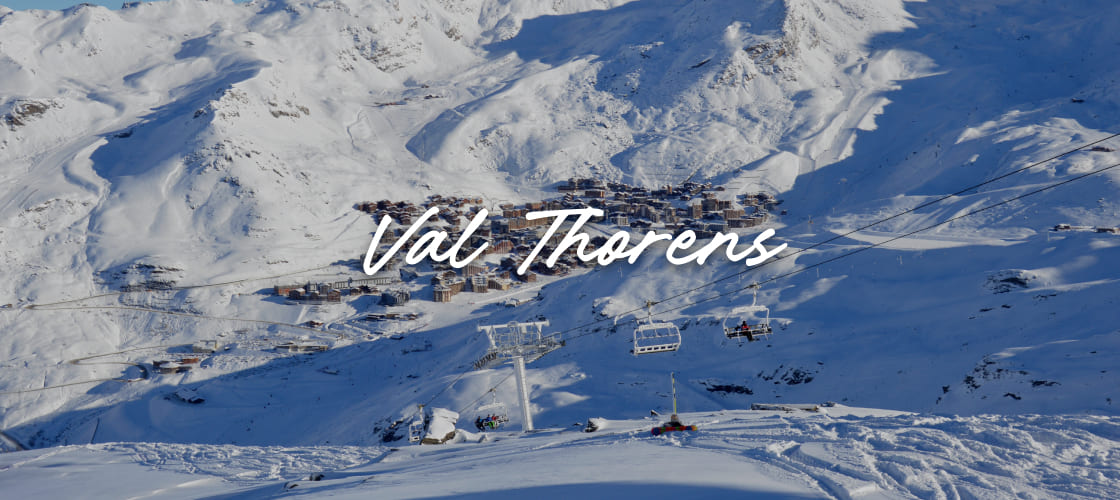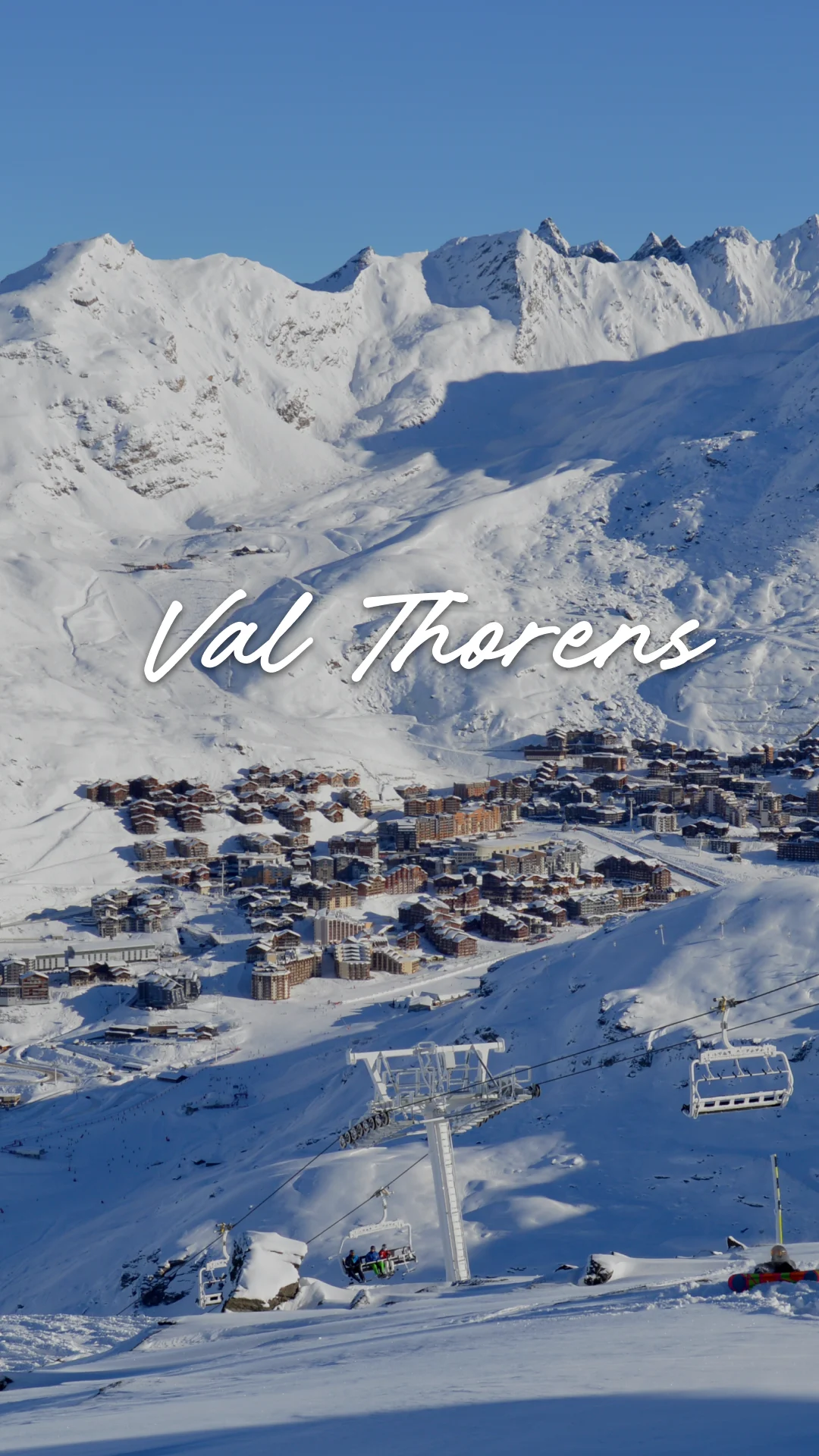
Val Thorens stands at 2,300 m, ranking as Europe’s highest ski resort, which keeps reliable snow and extensive terrain across the 3 Vallées. Skiers can explore a wide network of pistes, ranging from gentle slopes for beginners to challenging off-piste routes for advanced skiers.
Fis Ski Cross World Cup opener
Val Thorens hosts the highest ski cross track in Europe, featuring exciting world-class competitions each December.
Convenient transit from major hubs
The resort is well-connected via shuttle services and trains from international airports like Geneva and Lyon, making it accessible for global travelers.
Reliable snow throughout the season
Its record-breaking altitude ensures consistent snow coverage and a long season, providing a premium experience for all skill levels.
Extensive terrain for all levels
As part of the world's largest ski area, Val Thorens offers a vast network of pistes, from gentle nursery slopes to challenging off-piste landscapes.
Fis Ski Cross World Cup opener
Val Thorens hosts the highest ski cross track in Europe, featuring exciting world-class competitions each December.
Convenient transit from major hubs
The resort is well-connected via shuttle services and trains from international airports like Geneva and Lyon, making it accessible for global travelers.
Reliable snow throughout the season
Its record-breaking altitude ensures consistent snow coverage and a long season, providing a premium experience for all skill levels.
Extensive terrain for all levels
As part of the world's largest ski area, Val Thorens offers a vast network of pistes, from gentle nursery slopes to challenging off-piste landscapes.
The best time to visit Val Thorens for skiing is from late November to early May. The season kicks off in November with 'La Grande Première' (the opening weekend), followed by major December events like the FIS Ski Cross World Cup. These competitions create an electric atmosphere, attracting world-class athletes and winter sports fans alike.
Peak season (Christmas, New Year, and February school holidays) sees the most crowds and a very lively village scene. For a more relaxed experience, visiting during off-peak periods—such as early December, January, or late April—offers shorter lift lines and quieter runs. Note: Unlike some glacier resorts, Val Thorens does not offer year-round skiing. Operations strictly follow the winter season dates, with the resort transitioning to hiking and mountain biking during the summer months.
Practical answers about ski in Val Thorens — weather, families, highlights, and more.
Val Thorens features gentle nursery slopes near the village, while advanced skiers can access high-altitude glaciers and the Cime Caron peak. Be aware that the resort is above the tree line; this means that during bad weather, visibility (white-out) can be extremely challenging due to the lack of visual markers. Always check the avalanche bulletin before heading off-piste, as high-altitude snow conditions vary rapidly.
Renting locally is highly convenient, with shops offering the latest models and the ability to swap gear if conditions change. While bringing personal gear is preferred by experts, you must account for airline sports equipment fees and the logistics of transporting bulky bags in airport transfers. Many travelers choose to bring their own boots for comfort but rent skis in the resort to simplify travel.
Yes, Val Thorens is excellent for beginners. The resort offers free access to four covered magic carpets (Castor, Pollux, Musaraigne, and Campagnols) in the village center, allowing new skiers to practice without a lift pass. Once confident, beginners can upgrade to the "EasyRider" pass, which offers a 50% discount and access to specific gentle green and blue runs.