

Ski holidays in Austria
2 resorts · 64 hotels for ski
Where to go in Austria
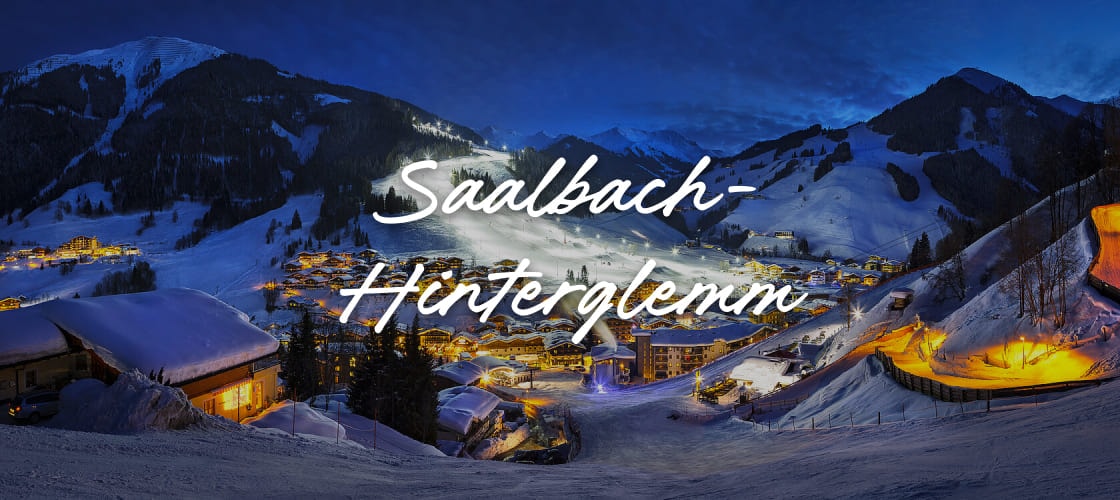
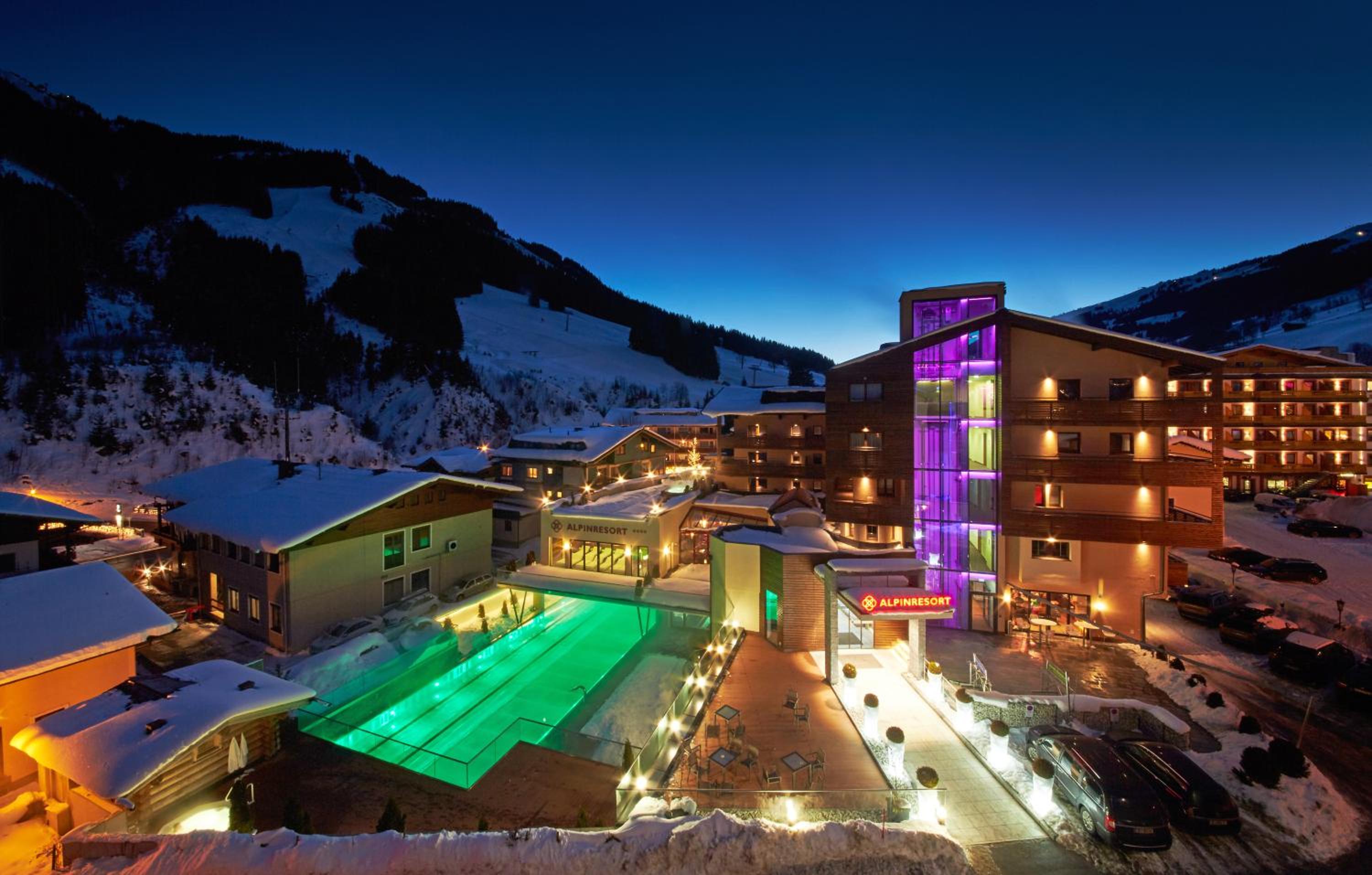
Saalbach-Hinterglemm
Best December - April · 9 ski hotels
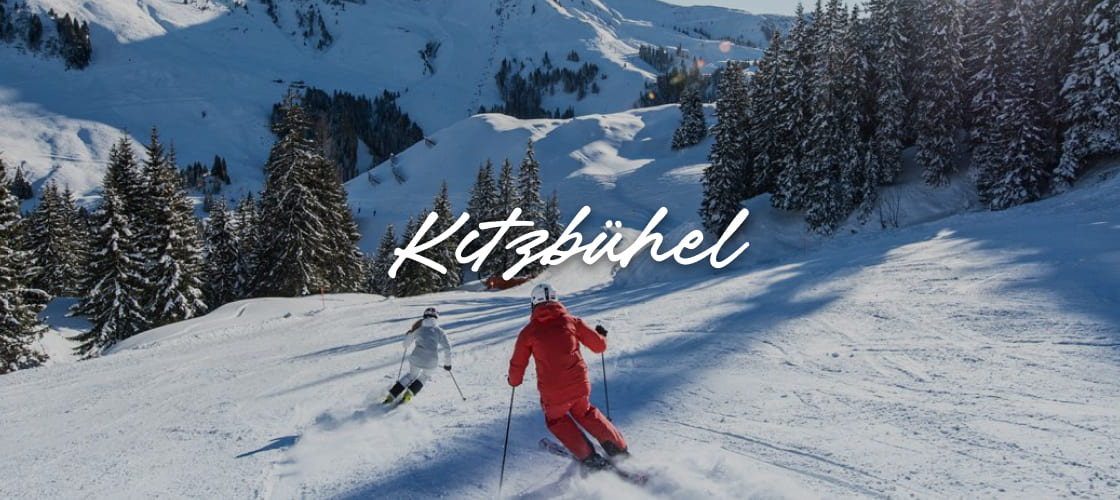
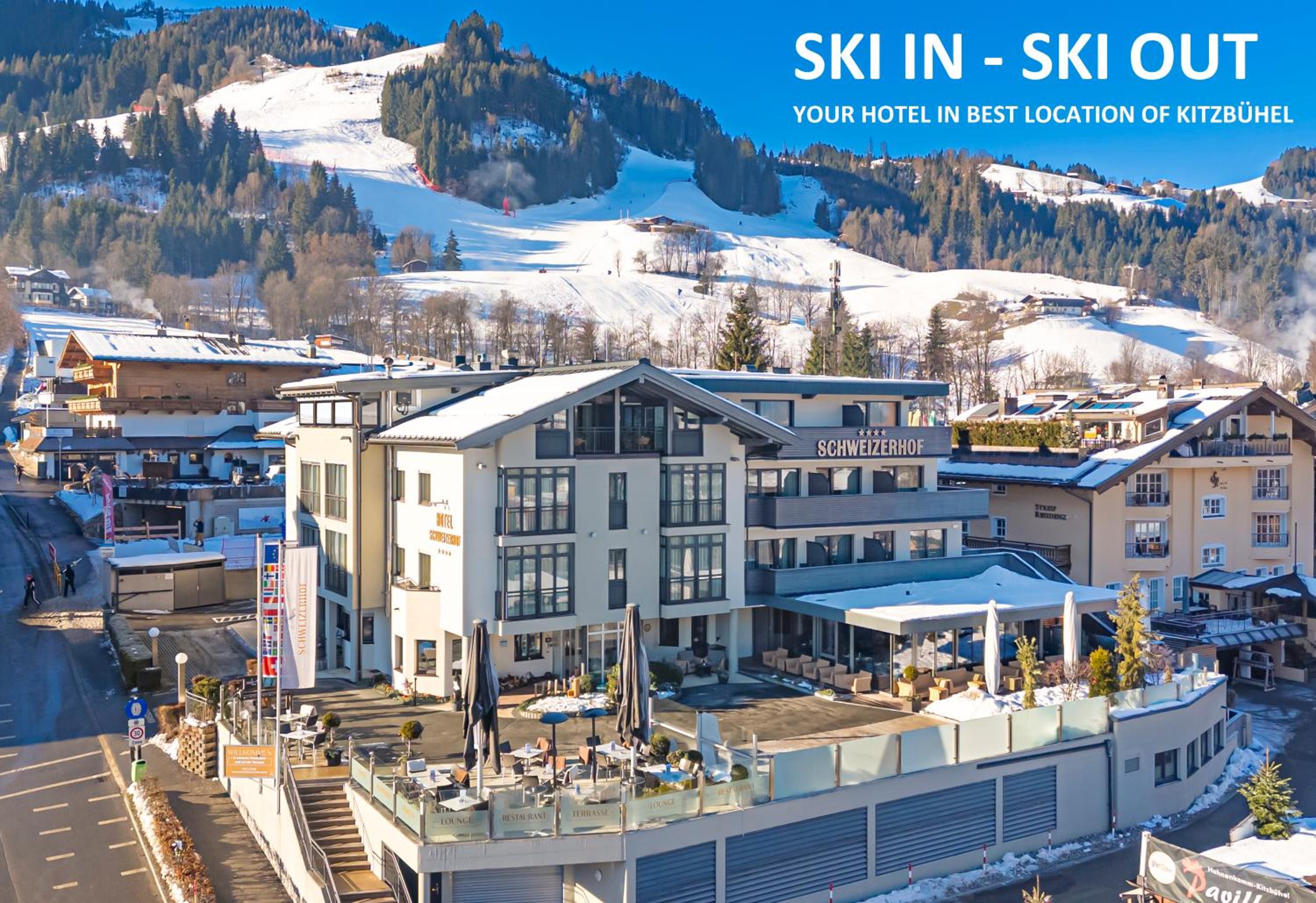
Kitzbuhel
Best November - April · 10 ski hotels
Why ski in Austria?
Across Tirol and SalzburgerLand, groomed pistes descend from Alpine peaks into valleys, while cross-country trails cross high plateaus. The terrain ranges from gentle runs for first turns to steep descents and secured off-piste routes for experienced skiers. High-altitude areas can offer reliable snow into spring, and some include glacier terrain. Skiers can find groomed pistes and secured off-piste routes.
In Tirol and SalzburgerLand, options span compact areas with gentle slopes and larger linked networks with varied difficulty. Beginners can find manageable runs and dedicated practice areas, while advanced skiers can tackle steep pistes and freeride terrain. Snow reliability varies with altitude and location. Kitzbühel hosts the annual Hahnenkamm Race, with the steep Streif piste finishing in the town centre. In Schladming, the annual night slalom features Alpine Ski World Cup racing.
After a day on the mountain, soothing warmth awaits in the Gastein Valley, in Bad Hofgastein or Bad Gastein. Mountain huts serve Kaiserschmarrn. In Filzmoos, traditional farmhouses bring village character, while the annual January hot air balloon festival fills the evening with music and fireworks.
Highlights
Know piste priority
Austrian piste rules give priority to the skier ahead; avoid stopping in narrow sections and clear the piste quickly after a fall.
Train stations in resort centres
Stations sit right in Kitzbühel, Schladming, Zell am See and the Gastein Valley, with buses or shuttles serving other ski areas.
The high-altitude snow bowl
Obertauern’s high-altitude location helps snow arrive earlier and stay longer, with skiing possible from November to May.
Ice bathing after skiing
Zell am See-Kaprun pairs skiing with ice bathing, a cold-water option after time on the pistes.
Karst terrain above Hallstatt
Off-piste routes wind through dramatic karst terrain above Lake Hallstatt at Dachstein Krippenstein.
Destination
Destination
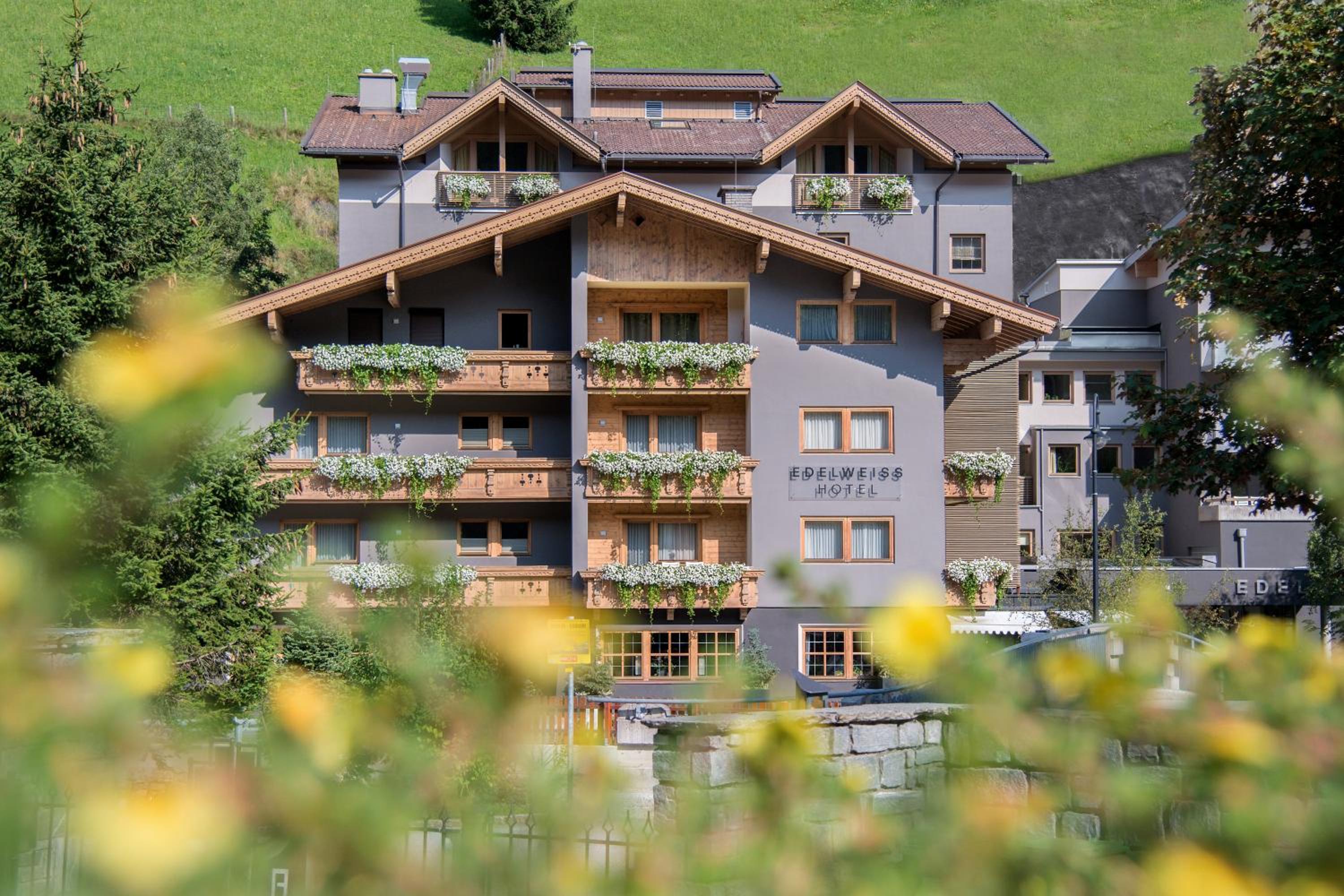
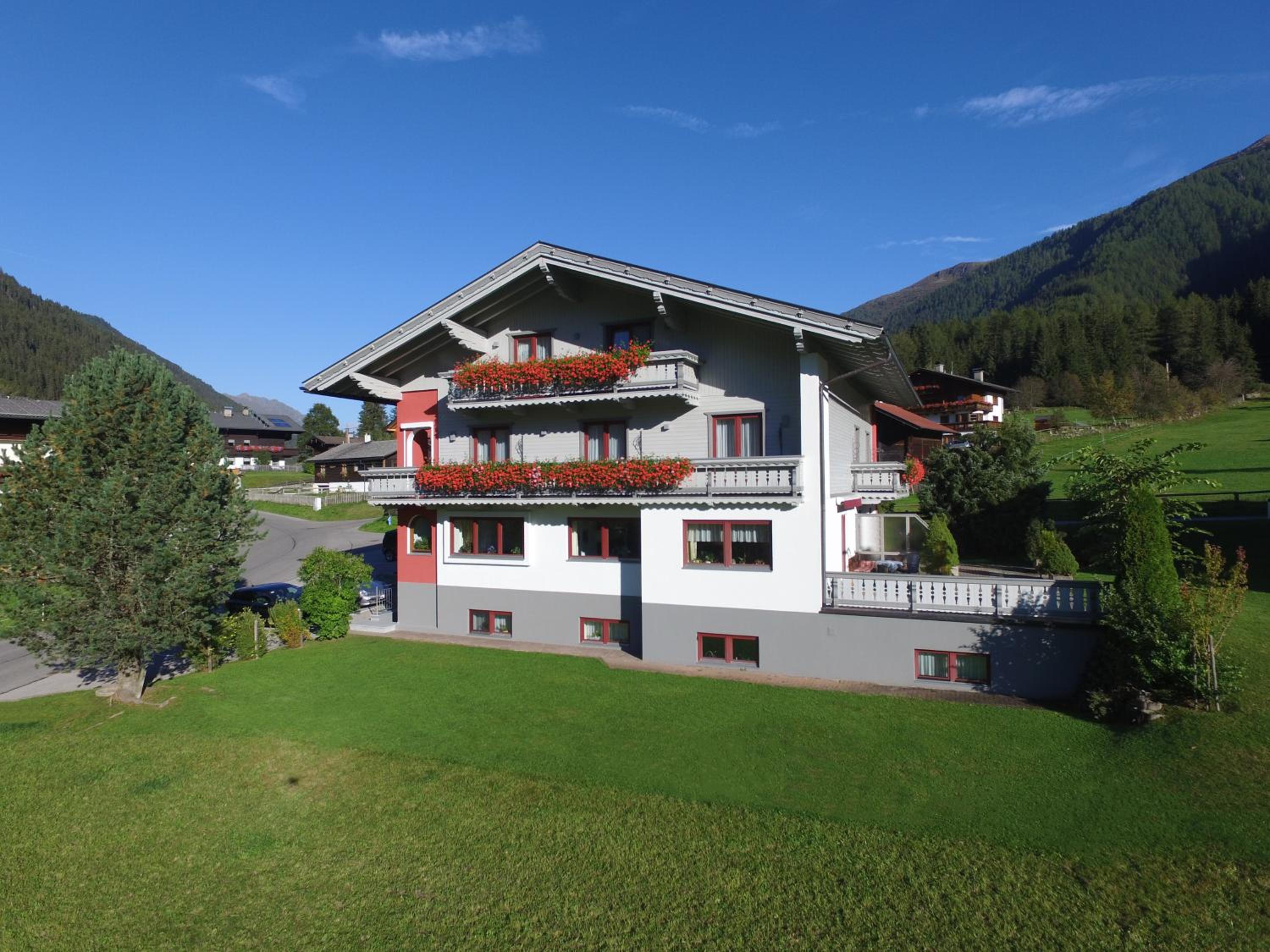
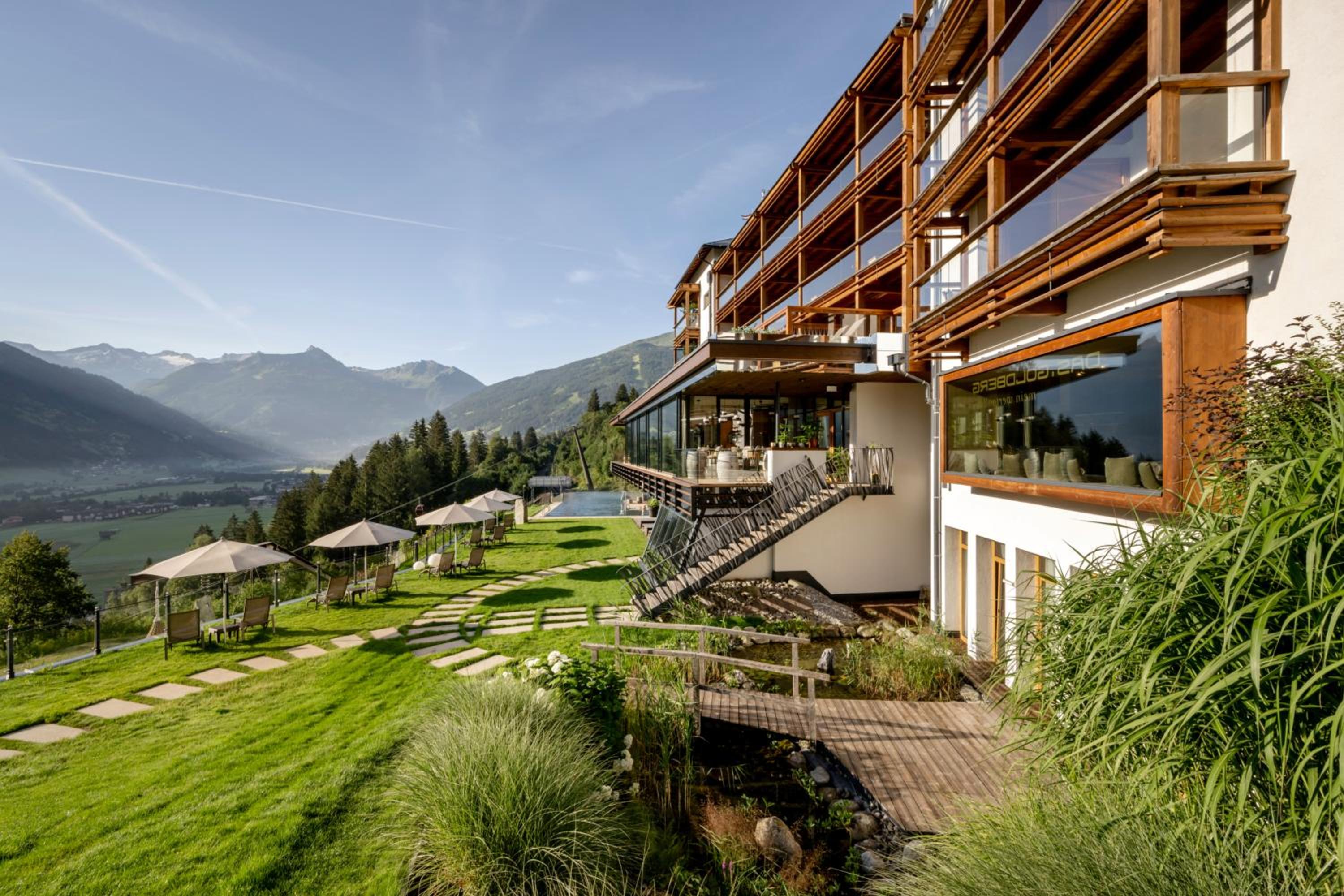
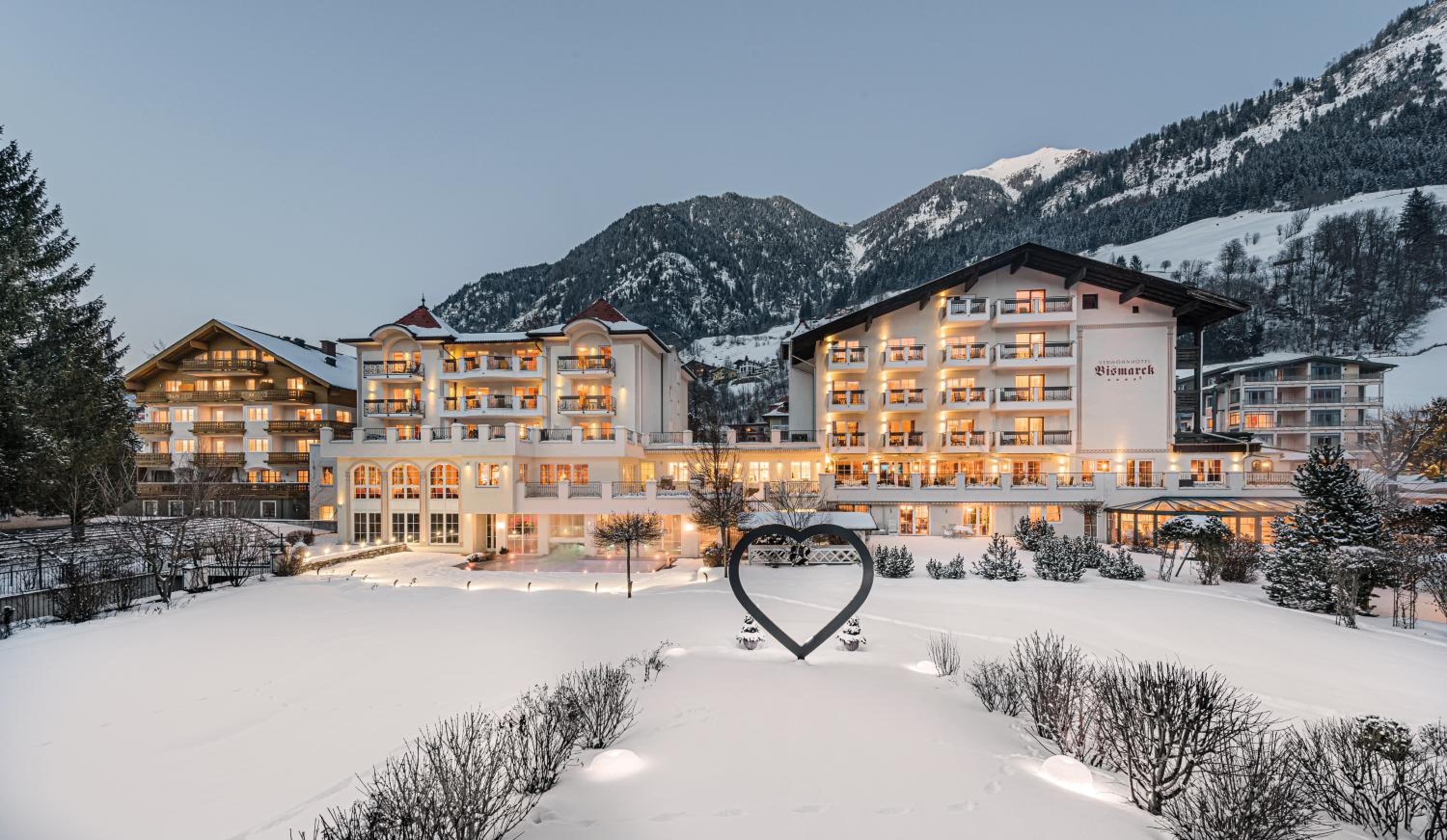
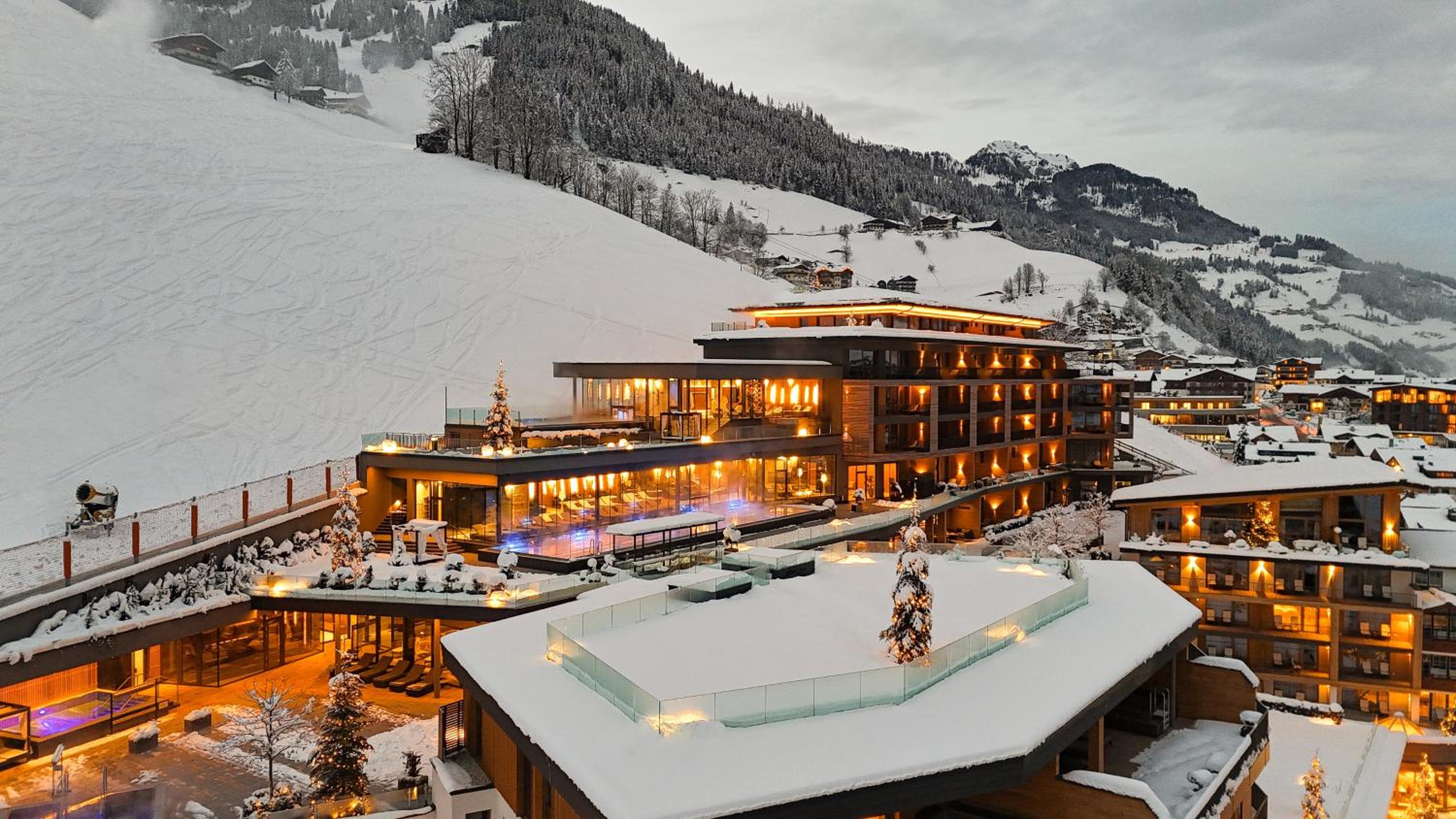
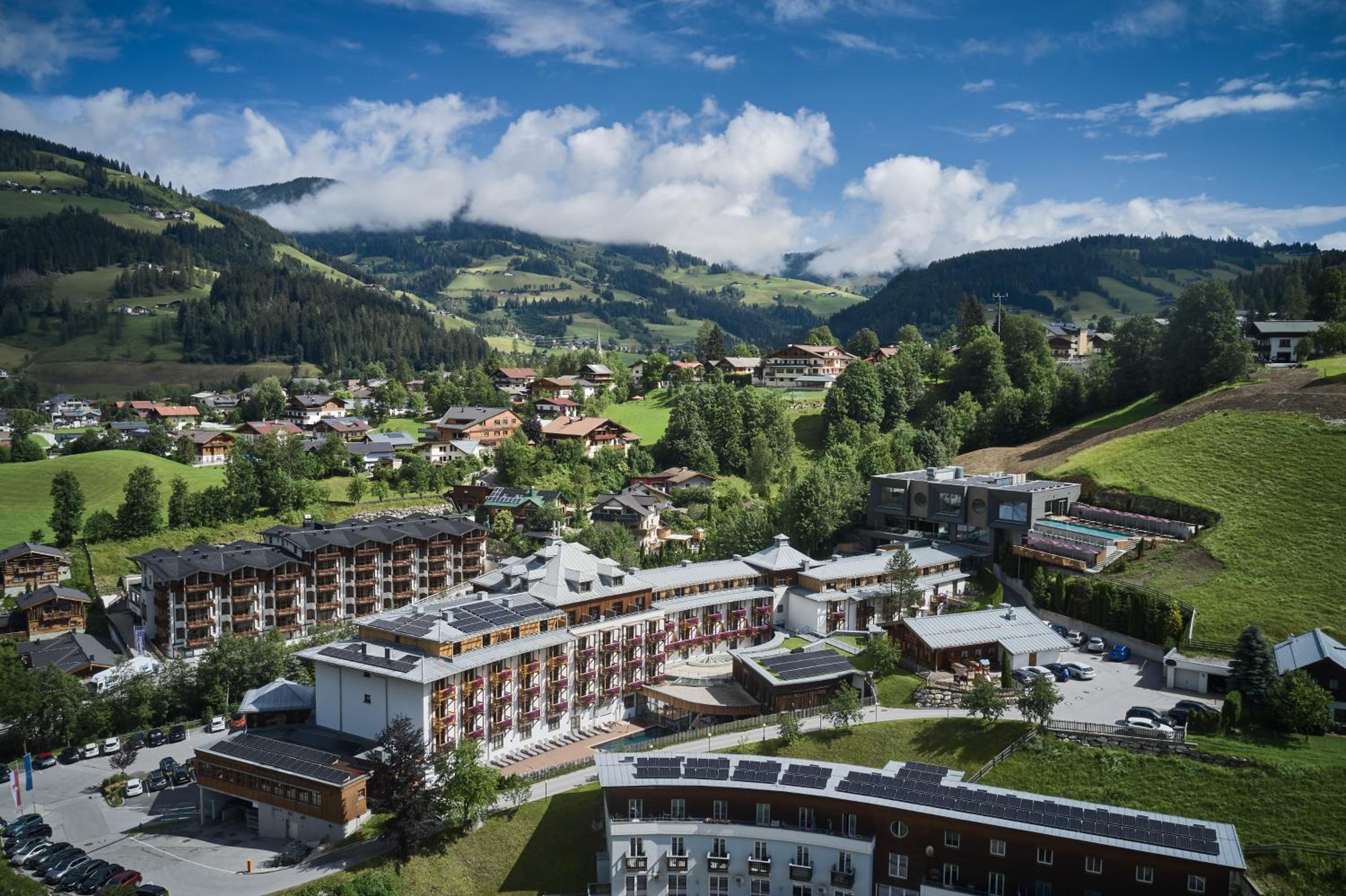
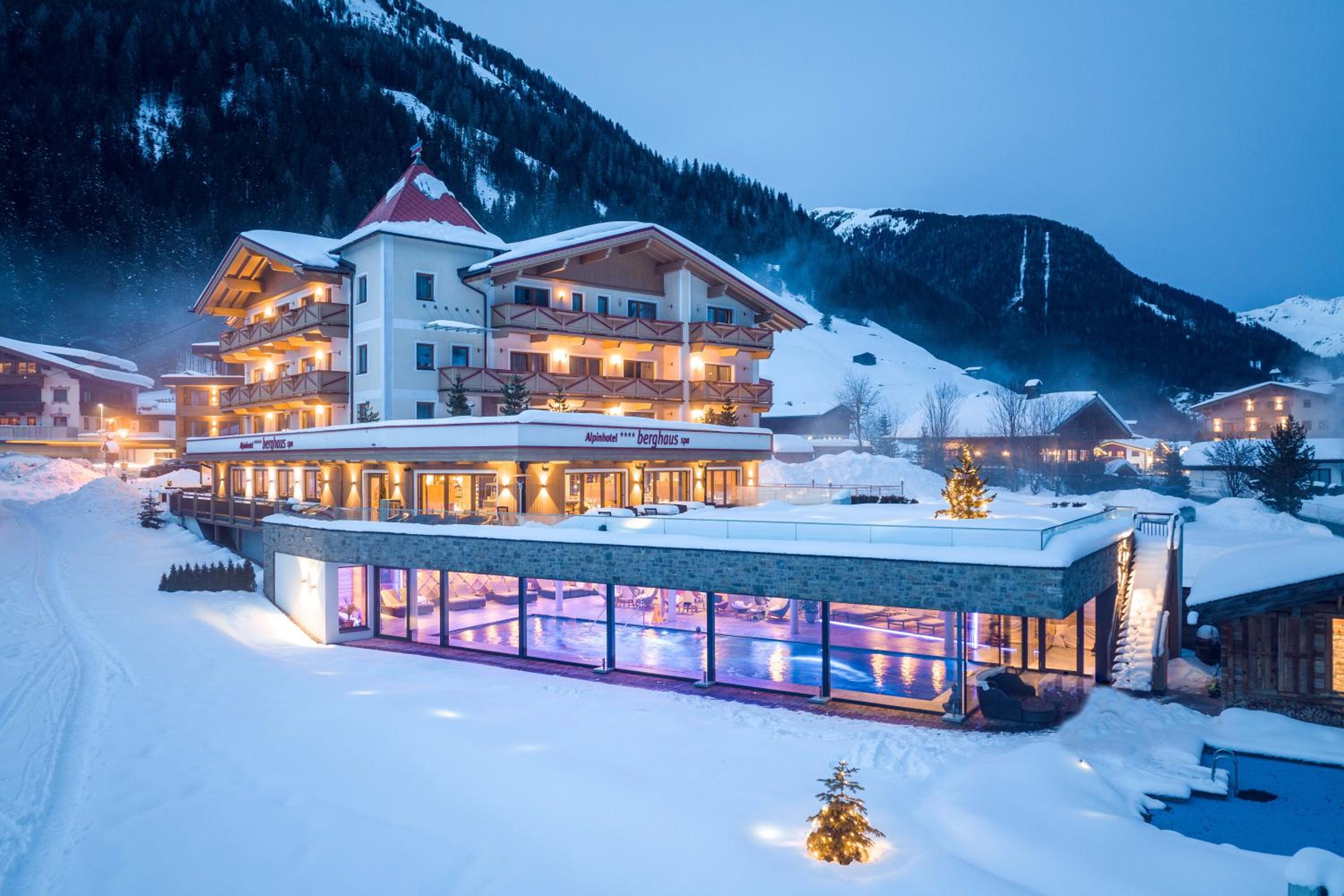
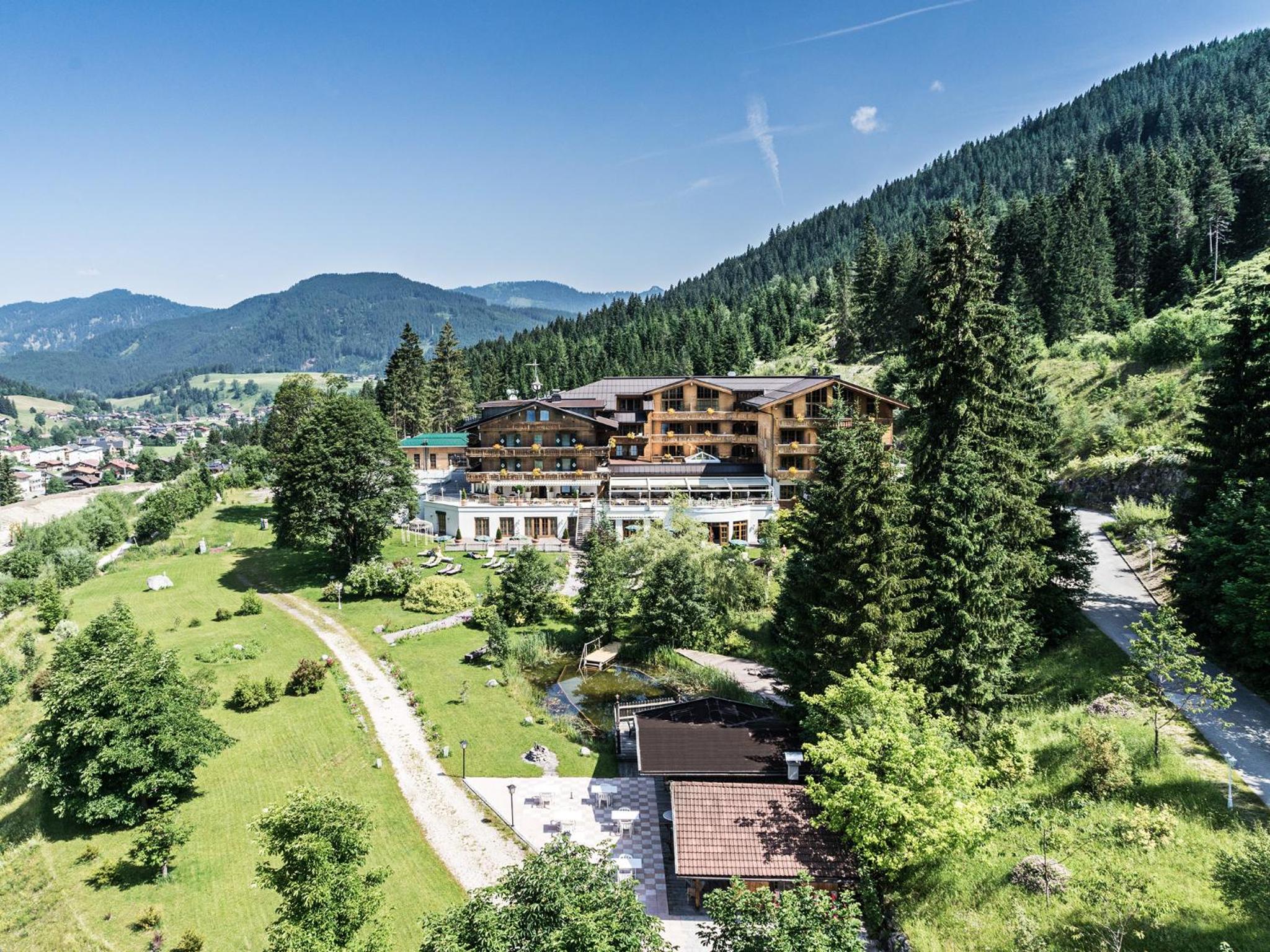
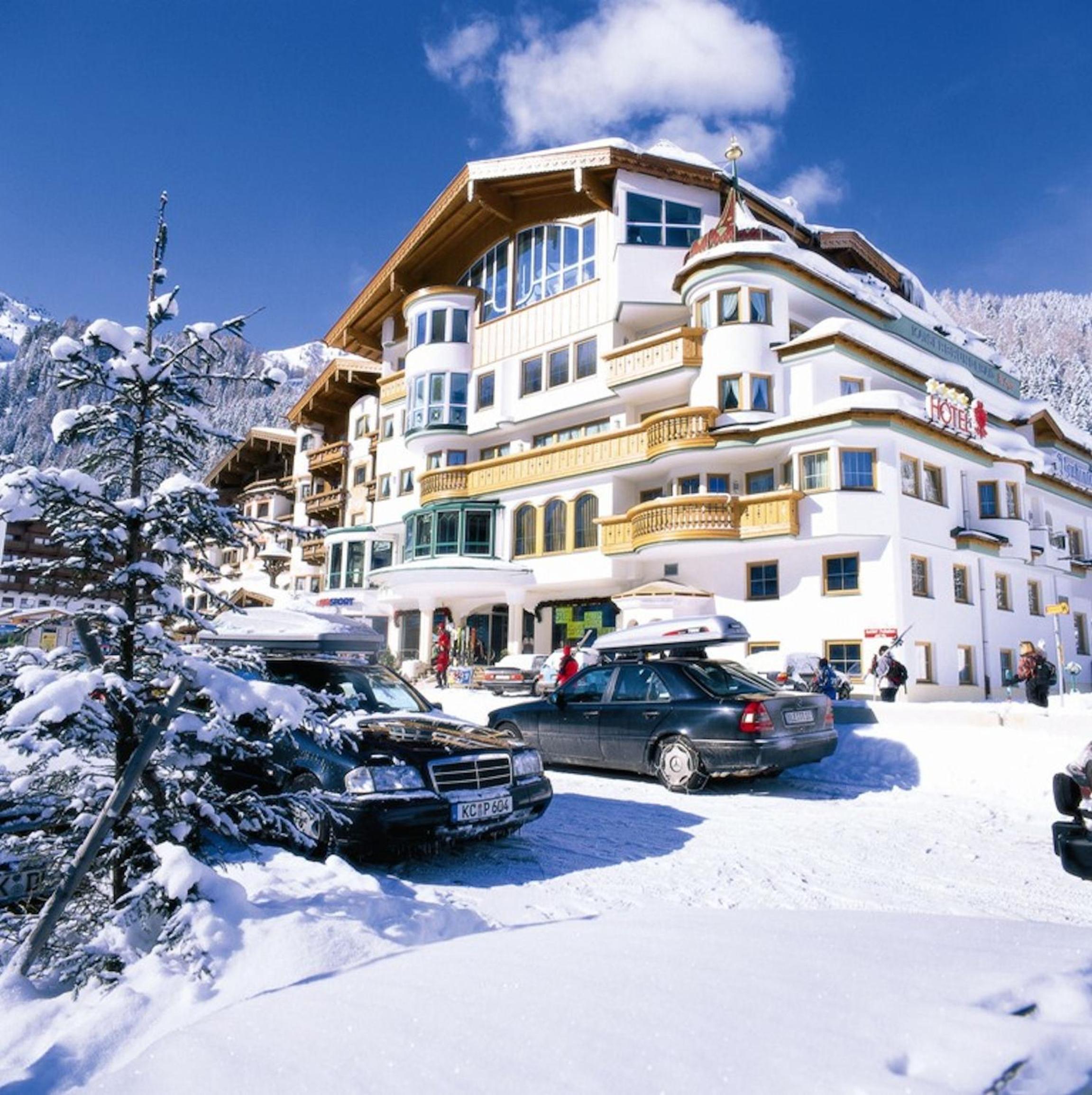
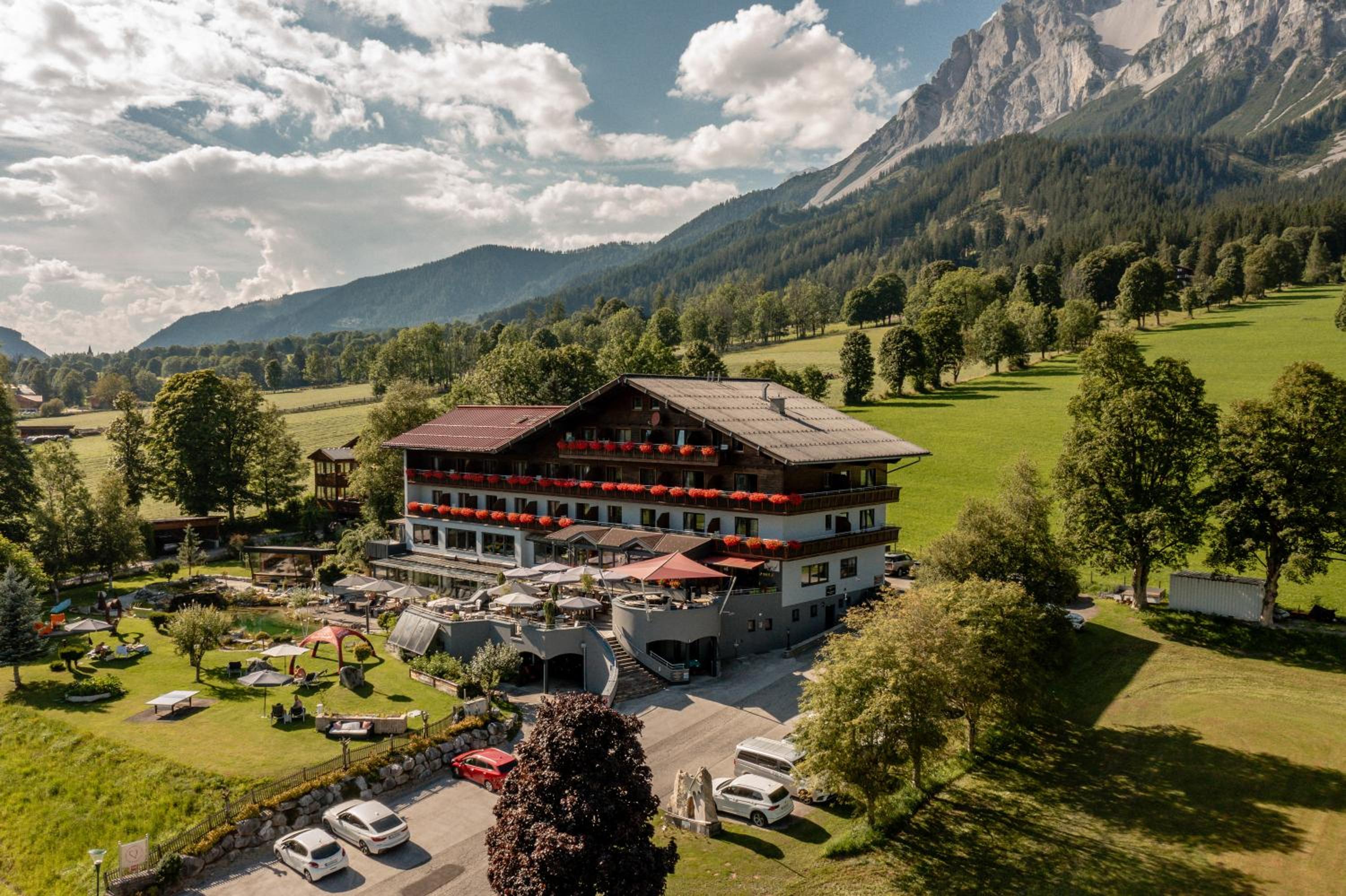
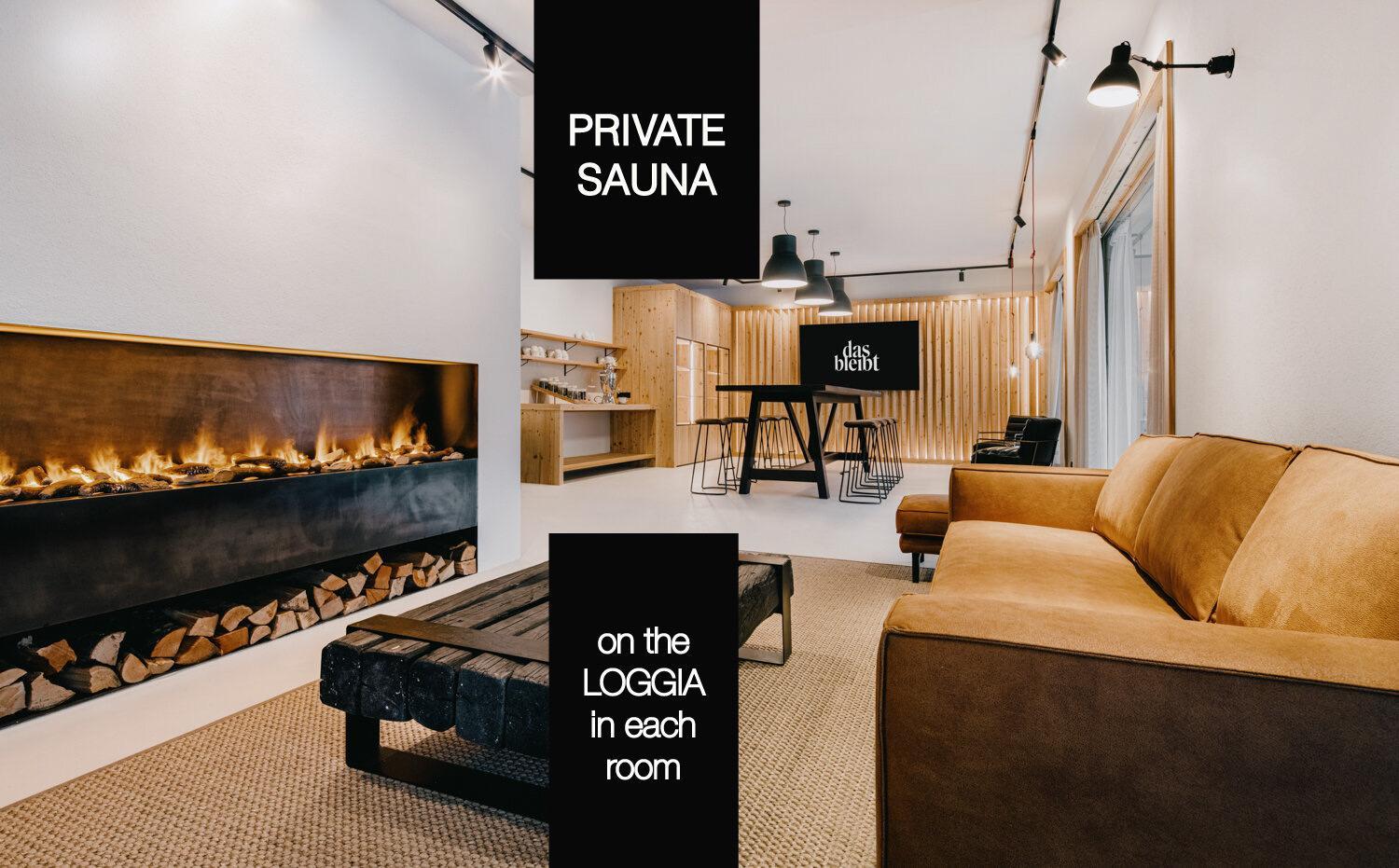
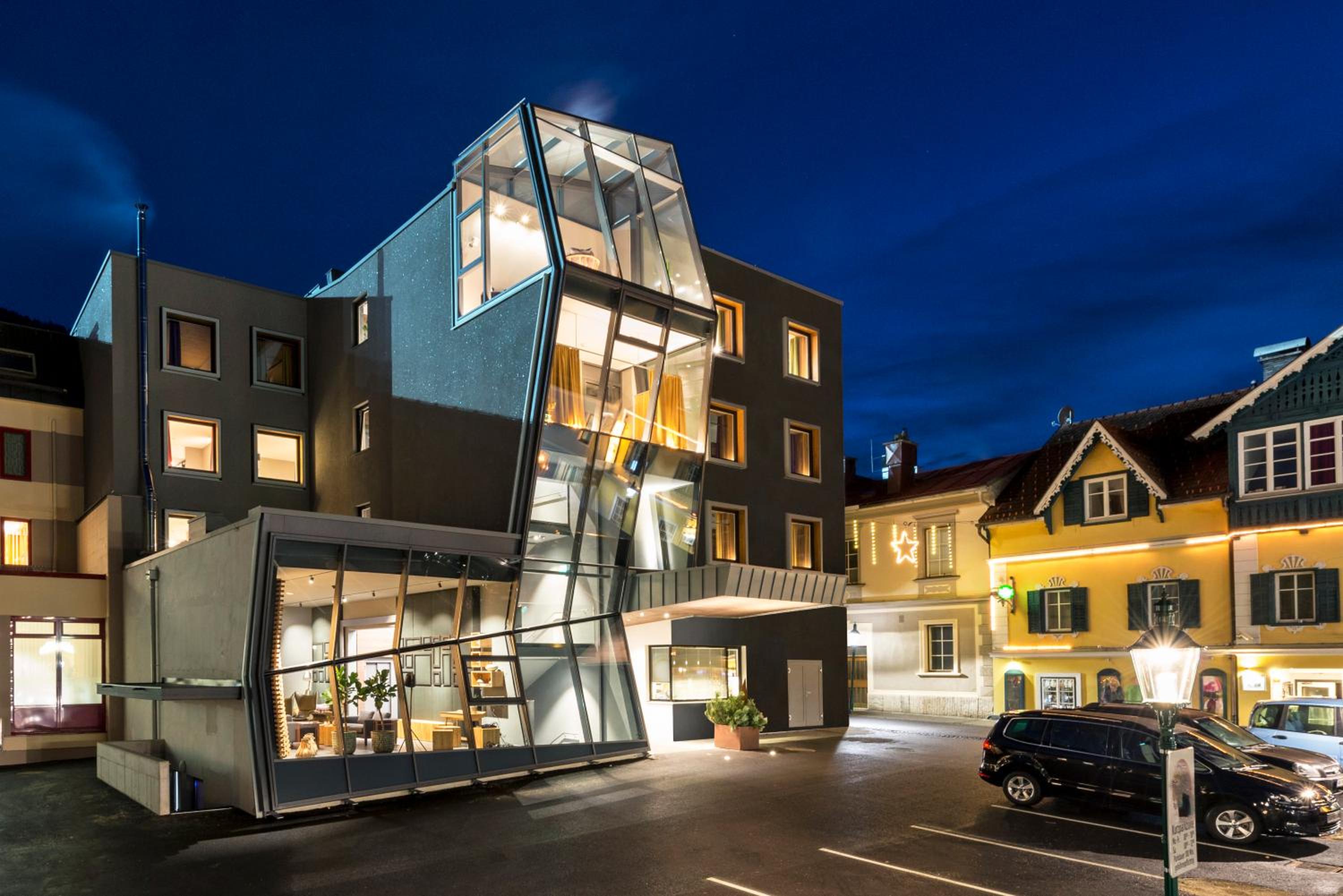
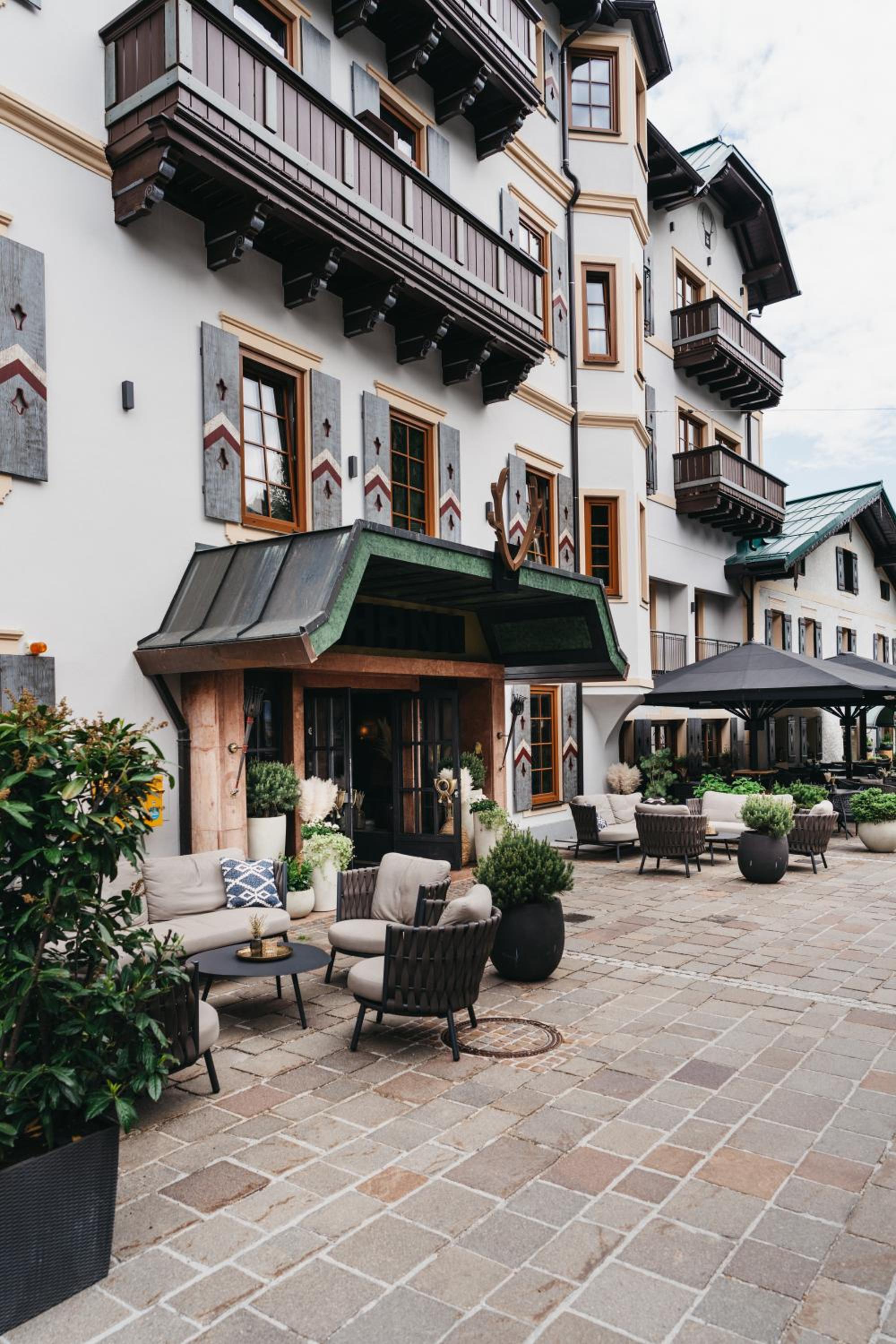
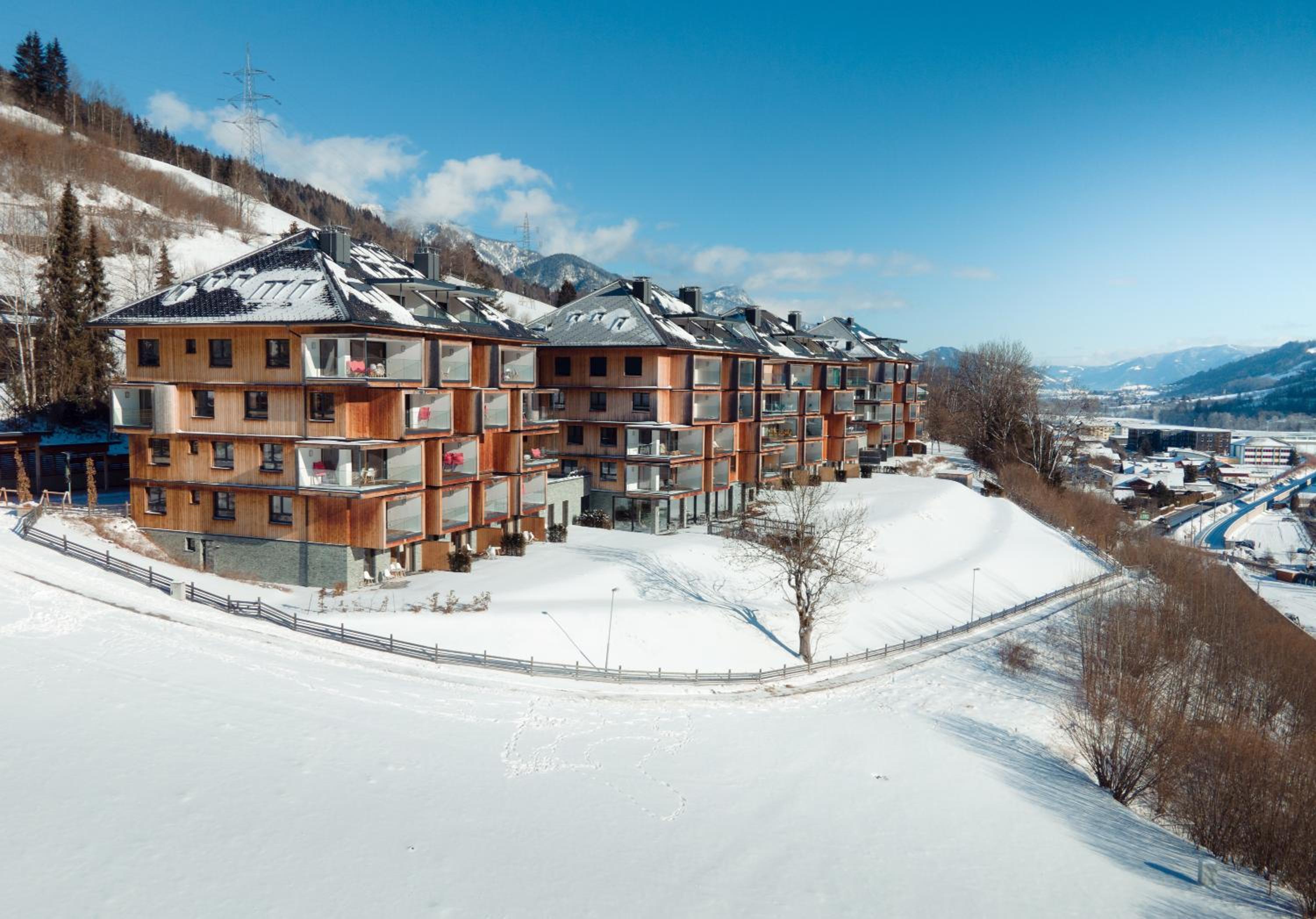
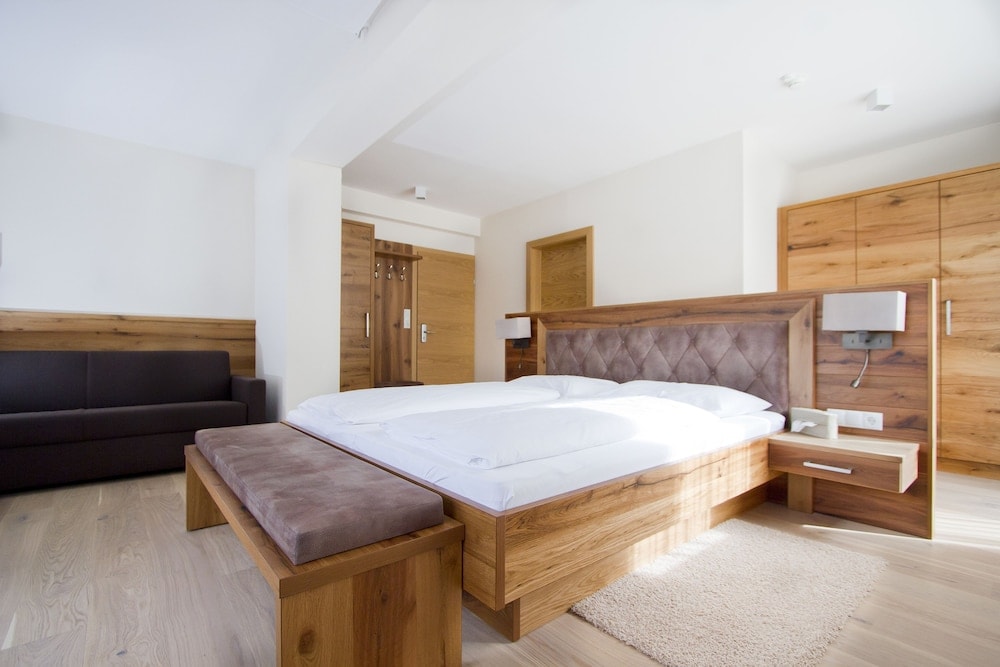
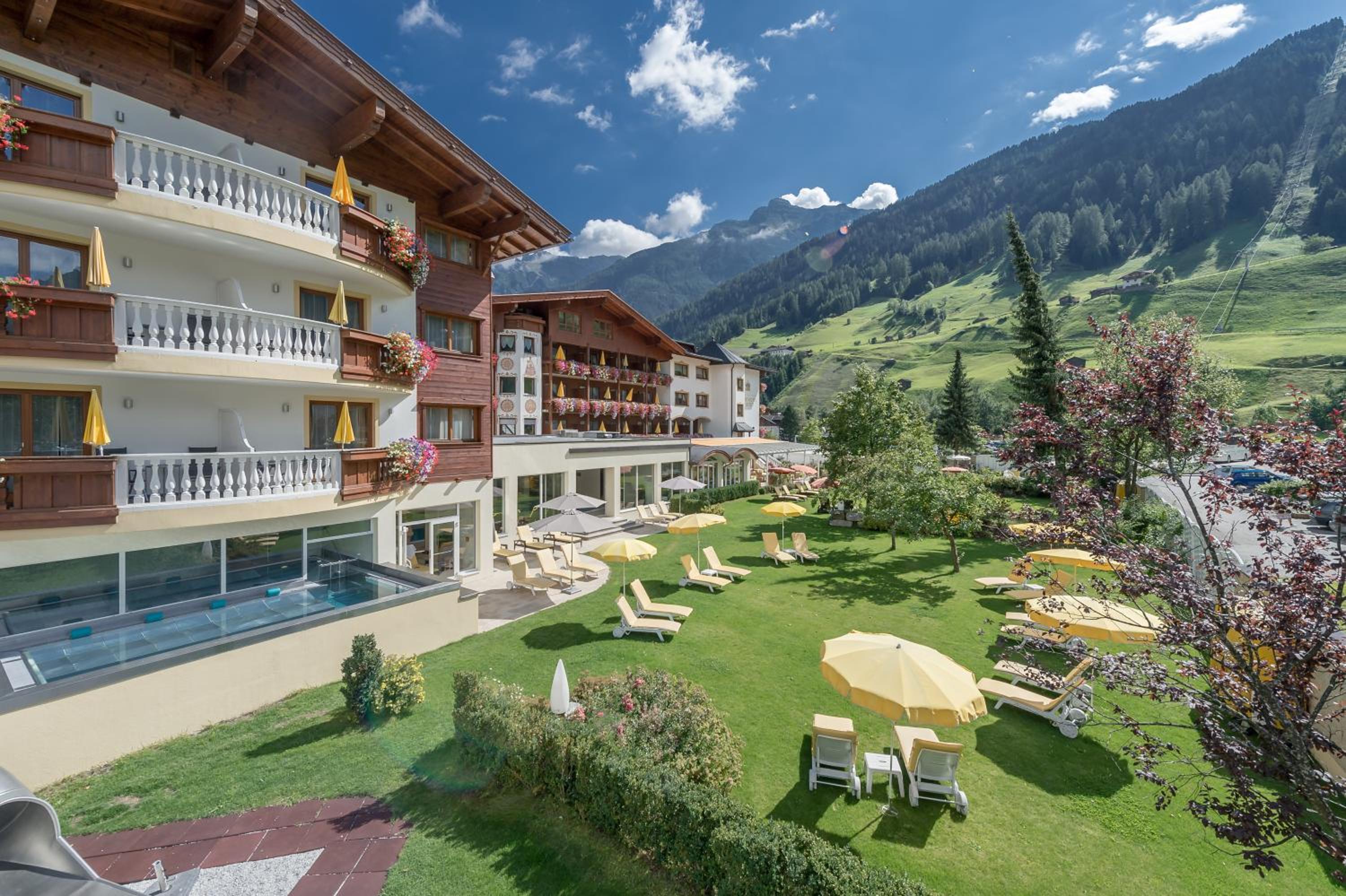
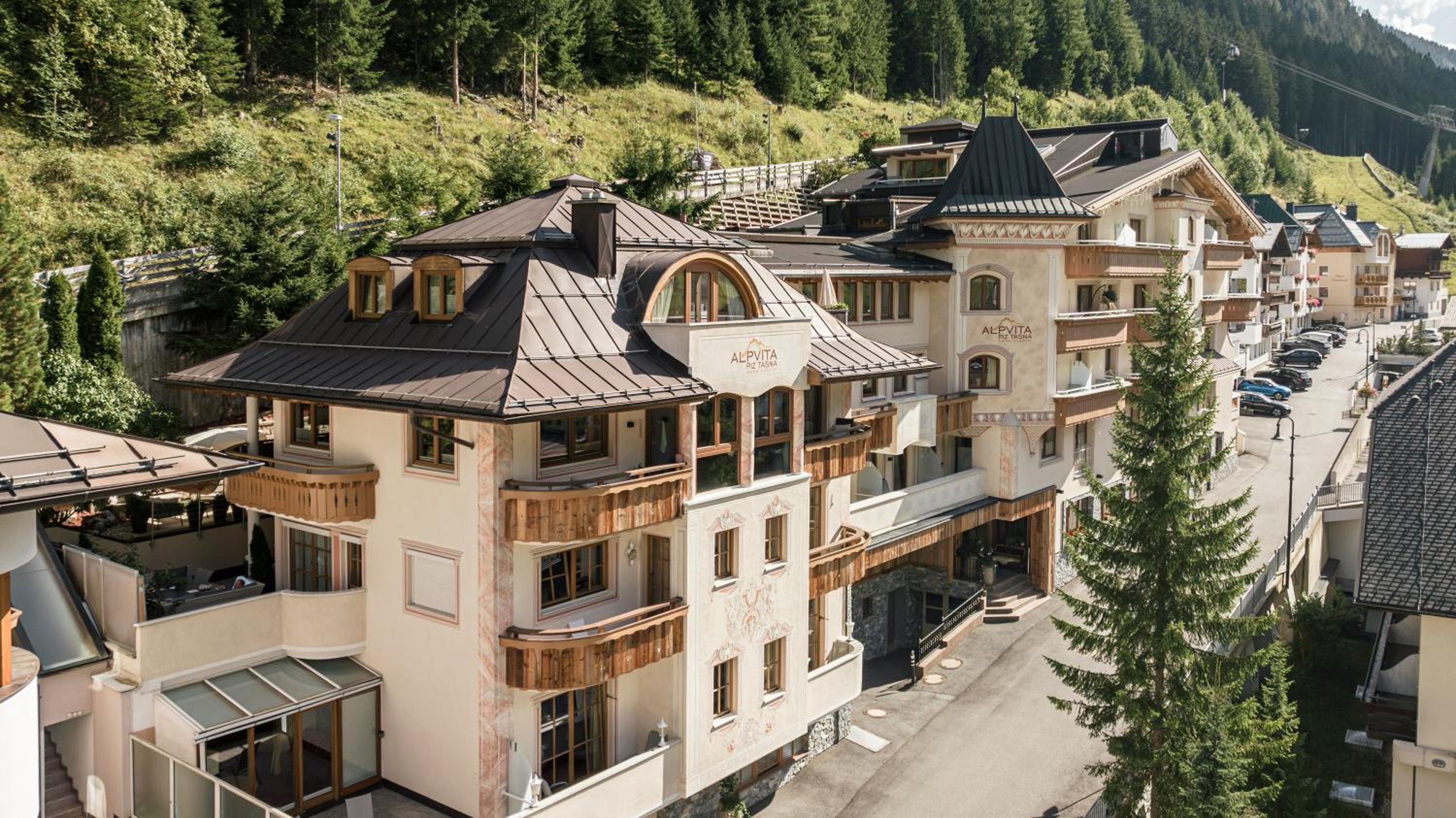
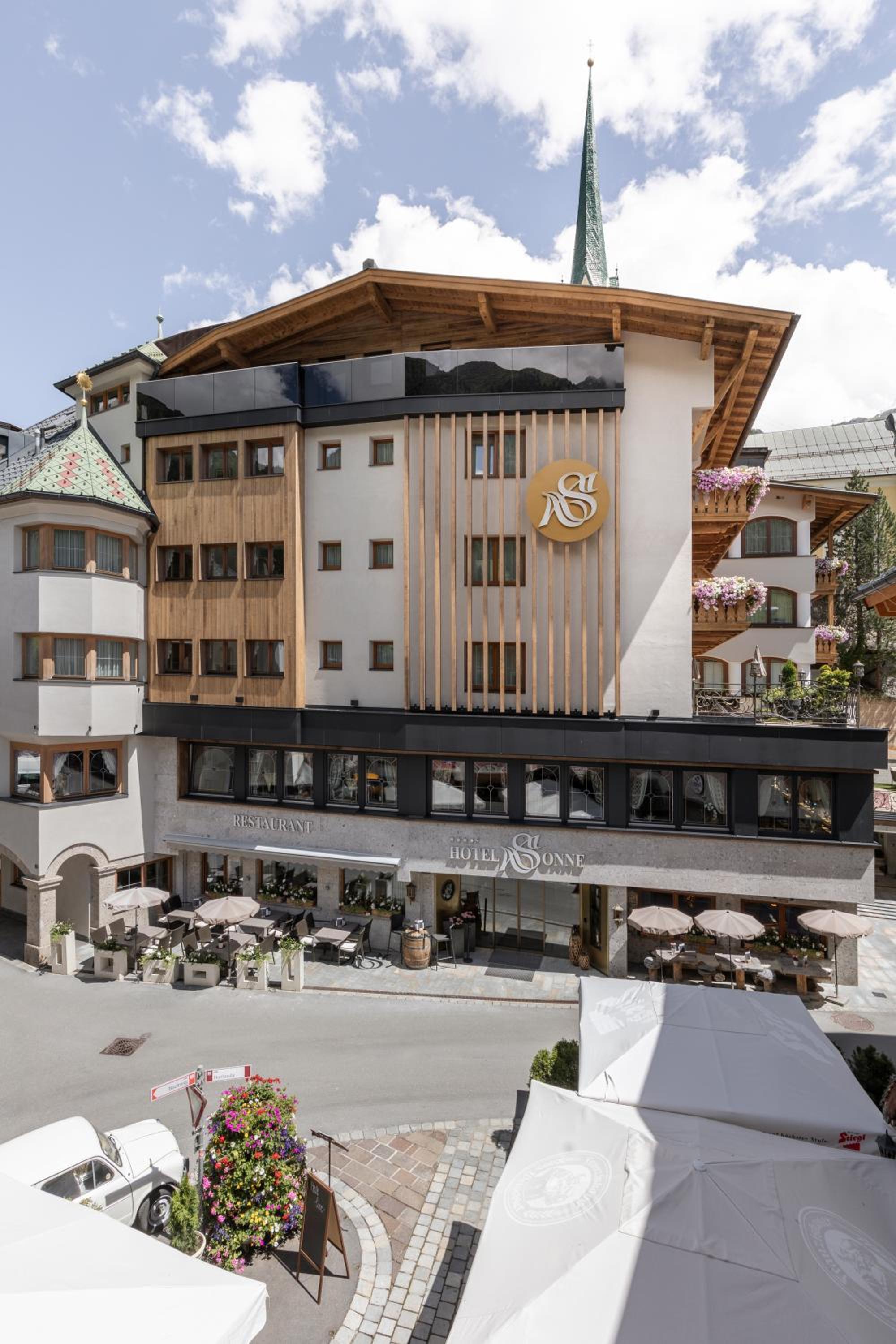
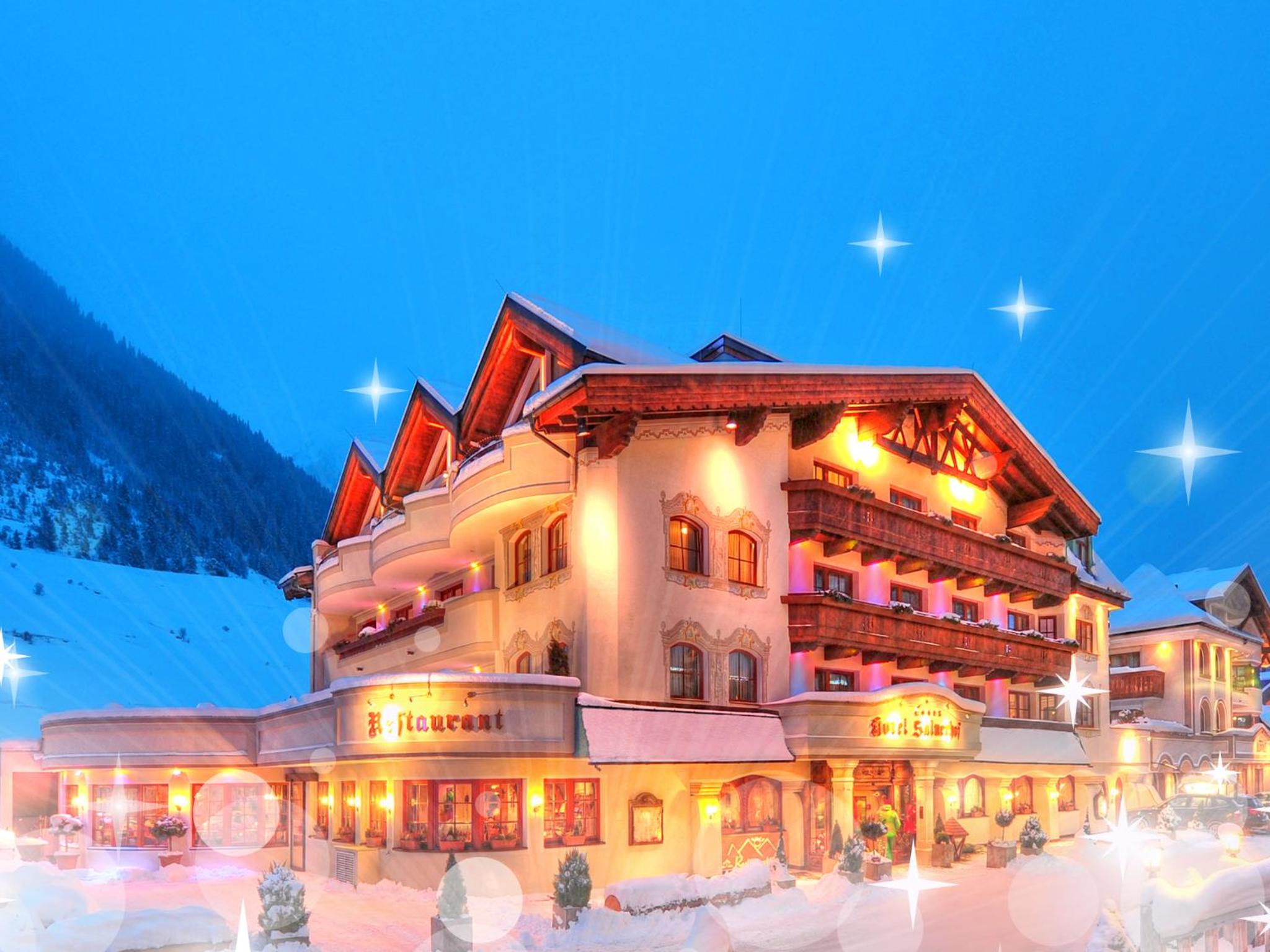
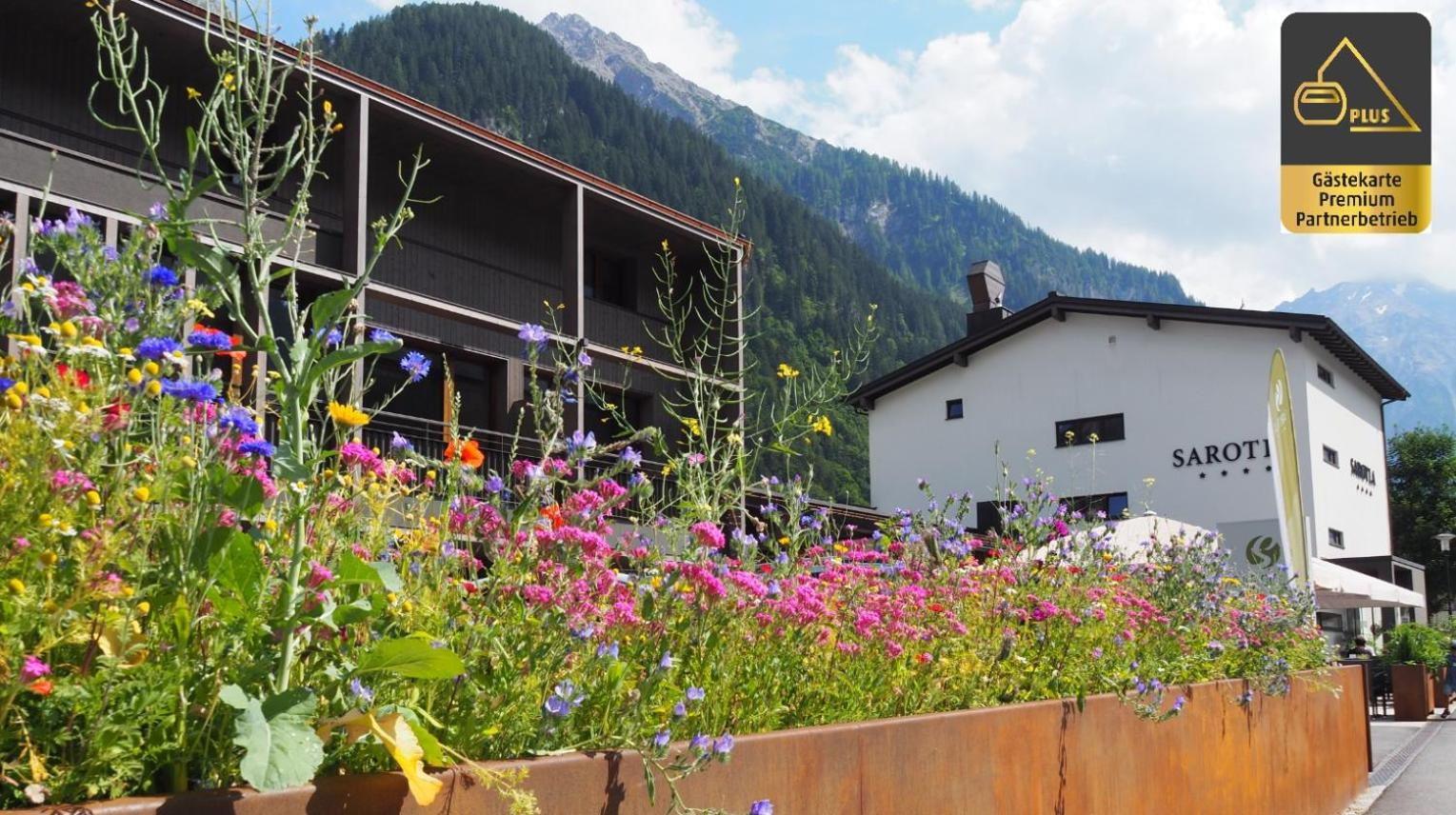
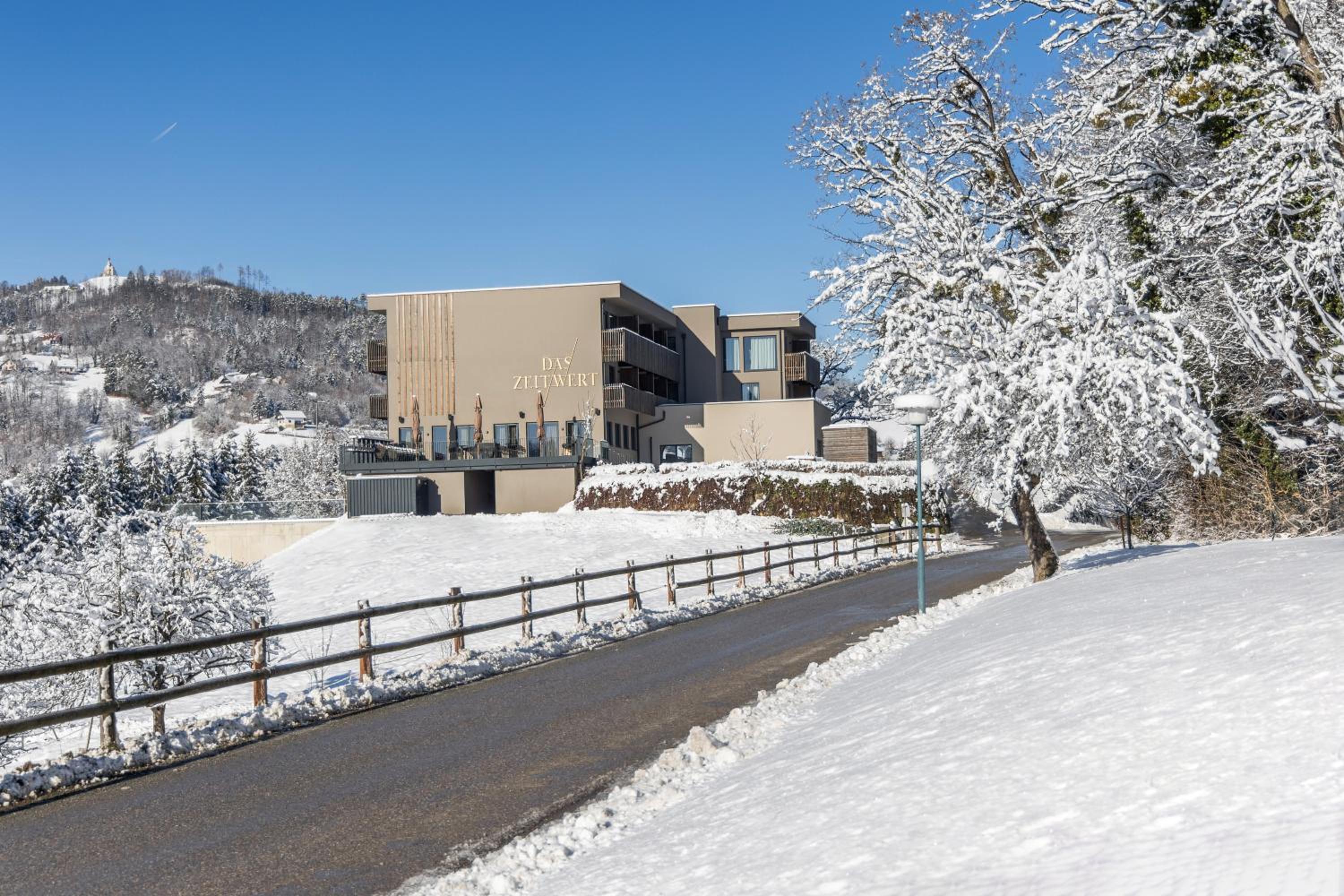
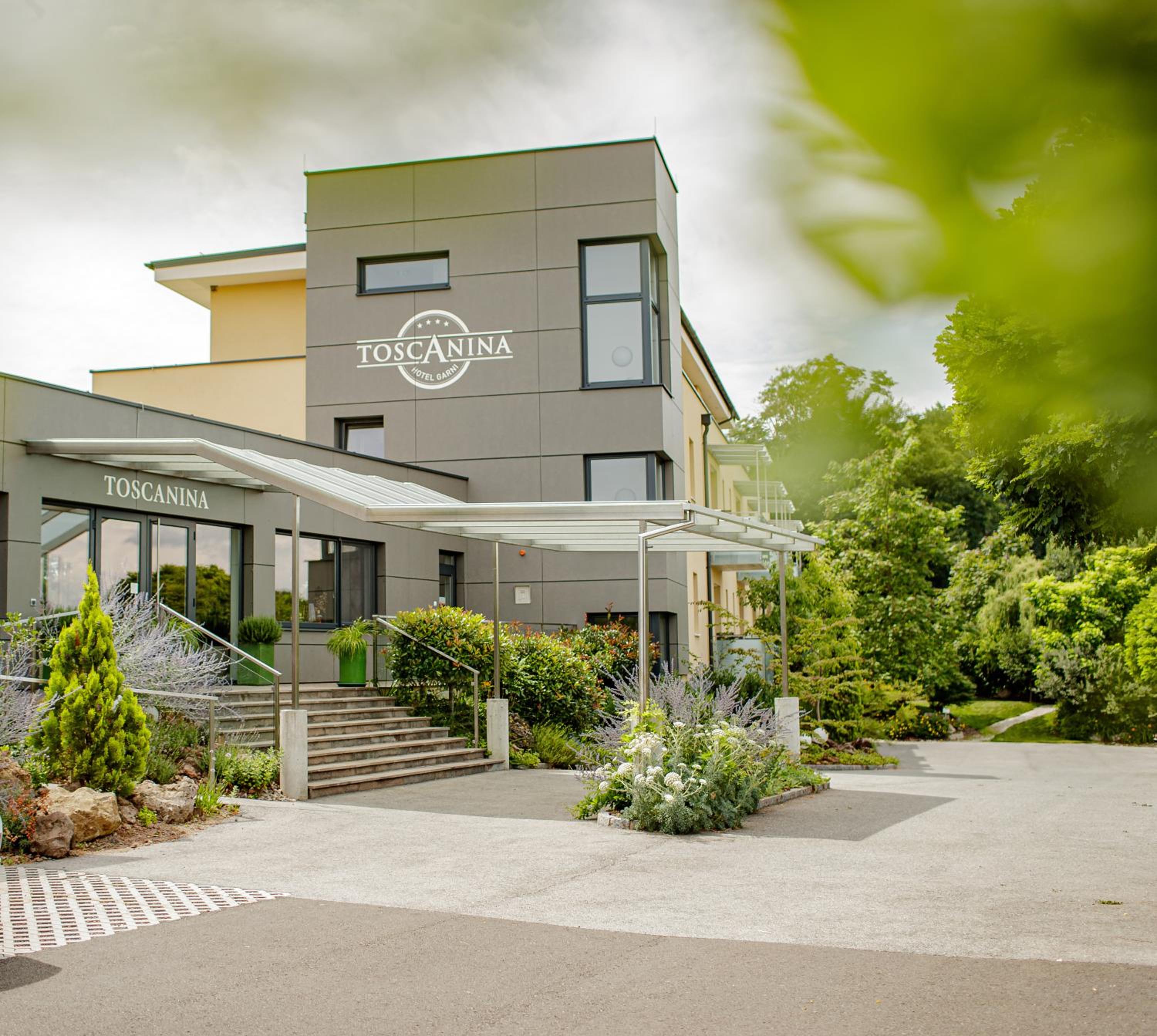
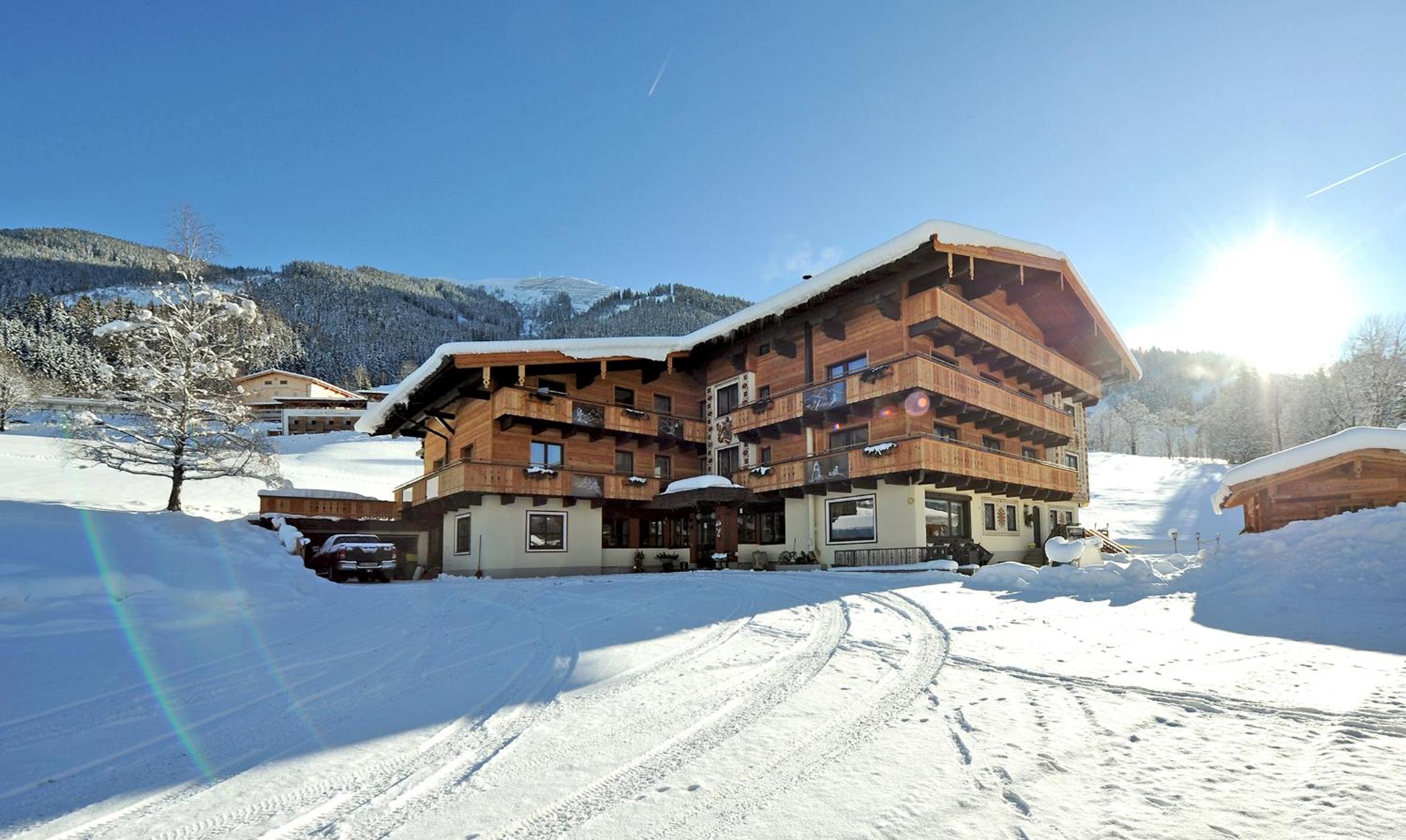
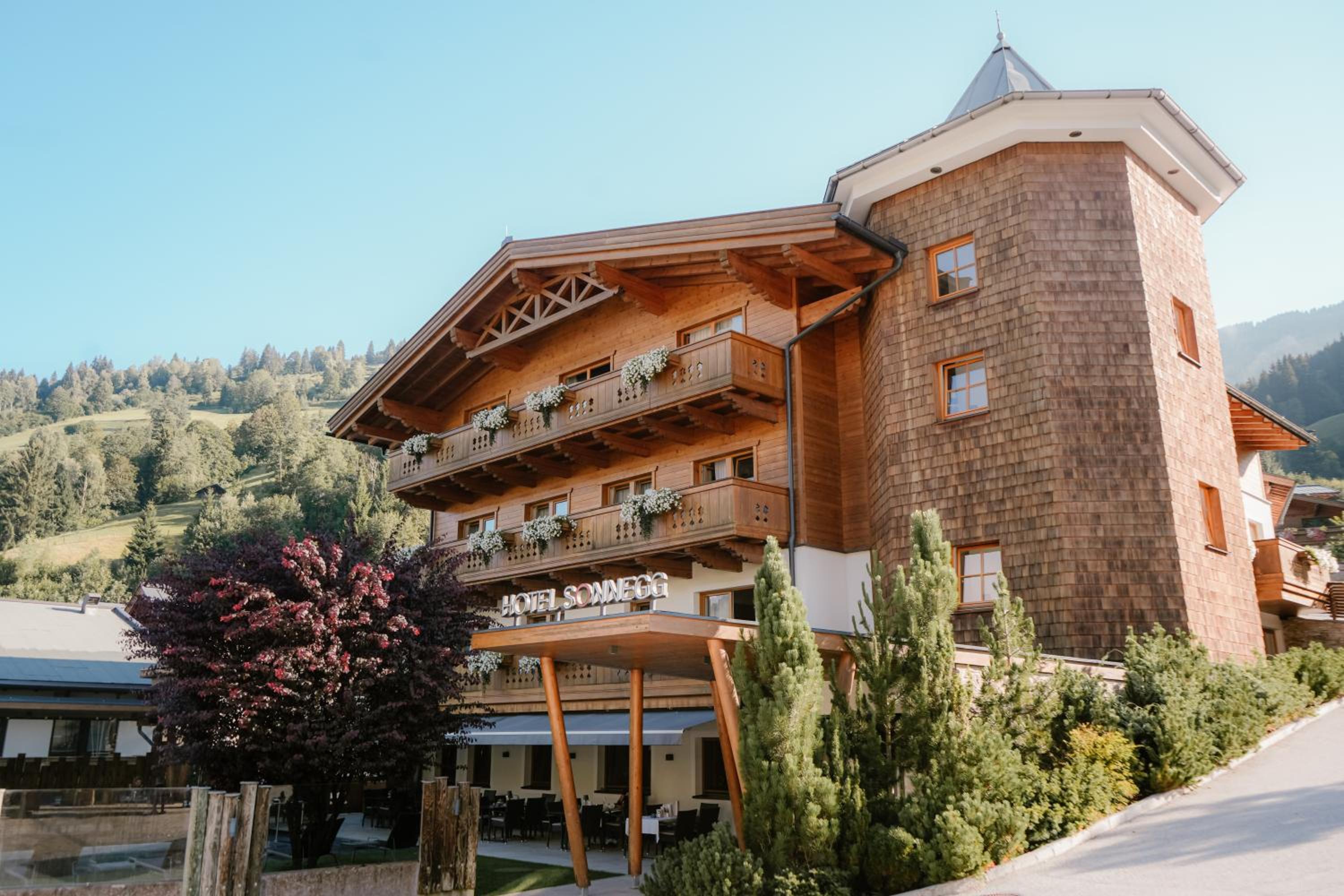
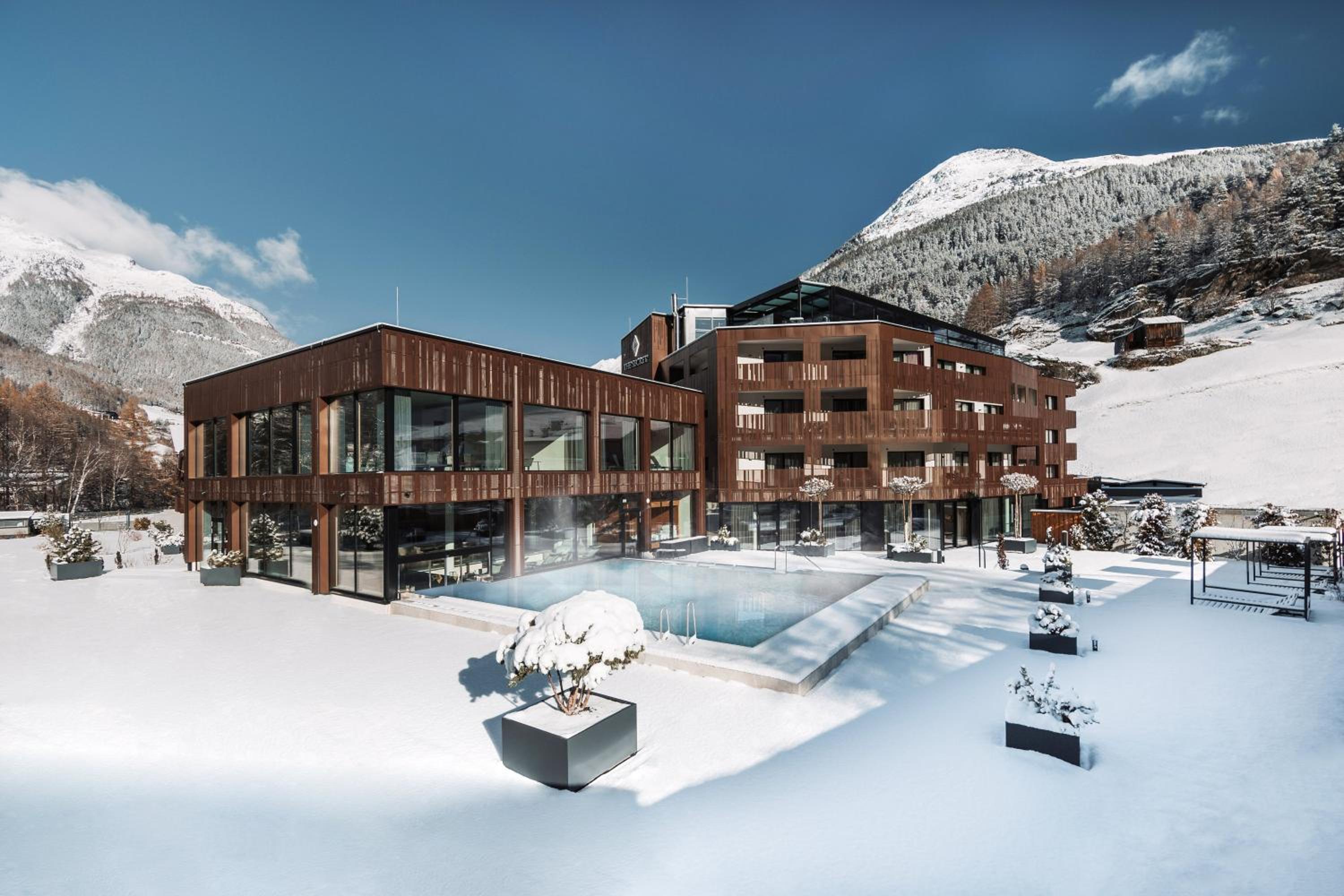
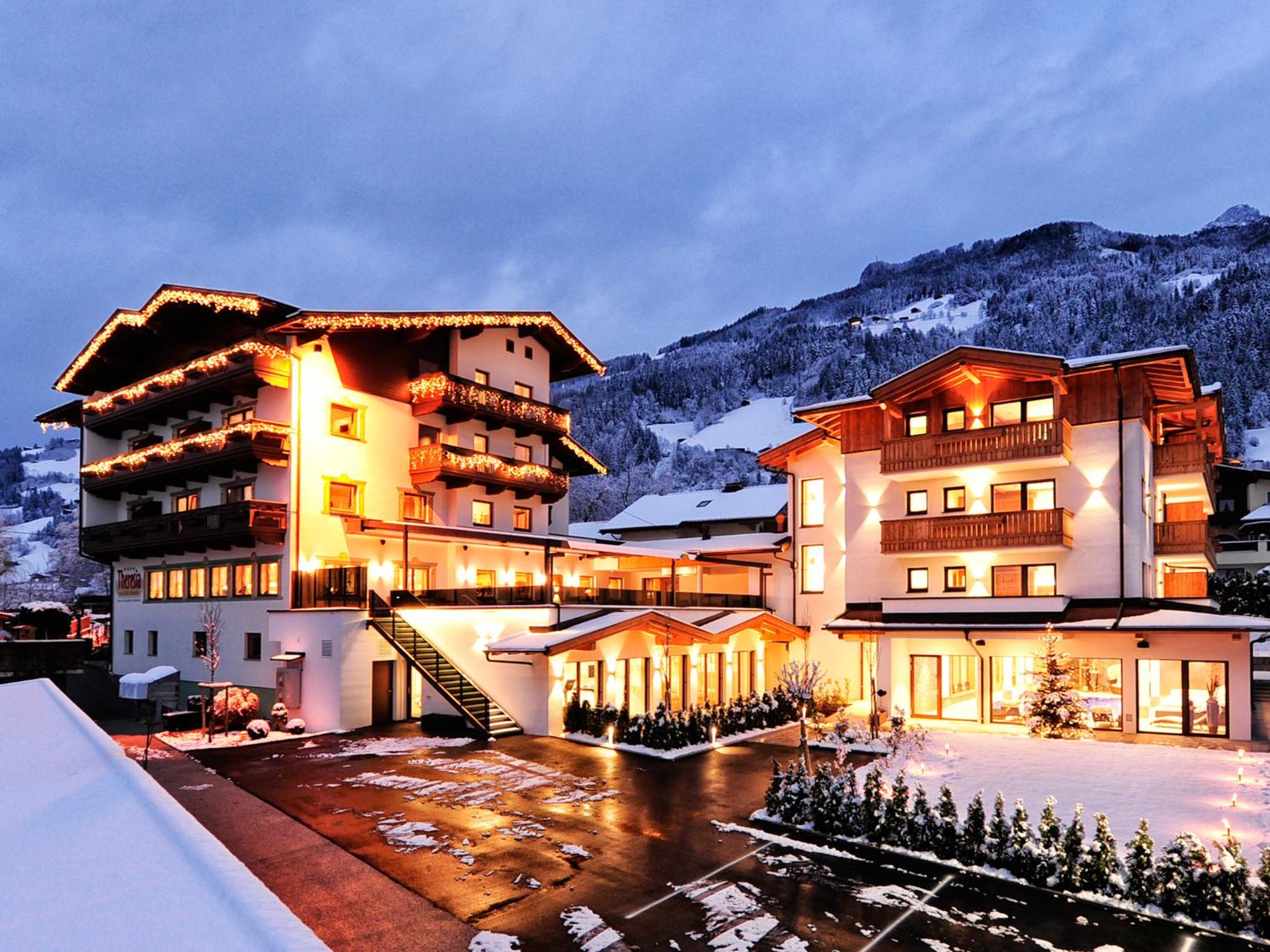
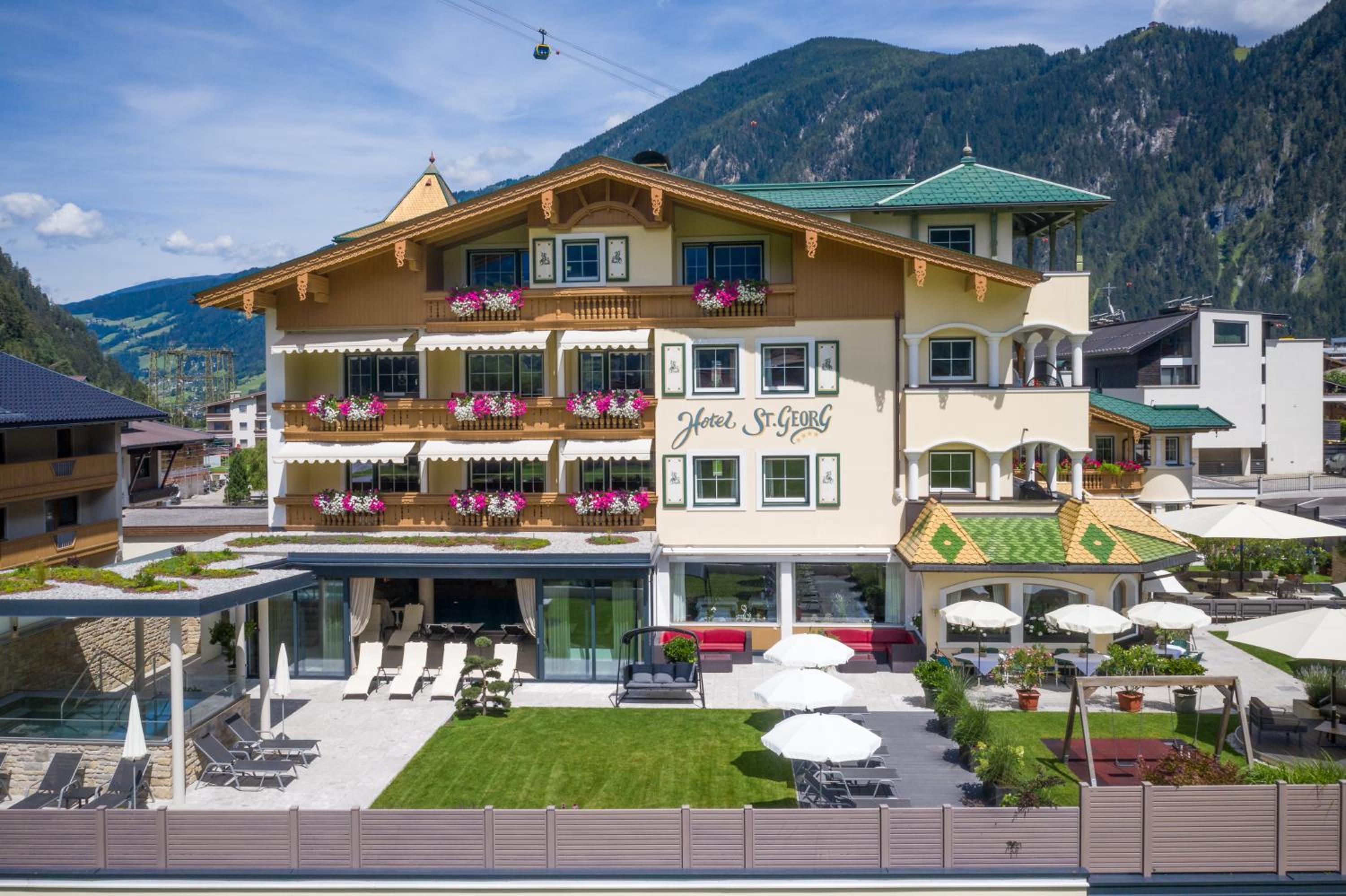
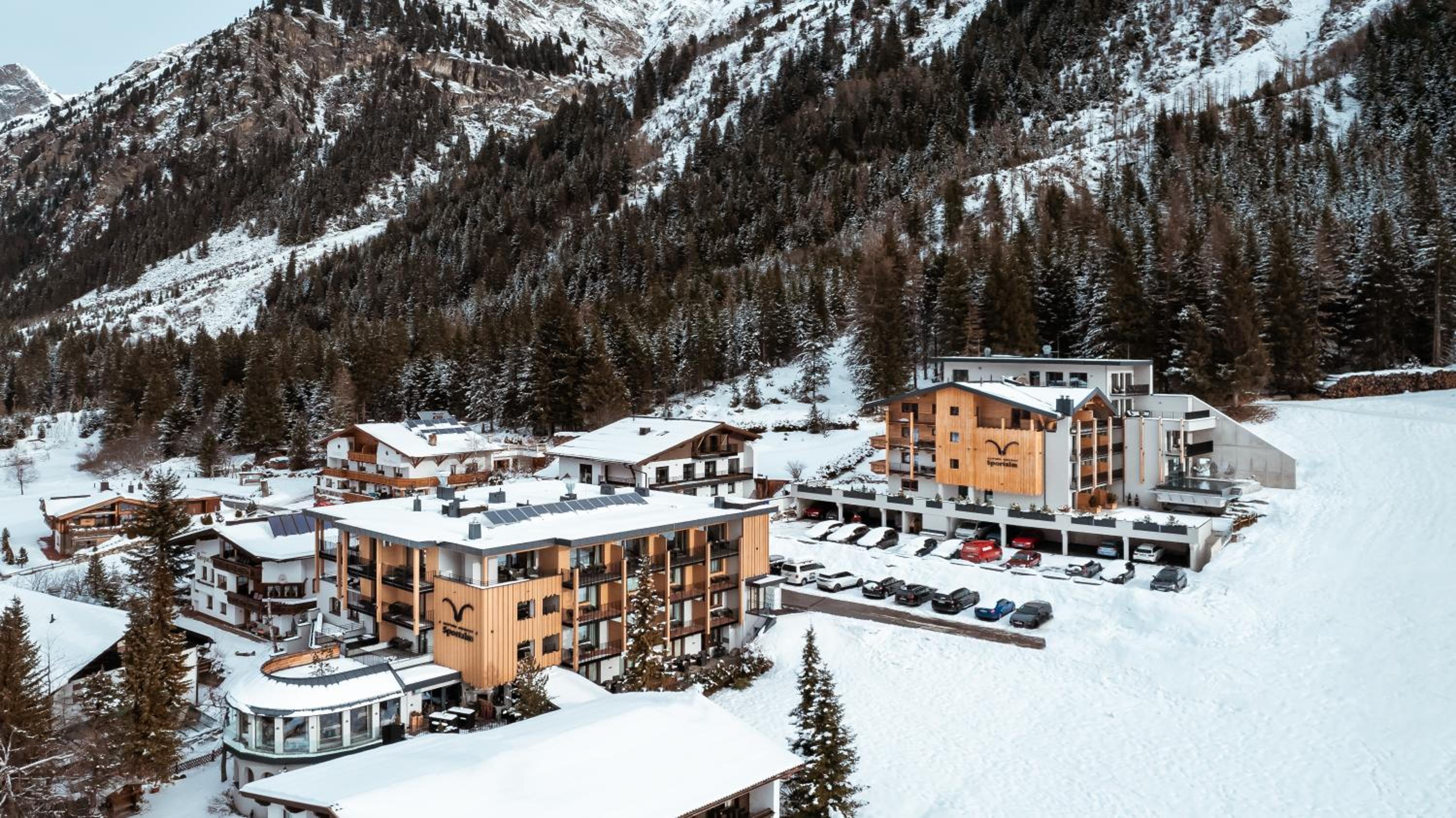
Where to stay
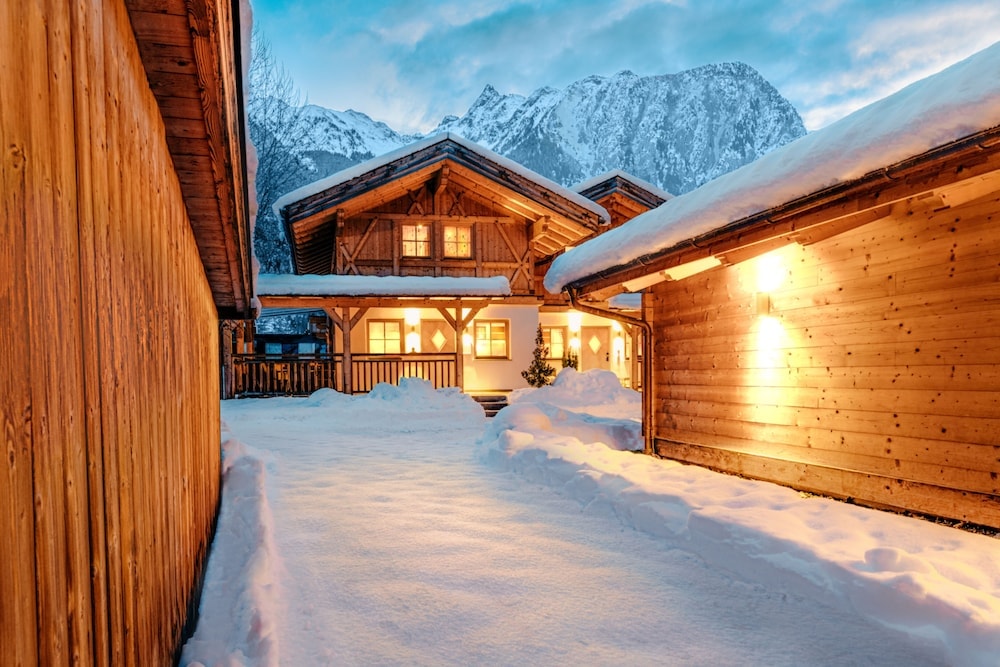
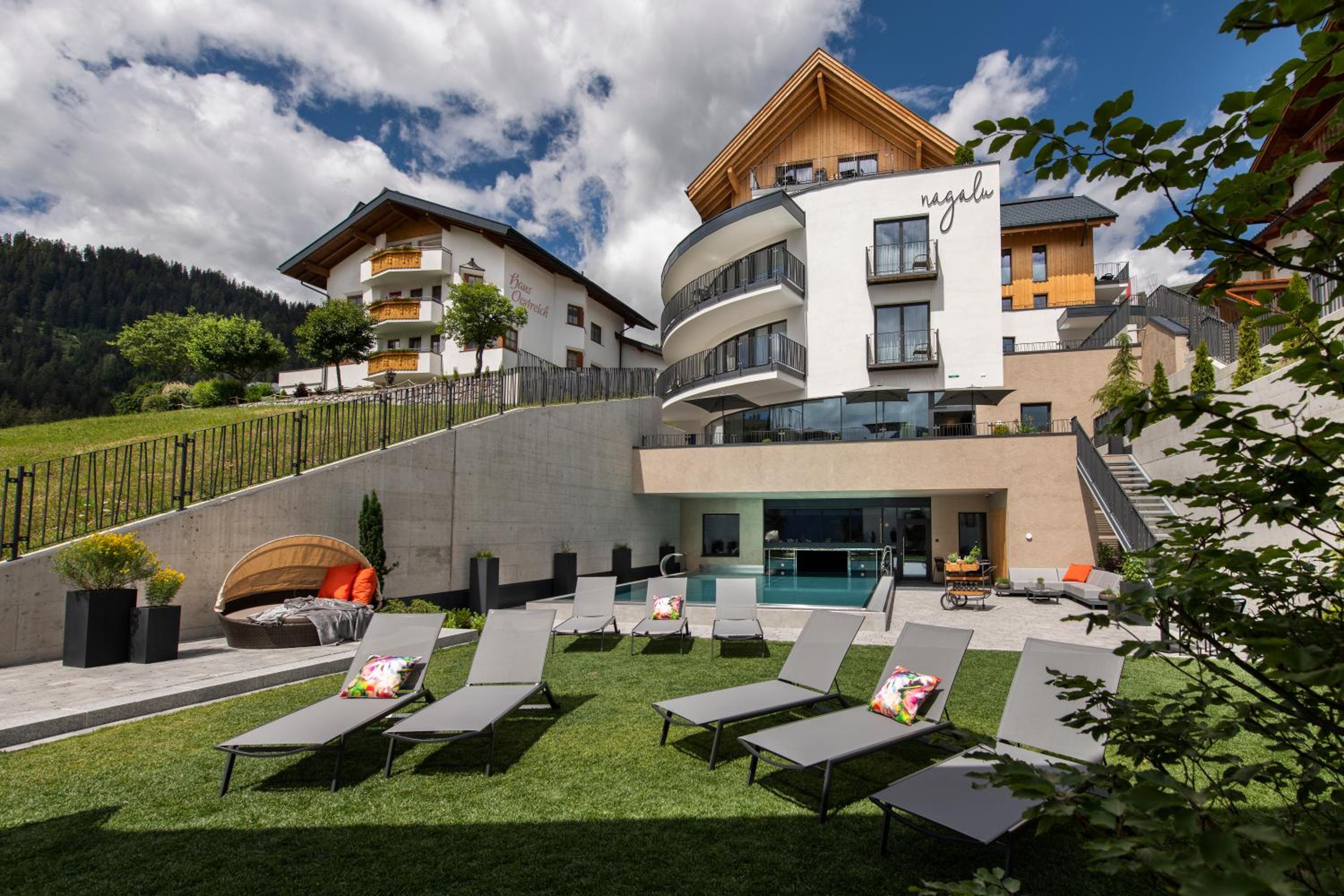
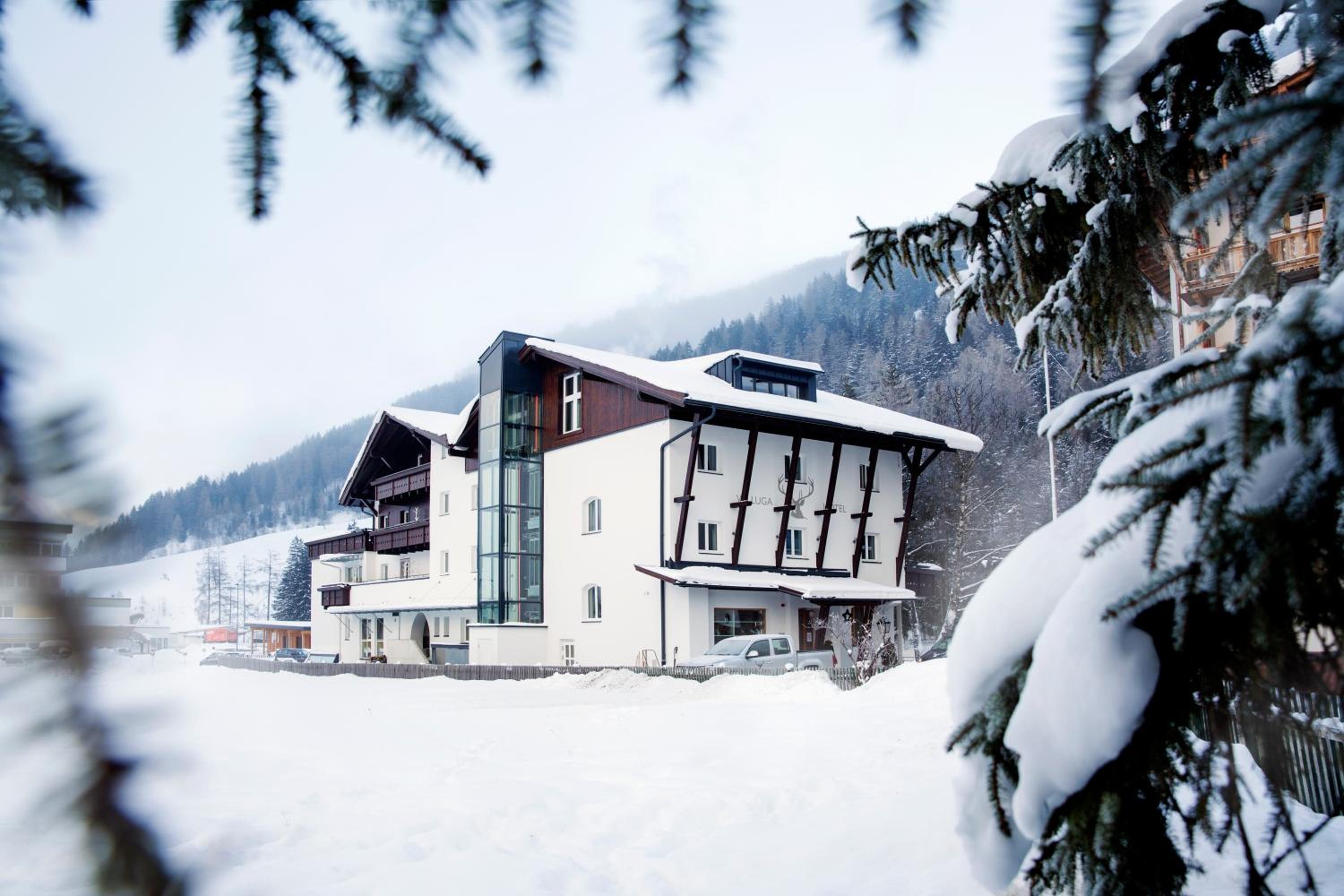
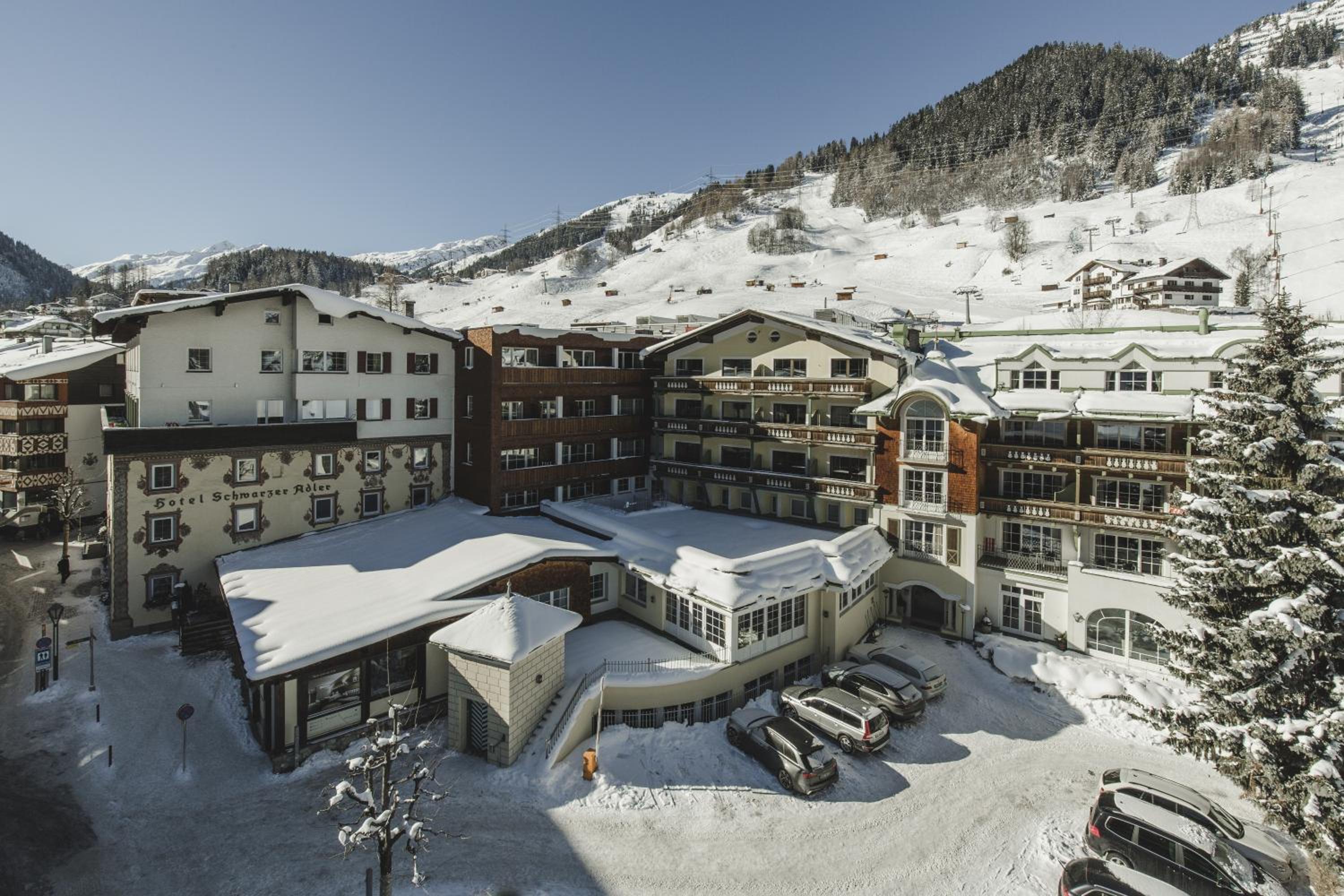
64 curated stays ·


When to visit
Best seasons for ski in Austria
For a balance of reliable snow and quieter pistes, late January to March is a good time to ski in Austria. January and February are known for good snow, while March can bring sun-drenched days on the slopes. December to March is the peak winter period, including the Christmas market season.
Most Austrian ski areas open between late November and mid-December, but snow and weather can shift opening plans at short notice. Early operations may cover only some lifts and pistes. Snow-sure ski areas generally run from December into April, while some glacier areas open in autumn. Lift and piste operations vary by area and conditions, so current information from the resort or mountain railway should be checked before travelling.
Frequently asked questions
Practical answers about ski in Austria: weather, families, highlights and more.
Almenwelt Lofer in SalzburgerLand’s Saalachtal has gentle slopes for beginners and experienced skiers. Returning skiers may find a small, manageable area easier to navigate than a vast ski network. Choose easy blue runs or, at most, intermediate red runs, and book lessons with a ski school.
Outdated skis can make a return to the slopes harder; most Austrian resorts rent newer models. A specialist ski shop can check binding settings on an electronic device each year, using an honest account of skiing ability. Regularly sharpened edges and fresh wax help skis glide, and a helmet is recommended.
Accidents are more common late in the morning and later in the afternoon, when fatigue builds. Hard or icy pistes can make accidents more serious. Keep speed within ability and visibility, give the slower skier ahead priority, and avoid stopping at narrow points. Everyone must help after a piste accident.
Kitzbühel, Schladming, Zell am See and St Anton am Arlberg can be reached by train, with stations in the resorts. Elsewhere, a bus, ski bus or shuttle may cover the final leg from the nearest station. Some Austrian regions make ski buses free with a ski pass or guest card.
For incidents beyond a secured ski area, use the Austrian Alpine emergency number 140. The piste rescue service or control centre decides whether to send a helicopter, usually for serious injuries or incidents in open ski terrain. Health insurance reimburses only a small share of helicopter costs, so most of the expense falls to the injured skier.