

Ski holidays in Italy
3 resorts · 80 hotels for ski
Where to go in Italy
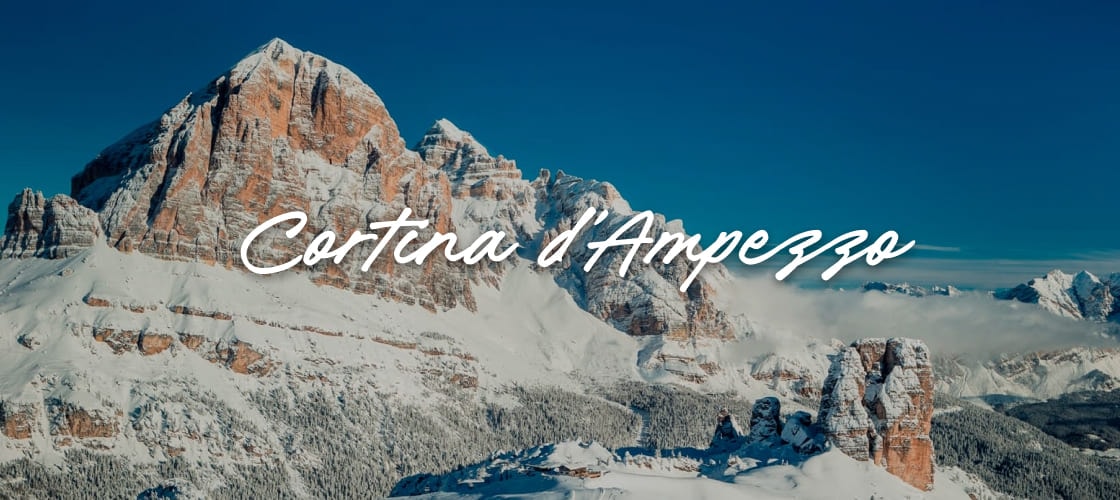
Cortina d Ampezzo
Best December - April · 10 ski hotels
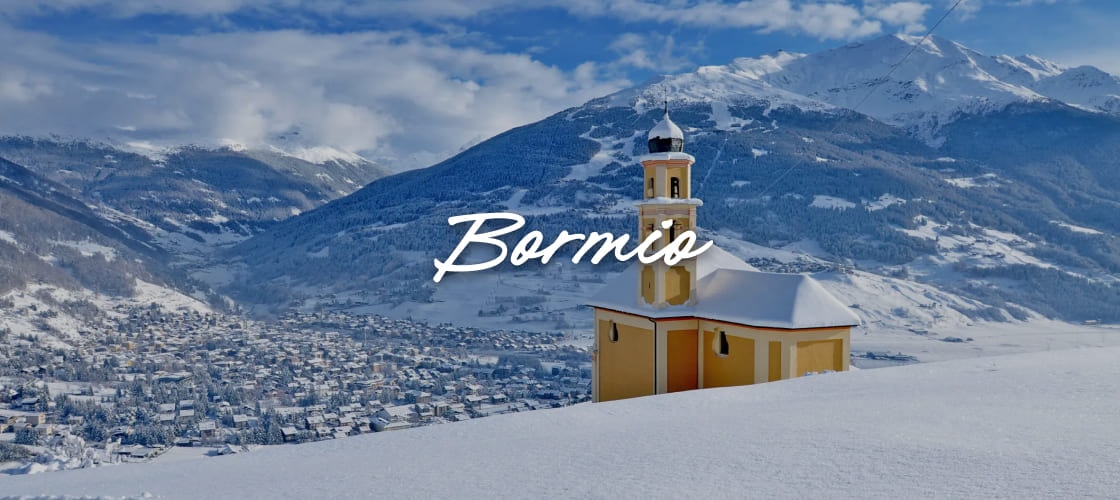
Bormio
Best December - March
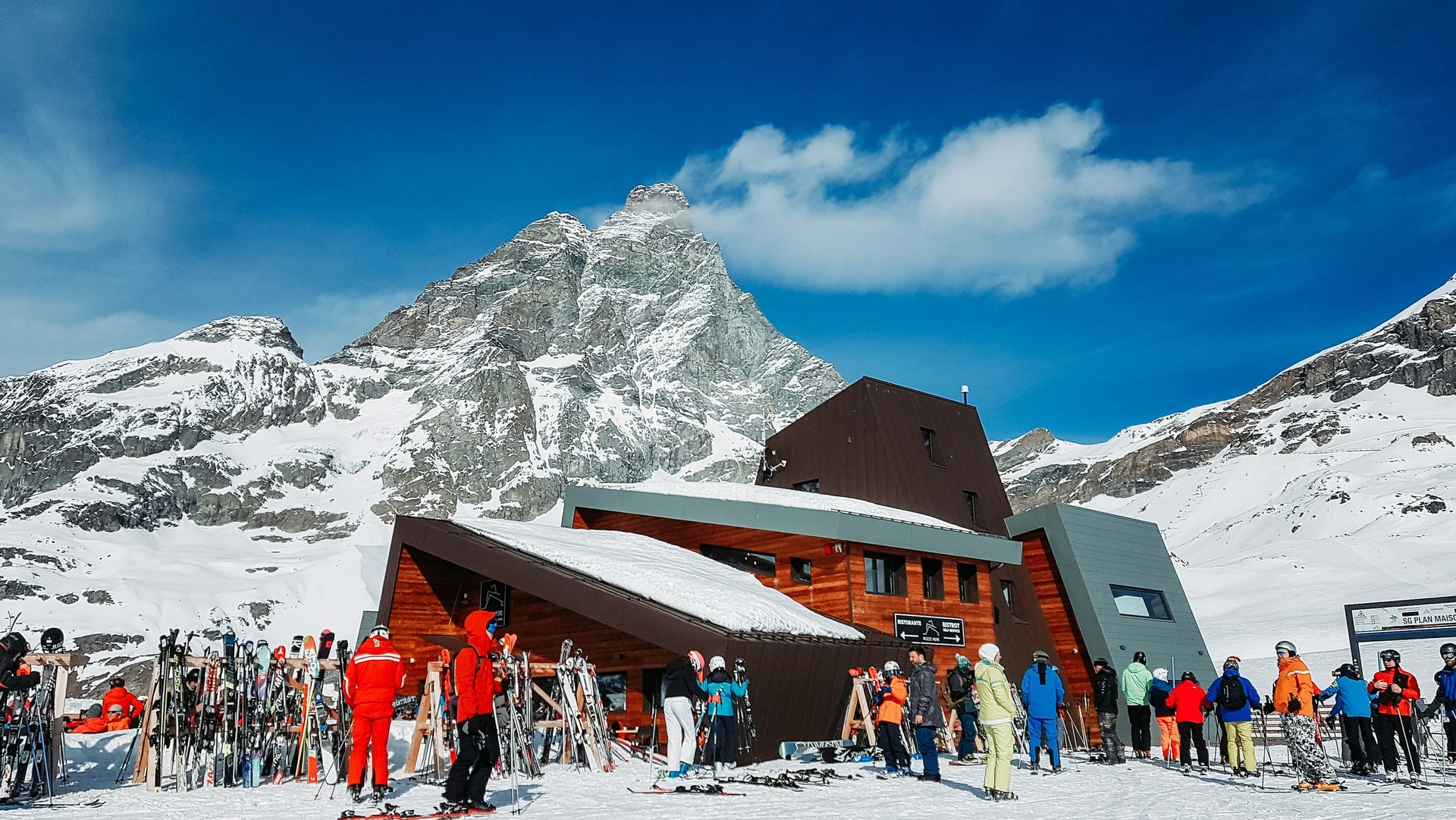
Cervinia
Best December - April · 5 ski hotels
Why ski in Italy?
Almost all of the Alps’ sunny southern slopes lie in Italy. The Dolomites’ rock pinnacles rise above wide snow slopes suited to beginners, while experts tackle steep World Cup runs such as the Gran Risa, Saslong and Erta. Etna offers skiing on an active volcano, often possible into late spring. The Alps are Europe’s highest mountain range.
In Alta Badia, novice skiers and families find gentler pistes alongside demanding descents, and the Gran Risa draws professional skiers. The Audi FIS Ski World Cup takes place in La Villa each year, with races in Val Gardena and Santa Caterina. Across the Dolomites, modern lifts reach groomed runs for all abilities. Skiers should check the snow and run traffic, control their speed and leave room before passing.
On a rest day in the Dolomites, visitors can walk and browse the shops in downtown Ortisei’s pedestrian area. The Great War Museum and the characteristic village of Rocca Pietore are among the sights around Arabba and Marmolada. Mountain cottages and refuges in the San Martino di Castrozza and Rolle Pass area serve typical food. These stops bring together local places, history and mountain food.
Highlights
Dolomite pistes for every level
Wide beginner slopes and World Cup courses sit across the Dolomites; skiers should account for run traffic and snow conditions.
Cable cars reach Alpine heights
In the Italian Alps, cable cars and chair lifts carry visitors to high, celebrated lookout points.
Skiing on Etna
Skiing on Italy’s highest active volcano can begin with the first December snowfall and often continue until May.
Sunny southern Alpine slopes
Almost all sunny southern slopes of the Alps lie in Italian territory.
Destination
Destination
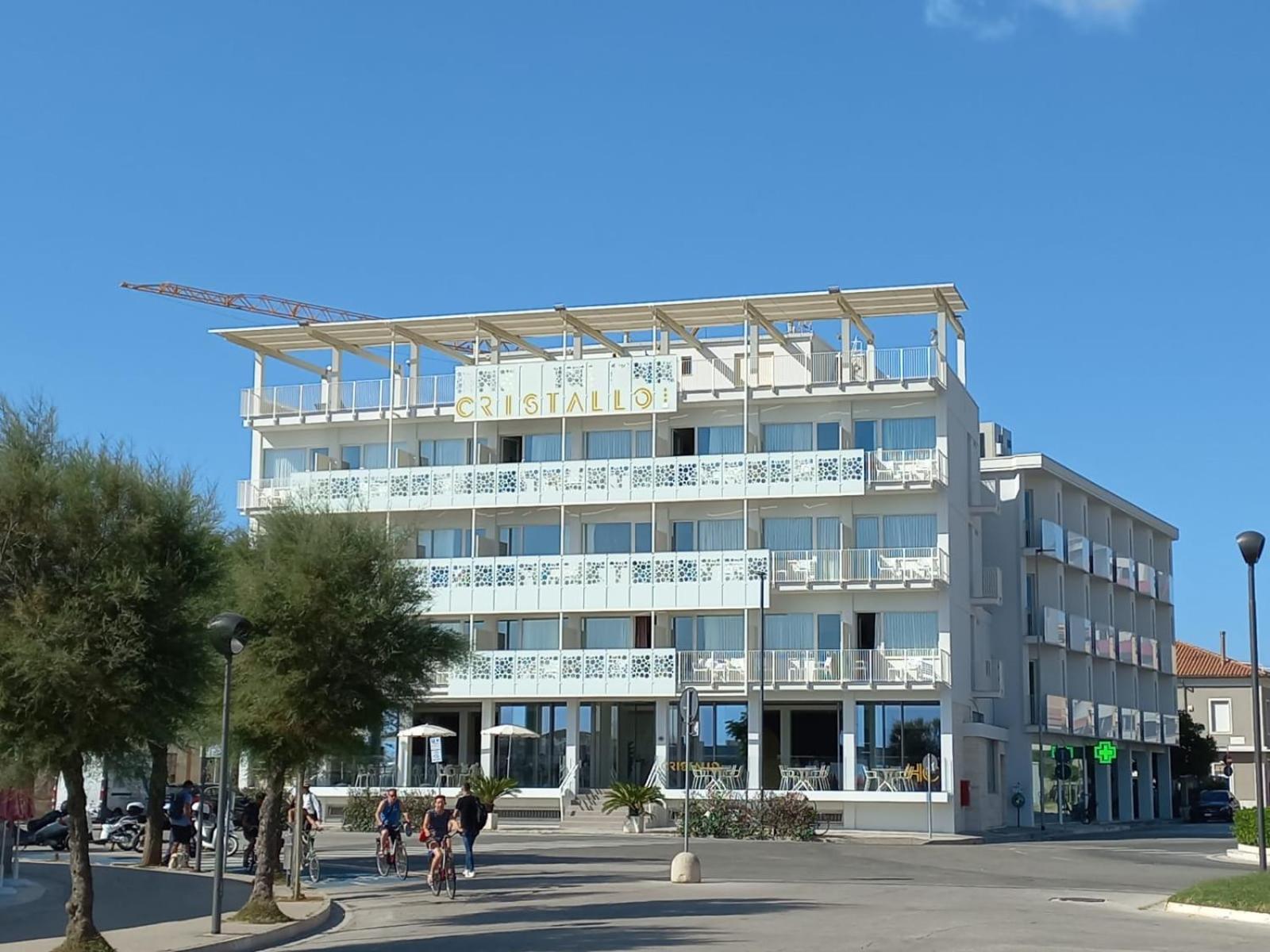
Where to stay
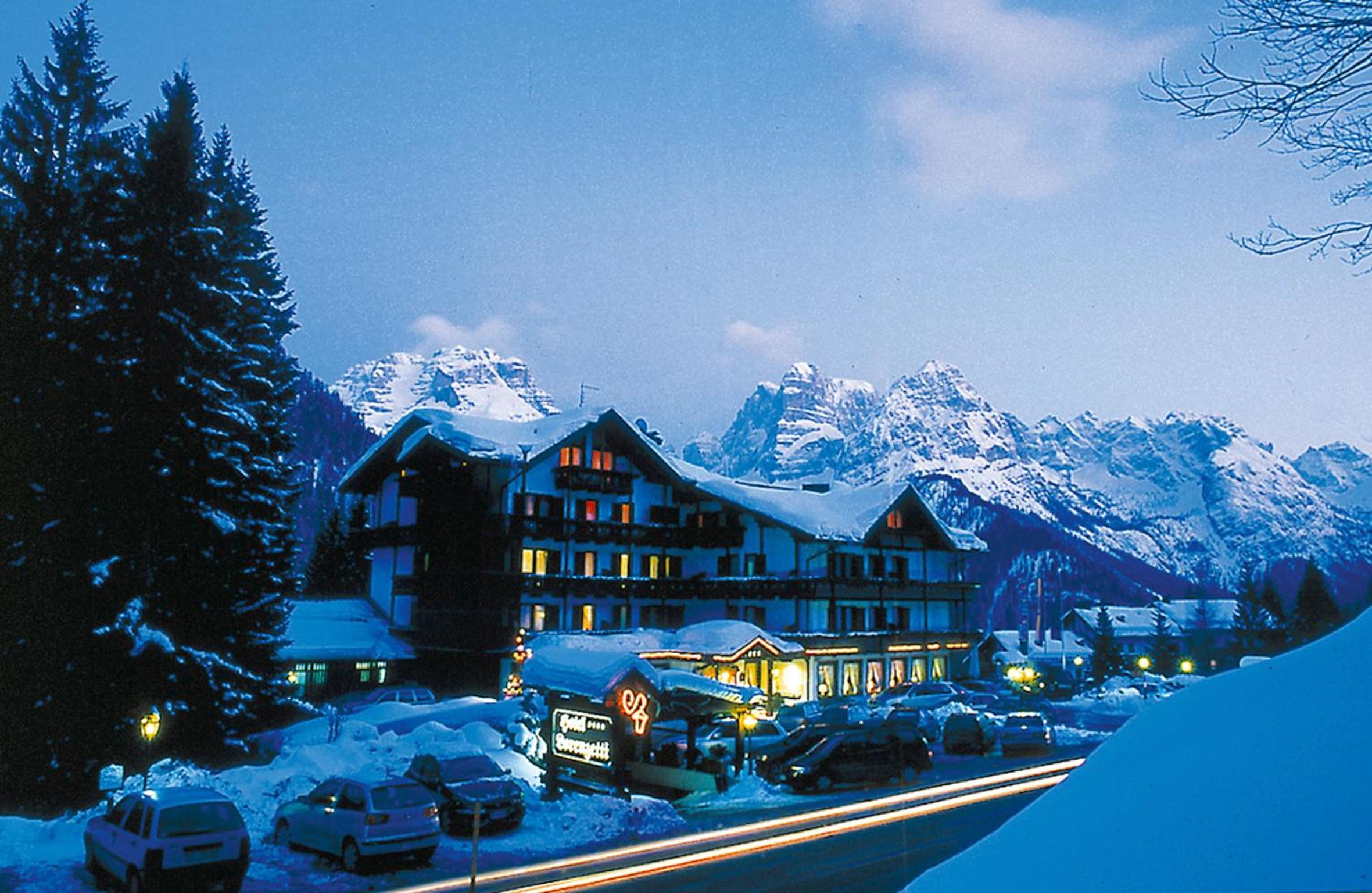
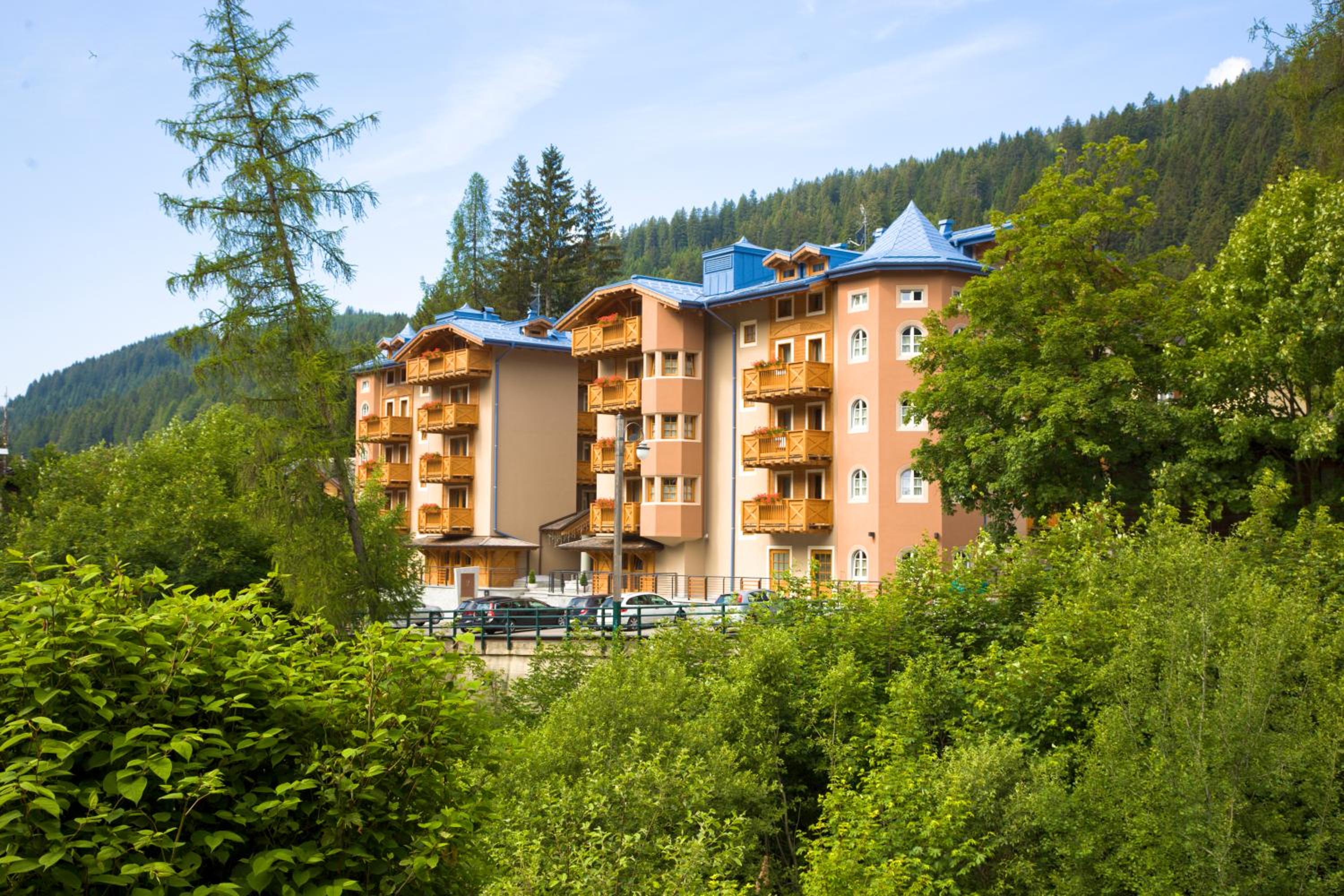
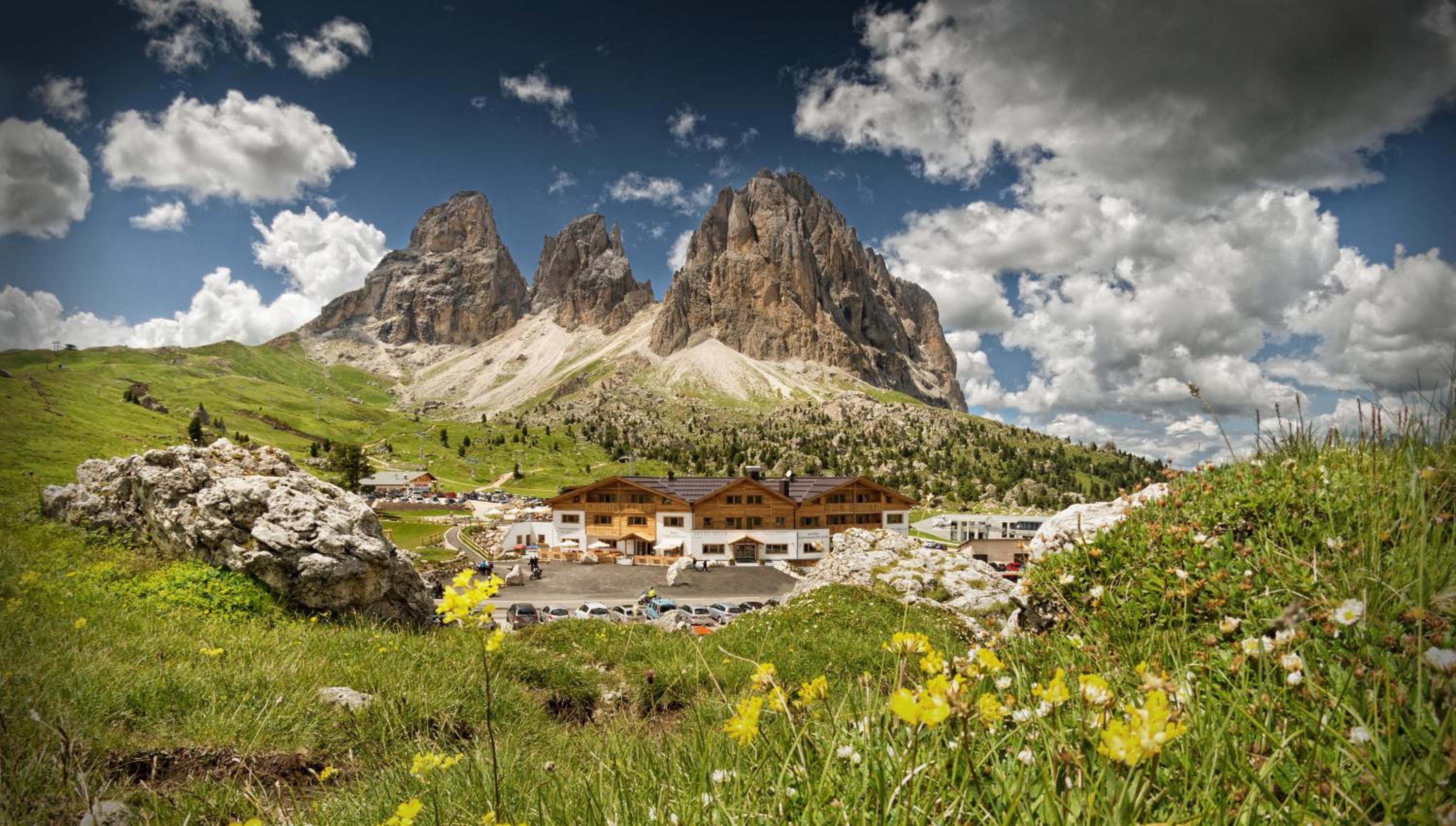
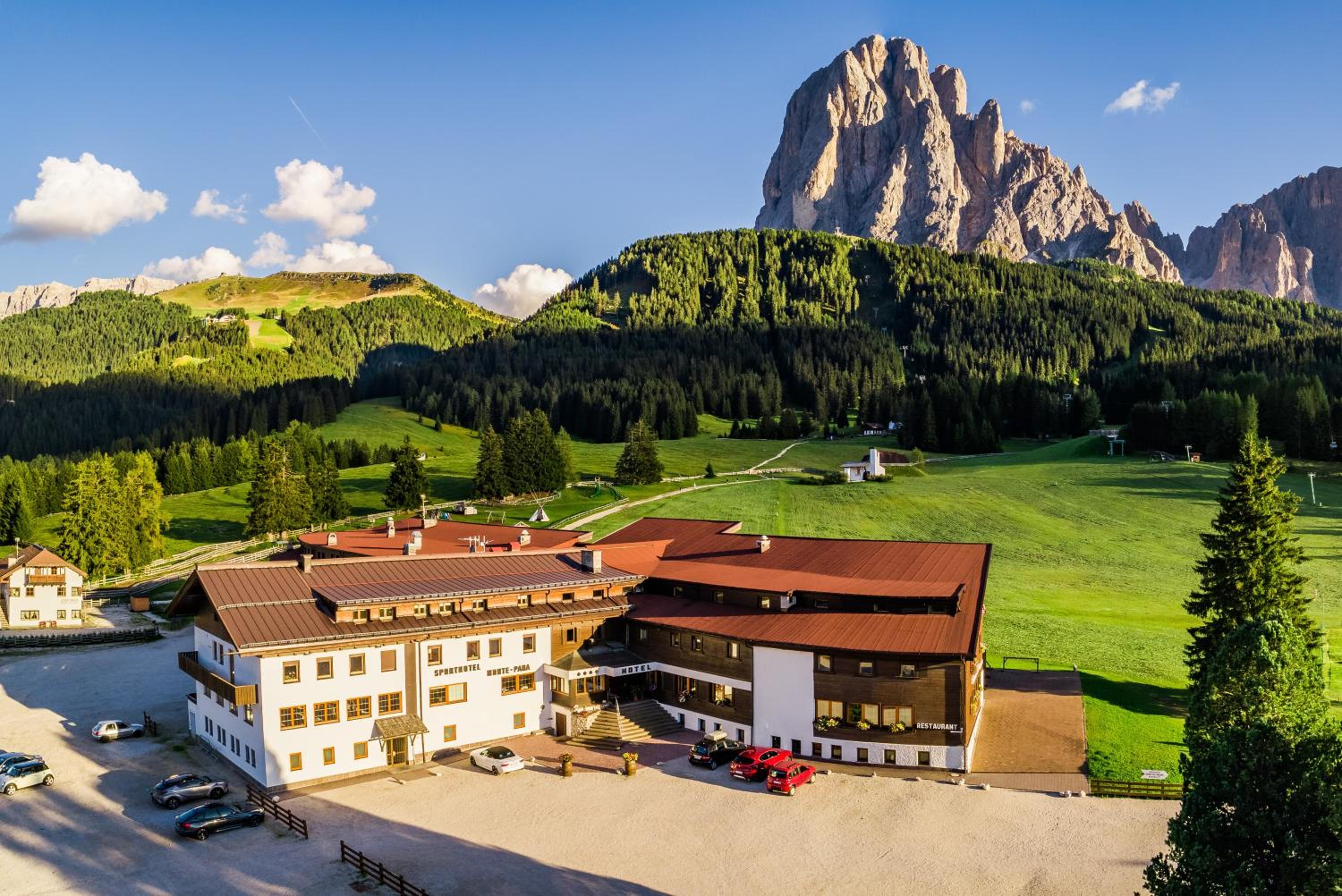
80 curated stays ·

When to visit
Best seasons for ski in Italy
January, especially after the holiday peak, suits skiers seeking quieter slopes and firm snow. Cold temperatures help keep snow firm, though daylight is shorter. February brings broad winter operation, but school holidays mean busier slopes and lunch venues, with higher demand. March brings longer days, more sunshine and easing crowds. Higher terrain holds snow better as lower slopes soften, so early starts make the most of firmer conditions.
December can work for festive atmosphere, but early-month snow and terrain are variable, and full lift links are not guaranteed. Christmas and New Year are high-demand periods. April is a late-season choice, with skiing limited to higher areas as operations narrow quickly and valley conditions become inconsistent. Some glacier skiing continues into spring, but dates and open terrain vary by area and year, so lift calendars need checking before travel.
Frequently asked questions
Practical answers about ski in Italy: weather, families, highlights and more.
Alta Badia has slopes suited to novice skiers and children, while professional skiers test their skills on Gran Risa. The descent from Boè has steep sections through dense coniferous forest. Beaulard offers a school camp and a gentle approach to learning to ski.
On Madonna di Campiglio’s Direttissima dello Spinale, snow banks and sudden changes in gradient make the black run technically demanding. Skiers should match their speed to their ability, visibility, weather and slope traffic, and avoid stopping in narrow passages or where visibility is restricted. After a fall, the slope should be cleared promptly.
Cortina d’Ampezzo is reached by taking a fast regional train from Belluno to Calalzo di Cadore, without changing, then a bus from the station to Cortina. That bus leg matters because the train does not reach the resort itself. For Pila, Aosta railway station connects on foot to a fast cable car.
Ski equipment can be rented on site at destinations covered by Italy’s train-access guide, so a rail trip does not require travelling with skis from home. Cortina d’Ampezzo is reached by train to Calalzo di Cadore, followed by a bus, while Pila is linked to Aosta railway station by cable car.
A skier entering a slope or setting off after a stop must check that the move will not endanger others. At intersections, priority goes to skiers coming from the right, or skiers must follow specific directions. Helmets are mandatory for those under 18 and strongly recommended for adults, and speed should suit ability, visibility, weather and slope traffic.