

Ski in Switzerland
Why ski in Switzerland?
The Valais Alps and Graubünden are where Switzerland’s high-altitude ski resorts are found mainly. Switzerland Tourism says snow is guaranteed there, but visitors must not be sensitive to cold. The resorts have groomed slopes and powder slopes. Winter sports reports cover weather, piste and cross-country trail lengths, toboggan runs and winter hiking trails. The piste listing shows slope conditions and open lifts. Check local reports before setting out.
Val de Bagnes has marked touring routes, but they are not secured. Check the weather, assess ability and route difficulty before departure. Skiers should feel comfortable skiing red slopes, while some routes are accessible to beginners accompanied by a guide. The mountain hut guidance names Patrouille des Glaciers and Patrouille des Jeunes as challenges. Ski touring on closed slopes is not allowed, except between Verbier and Savoleyres on Wednesday evenings from January to March, depending on weather. Groomer cables are invisible at night, and a collision can be fatal.
Uster Märt and Winterland in Locarno appear in Switzerland Tourism’s winter event listings. A Verbier food listing includes fromage à raclette. Switzerland Tourism also highlights gastronomy, customs and traditions.
Highlights
Ski lessons across Switzerland
Ski schools teach snow sports to learners of all ages in winter sports resorts and major cities.
Rail links, winter road caution
Trains and PostBus connect travellers with major ski resorts, while snow-covered mountain roads make driving less practical.
Cold at high altitude
High-altitude ski areas in the Valais Alps and Graubünden offer guaranteed snow, but visitors should be comfortable with the cold.
Cross-country in Davos
Davos pairs downhill skiing with cross-country skiing across the valley.
Ski beside the Great Aletsch Glacier
The UNESCO-listed Great Aletsch Glacier sits at the centre of the Aletsch Arena, where visitors can ski or join a glacier tour.
Destination
Destination
Where to stay
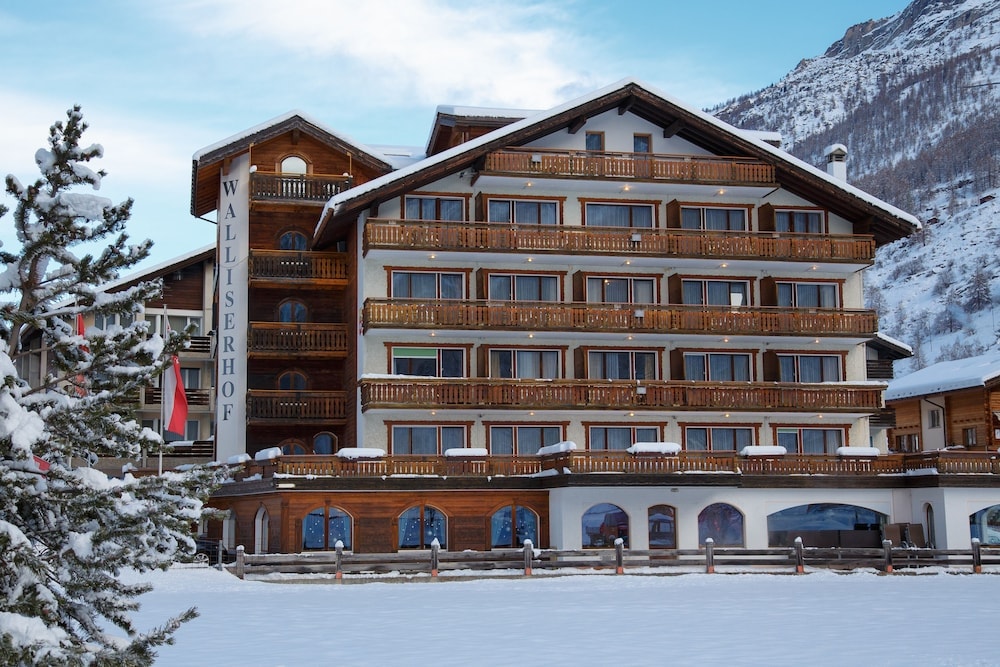
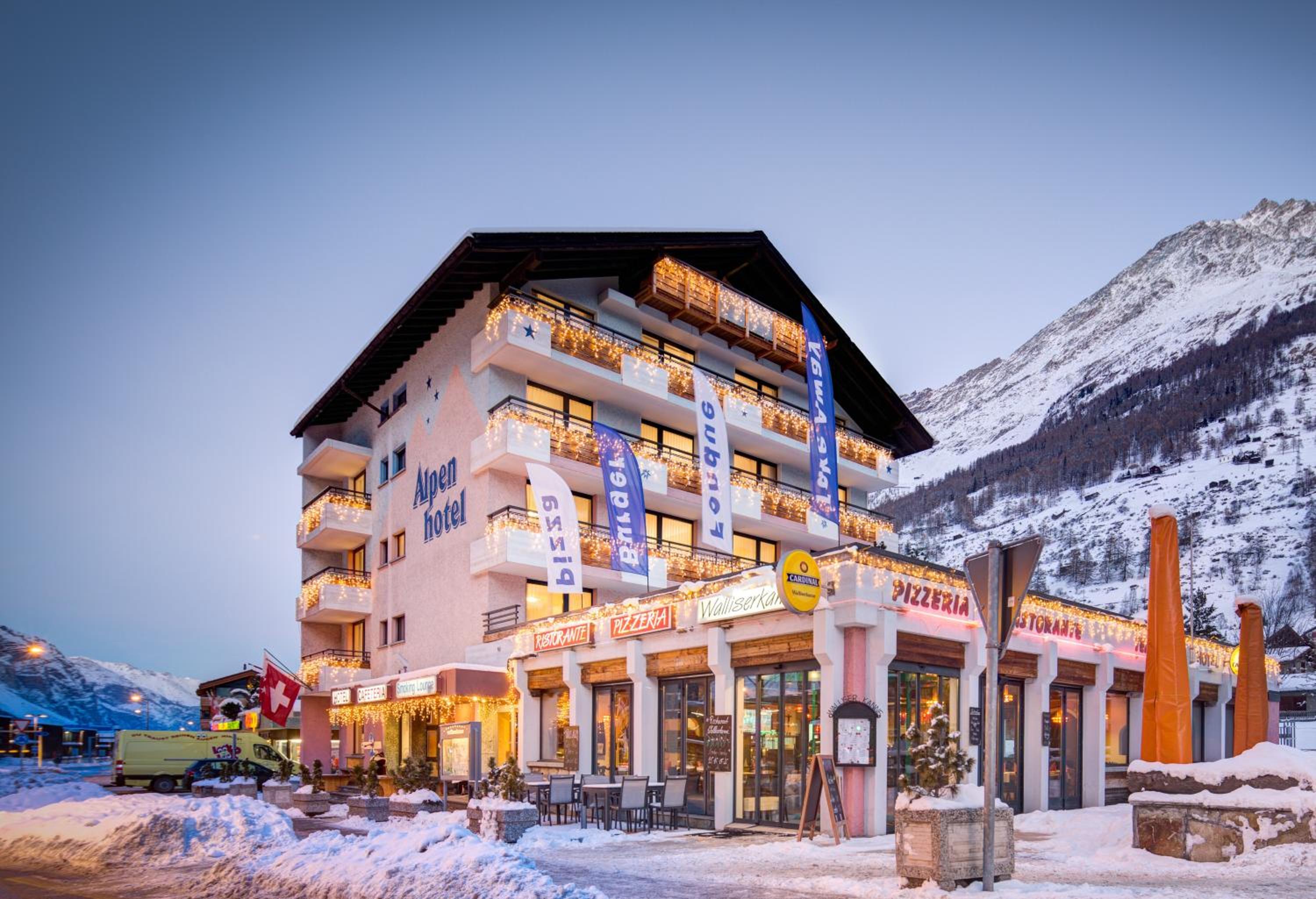
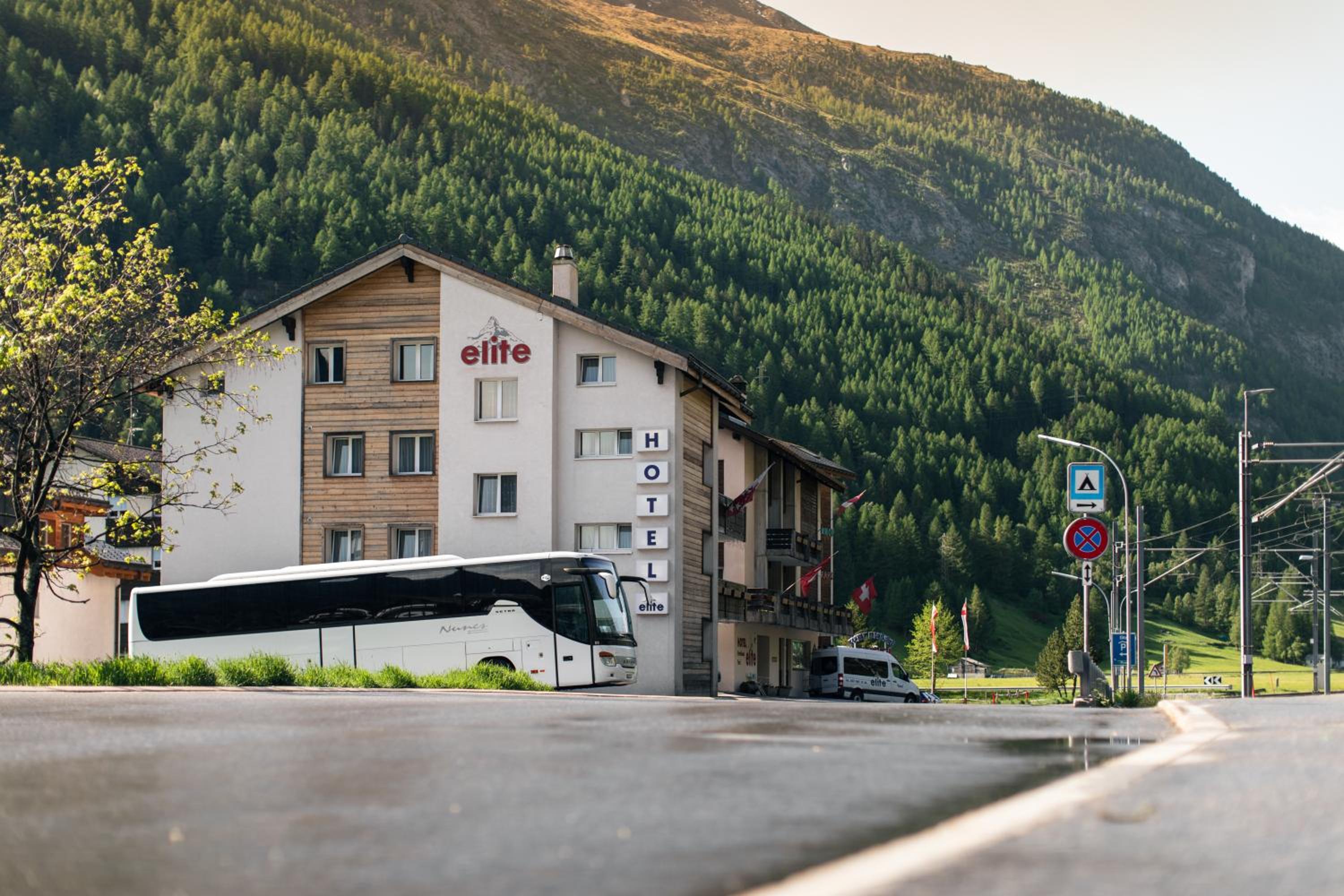
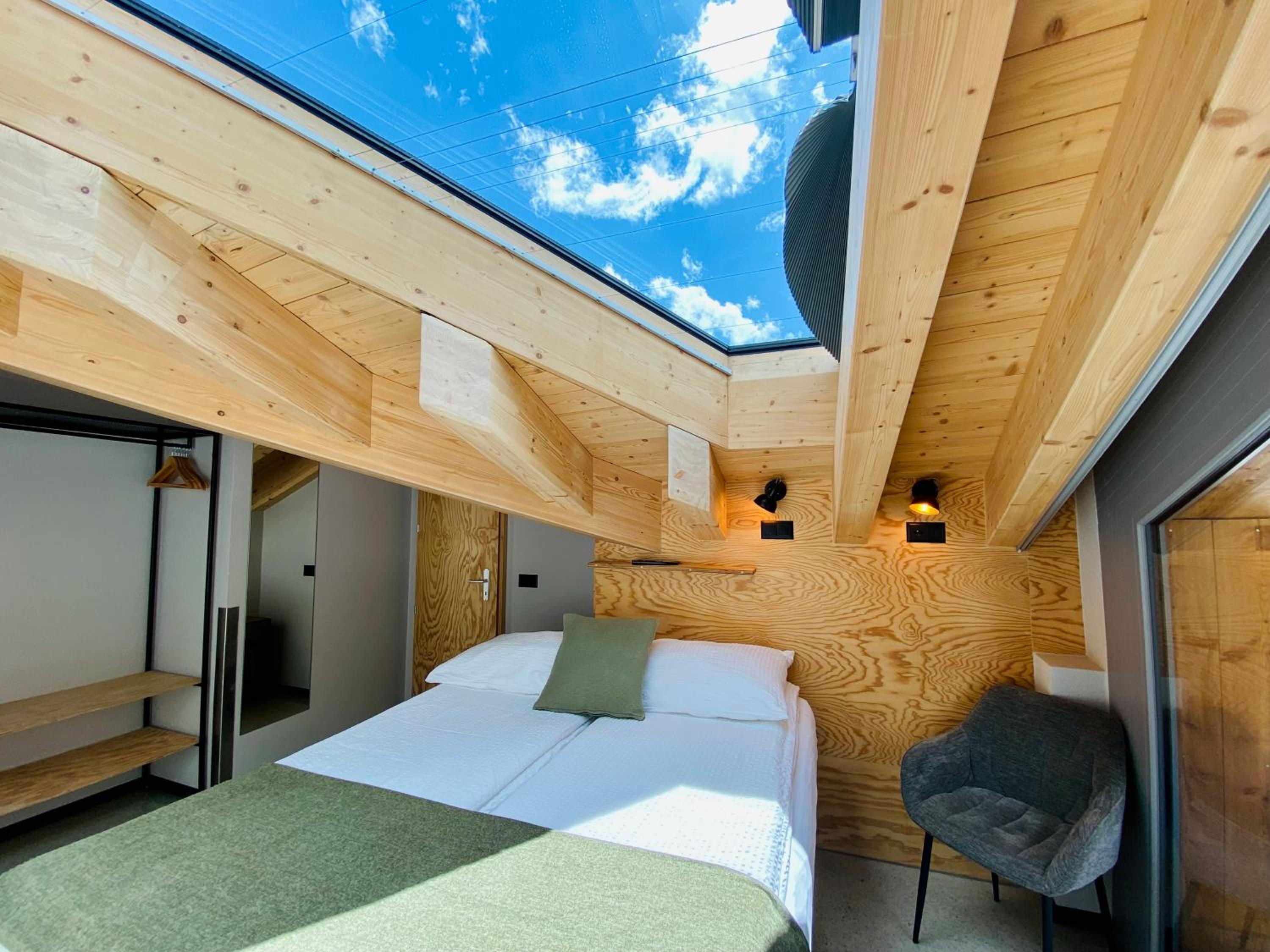
81 curated stays ·
When to visit
Best seasons for ski in Switzerland
Swiss ski areas generally run from December to April. Late January and February usually bring excellent snow across elevations and well-covered pistes, although February school holidays draw more crowds, with dates varying between cantons and UK schools. The first weeks of December and the weeks just after New Year tend to have thinner crowds.
March and April bring longer days, a more relaxed atmosphere and often excellent snow at altitude. Lower slopes can turn slushy in the afternoon, while early-season snow cover at lower elevations is less predictable. Many ski resorts rely on artificial snow, especially at lower elevations. High-altitude resorts tend to offer more reliable conditions at the season’s edges.
Frequently asked questions
Practical answers about ski in Switzerland: weather, families, highlights and more.
Davos/Klosters suits all levels, while Verbier suits experienced skiers and has off-piste terrain. Grindelwald, Wengen and Mürren have good family facilities, and the Grindelwald/Jungfrau area links First, Kleine Scheidegg and Männlichen into a large circuit. The Jungfraujoch is reached from the valley by cogwheel railway, but it is a tourist excursion rather than a ski run.
The avalanche bulletin describes conditions for a region, not the risk on a single slope. Off-piste skiers should check it, carry a beacon, probe and shovel, and keep reassessing weather, snow and terrain. At avalanche danger level 3, whumpf sounds and shooting cracks are typical warning signs of a critical situation. Inexperienced people are advised to remain on open ski runs and trails at this danger level.
Equipment hire is available at every Swiss ski resort, and booking online before arrival can cost less than walk-in hire. Frequent skiers with a particular boot size or fit preference can consider shipping their own boots ahead, since hire-shop fitting is less precise. Helmet rental is included or inexpensive at most hire shops.
Zermatt is reached by cogwheel train from Täsch or Visp, while Saas-Fee is reached by bus from Brig. Grindelwald is reached by train from Interlaken Ost, and Laax is served by bus from Chur, which connects to Zurich by train. Davos has a direct train connection from Zurich.
Swiss piste guidance says skiers should stop at the edge or where they can be easily seen. Before setting off or turning uphill, skiers should look both up and down the slope. Those climbing up or down should keep to the piste edge, and all skiers should obey signage and markings.