

Why ski in Tignes?
At Tignes, lifts serve the Tignes Val d’Isère ski area across villages at different elevations. Tignes les Brévières, Tignes 1800, Tignes le Lavachet, Tignes le Lac and Tignes Val Claret sit at altitudes ranging from 1,550 to 2,150 metres. The pistes suit beginners through expert skiers, and the lift network includes chairlifts, gondolas, surface lifts, funiculars and the Perce Neige cable car. The lifts serve the ski area and provide access to pistes for a wide range of ability levels.
Val Claret, Tignes le Lac, Lavachet, Brévières and Tignes 1800 are also ski-pass collection points. Piste and lift openings can be checked in real time. The ski area is served by lifts for skiers of all levels. The Perce Neige cable car is part of the winter network, alongside chairlifts, gondolas and surface lifts.
Tignes has villages at different altitudes and a network of free shuttles for getting around the resort. The resort directory lists restaurants, and the resort map locates the main services and activities. The resort map and directory provide practical information for planning a stay.
Highlights
Linked pistes for every level
Tignes and Val d’Isère form a linked ski area with green, blue, red and black pistes.
Fast lifts to the summits
Detachable chairlifts carry skiers towards the summits and help cut time spent in queues.
A long winter ski window
The ski area is open from late November to early May, thanks to its high altitude and the Grande Motte glacier.
Swim after the ski day
Tignes has a swimming pool for a post-ski swim.
Train high on Grande Motte
The Grande Motte glacier marks the ski area’s highest point, where national and regional teams train.
Destination
Destination
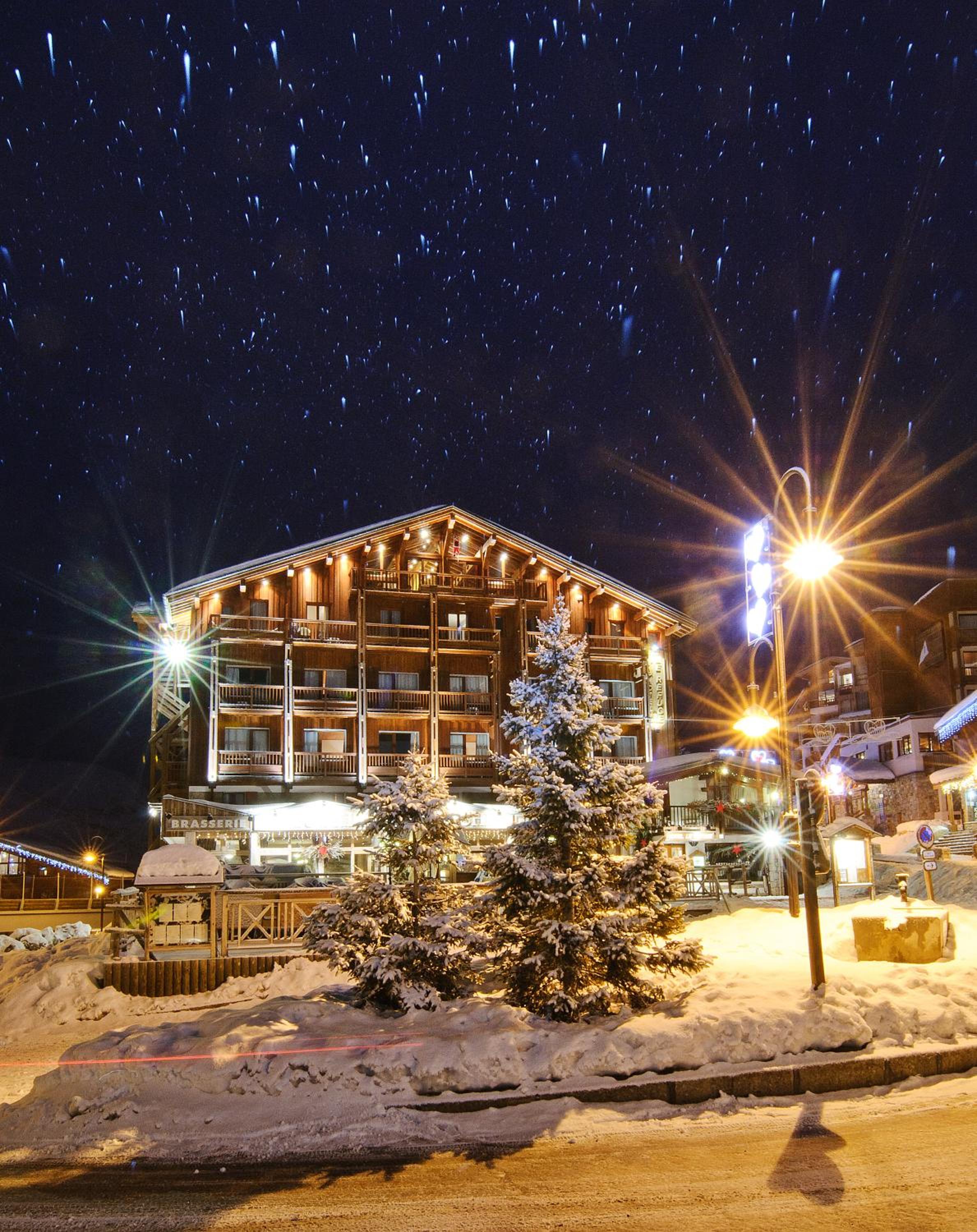
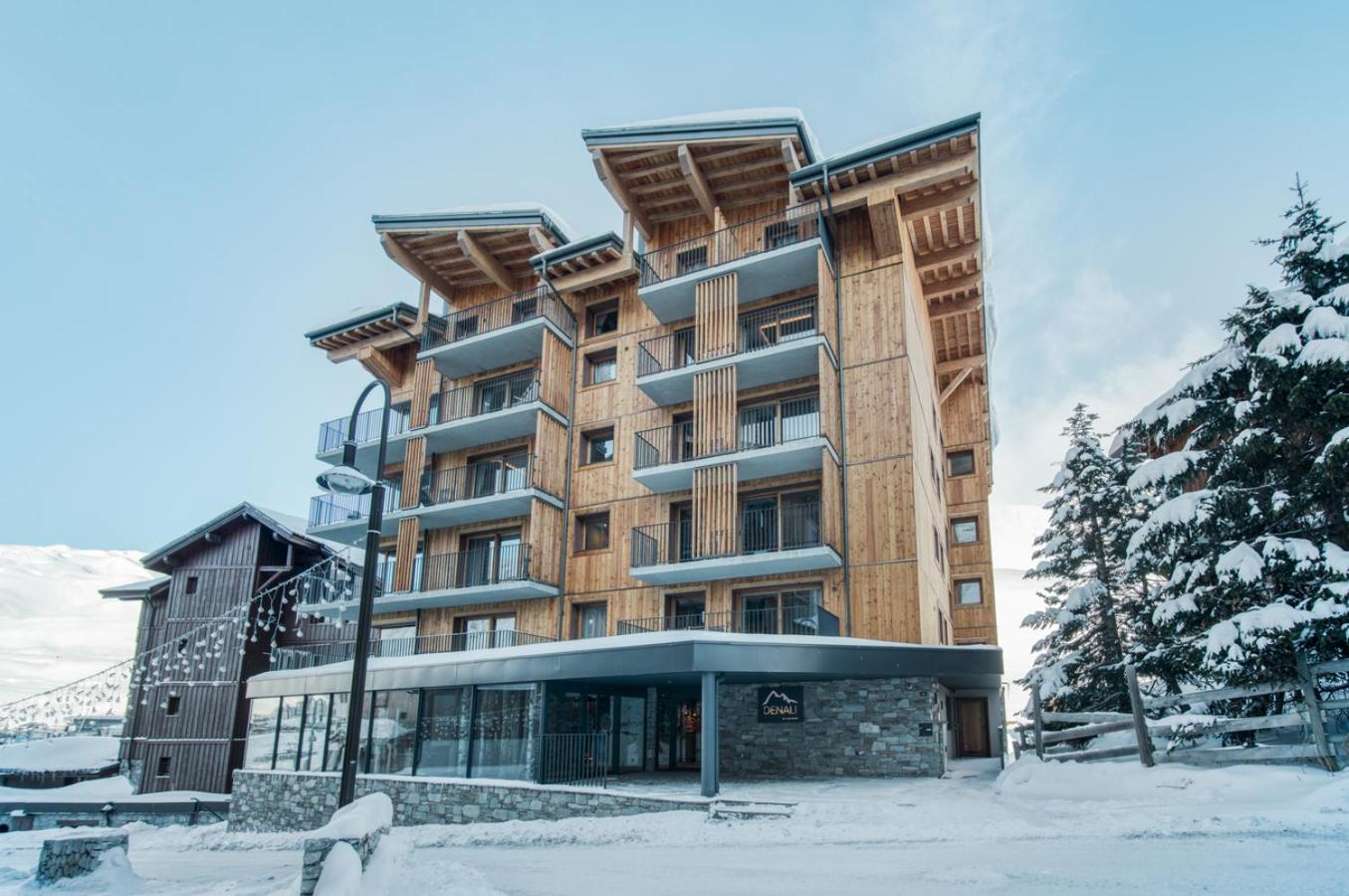
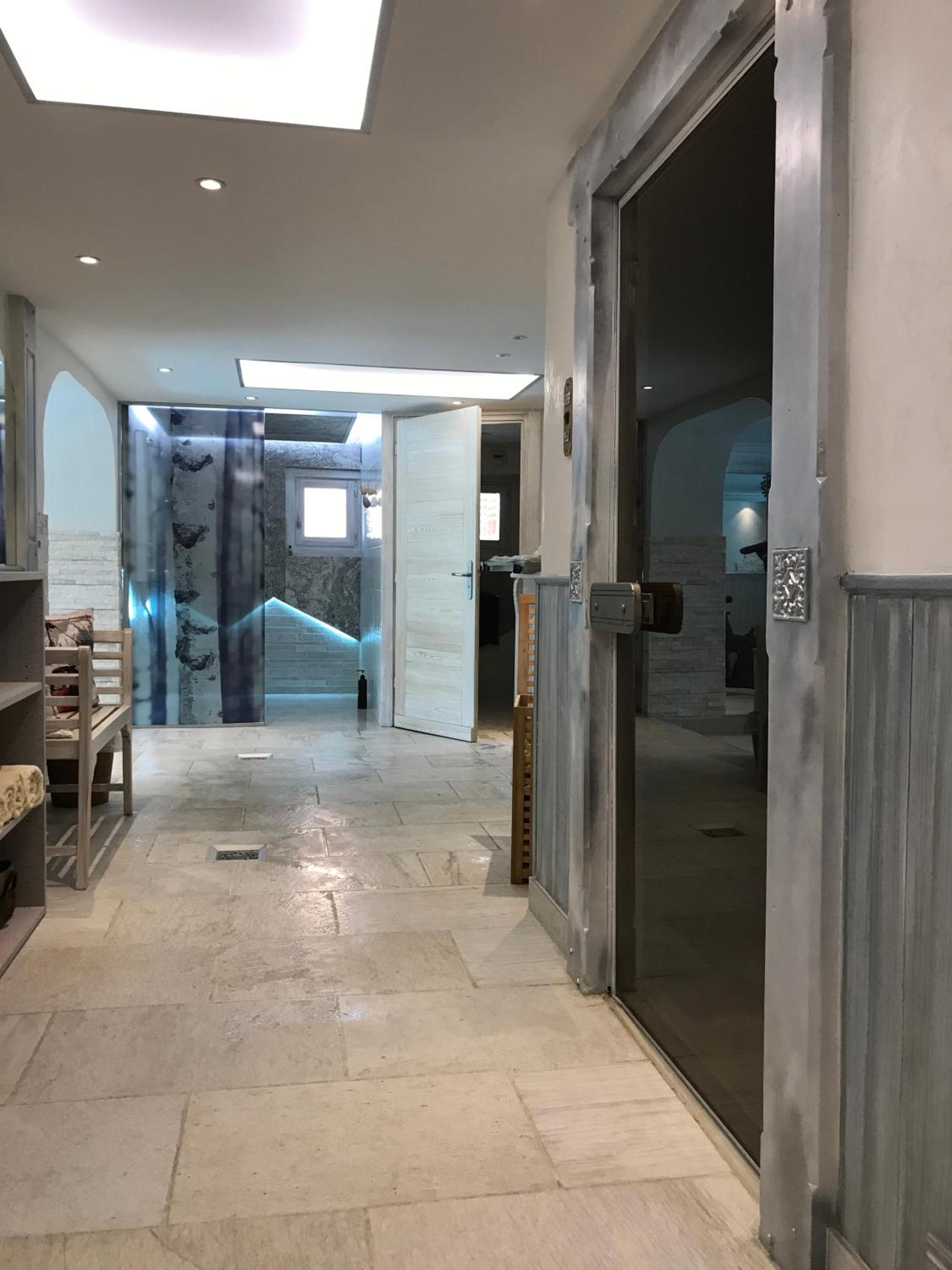
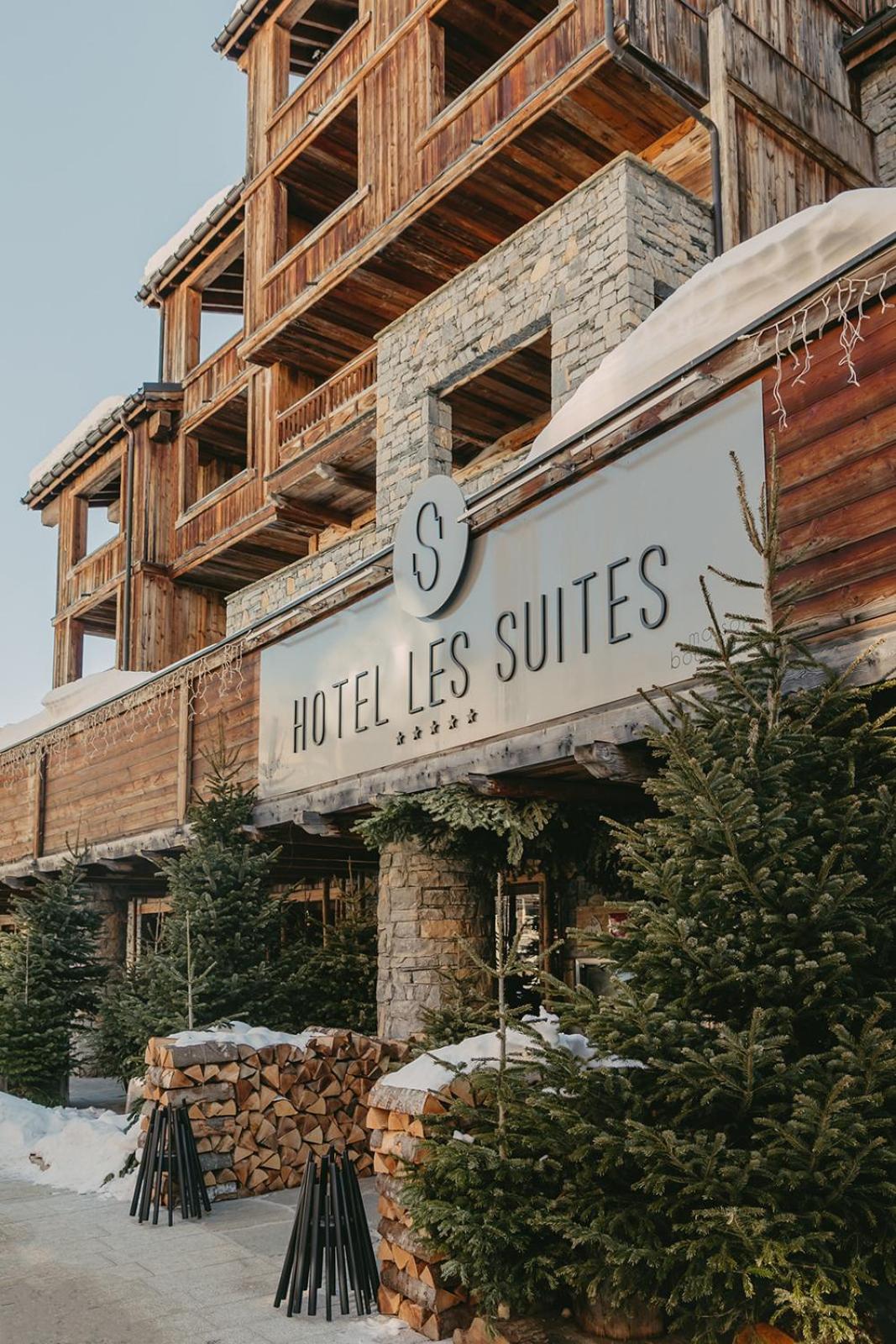
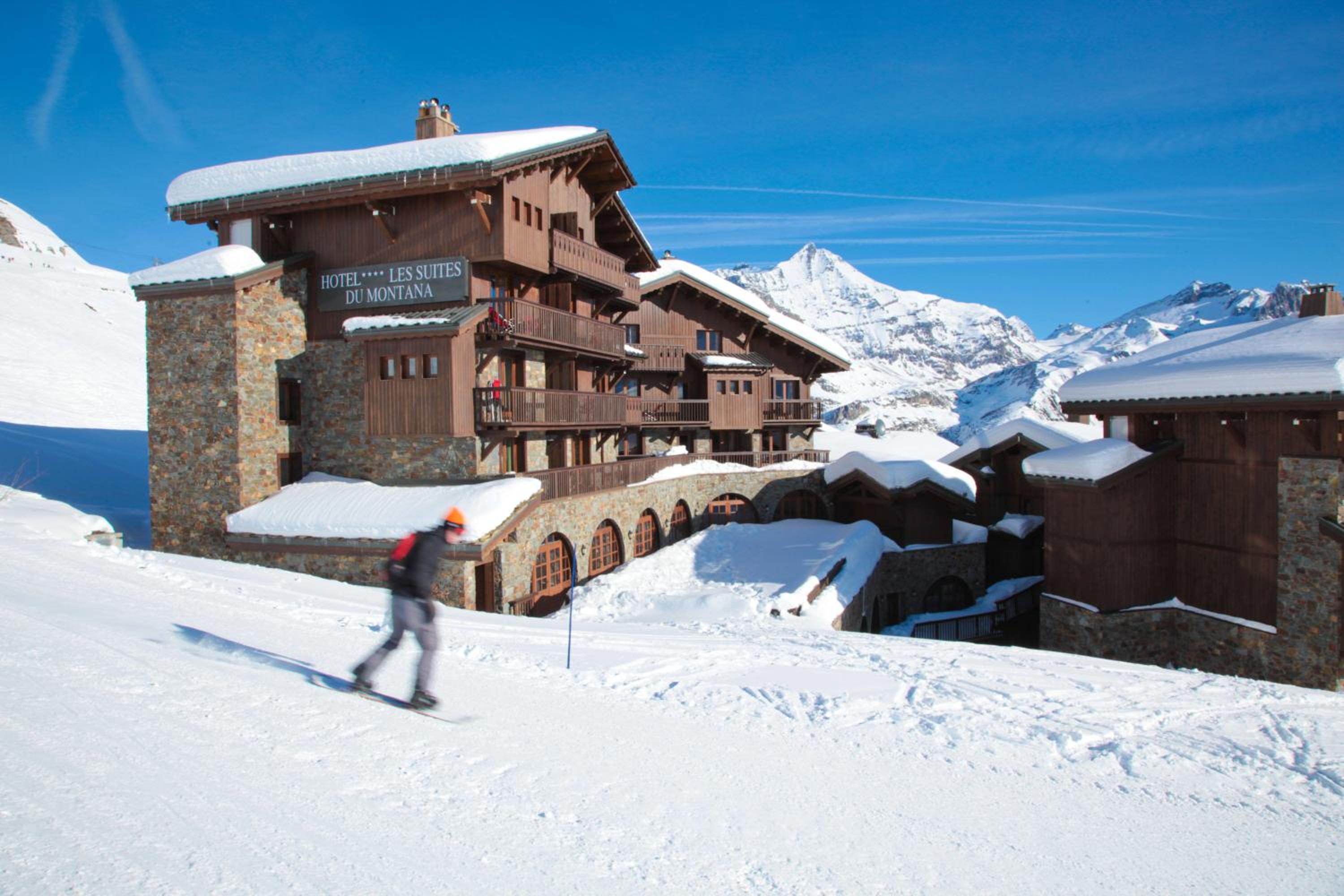
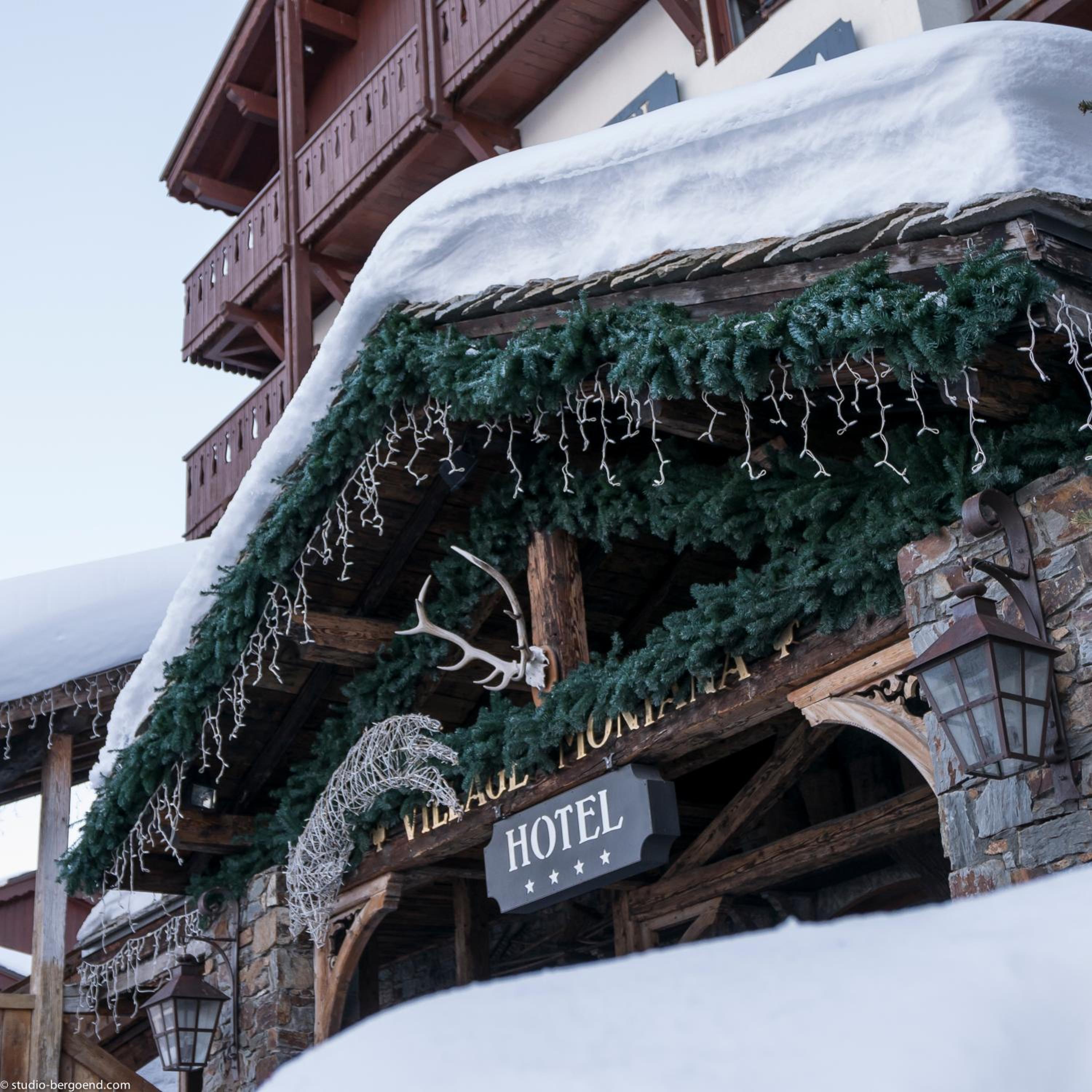
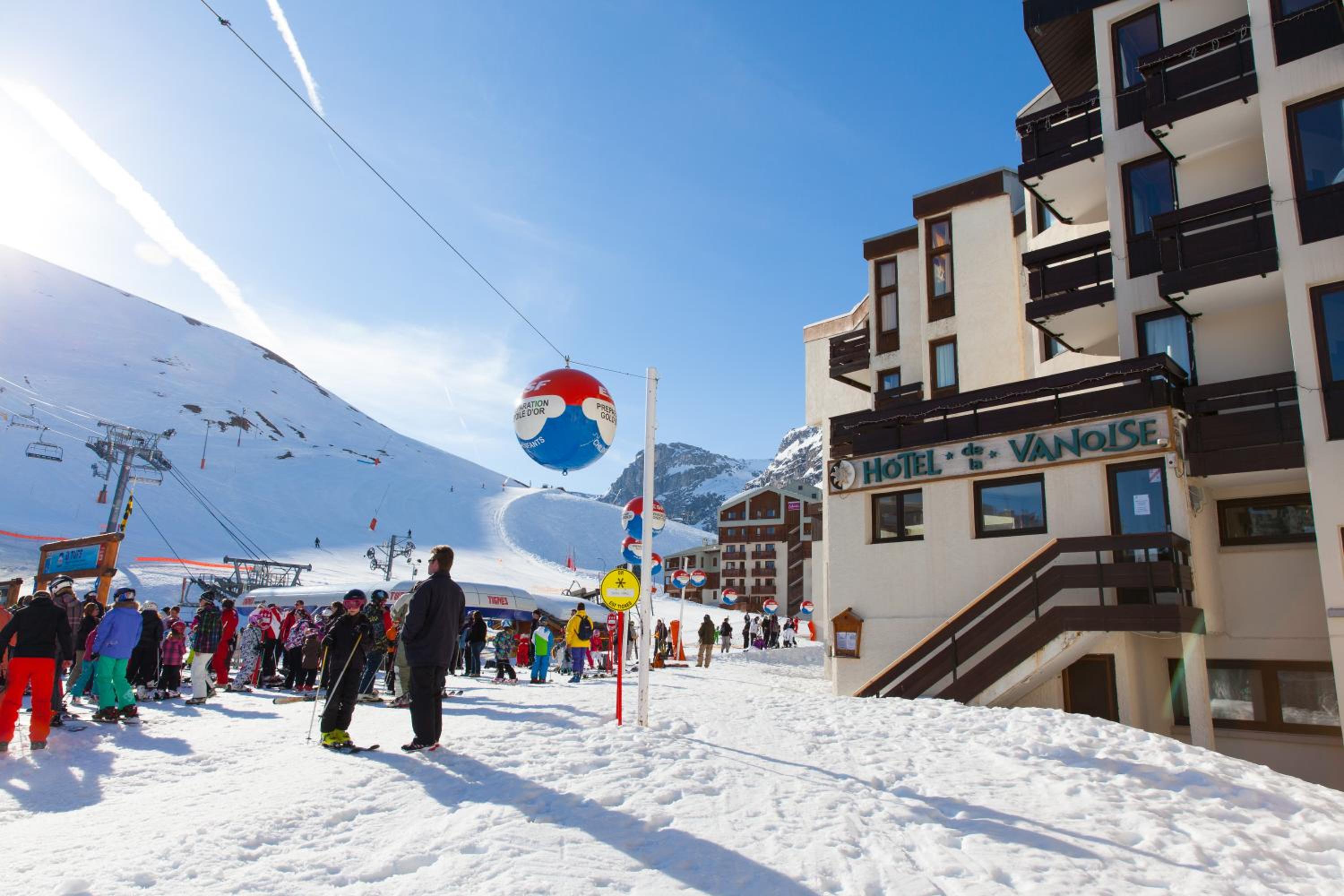
Where to stay
7 curated stays ·
When to visit
Best seasons for ski in Tignes
January suits skiers seeking quieter pistes: after the holiday rush, lift queues ease and snow conditions are often excellent, though temperatures can be very cold. February brings regular snowfall and predictable piste conditions, but French school holidays make the slopes busy. The linked ski area can still offer quieter slopes, and ski lessons should be booked well ahead.
March brings longer sunshine and milder lunch stops, but snow can be hard in the morning and slushy by afternoon. Crowds ease after February, though March remains popular. April often brings fresh snowfall and quieter pistes, with softer snow and spring sunshine. Tignes’ ski area usually runs from November to early May, with gradual openings dependent on snow conditions. December snowfall can be hit or miss, while Christmas and New Year are busy. By May and early June, the resort is quiet and lifts are generally closed. Summer skiing on the Grande Motte Glacier starts in late June.
Frequently asked questions
Practical answers about ski in Tignes: weather, families, highlights and more.
Le Lac and Val Claret have dedicated beginner zones with gentle slopes and magic carpets. Free progress areas are available in each village; carpets serve Claret and Centre, while Lavachet has a teleski. These areas let beginners practise before moving onto the wider Tignes ski area.
The pistes are wide, with long red runs and cruisy blues; Creux gives confident intermediates room to open their turns. Connections into Val d’Isère extend the day's options across the linked ski area. The terrain is open and exposed, so poor weather can make it tricky.
Avalanche risk is present as soon as skiers leave marked runs in Tignes. Conditions depend on weather, snowpack stability and visitor numbers, so every off-piste outing calls for a rigorous assessment and skiers who are equipped, informed and prepared. The Grande Motte is known for off-piste routes, but that does not remove the need to check conditions.
The Tignes beginner checklist includes a helmet, clothing suited to the weather, sun cream, sunglasses and a ski pass. It also says lift instructions should be read before boarding and that tissues and food wrappers should stay in pockets until they can be binned. Named beginner lifts include the Lavachet and Grande Pareï teleskis.
Free shuttle buses connect Tignes villages, including Le Lac, Le Lavachet, Val Claret, Les Boisses and Les Brévières. Lifts also link the villages with the ski area, so movement between bases does not depend on the shuttle alone. Val Claret is the main gateway to the Grande Motte Glacier.