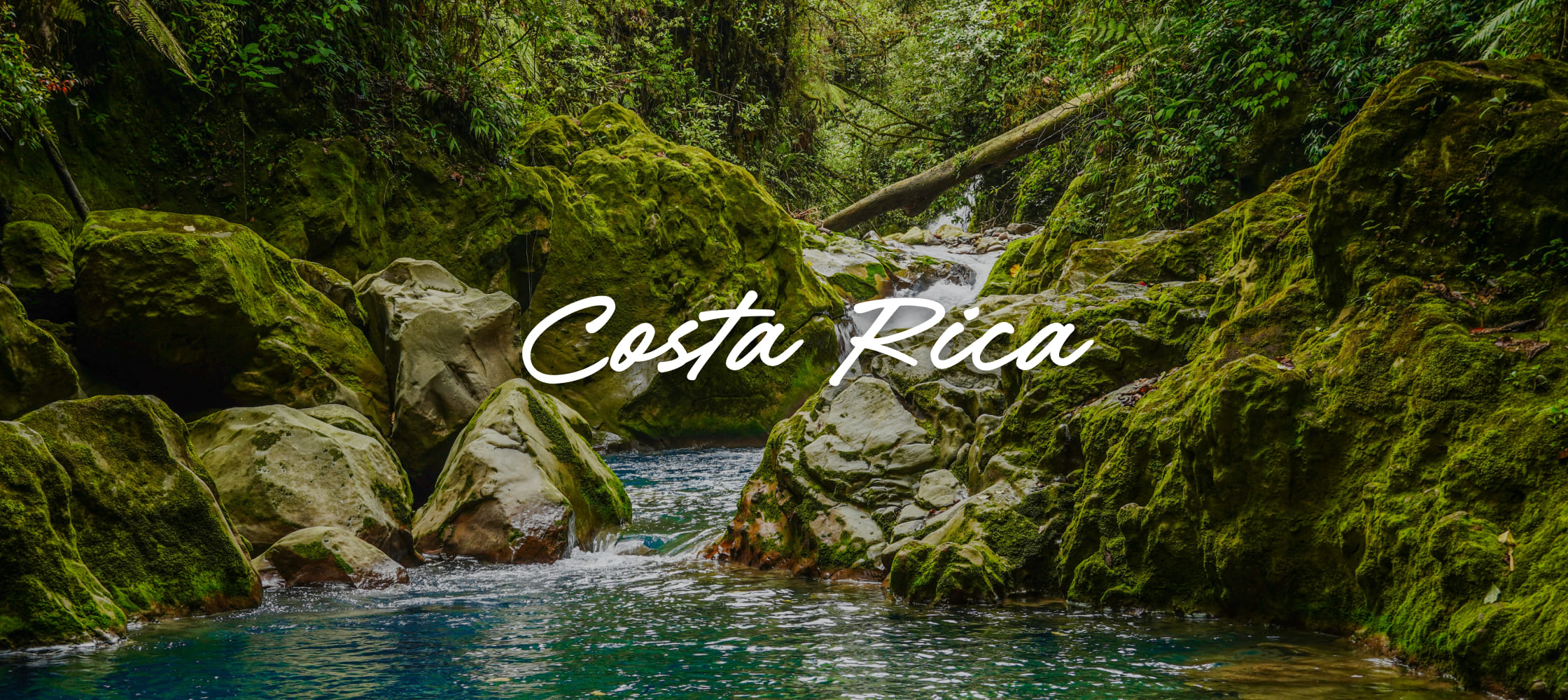
Costa Rica's varied geography makes it a prime location for yoga practitioners. The lush rainforests, quiet beaches, and volcanic landscapes create an environment rich in beautiful vistas and calmness.
Yoga on cliffside terraces
Practitioners enjoy yoga sessions overlooking the lush valleys and Pacific coastline, improving the connection with nature.
Organic meals at retreats
Many retreats serve farm-to-table meals using local ingredients, complementing the wellness focus.
Retreat culture thrives here
Costa Rica hosts numerous multi-day yoga retreats, allowing for deep immersion in practice and wellness.
Hiking trails nearby
The varied terrain features trails that complement yoga practice, suitable for active recovery and exploration.
Watch for wildlife distractions
Practitioners may encounter wildlife during outdoor sessions, which can be both a distraction and an engaging encounter.
Yoga on cliffside terraces
Practitioners enjoy yoga sessions overlooking the lush valleys and Pacific coastline, improving the connection with nature.
Organic meals at retreats
Many retreats serve farm-to-table meals using local ingredients, complementing the wellness focus.
Retreat culture thrives here
Costa Rica hosts numerous multi-day yoga retreats, allowing for deep immersion in practice and wellness.
Hiking trails nearby
The varied terrain features trails that complement yoga practice, suitable for active recovery and exploration.
Watch for wildlife distractions
Practitioners may encounter wildlife during outdoor sessions, which can be both a distraction and an engaging encounter.
The best time to visit Costa Rica for yoga depends on which coast you choose. On the Pacific coast, where most yoga retreats are concentrated around Nosara and Santa Teresa, the dry season from December to April offers reliable sunshine and comfortable conditions for outdoor practice. On the Caribbean coast, around Puerto Viejo and Cahuita, September and October are the driest months, making them the best window for open-air sessions there. The wet season from May to November on the Pacific side has its own advantages: rain typically falls in predictable afternoon bursts between 2 PM and 4 PM, leaving mornings clear for practice. Retreat prices drop by 10-15%, and fewer visitors create a quieter atmosphere suited to meditation. However, October is the wettest month on the Pacific coast, and some retreat centers...
Practical answers about yoga in Costa Rica — weather, families, highlights, and more.
Yoga practitioners should be aware that outdoor sessions can be affected by sudden weather changes, particularly in the rainy season. Additionally, the terrain can be uneven in certain areas, making some locations less suitable for beginners. It is recommended to check local conditions before heading to outdoor practice spots.
Costa Rica offers a range of certified instructors who teach various styles, including Hatha and Vinyasa. Retreat culture is prevalent, with many facilities hosting multi-day retreats that focus on wellness and relaxation. Prices for classes and retreats are generally lower than in northern Europe, presenting an attractive option for travellers.
Beginners can find gentle Hatha classes in coastal areas like Nosara, while intermediate practitioners may enjoy Vinyasa sessions in the lush hills of Arenal. Advanced yogis can participate in intensive Ashtanga retreats in locations such as Santa Teresa, which accommodate more experienced practitioners.
Most established retreats provide mats and basic props, but travellers attending drop-in classes at smaller venues should confirm availability in advance. A lightweight travel mat can be useful for beach sessions.
Booking for popular yoga retreats often fills months in advance, especially during peak season. It is recommended to confirm whether mats and props are provided at the retreat. Some locations may require reservations for specific classes, so checking in advance is crucial.