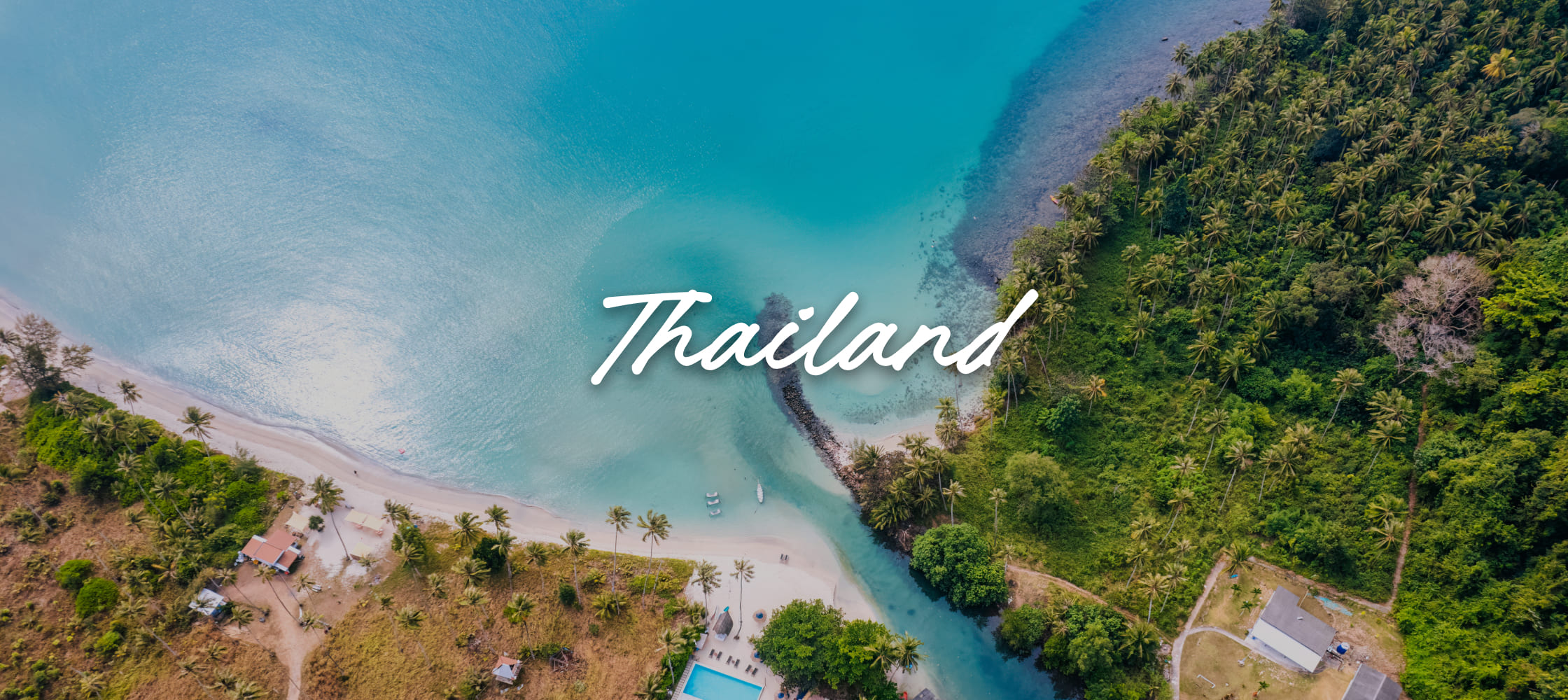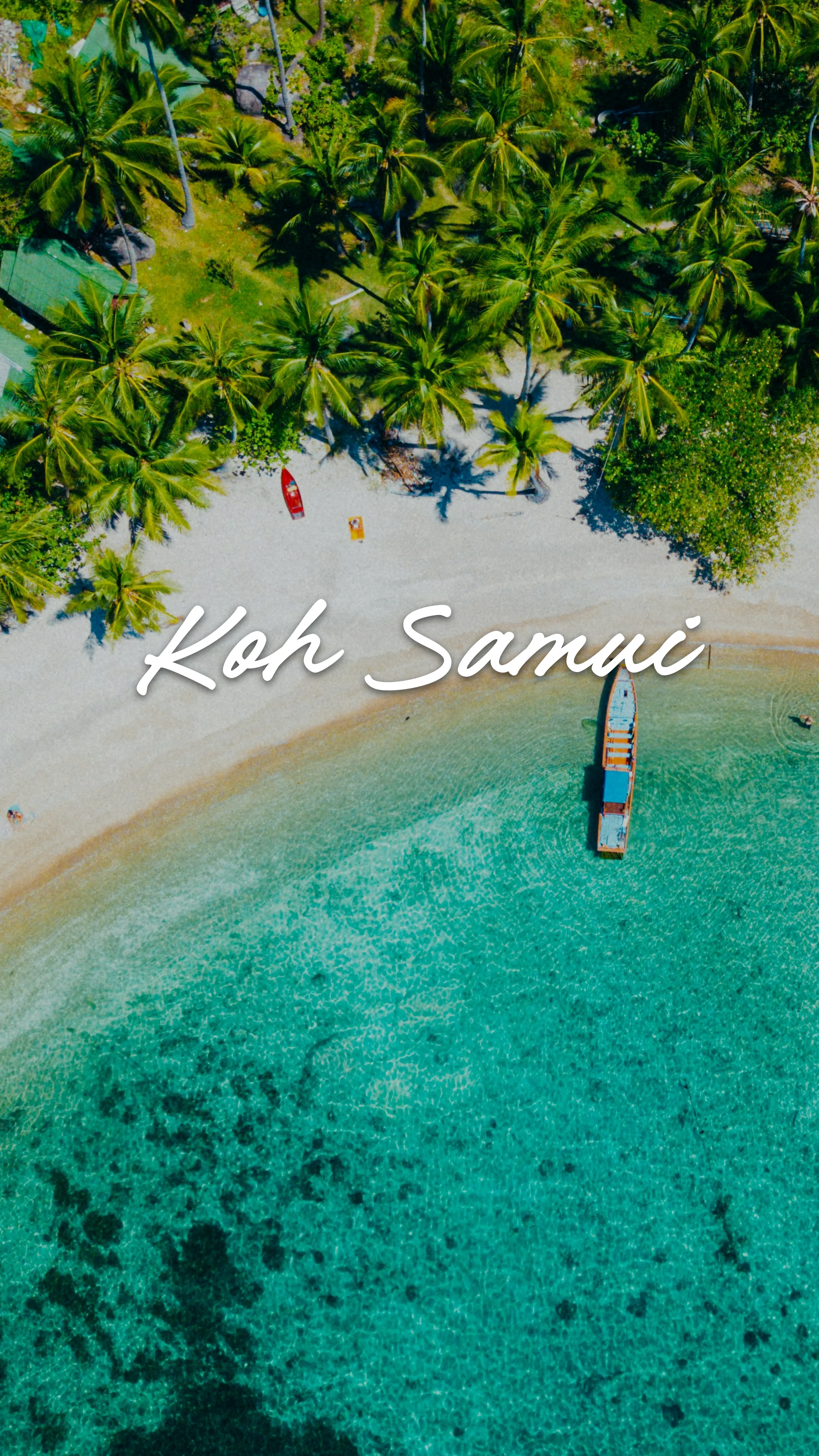
Koh Samui and Phuket offer a notable backdrop for yoga practitioners, thanks to their varied landscapes. The islands feature lush jungles and pristine beaches, creating an environment that encourages mindfulness.
Yoga on cliffside terraces
Practitioners enjoy yoga sessions on elevated terraces overlooking the attractive landscapes and ocean views.
Variety of yoga styles
From Hatha and Vinyasa to Yin and Ashtanga, both islands offer a wide range of styles across numerous studios and shalas.
Multi-day retreat culture
Koh Samui and Phuket host deep yoga retreats, allowing for deep practice and relaxation.
Hiking trails nearby
Explore beautiful hiking trails in the surrounding hills, suitable for active recovery after yoga sessions.
Watch for traffic congestion
Busy roads can create challenges for outdoor yoga, especially during peak tourist seasons.
Yoga on cliffside terraces
Practitioners enjoy yoga sessions on elevated terraces overlooking the attractive landscapes and ocean views.
Variety of yoga styles
From Hatha and Vinyasa to Yin and Ashtanga, both islands offer a wide range of styles across numerous studios and shalas.
Multi-day retreat culture
Koh Samui and Phuket host deep yoga retreats, allowing for deep practice and relaxation.
Hiking trails nearby
Explore beautiful hiking trails in the surrounding hills, suitable for active recovery after yoga sessions.
Watch for traffic congestion
Busy roads can create challenges for outdoor yoga, especially during peak tourist seasons.
The best time to visit Koh Samui and Phuket for yoga is from November to March, when the weather is cooler and more comfortable for outdoor practice. This period typically features lower humidity and gentle breezes, making it easier to focus on yoga without the distractions of extreme heat. During these months, the atmosphere is lively, attracting many practitioners and creating a communal spirit. While the peak season offers an energetic environment, it can also mean larger crowds at popular yoga spots. In contrast, the off-peak months from April to October offer solitude, but may present challenges such as higher humidity and occasional rain, which can affect outdoor sessions. Most yoga retreats tend to operate during the peak season, so visiting during this time allows for a wider variety of classes and experiences....
Practical answers about yoga in Koh Samui and Phuket — weather, families, highlights, and more.
Yoga travellers should recognize that outdoor practice spaces can be affected by weather conditions, particularly during the rainy season. Additionally, the heat and humidity can be intense, making hydration crucial. Practitioners should also check for any local events that might affect class availability, especially during peak tourist seasons.
Koh Samui and Phuket offer a range of certified instructors teaching various styles such as Hatha and Vinyasa. While multi-day retreats are common, some retreats also offer teacher training programs for those seeking deeper study. Prices for classes are generally lower than in northern Europe, making drop-in sessions accessible for travellers.
Beginners can find gentle Hatha classes on the beaches of Koh Samui, while intermediate practitioners may enjoy Vinyasa flow sessions in hillside studios. Advanced yogis might seek out intensive workshops during retreats in Phuket, which often feature challenging Ashtanga sessions.
It is recommended to book yoga retreats well in advance, especially during peak season, as they can fill up quickly. Travellers should also confirm whether mats and props are provided at studios, as this can vary. Checking class schedules ahead of time can help avoid disappointment.
Yoga travellers are encouraged to bring their own mats and props, as not all studios provide them. Additionally, lightweight, breathable clothing is essential due to the warm climate. Having a personal supply of water is also important, as hydration is key during outdoor sessions.