

The Pennine Way crosses England’s northern uplands, passing through the Peak District, Yorkshire Dales and Northumberland. Terrain ranges from the Peak District’s gritstone moors to Upper Teesdale’s waterfalls and upland hay meadows, then to remote moorland stretches. Kinder Scout and Bleaklow Head mark a challenging start from Edale; farther along, the trail follows the River Tees and crosses fields along the Leeds to Liverpool Canal. Underfoot, some sections are smooth and firm, while others are narrow, uneven, wet or boggy.
More about EnglandHiking stays in England
76 stays checked for hiking. Pick a base and we build the whole trip around it.
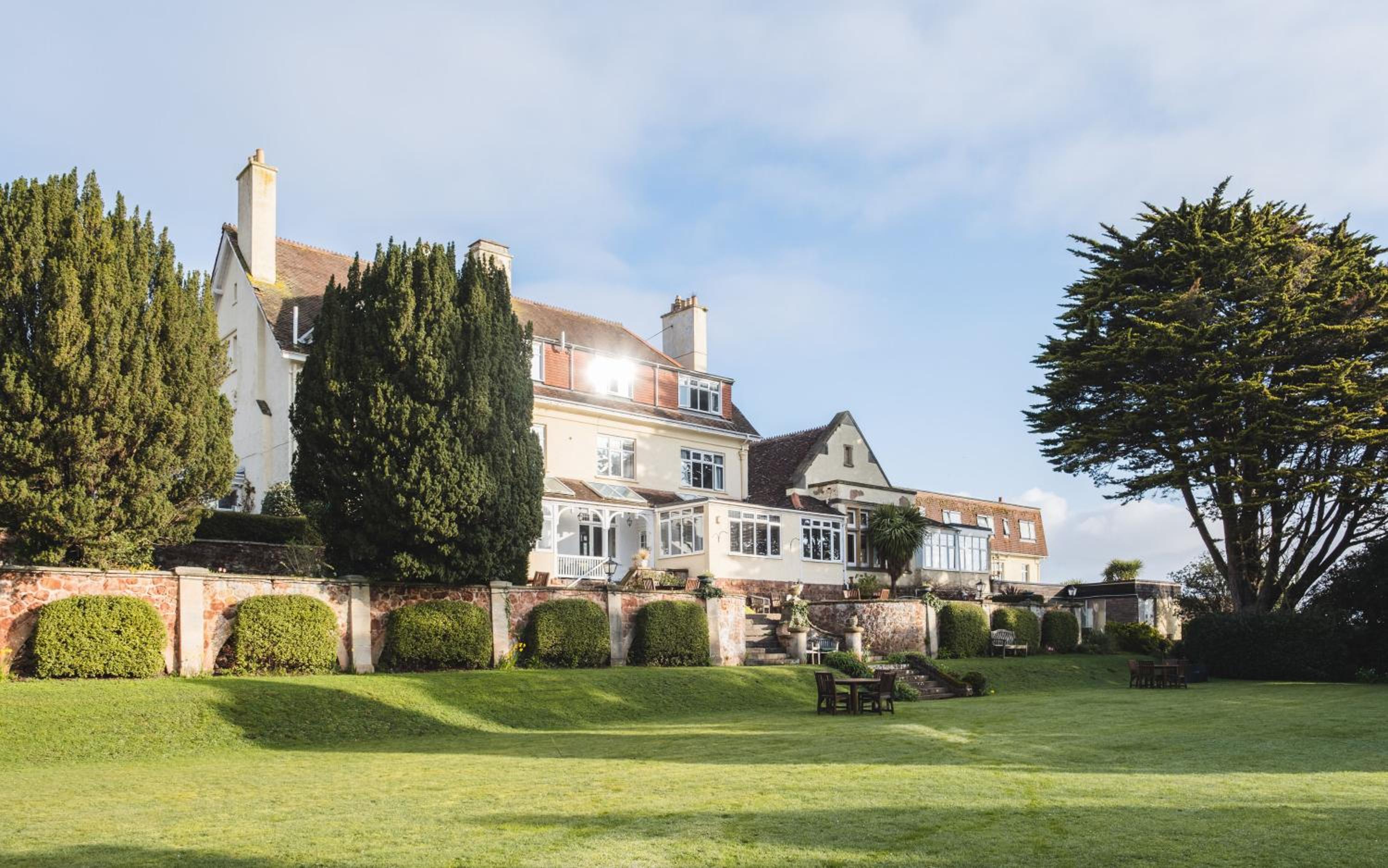
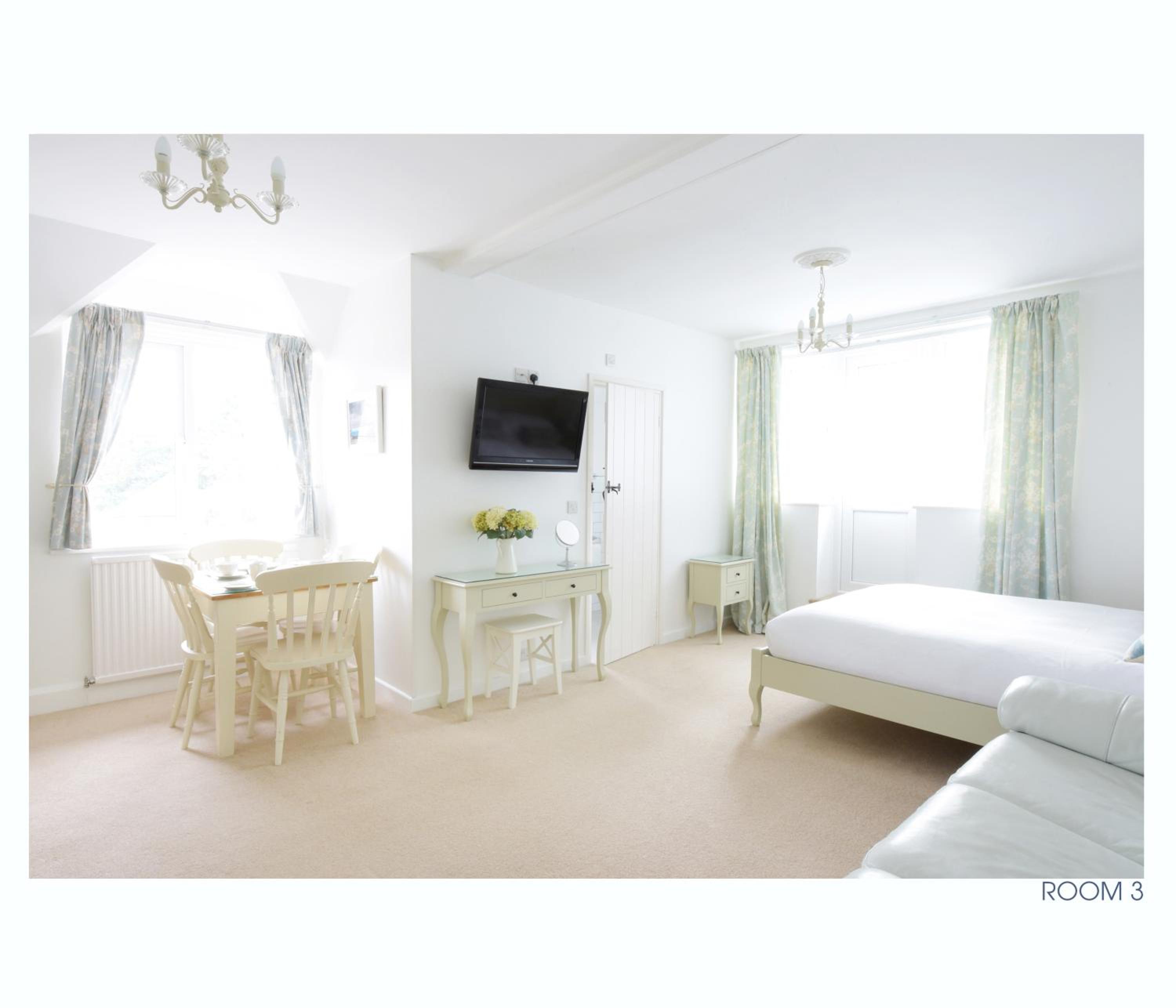
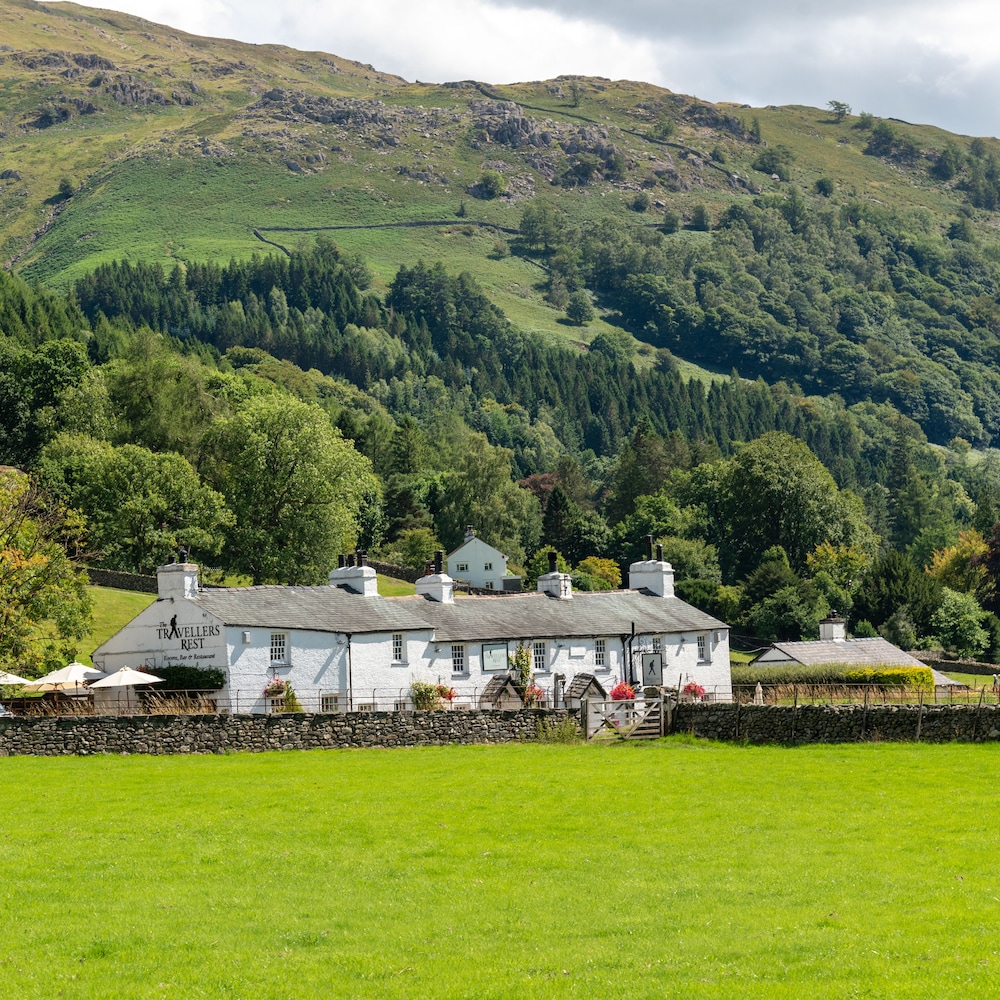
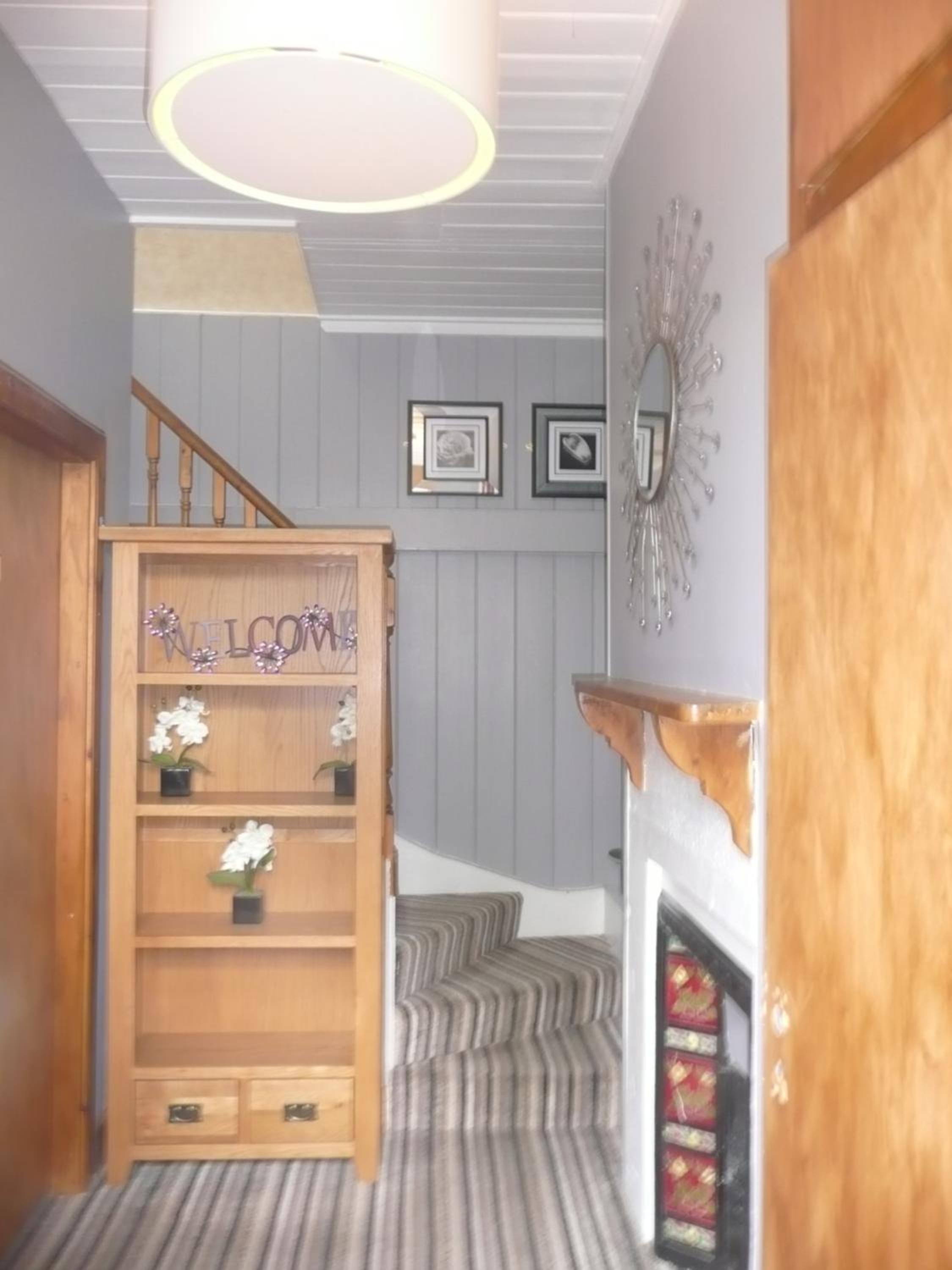
All 76 hotels in England
- 5 MIN TO CASTLE & SHOPS - CHARMING CHARACTER HOME - By Tempstay
- Anglers rest
- Avenue House
- Beach House Hotel
- Beaumont House with FREE off-site Health Club - Adults Only
- Beautiful Bath Apartment in central Milsom Street
- Castle Inn by Greene King Inns
- Central Windsor Apartment Facing the Castle
- Charlcombe Inn
- Chester House Hotel
- Corinium Hotel & Restaurant
- Crow How Country Guest House
- Dunster Castle Hotel
- Eight
- Five Alls
- Francis Hotel Bath
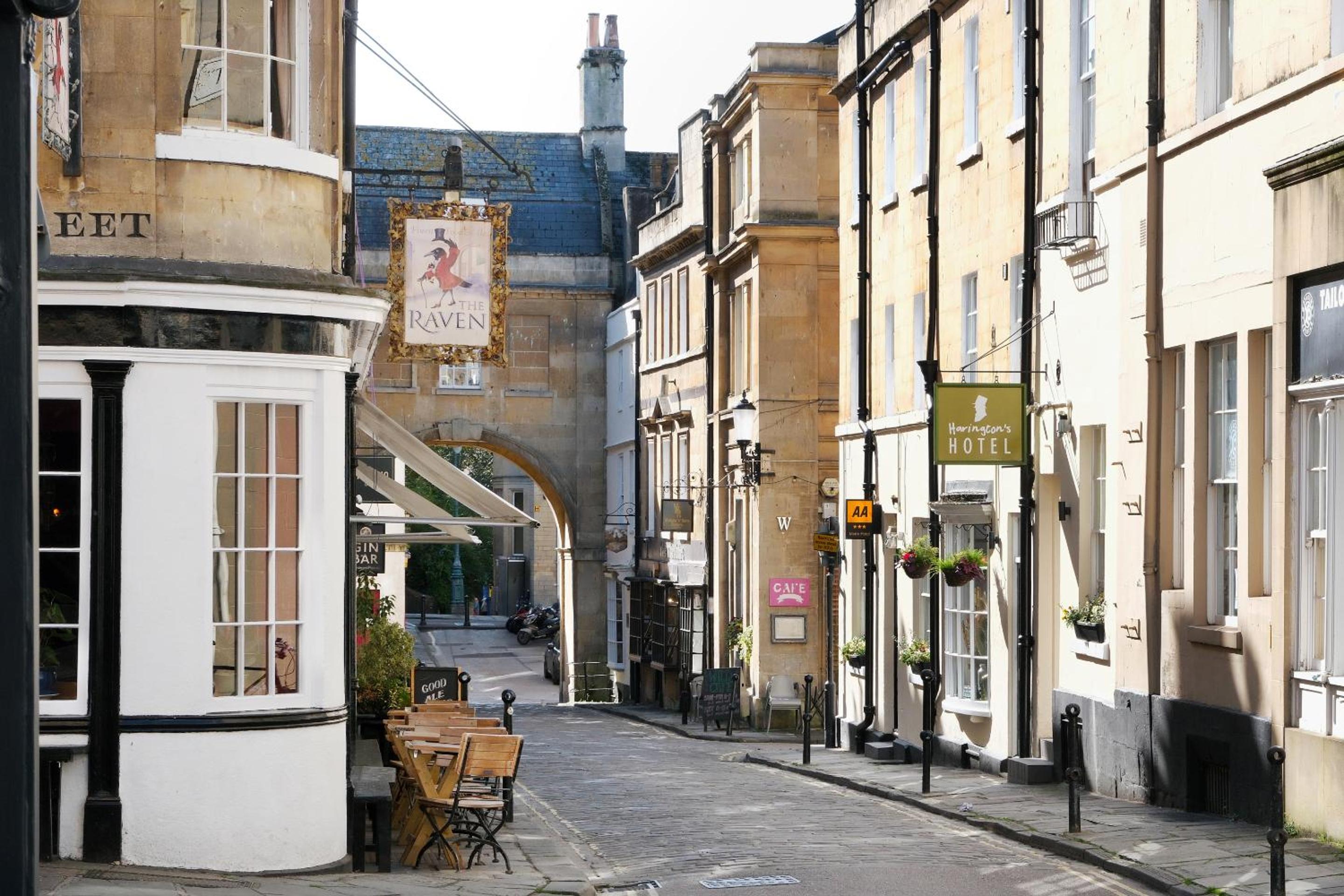
- Harington's Boutique Hotel
- Hassop Station Apartment on the Monsal Trail
- Heather Cottage Bakewell
- Hiding Space - Trim Street Apartments
- Hiding Space Westgate Apartments
- Homewood Hotel & Spa - Small Luxury Hotels of the World
- Jerichos Boutique Accommodation
- Lakes Hotel and Spa
- Langdale Hotel
- Little Elm - luxury home from home, free parking, 30-40 mins walk from Bath city centre
- Losehill House Hotel & Spa
- Luxury apartment in the heart of Bath
- Milliners Cottage
- Millstream Mews
- Monsal Head Hotel
- Noble Lands
- Northfield Hotel
- Old Hall Hotel Hope
- PERFECT SPOT IN CENTRAL WINDSOR & FREE PARKING! - By Tempstay
- Purdy Lodge
- Raleghs Cross Inn
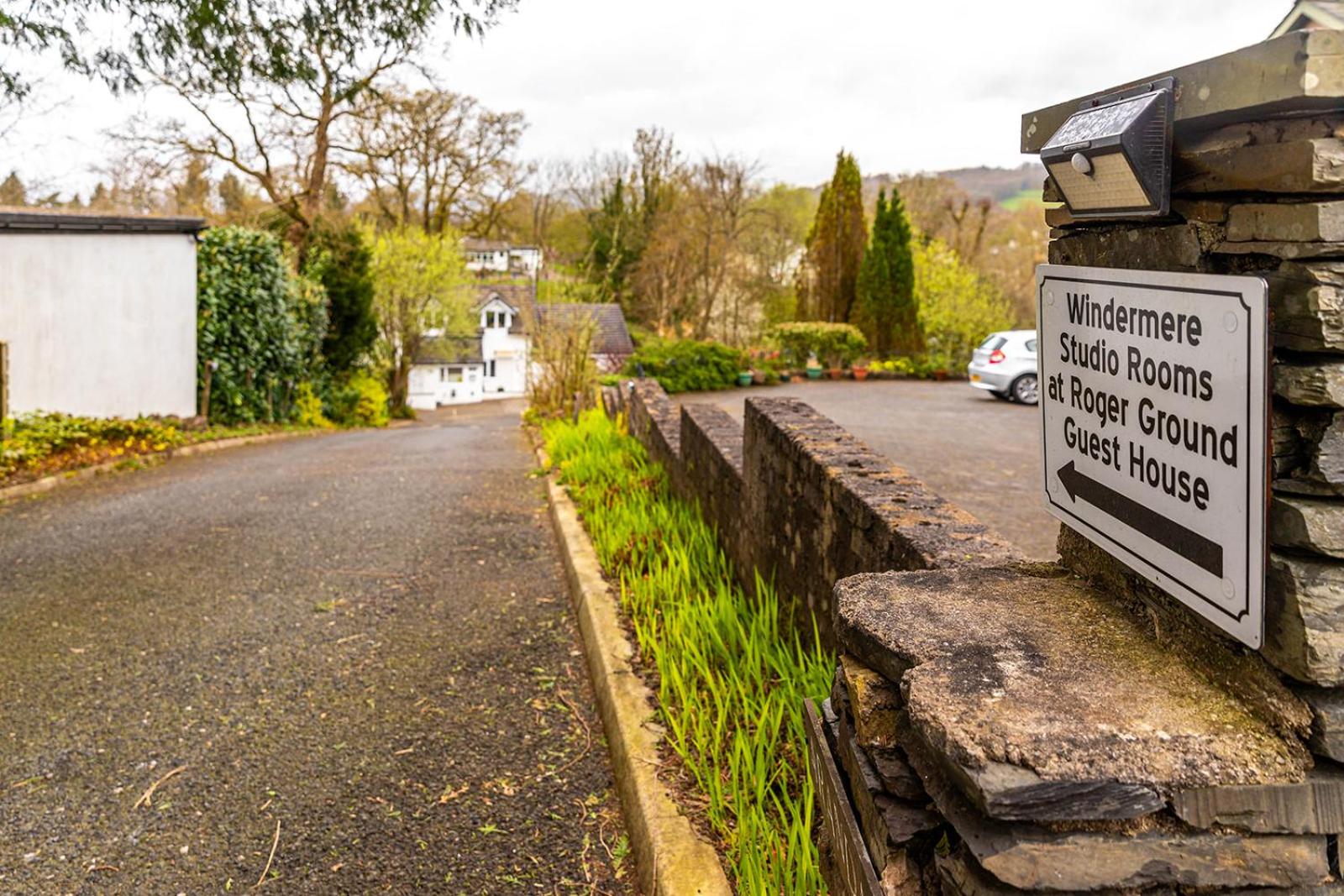
- Roger Ground Guest House - with Onsite Car Parking
- Rothay Garden by Harbour Hotels
- STABLE HOUSE - Eton WINDSOR
- Stow Lodge Hotel
- Stunning Central Windsor Town House With Parking
- STYLISH 3 BED COTTAGE, WALK 2 ALL SIGHTS & HIGH ST - By Tempstay
- Superbly located 2 bedroom luxury apartment
- The Apple Inn
- The Barrel Inn
- The Blind Bull
- The Broadway Hotel
- The Coach House Holiday Home
- The Crown Inn
- The Daffodil Hotel & Spa
- The Fox
- The Hog's Head Inn - The Inn Collection Group
- The Howbeck & The Retreat 5min to Lake, Restaurants & to the free Hydro Wellness Club
- The Little John Hathersage
- The Lodge In The Vale
- The Merchant's Yard
- The Old Stables
- The Olde Ship Inn
- The Peacock
- The Queensberry Hotel
- The Redesdale
- The Rest and Be Thankful Inn
- The Royal Crescent Hotel & Spa
- The Rutland Arms Hotel, Bakewell, Derbyshire - The Coaching Inn Group
- The Slaughters Country Inn
- The Stables
- The Victoria Hotel
- Three Shires Inn
- Traveller's Rest Inn
- Wild Boar Estate
- Wild Thyme & Honey - Cirencester-Cotswolds
- Windsor Mews by Stay Focused SA
- Windsorian Experience
- Yarn Market Hotel
- Yorkshire Bridge Inn
Want the whole trip, not just a hotel?
Tell us your sport, dates and level. An expert builds the trip around you and replies on WhatsApp or by email.
Where to go in England
Lake District
Best May - September · 13 hiking hotels
Peak District
Best May - September · 18 hiking hotels
Cotswolds
Best April - October · 10 hiking hotels
Northumberland
Best May - September · 7 hiking hotels



Hosted trips in other sports
No hosted hiking trips yet. These are our hosts' trips in the United Kingdom, and every one is built around its sport.






Hiking trips before anyone else, and off your first booking.
Early access to new hiking trips and limited-spot offers. No fees. Sign up in under a minute.
About England
Why hiking in England
The Pennine Way crosses England’s northern uplands, passing through the Peak District, Yorkshire Dales and Northumberland. Terrain ranges from the Peak District’s gritstone moors to Upper Teesdale’s waterfalls and upland hay meadows, then to remote moorland stretches. Kinder Scout and Bleaklow Head mark a challenging start from Edale; farther along, the trail follows the River Tees and crosses fields along the Leeds to Liverpool Canal. Underfoot, some sections are smooth and firm, while others are narrow, uneven, wet or boggy.
Long ascents and remote stretches shape days on the Pennine Way. Bad weather can make navigation difficult at Blackstone Edge, conditions can change quickly, and winter brings possible snow. Some sections have few places for food and drink, while Hebden Bridge has places to eat and stay. The trail is open all year and marked with acorn symbols or its name. Diversions can change the way ahead, so local signs matter.
Haworth, just off the trail, has places for food and drink and accommodation. Hebden Bridge, Thwaite and Keld also have places for food and drink. Many villages along the section beside the Leeds to Liverpool Canal have places to eat.
Highlights
Follow England's acorn waymarks
National Trails use acorn symbols and welcome short walks, day trips and long-distance walking challenges.
Pick a Coast to Coast section
Walk the full Coast to Coast Path, choose a section or follow local circular walks linked to the trail.
Check high routes in winter
The Coast to Coast Path stays open all year, but high-level sections may be difficult in winter or bad weather.
Cycle between Orton and Richmond
Cyclists and horse riders can follow a trial riders route of the Coast to Coast Path between Orton and Richmond.
Climb the Cleveland Hills
The Coast to Coast Path climbs onto the Cleveland Hills, then follows a ridge across the North York Moors.
Best seasons for hiking in England
June to August suits hikers seeking the best chance of sunny days, with summer the warmest season and June typically the sunniest month. Late July and August bring school holidays, heavier travel and tricky parking in national parks. March to May and September to October often have milder weather and fewer crowds, making them strong choices for hikes in national parks. Spring can bring sudden rain showers, and England’s weather can change from hour to hour.
Autumn brings cooler temperatures and shorter days, with unsettled, stormy weather and strong gales more likely later in the season. Winter is often wet and cold, with snow possible, especially in the north, where transport schedules can be affected. Opening hours are often reduced from October to Easter, and some places shut for the entire winter.
Hiking in England: questions
Practical answers about hiking in England.
England’s public rights of way include footpaths, marked by yellow arrows, and bridleways, marked by blue arrows. Walkers can use both. Open Access land also allows walking away from paths across mountains, moors, heaths, downs and common land. National Trails are marked with an acorn symbol or the trail name, but check local signs where routes change or access is restricted.
Coastal walks can bring storms, cliff edges, slippery or unstable rocks, mud, quicksand and rising tides. Check the forecast and tide times before setting out, including near tidal rivers. Turn back if conditions change. Trail signs may also warn about tides, rock falls or cliff edges.
Carry a map, guidebook or directions rather than relying on online resources alone. Phone signal can be patchy along National Trails, and some areas have none. Routes can change because of erosion, repair work, land management or local events. Follow signs for diversions.
Changeable weather makes walking boots, waterproofs and warm layers useful on English trails. Spare clothing, a hat and gloves are also advised for hill walks, even in summer. Carry plenty of water for each day, as remote trail sections may have limited water access. Water taken from streams needs purification equipment.
In rural areas, hikers may go hours without seeing anyone, and phone signals can be unreliable. Before setting out, leave the route and expected return time with someone, then let them know if plans change. For longer walks or remote areas, carry an emergency pack with a whistle, torch, first aid kit and survival bag.
Not your thing?
Every hosted trip we run, in every sport, not only hiking.
Want it built around you?
Sport, place, rough dates. We read every brief and come back with trips, stays or a plan.