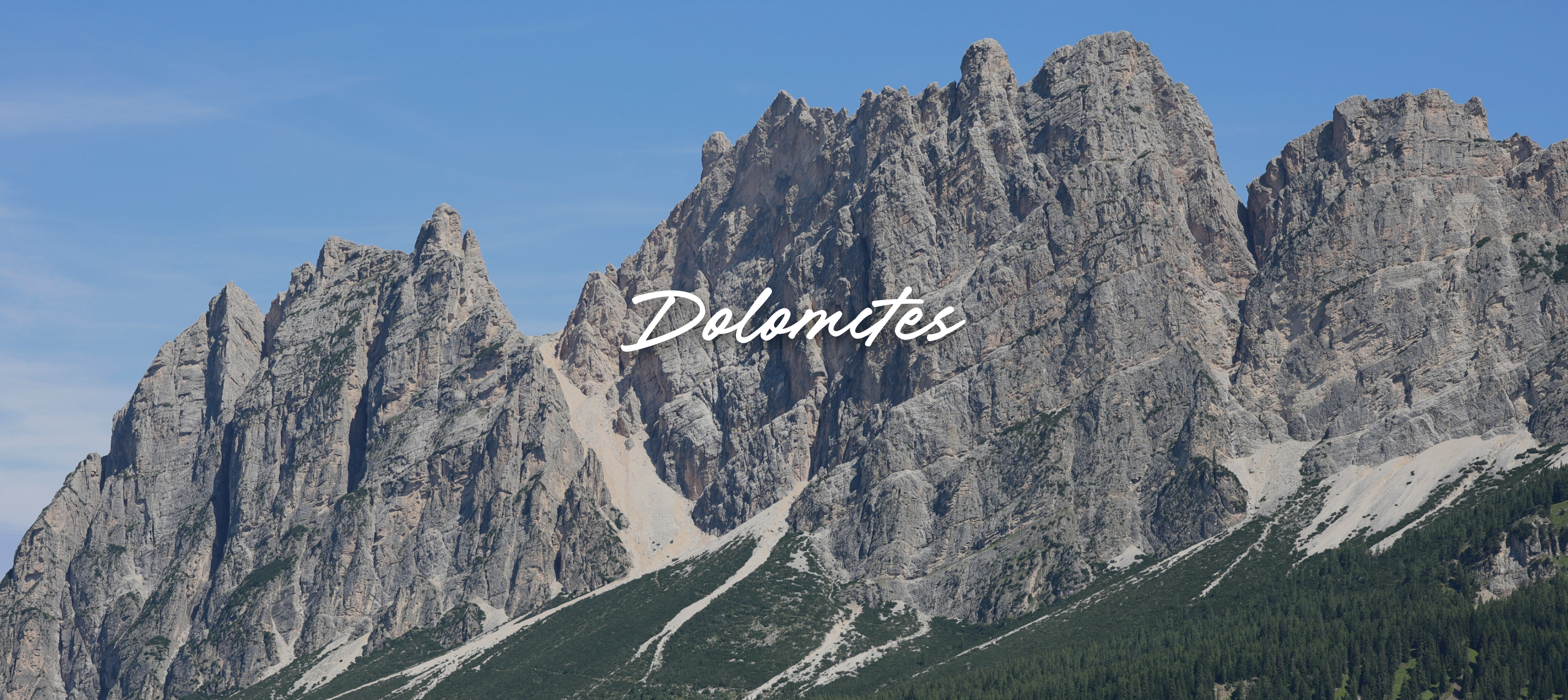
The Dolomites, a UNESCO World Heritage site in northeastern Italy, present cyclists with a distinct landscape featuring towering limestone peaks and high-altitude passes. The region is famous for its challenging climbs, such as Passo Sella (2,244 m) and Passo Pordoi, which have been featured in the Giro d'Italia multiple times.
Cycling events in the Dolomites
Experience the Sellaronda Bike Day, where major passes close to traffic, giving exclusive access to cyclists.
Accessible alpine adventure
The Dolomites are easily reachable by car or a combination of train and shuttle services, with well-connected routes leading directly to the region's premier cycling hotspots.
Well-maintained mountain roads
Cyclists benefit from roads kept in top condition, thanks to their use in the Giro d'Italia.
Challenging high-altitude passes
Tackle the famous Sella Ronda loop, featuring multiple high-altitude passes good for endurance training.
Cycling events in the Dolomites
Experience the Sellaronda Bike Day, where major passes close to traffic, giving exclusive access to cyclists.
Accessible alpine adventure
The Dolomites are easily reachable by car or a combination of train and shuttle services, with well-connected routes leading directly to the region's premier cycling hotspots.
Well-maintained mountain roads
Cyclists benefit from roads kept in top condition, thanks to their use in the Giro d'Italia.
Challenging high-altitude passes
Tackle the famous Sella Ronda loop, featuring multiple high-altitude passes good for endurance training.
The best time to visit the Dolomites for cycling is from June to October, when the mountain passes are free of snow and open to cyclists. During this period, several cycling events take place, creating an appealing time for avid cyclists. In June, the Sellaronda Bike Day and Dolomites Bike Day present distinct opportunities to ride on car-free roads, allowing cyclists to fully enjoy the striking mountain scenery without traffic concerns. These events are non-competitive and free, fostering a relaxed atmosphere for cyclists of all levels. July is particularly attractive for those seeking a more challenging experience, as it hosts the Maratona dles Dolomites. This gran fondo attracts cyclists from various countries, presenting a demanding route with significant elevation gain over multiple passes. However, this is also peak season, so expect larger crowds...
Practical answers about cycling in Dolomites — weather, families, highlights, and more.
Cyclists must carry front and rear lights for tunnels and be prepared for rapid weather changes. Even in July, descents can be freezing; a high-quality gilet or rain jacket is non-negotiable. Road surfaces are generally excellent, as many are repaved for the Giro d'Italia.
If bringing your own bike, ensure you have mountain-specific gearing (e.g., 34x32 or 34x34). Local rental shops in Corvara or Selva are world-class and offer the latest carbon models, which saves the hassle and cost of flying with a bike box.
Water is abundant; most villages have public fountains (fontane) with fresh, drinkable alpine water. However, prioritize electrolytes and high-carb snacks, as the high altitude and 10%+ gradients burn energy much faster than riding on flat terrain.
Clockwise (orange signs) is the iconic choice and the official direction for the Sellaronda Bike Day. It features more demanding climbing. Counter-clockwise (green signs) is slightly more gradual but equally scenic. Always check the official Dolomites Bike Day schedule for specific road closures.