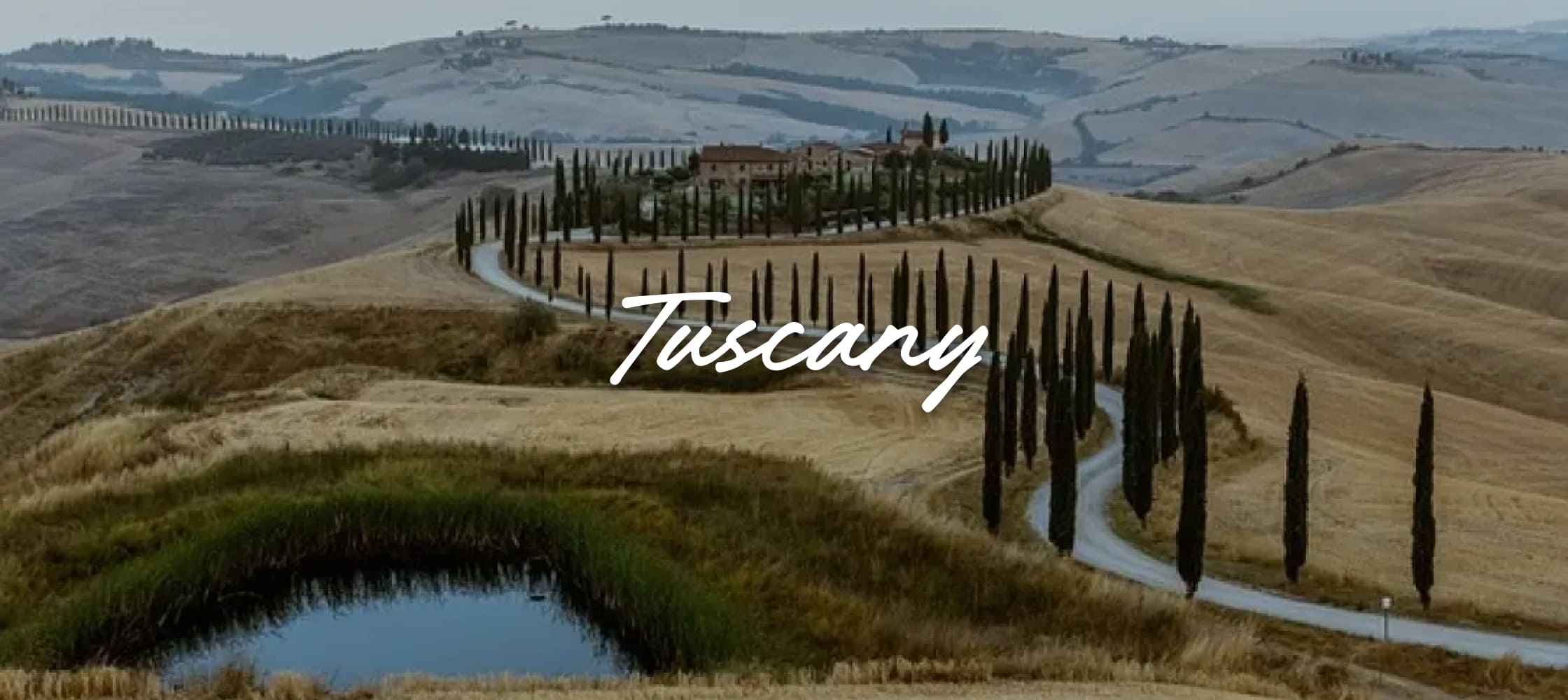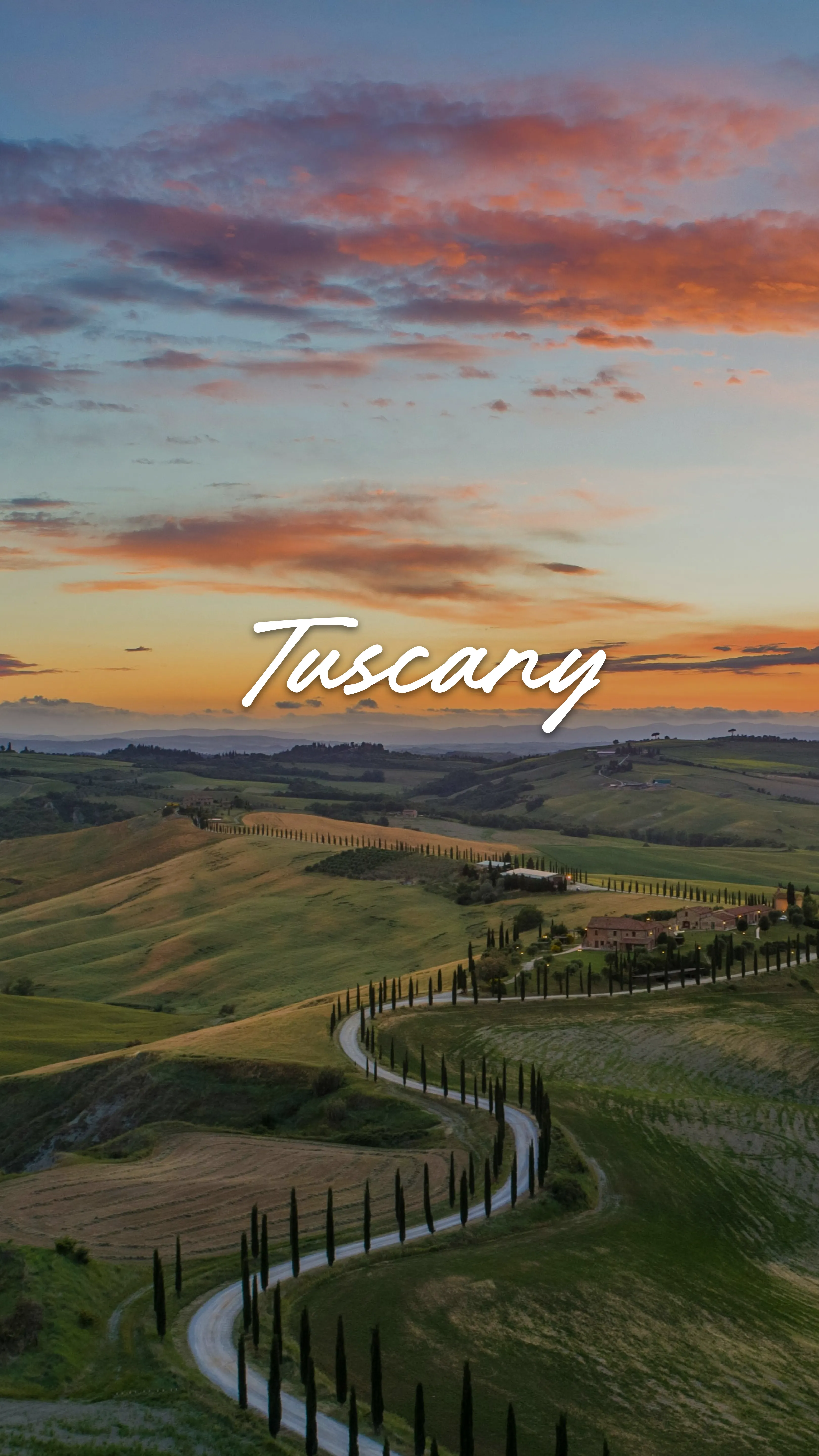
Tuscany features rolling hills and a network of strong paved roads, making it as a prime location for cycling. The terrain varies from gentle slopes in the Chianti region to challenging climbs like Monte Amiata, Tuscany's highest mountain.
Easy access from major cities
Direct flights available to Tuscany from various European capitals, making travel hassle-free for cyclists.
Challenging climbs in Monte Amiata
Tuscany's highest mountain features steep ascents and rewarding views, good for ambitious cyclists seeking a challenge.
Well-maintained cycling paths
Enjoy smooth, dedicated cycling paths that improve training efficiency and safety.
Easy access from major cities
Direct flights available to Tuscany from various European capitals, making travel hassle-free for cyclists.
Challenging climbs in Monte Amiata
Tuscany's highest mountain features steep ascents and rewarding views, good for ambitious cyclists seeking a challenge.
Well-maintained cycling paths
Enjoy smooth, dedicated cycling paths that improve training efficiency and safety.
The best months for cycling in Tuscany are from April to May and September to October. During these periods, the weather is generally mild, allowing for comfortable rides through the region's attractive terrain. Spring brings blooming wildflowers and lush greenery, while autumn showcases striking colors, improving the cycling experience.
Peak months can attract larger crowds, particularly during popular events like L'Eroica in October, which celebrates vintage cycling culture. This can create a lively atmosphere but may also lead to busier routes. Off-peak months provide quieter rides, though some services may be limited. Notable events such as the Tuscany Trail in May present distinct opportunities for cyclists to explore the area on a non-competitive basis, creating an excellent time for both experienced riders and newcomers.
Practical answers about cycling in Tuscany — weather, families, highlights, and more.
Tuscany features a mix of rolling hills and challenging climbs. The famous Strade Bianche gives gravel roads that can be unpredictable, especially after rain. Riders should be prepared for steep gradients, particularly on routes like Monte Sante Marie, where ramps can be quite demanding. Familiarity with local traffic patterns is essential, as drivers are accustomed to sharing the road with cyclists.
Renting a bike is often more convenient, especially for those unfamiliar with local conditions. It is important to check the rental bike's frame size and components to ensure compatibility with personal gear. Riders should consider bringing their pedals and saddle for comfort. Additionally, having the bike serviced before arrival can help avoid mechanical issues during the trip.
Beginners can enjoy routes like the Sentiero della Bonifica, a traffic-free cycleway that gives a more relaxed experience. The Val d'Orcia region features rolling terrain that is manageable for novice cyclists. However, those seeking more challenging climbs, such as Monte Amiata, should have prior experience and fitness to tackle steeper gradients.
Cyclists should plan for limited water refill points on longer routes, especially in mountainous areas. It is wise to carry personal supplies of energy bars and gels, as local options may not be familiar. Eating before climbs can help maintain energy levels, particularly on challenging ascents like Via Santa Caterina into Siena, which features steep gradients.