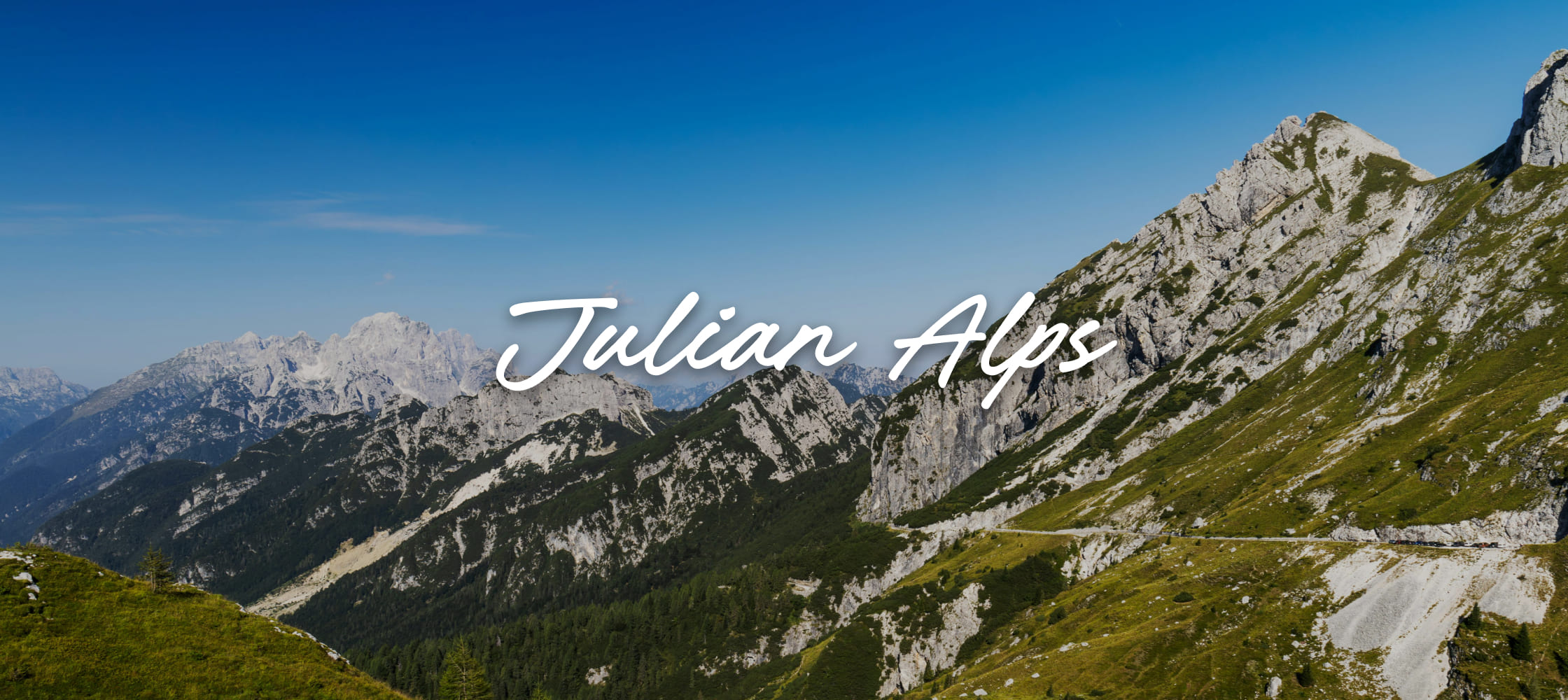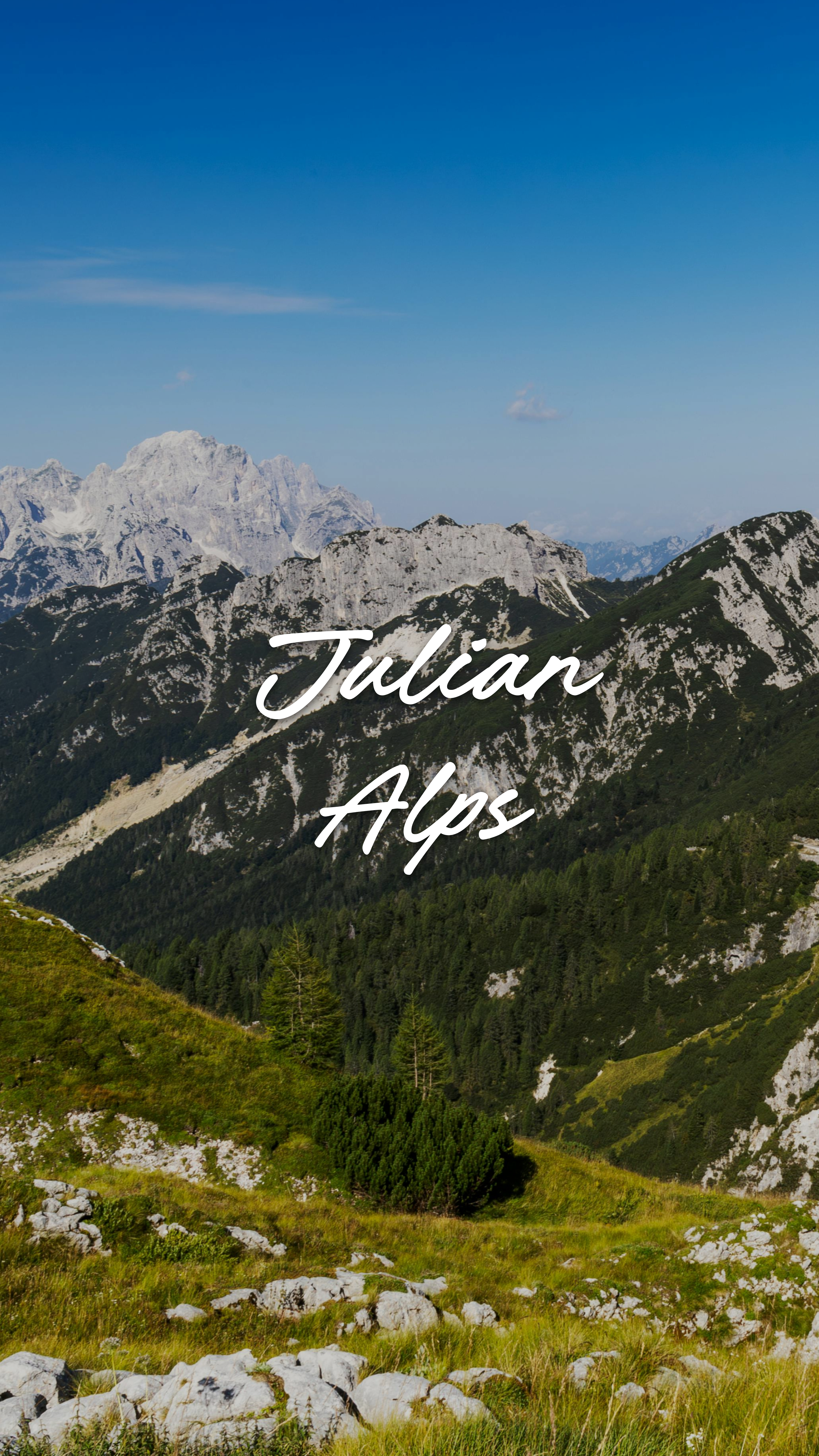
The Julian Alps in Slovenia present a distinctive landscape for hiking, characterized by dramatic peaks, lush valleys, and pristine lakes. The area features varied terrain, including rocky paths and gentle slopes, making it accessible for multiple skill levels.
Triglav National Park trails
Slovenia's only national park offers over 7,000 km of marked trails across alpine and valley terrain.
Swim in glacial lakes
Lake Bohinj and Lake Bled offer refreshing post-hike swimming in clean glacial waters.
Vintgar Gorge boardwalk
A 1.6 km wooden walkway through a river gorge ending at the 13-metre Šum waterfall.
Varied trail difficulty levels
Hikers can choose from easy to challenging trails, suitable for all skill levels.
Triglav National Park trails
Slovenia's only national park offers over 7,000 km of marked trails across alpine and valley terrain.
Swim in glacial lakes
Lake Bohinj and Lake Bled offer refreshing post-hike swimming in clean glacial waters.
Vintgar Gorge boardwalk
A 1.6 km wooden walkway through a river gorge ending at the 13-metre Šum waterfall.
Varied trail difficulty levels
Hikers can choose from easy to challenging trails, suitable for all skill levels.
The best time for hiking in the Julian Alps is from June to September, when trails are generally accessible and conditions are suitable for outdoor activities. During these months, temperatures are milder, and the likelihood of encountering snow on higher trails is significantly reduced, allowing for a more enjoyable hiking experience.
While summer attracts many hikers, leading to busier trails and a lively atmosphere, those seeking solitude might prefer the shoulder months of late spring and early autumn. However, late autumn can bring unpredictable weather, including rain and colder temperatures, which may affect trail accessibility. Winter conditions can make hiking challenging, as many trails may be closed or require specialized gear. Therefore, planning a visit during the warmer months is recommended for good hiking conditions.
Practical answers about hiking in Julian Alps — weather, families, highlights, and more.
Hikers should be mindful of rapidly changing weather conditions, as rain can occur unexpectedly, even in summer. Some trails, like those around Lake Bohinj, may become slippery and muddy. Additionally, certain paths can be narrow and exposed, requiring careful navigation, especially in foggy conditions.
Waterproof layers are essential due to the unpredictable weather. Hiking poles can be beneficial for navigating the steep and uneven terrain, particularly on routes like the ascent to Mount Triglav. Carrying a first-aid kit is also recommended, as some trails are remote.
Beginners can explore the trails around Lake Bled, which offer flatter terrain and easier access. The walk to Vintgar Gorge is another beginner-friendly option, featuring well-marked paths. However, some trails in the area can be steep and challenging, so caution is recommended.
Hikers should carry sufficient snacks, as options for refueling are limited on remote trails. High-energy foods like nuts and energy bars are recommended. It's also important to bring enough water, as refill points are scarce, particularly on longer hikes.
Solo hikers can find community through local hiking groups that often organize outings, especially in the summer months. However, some trails may be less trafficked, so it's crucial to inform someone about the planned route. The paths around popular sites like Lake Bled generally have more foot traffic.