
In short
The cycling routes in Mallorca that riders build a week around are the Sa Calobra loop, whose climb out of the cove runs 10 km at 7%, the Cap de Formentor road, the 14.3 km climb of Puig Major, the Ma-10 coast road from Andratx and the flat paths from Palma and Manacor. Ride the mountain days early.
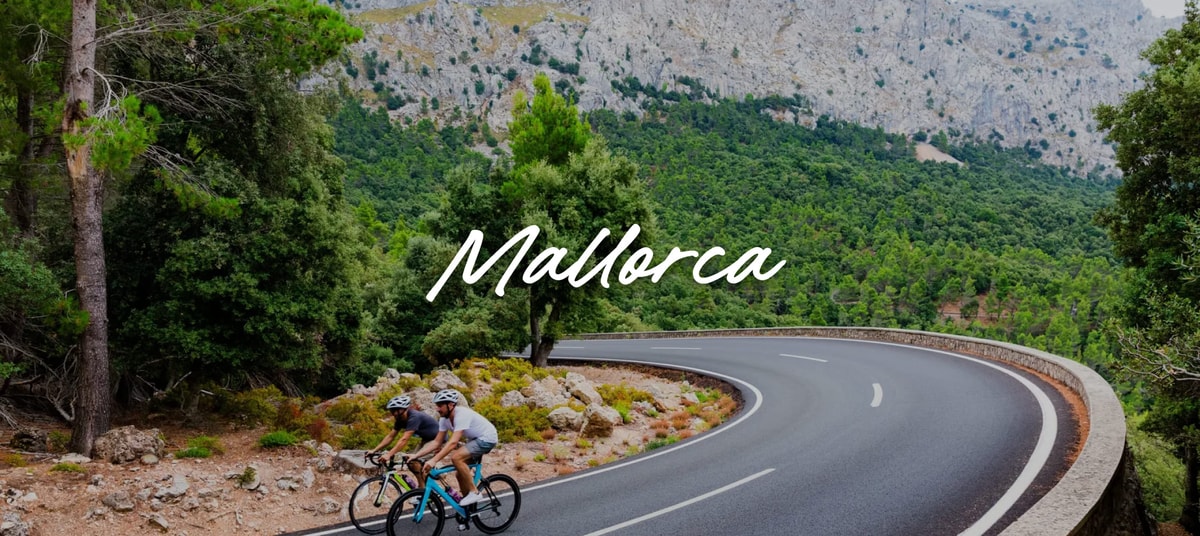
Every winter the WorldTour teams come to Mallorca for their pre-season training. In January and February they race the Challenge Ciclista Mallorca on roads you can ride a few weeks later. The pull is the Serra de Tramuntana, a UNESCO-listed mountain range where narrow, well-surfaced roads climb in hairpins above the sea. Across the middle of the island the lanes flatten out between old villages, for the day your legs ask for a coffee instead of a col. Cycling in Mallorca comes down to the right climb on the right morning, because the famous roads are narrow and shared with tour buses.
How hard is the Sa Calobra loop, and how do you ride it?
Sa Calobra is a long, steady climb at 7%, and the loop around it fills a whole day. The road is a dead end: you descend into the cove first, then climb back out the way you came.
The Sa Calobra climb, called the Coll dels Reis on the map, rises 10 km from the port on the Ma-2141. It gains 701 m at an average of 7%, with a steepest 100 m of 11.1%. One rider calls the descent quite technical and likes the company of the many other riders on the road. From the north coast you reach the top over the Coll de sa Batalla, 9.2 km at 4.7% from Caimari, or the Coll de Femenia, 9 km at 5% from Pollença. Back at the aqueduct above the Coll dels Reis, the ride home to Port de Pollença is close to a 34 km descent. You lose 850 m of height and gain only 260 m on the way. Sa Calobra suits strong riders with a whole day to give it. For a first mountain day, ride Sa Batalla on its own.
You can also come at it from the west. One Climbfinder reviewer rode from Port de Sóller over Puig Major to Sa Calobra and back on the same roads: 80 km with 2,000 m of climbing. Roll out early to beat the tour buses down to the cove.

Can you still ride Cap de Formentor when it is closed to cars?
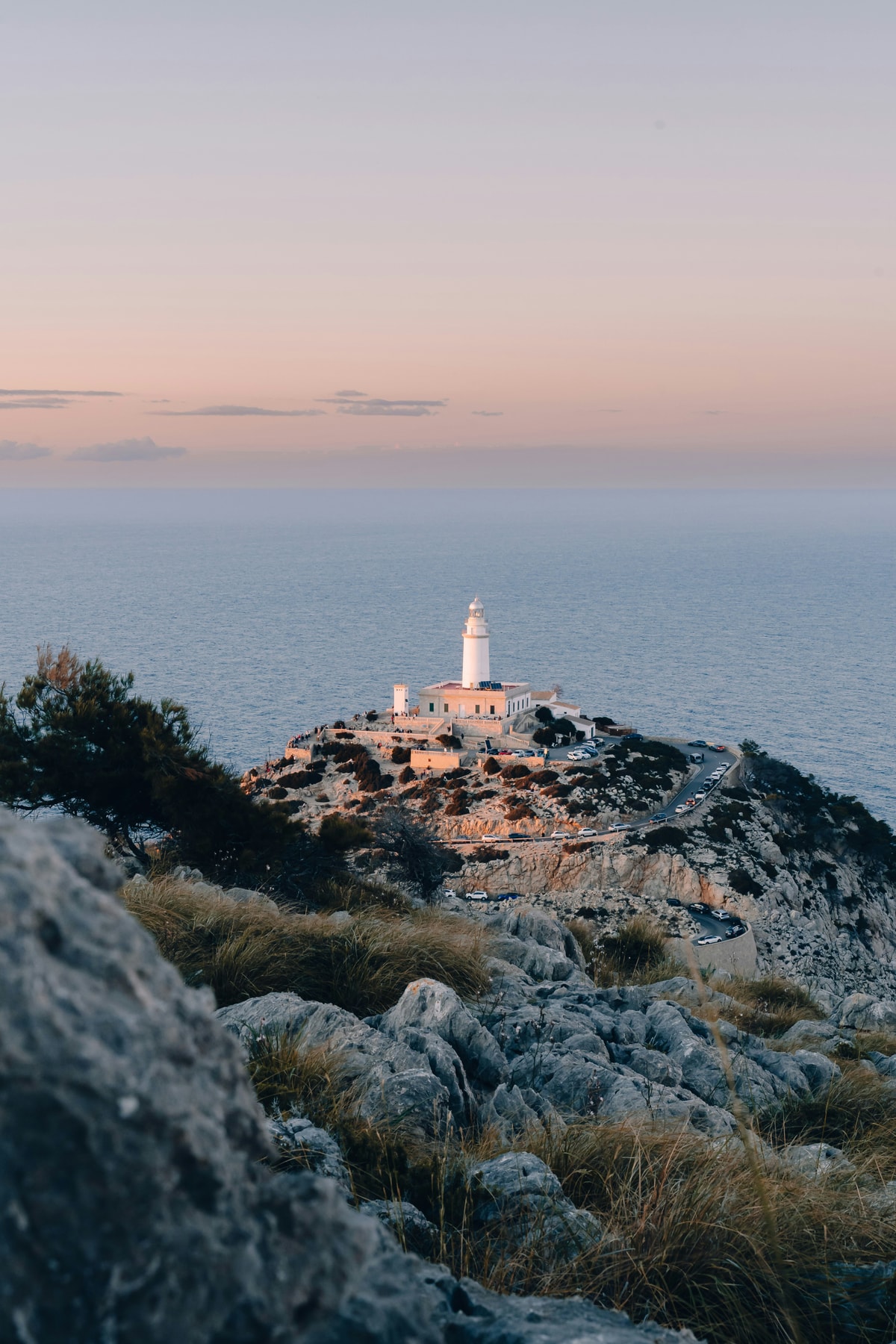
Yes, and the closure works in your favour. The Consell de Mallorca, the island's government, shuts the Formentor road to private cars in the busy months, and bicycles are still allowed through. In 2026 the restriction ran from 15 May to 15 October, between 10:00 and 22:00. It covers two stages: Port de Pollença to Formentor beach, then the beach to the lighthouse. Only authorised vehicles, public transport, emergency services and bikes may pass. The dates are agreed again each year.
The classic way in is the Bay of Pollença loop from Port de Pollença, which Epic Road Rides puts at 77 km with 1,480 m of climbing. It rides the Formentor road and adds the out and back up to the Pepperpot. Then it swings round the far side of the bay, with views back across the water to the peninsula. Ride it first thing, before the day's visitors arrive. It suits a rest day between the big climbs, a couple who want the views without the long gradients, or a group with mixed legs.

Ride Puig Major, the island's longest climb
Puig Major is the longest and highest climb on Mallorca: 14.3 km at 5.9% from Sóller in Climbfinder's data, and the highest point you can ride to on the island. Riders call it the Pig. It starts at the roundabout where the Ma-10 meets the Ma-11, between Sóller and Port de Sóller. From there it gains about 830 m on wide, gentle corners through light pine forest, with views back over Sóller. Epic Road Rides' notes on the Ma-10 put the top at the tunnel of Monnaber. After it the road opens out and drops 5 km past the Gorg Blau and Cúber reservoirs towards the Sa Calobra turn.
From the north coast, the Puig Major loop out of Port de Pollença runs 138 km with 2,640 m of climbing. It crosses the Coll d'Orient, the Coll d'Honor, the Coll de Sóller and Puig Major, and passes the turn for Sa Calobra if your legs want more. The Coll de Sóller on its own, 8.9 km at 5.3% from Sóller, is the warm-up. This is a day for fit riders in the middle of a training block. Settle into the steady gradient rather than chase it, because the long ride home is still to come.
Ride the Tramuntana coastal road: Andratx, Deià and Valldemossa
The Ma-10 runs along the Tramuntana coast, from Andratx at the south-western tip of the range to Pollença at the north-western tip. Its first 25 km, Andratx to Banyalbufar, is the stretch Epic Road Rides rates as its favourite: a quiet, well-surfaced road that hugs the cliffs above the sea. You climb out of Andratx to the Coll de sa Gramola, about 5.5 km in. Then comes a fast 5 km descent through hairpins and tunnels open to the daylight on one side. After that the road rolls over a string of little cols. Estellencs comes at 17 km and Banyalbufar at 24 km, both with shops and cafes for the regroup.
Valldemossa to Deià is the busiest part, with views down to the sea over terraced fields and olive trees. Deià itself brings coaches and walkers, so ride it early. The whole Ma-10 to Pollença is 115 km with 2,425 m of climbing. Add the out and backs down to Port des Canonge, Port de Valldemossa and Sa Calobra and it becomes 162 km and 4,100 m. That choice makes it work for a group of mixed fitness: everyone rides the coast, and the strong riders add the detours. For something steep, Sobremunt from Esporles is 7.4 km at 6.9%.
Which beginner-friendly routes run across Mallorca's plains?
The easiest rides on Mallorca are its traffic-free paths and the quiet roads across the middle and east of the island. The Palma to Arenal cycle path, in Cycle Fiesta's route list, is about 15 km, almost flat and entirely off road. It starts at the marina below Bellver Castle and follows the shore past La Seu cathedral, the old town and the city beaches. At Arenal you turn round on the same path. It suits families with younger children and anyone on an easy day.
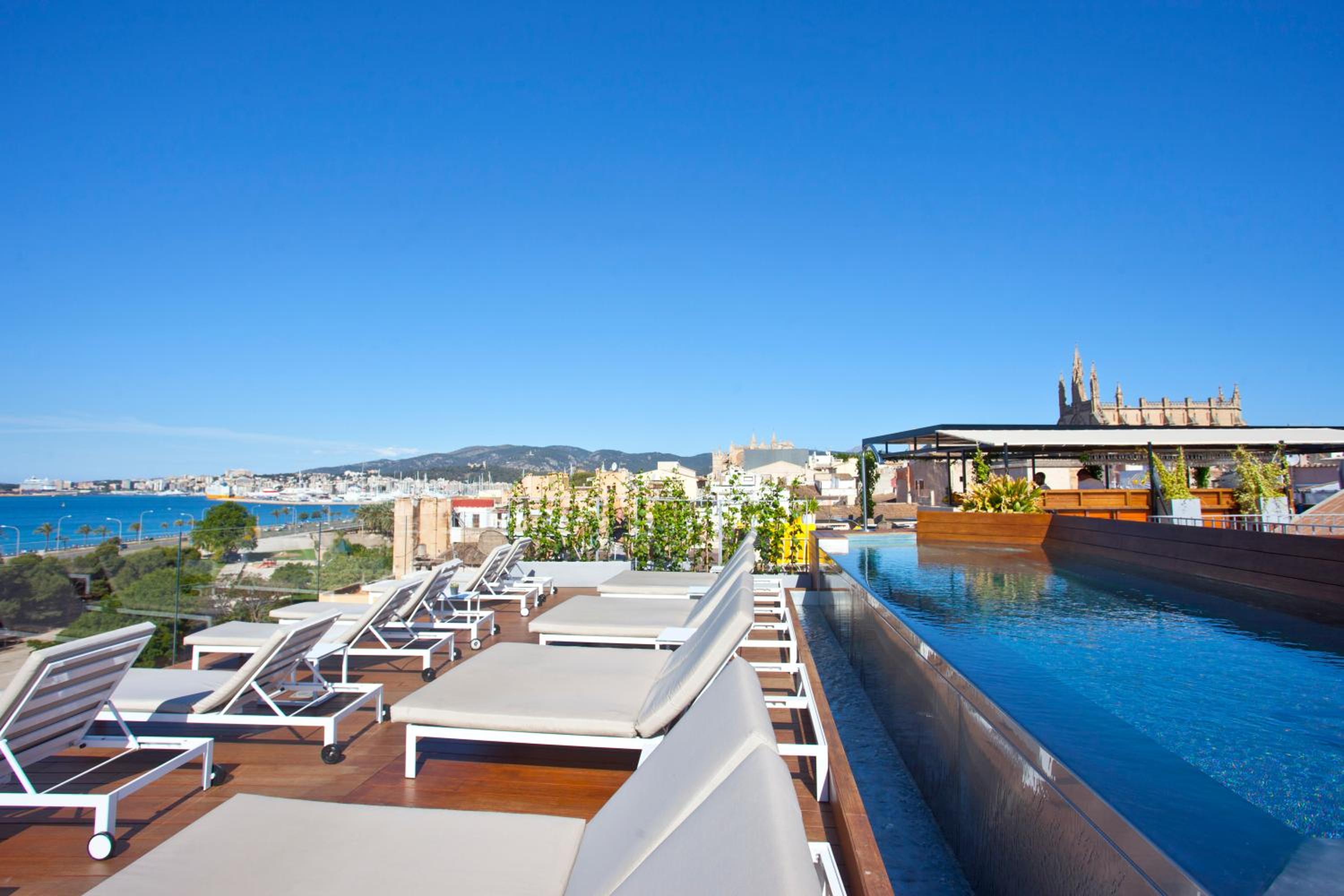
If you would rather stay in the city, Es Princep in Palma and Palma Riad are two of the Palma hotels we have chosen, and the path starts in town.
In the east, the Manacor to Artà via verde is a former railway, turned into a cycle route in 2015. It runs 29 km through Sant Llorenç and Son Servera, gently rolling and almost all off road. The roads between Alcúdia and Artà are flat and coastal, and central villages such as Petra keep their lanes quiet. On a rest day, roll to Petra's square for almond cake and a café con leche with the other riders. For a step up, the central villages loop from Alaró through Sineu to the top of Puig de Randa is about 80 km with just over 1,000 m of climbing. The view from the top takes in the whole island.
Pick your season, base and bike hire for the Mallorca climbs
The best months to ride are March to May and September to November, when the roads are quieter and the heat is gentler. July and August are hot and busy. January and February belong to the professionals and the Challenge Ciclista Mallorca, with cooler days and some rain. The table below is theKlub's own month by month climate for Mallorca: average daily highs and lows, and the days with rain, from Open-Meteo records for 2016 through 2025. It is measured at one point on the island, not on the climbs.
| Month | High | Low | Rain or snow days |
|---|---|---|---|
| January | 15.0 °C | 7.0 °C | 6.4 |
| February | 16.2 °C | 7.2 °C | 5.4 |
| March | 17.6 °C | 9.0 °C | 7.0 |
| April | 20.1 °C | 10.8 °C | 7.7 |
| May | 24.2 °C | 14.0 °C | 7.8 |
| June | 29.7 °C | 18.5 °C | 3.9 |
| July | 32.8 °C | 21.3 °C | 3.0 |
| August | 32.3 °C | 21.4 °C | 3.3 |
| September | 28.0 °C | 18.8 °C | 9.1 |
| October | 24.0 °C | 15.3 °C | 7.7 |
| November | 18.7 °C | 11.3 °C | 8.0 |
| December | 16.3 °C | 8.5 °C | 6.8 |
April also brings the Mallorca 312, on roads closed to traffic from Platja de Muro on Saturday 24 April 2027. Riders choose 312, 226 or 167 km and, under the Mallorca 312 rules, may change distance during the day. All 8,500 places sold within minutes when entries opened on 7 October 2026, so the waiting list is the way in now.
Base yourself by the climbs you want. The north coast puts Formentor and Sa Calobra on your doorstep, with Hotel Cala Sant Vicenç in Pollença and Forum Boutique Hotel & Spa in Alcúdia. Placeta Vella sits in Caimari at the foot of the Coll de sa Batalla. Hotel Esplendido in Port de Sóller is close to where Puig Major begins, between Sóller and its port.
Where to stay
Cycling hotels in Mallorca
Hotels we picked for the sport: the right location, and the facilities an active stay needs.
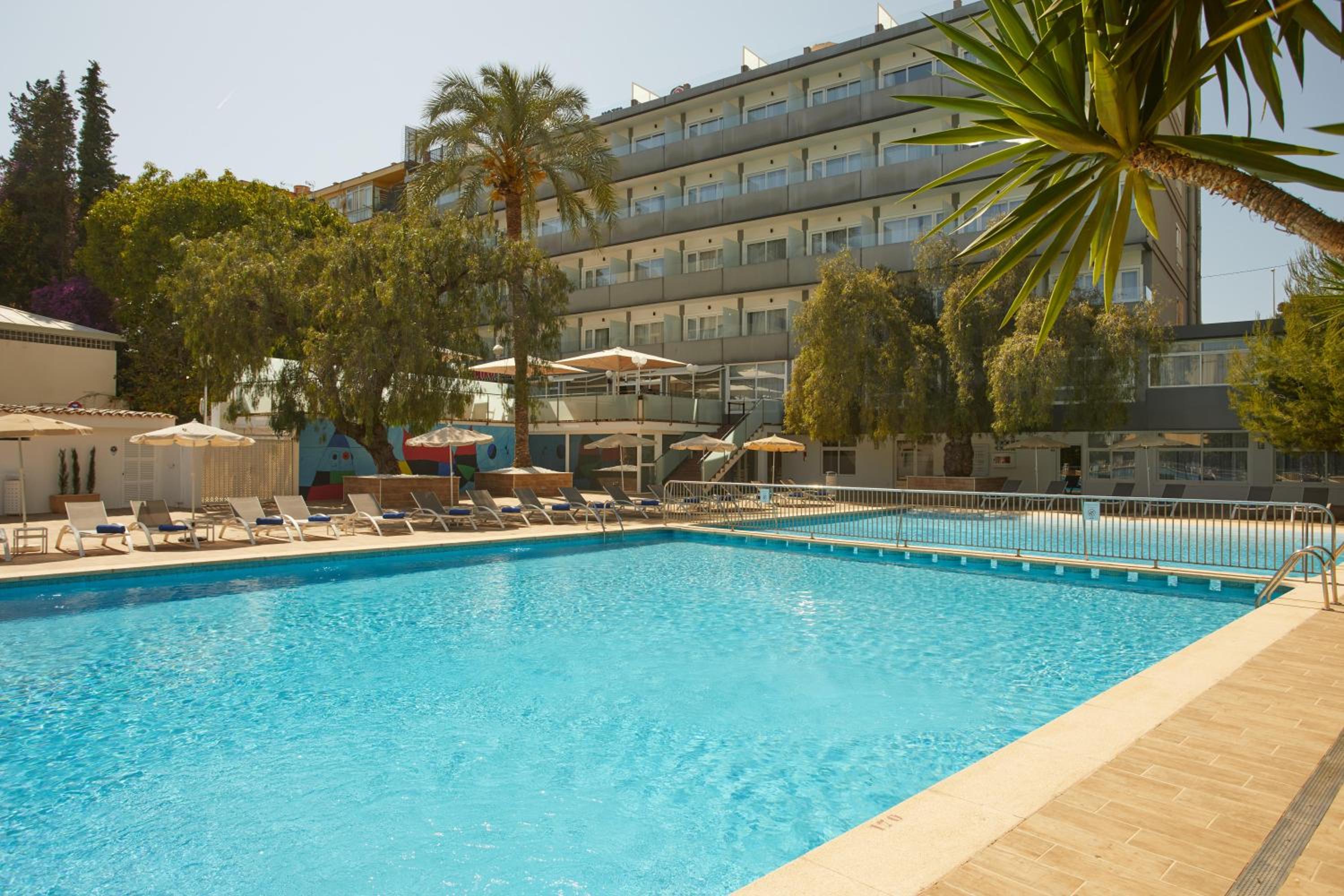
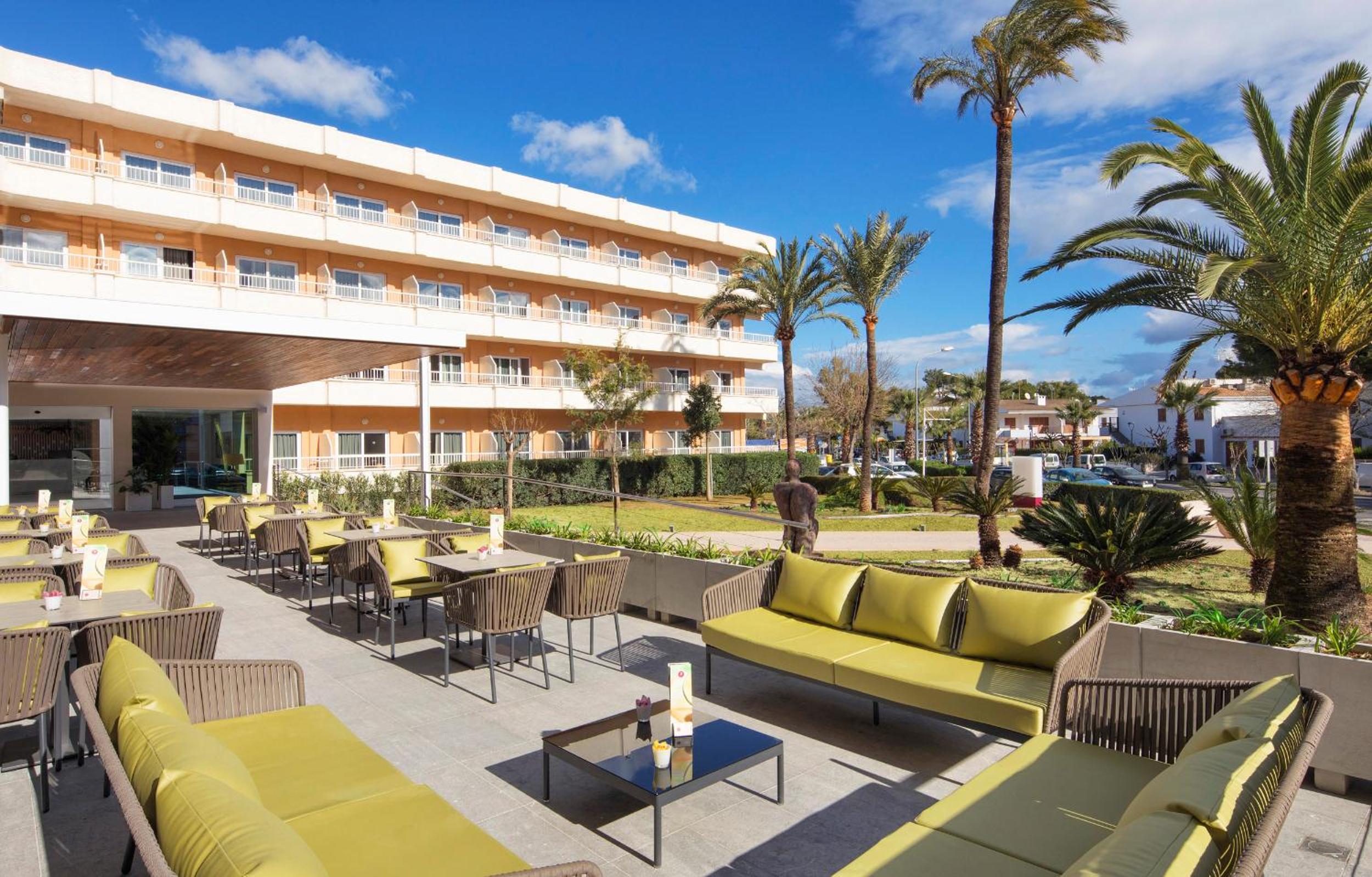
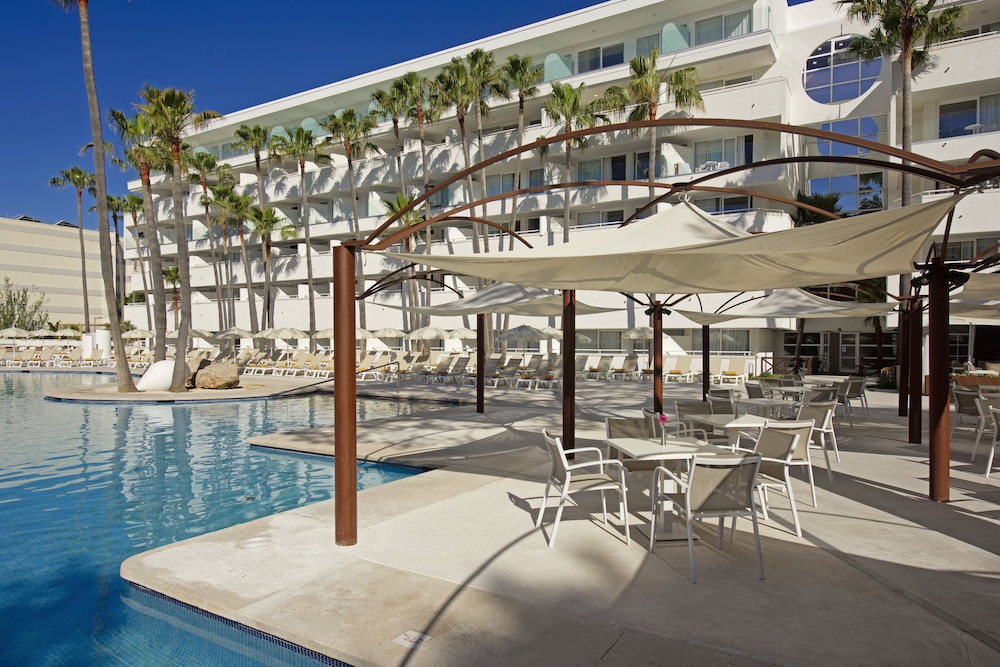
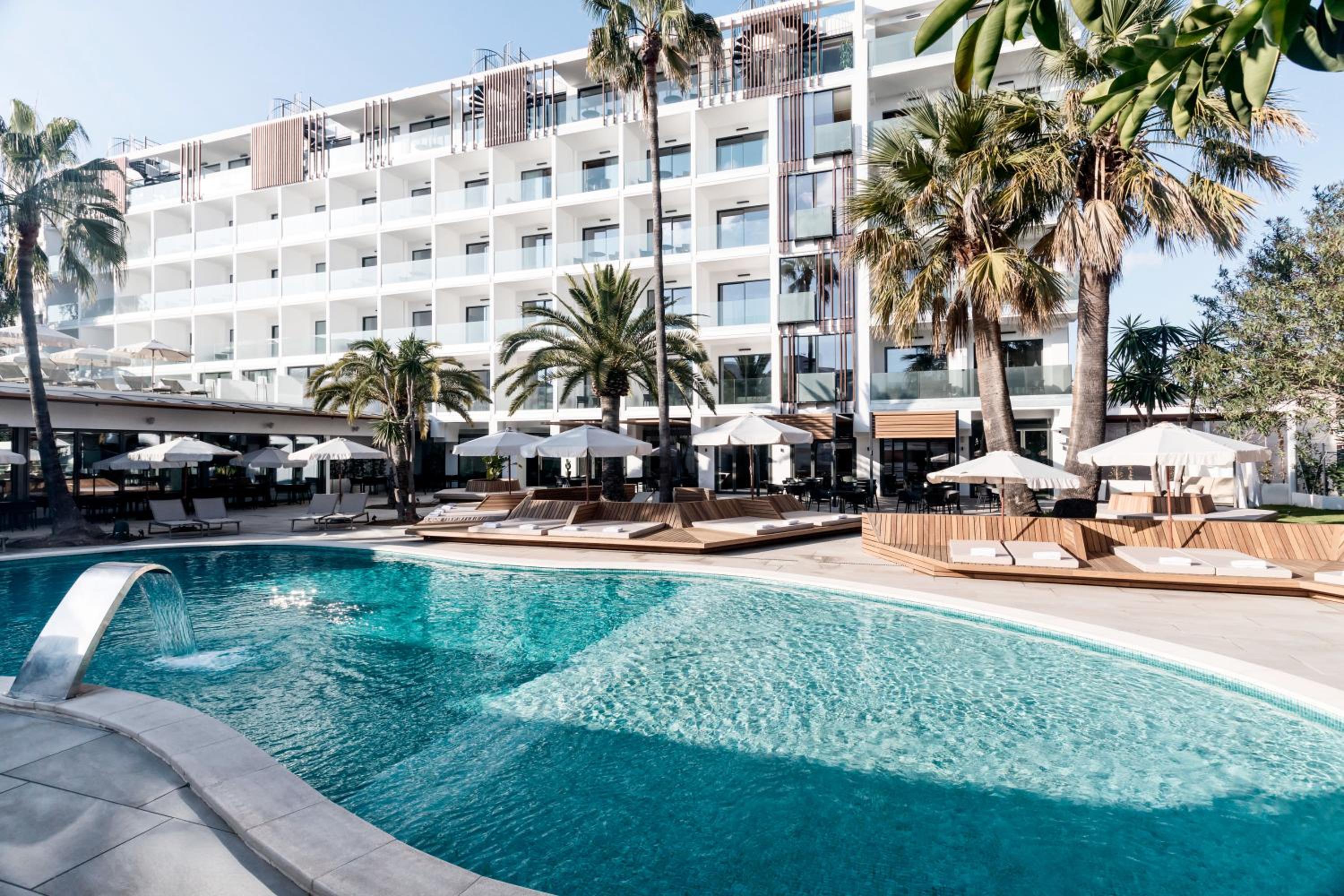
Hiring a bike on the island is easy. Check the frame size, bring pedals that take your own cleats, and ask for a compact chainset: the smaller 50/34 pair of chainrings, which makes the steep ramps comfortable. If you have a specific bike fit or a big climbing week planned, bring your own bike.
Frequently asked questions
Which is the hardest climb in Mallorca?
On Climbfinder's ranking of the island's climbs, Sobremunt is the toughest: 7 km at an average of 8.8%. Puig Major, 14.3 km at 5.9%, is the longest. Sa Calobra, 10 km at 7%, has the reputation, because you climb back out of the cove you have just descended into.
Is Mallorca good for cycling in winter?
Yes, you can ride all year, and the WorldTour teams train here before their season. January averages a high of 15.0°C and a low of 7.0°C, with about 6.4 days of rain. Expect cooler mountain days and the odd wet one. March to May is kinder for most riders.
Should I hire a bike in Mallorca or bring my own?
Hiring saves you the hassle of flying with a bike and gives you a machine set up for the local terrain. Check the frame size, your pedals and the gearing before you leave the shop. If you have a specific fit or a week of big climbs planned, bring your own bike.
What gearing do I need for the Mallorca climbs?
A compact chainset, with 50 and 34 tooth chainrings, handles the island's mountain roads comfortably. The big climbs average between 4.7% and 7%. Sa Calobra has a steepest 100 m of 11.1%, though, and Sobremunt averages 8.8%, where low gears earn their keep.
For when to go, where to stay and whether to hire a bike, read our guide to a cycling holiday in Mallorca.
Mallorca rewards a plan: one day for Sa Calobra, one for Puig Major, a morning on Formentor before the crowds and a coast day on the Ma-10, with flat spins in between. For more coast and mountain roads elsewhere, read our guide to cycling routes in Europe for every level, or see the cycling holidays with theKlub. Start by picking your base on the north coast or in Port de Sóller, then book the two big climbs for your freshest mornings.