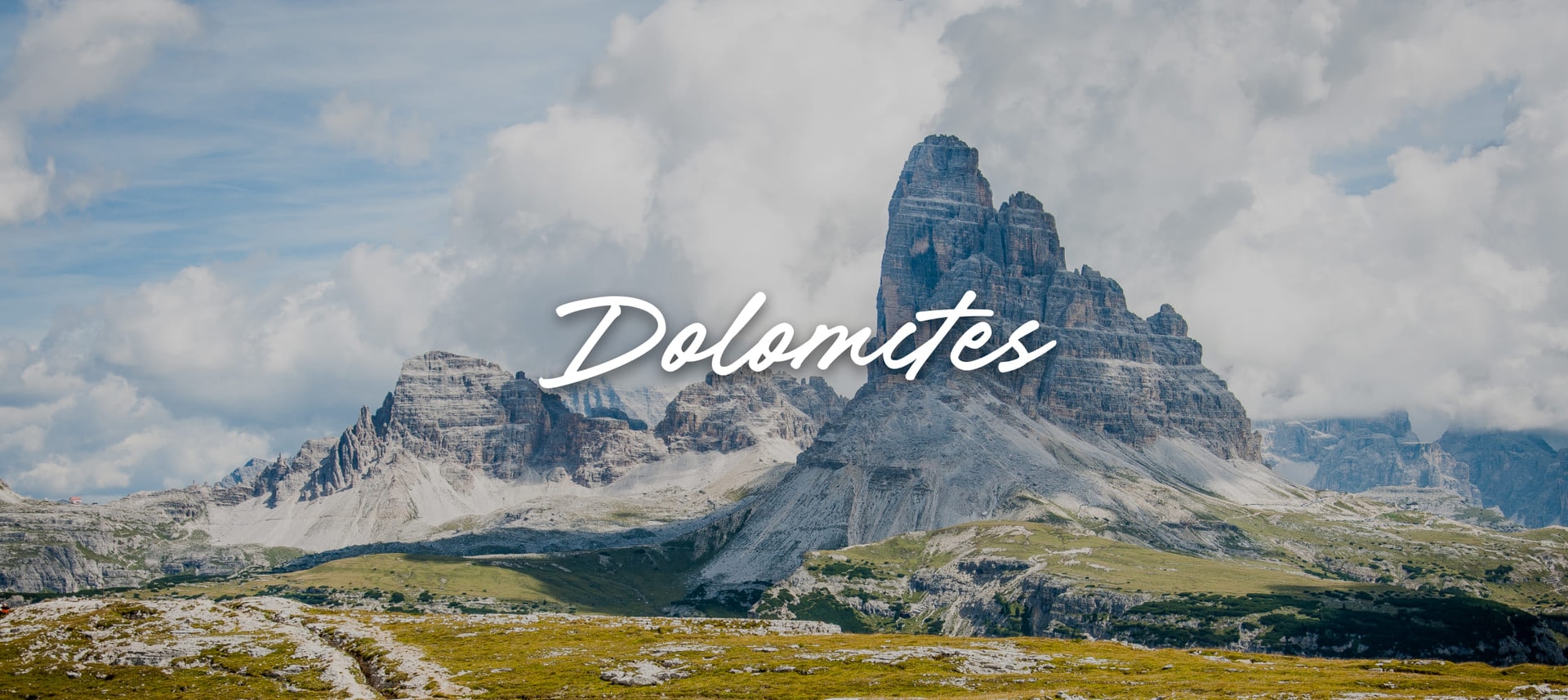
In short
Dolomites walking holidays work best between late June and late September, when the mountain huts are open and the lifts are running. Base yourself in Alta Badia, Val Gardena, Cortina d'Ampezzo or Val di Fassa for day walks from a hotel. Or walk hut to hut on Alta Via 1, about 125 km in 12 stages.
The first cable car of the morning lifts you out of the valley. Within minutes the path is crossing high meadows under pale limestone walls that began life as coral reefs. Lunch is on a hut terrace, and the evening brings a valley village, a hot shower and an early night before the next climb. UNESCO listed these mountains on 26 June 2009 for the beauty of their landscape and the importance of their geology. The Dolomites UNESCO Foundation now helps the regional and provincial authorities look after its nine mountain systems. Where you sleep, how you move between valleys and which weeks you pick decide how your week feels.
Where should you base a Dolomites walking holiday?
Base yourself in Alta Badia for the widest choice of graded day walks. Pick Val Gardena and the Alpe di Siusi for gentle meadows and Seceda, Cortina d'Ampezzo for a town with a big trail network, or Val di Fassa for the great massifs and a ready-made trek. Each valley has its own lifts, huts and pace, so match it to your legs and your group.
Alta Badia suits walkers who want a different marked walk every day without changing hotel. Its villages are La Villa, Corvara, Colfosco, Badia, San Cassiano and La Val, which calls itself the Hiking Village. They sit below the Sella, the Sassongher and the Fanes plateau, with the Puez-Odle Nature Park on the doorstep. The Alta Badia tourist board's walk finder gives every route a grade, a time and the metres of climbing. Its medium walk from Passo Valparola over the Pralongià meadows to San Cassiano takes about 4 hours 20 minutes and is mostly downhill: 260 m up, 918 m down.
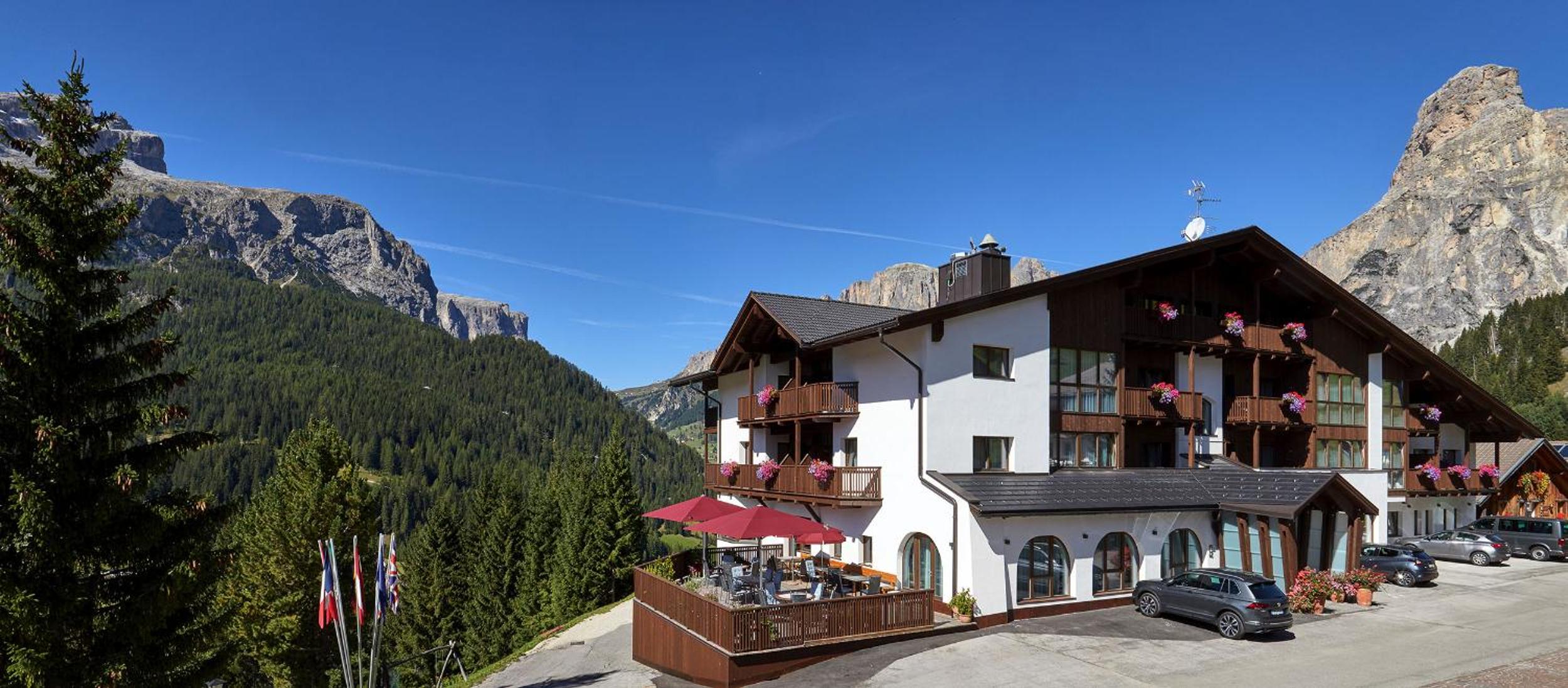
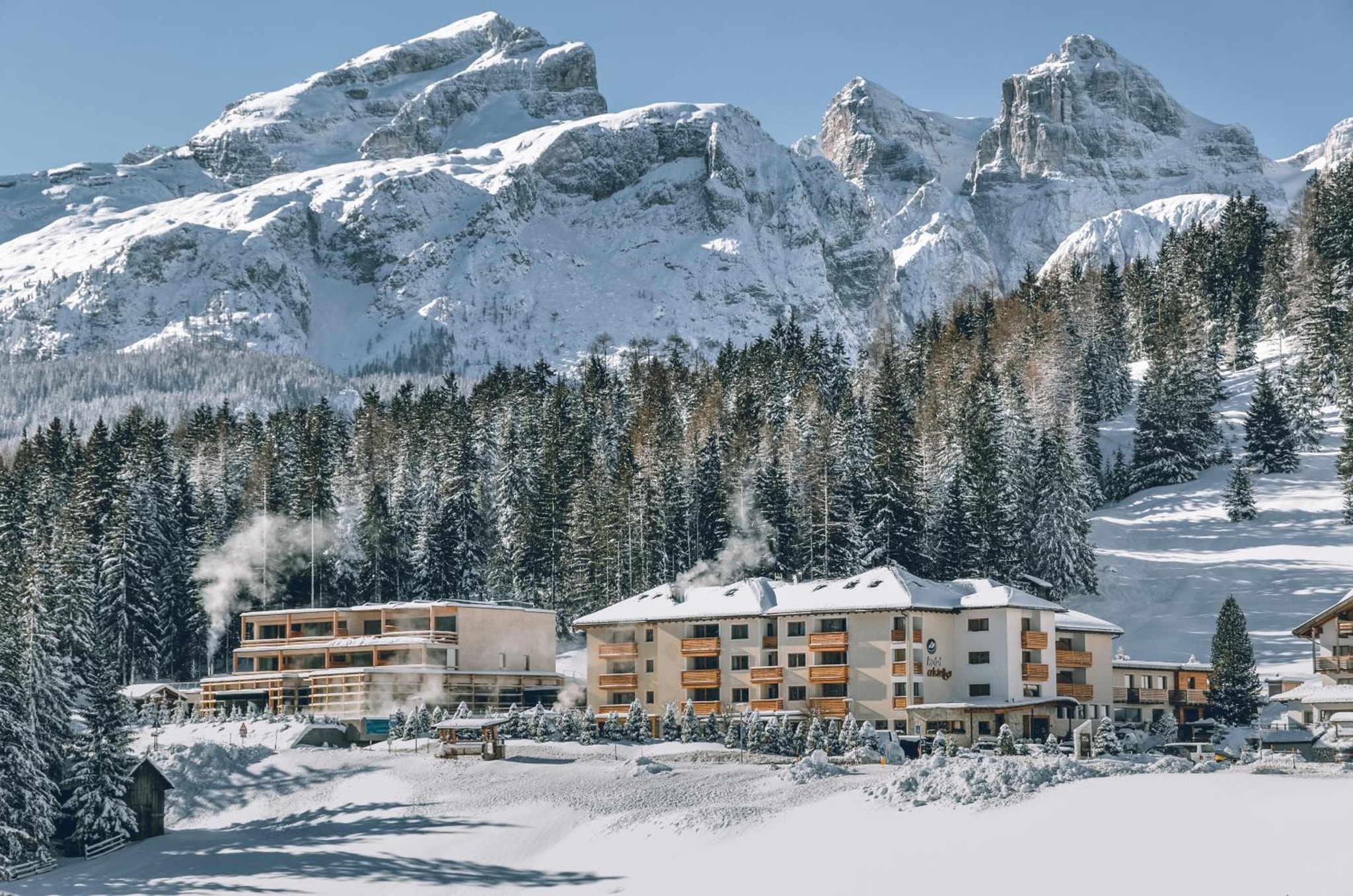
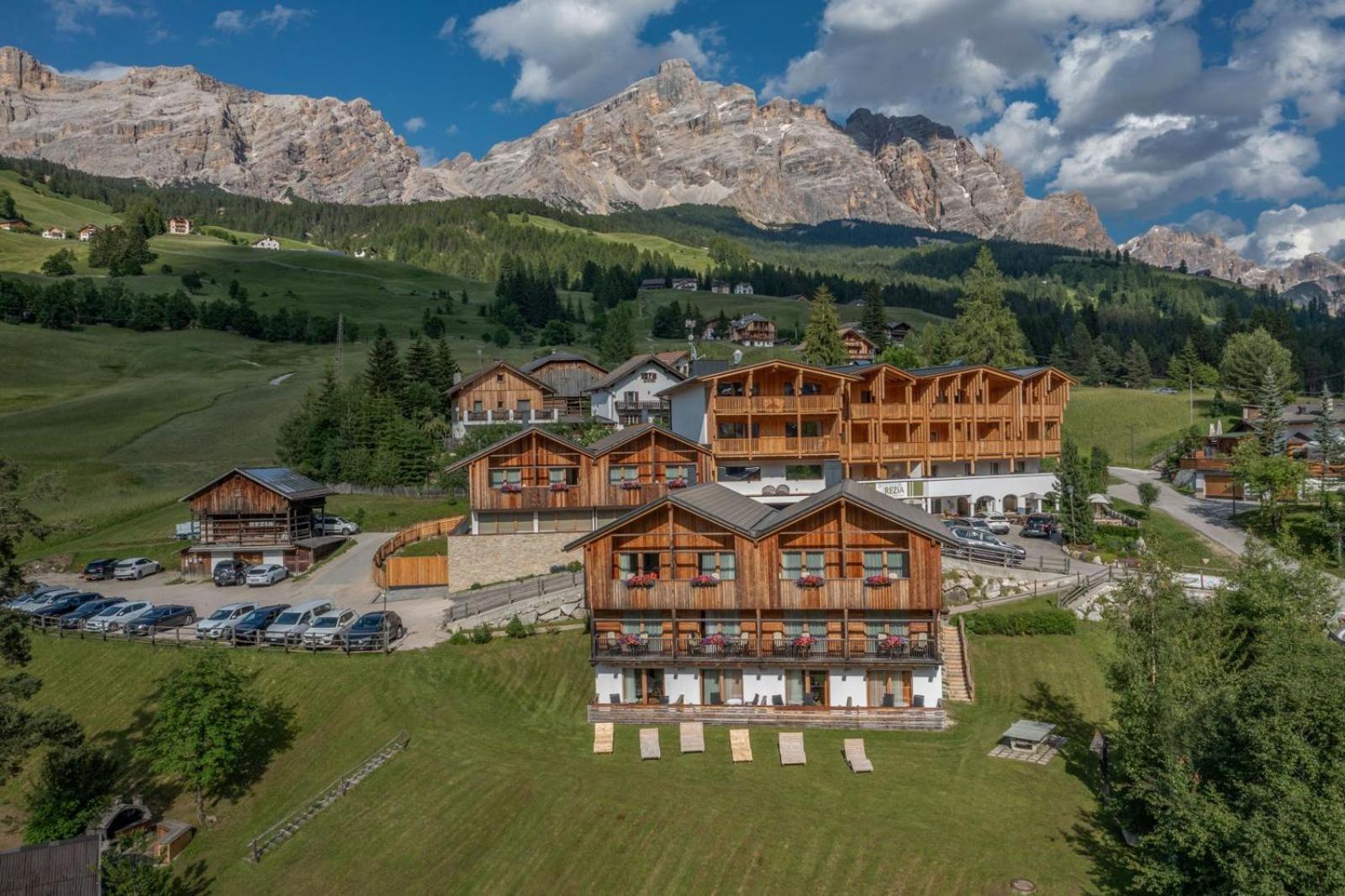
The hiking hotels we rate cluster in La Villa. Garni La Ciasota scores 9.6 out of 10 from 356 guest reviews, and Hotel Rezia, Hotel La Majun and Hotel Cristallo are close by. Sporthotel Panorama is in Corvara and Hotel Miramonti Badia in Badia.
Val Gardena and the Alpe di Siusi suit a first walking holiday and anyone who wants easier days. The trails around Ortisei have gentler slopes, and the Seceda meadows sit high above the valley. One catch: the Ortisei to Furnes and Furnes to Seceda cable cars are not covered by the Dolomiti SuperSummer lift pass, so Seceda is a separate ticket. A rest day in Ortisei means the Friday market and the Museum Gherdëina, on local Ladin culture and history. Hotel Lamm in Castelrotto scores 9.4 from 749 reviews. Sporthotel Floralpina sits on the Alpe di Siusi, and Granpanorama Hotel StephansHof is in Villandro.
Cortina d'Ampezzo suits walkers who want a proper town at the end of the day, with 400 km of marked trails around it. Easy days follow the flat Old Dolomites Railway Trail, or climb through larch forest to Lake Federa below the Croda da Lago hut. Medium days take in the First World War trenches at the Cinque Torri and the 360 degree view from the Lagazuoi hut. Alta Via 1 passes through, and Tofana di Rozes, at 3,224 m, is the hard one. HOTEL de LEN is our rated pick in town, at 9.3 from 557 reviews, and Rifugio Ospitale scores 9.2 from 740.
Val di Fassa suits walkers who want the big names in one valley: the Marmolada, the Catinaccio (Rosengarten), the Sassolungo, the Sassopiatto and the Sella. The valley's tourist board, APT Val di Fassa, puts together the Dolomiti Trek-King, a self-guided hut trek. At dusk, watch the Catinaccio for the alpenglow locals call the Enrosadira.
Every hotel we rate for walkers is on our page for hiking in the Dolomites.
Where to stay
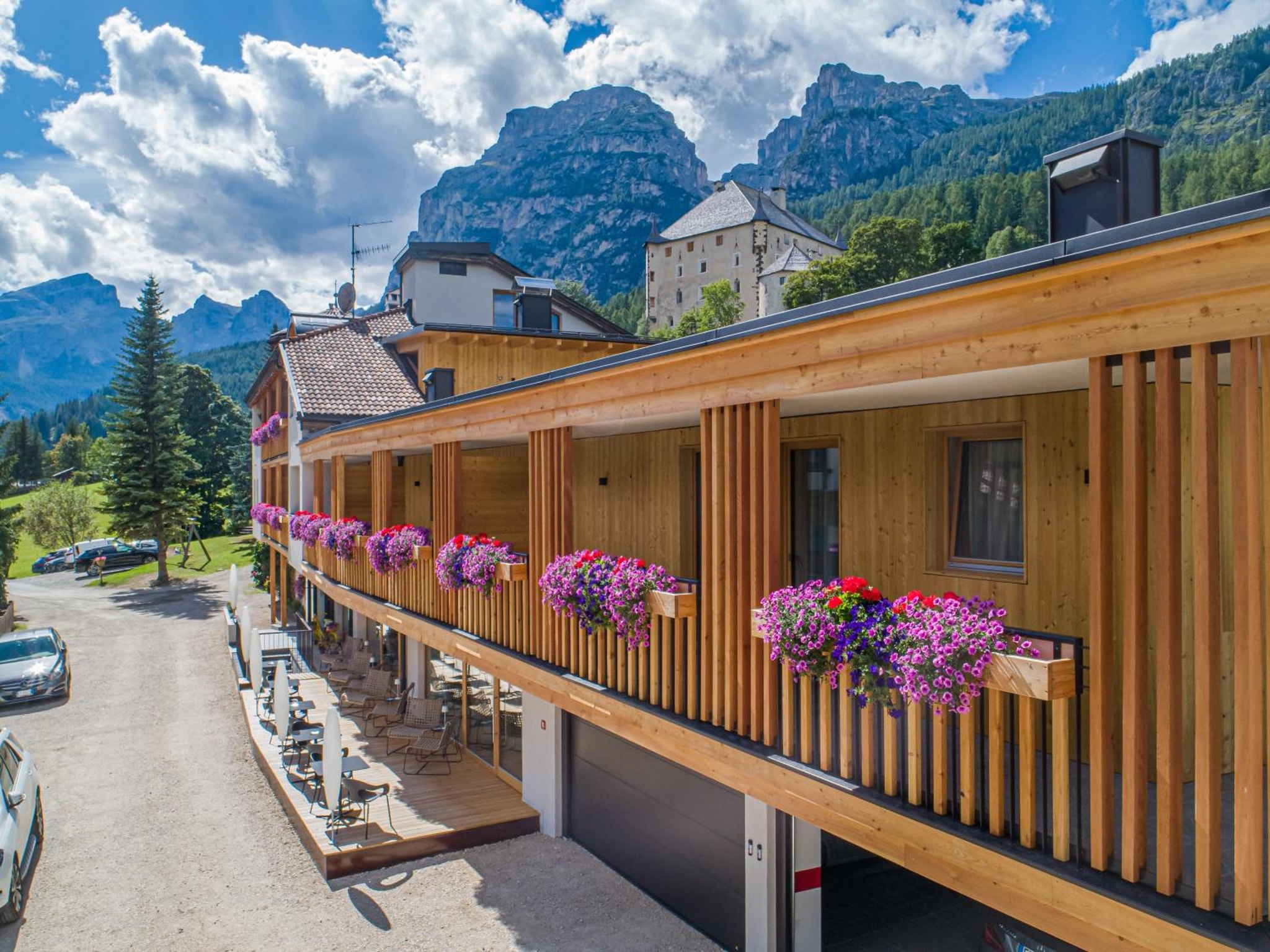
Hiking hotels in Dolomites
Hotels we picked for riders and players: the right location, and the facilities a sporty stay needs.

Hut to hut or day walks from a hotel?
Walk hut to hut if you want to cross the range with a light pack and wake up high. Stay in one hotel if you want to choose each day's walk over breakfast, once the forecast is in. A self-guided hut week sits between the two.
Alta Via 1 is the classic way to walk the Dolomites hut to hut. The route runs about 125 km from Lake Braies in South Tyrol to Belluno in the Veneto, in 12 stages of 3 to 7 hours, with 15 mountain huts on the main line and one bivouac. Walking time adds up to about 57 hours, with 7,300 m of climbing and 8,400 m of descent, and the high point is the Lagazuoi hut at 2,752 m. The Dolomites travel portal Dolomiti.it rates Alta Via 1 medium to high. The signposting is excellent and the trail is not overly technical, but stage 11 includes via ferrata sections, protected climbs on fixed cables and ladders, with a variant that avoids them. The biggest climbing day is stage 3, Fanes to Lagazuoi, at 1,070 m. Huts open from June to September, and the recommended window is late June to late September.
For a shorter taste of hut life, the Dolomiti Trek-King in Val di Fassa packages 7 nights and 6 days of walking with the huts pre-booked and lift passes included. You walk it at your own pace, without a guide. A short version runs 4 days and 3 nights between the Sella and Val Monzoni, and an autumn version spends 3 days between the Catinaccio and the Sassolungo. The routes come to 76, 51 or 39 km. Each stage can be walked on its own, and you can drop to the valley by cable car, shuttle or bus at any point, which makes it a gentle first hut trip.
One hotel and day walks suits couples and groups with mixed legs, and anyone who likes a hot shower and a choice of dinner. The lifts do the climbing you would rather skip. Alta Badia adds a middle way, the Dolomites Ronda. It is a long-distance trail walked between selected hotels with your luggage moved for you, and each day offers an easy route, a harder one or an alpine variant.
How hard is walking in the Dolomites?
The Dolomites have flat valley paths and exposed protected climbs, and the grade on every signpost tells you which one you are on. The Club Alpino Italiano (CAI), the Italian Alpine Club, uses four trail grades across Italy:
- T (turistico): easy walks on roads and smooth paths, with gentle slopes and no special kit.
- E (escursionistico): marked mountain trails on uneven ground, with rocks, roots and short steep sections. Walking boots and basic map reading.
- EE (escursionisti esperti): narrow, steep or exposed paths, sometimes over scree, where you may need a hand for balance.
- EEA (escursionisti esperti con attrezzatura): via ferrata, with cables, ladders and pegs. Helmet, harness and a via ferrata set.
Real walks put numbers on those words. In Alta Badia, the walk from Badia through the Armentara meadows is graded easy, yet still takes about 4 hours 30 minutes with 640 m of climbing. The medium route from La Val to Pares peak climbs and descends 999 m in about 5 hours. On the higher routes expect rocky paths, loose gravel and steep drops, and weather that turns quickly.
A fit walker new to mountains is comfortable on T and E paths and can build a whole week from them. EE needs mountain experience and a steady head. EEA is for walkers trained to use climbing gear, so treat it as a different sport.
Guided or self-guided: who should walk with a guide?
Walk with a guide on your first mountain holiday, when you travel alone, or when you want the paths only a local expert knows. Go self-guided when you read a map well and want your own pace. Alta Badia has experienced alpine guides in every village, who match the route to your ability, and Cortina offers guided hikes with Alpine Guides. Solo walkers can also join local groups or guided tours from the main towns, Cortina among them.
Self-guided walking works because the network is well kept. Alta Via 1 is signposted throughout, the Trek-King is built to be walked independently, and the Dolomites Ronda comes with 24/7 assistance. Whoever you walk with, carry a map or GPS app on longer routes, and tell someone your route and when you expect to be back. For company on the trail, our hiking holidays with theKlub bring walkers on the same level together.

When should you go walking in the Dolomites?
Go between late June and late September, when the huts are open, the lifts run and the paths are clear of snow and ice. Mountain huts open from mid-June to the end of September as a rule, and the weather sets the exact dates. Rifugio Giussani in the Tofane opened on 20 June and closed on 26 September in 2025, and it stays open longer when the weather allows.
Lift seasons differ by valley. Dolomiti SuperSummer is the summer lift network of the Dolomiti Superski area, across South Tyrol, Trentino and the province of Belluno. In 2026 it ran Alta Badia from 13 June to 4 October and Cortina from 6 June to 18 October. Val di Fassa ran from 30 May to 11 November, and Val Gardena from 1 May to 2 November. The SuperSummer lift dates change every year, so check your valley before you book.
Our month by month climate table for the Dolomites, from ten years of Open-Meteo data, shows how short the walking summer is:
| Month | High | Low | Rain or snow days |
|---|---|---|---|
| January | -2.3 °C | -10.3 °C | 8.0 |
| February | -0.2 °C | -8.3 °C | 8.4 |
| March | 1.4 °C | -6.9 °C | 10.4 |
| April | 4.6 °C | -3.7 °C | 13.6 |
| May | 8.7 °C | 0.3 °C | 21.9 |
| June | 15.4 °C | 5.6 °C | 22.0 |
| July | 16.7 °C | 7.0 °C | 23.8 |
| August | 16.6 °C | 7.2 °C | 20.7 |
| September | 12.5 °C | 3.7 °C | 16.3 |
| October | 8.5 °C | 0.4 °C | 11.3 |
| November | 2.3 °C | -5.1 °C | 9.6 |
| December | -0.8 °C | -8.1 °C | 7.6 |
July is the warmest month, at 16.7 °C by day, and also the wettest, with 23.8 days of rain or snow. Storms develop quickly even in summer, so start early. September cools to 12.5 °C with 16.3 days of rain or snow, and early autumn is usually quieter on busy paths such as those around the Tre Cime. Avoid late autumn and winter, when many trails become impassable. Avoid early June too if your route depends on huts that may not be open yet.
Frequently asked questions
How many days do you need for a walking holiday in the Dolomites?
Alta Via 1 takes 12 days in its standard stages, about 57 hours of walking. The Dolomiti Trek-King in Val di Fassa runs 7 nights with 6 walking days, or 4 days and 3 nights in its short version. A hotel base can be any length, because each walk starts and ends at the door.
Can beginners go on a Dolomites walking holiday?
Yes. Start on paths graded T or E by the Italian Alpine Club, such as the trails around Ortisei, the flat Old Dolomites Railway Trail in Cortina or the easy Armentara meadows walk from Badia. Keep the first days short to build confidence, and use the lifts to reach the high meadows without the long climb.
Do you need to book mountain huts in advance?
Plan the huts before anything else. They open only in summer, roughly mid-June to the end of September, and their dates move with the weather. Dolomiti.it advises checking every hut's opening and availability before you start Alta Via 1, while the Dolomiti Trek-King comes with its huts pre-booked.
What should you pack for walking in the Dolomites?
Waterproof layers come first, because the weather changes quickly. Add sturdy walking boots for rocky paths and loose gravel, trekking poles for the steep sections, a light backpack, a basic first-aid kit and a map or GPS app for longer routes. Via ferrata routes also need a helmet, harness and via ferrata set.
For walking in the Swiss Alps under the Matterhorn, read our guide to hiking in Zermatt.
A walking week here is decided long before the first lift: the valley that suits your legs, a hotel bed or a hut bunk, and dates that line up with the huts and lifts. The rest is early starts and terrace lunches. Pick your valley first, then book the first night for a week between late June and late September.