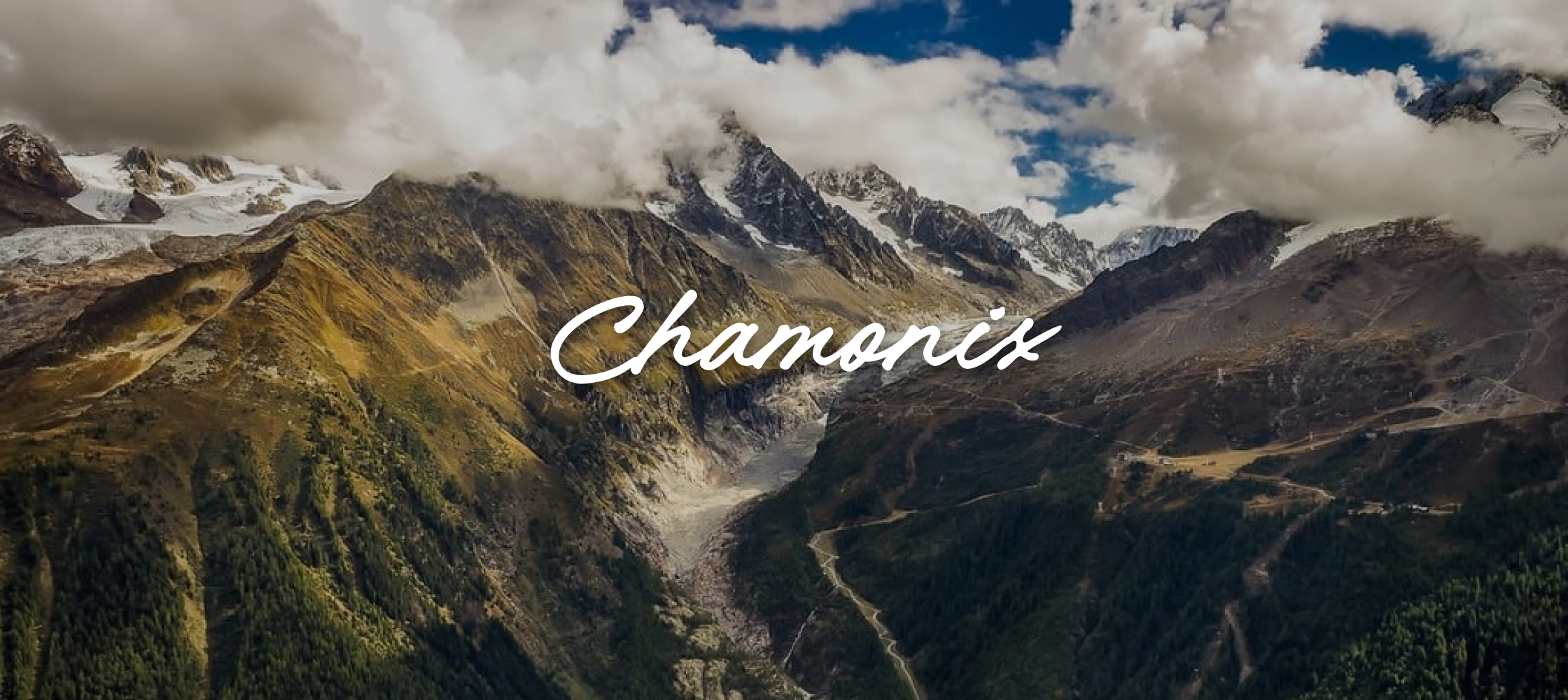
Chamonix, situated in the Haute-Savoie region, is a prime location for running due to its varied terrain, ranging from gentle valley paths to challenging alpine trails. The dramatic peaks of Mont Blanc provide a striking scenery, while the well-marked routes accommodate various skill levels.
Home of notable trail races
Chamonix hosts significant events like the Ultra-Trail du Mont-Blanc, attracting elite runners globally.
Varied terrain for all levels
The region features smooth forest trails and rocky paths, suitable for both beginners and experienced runners.
Impressive views of Mont Blanc
The prominent Mont Blanc and surrounding peaks create an inspiring backdrop for every run.
Home of notable trail races
Chamonix hosts significant events like the Ultra-Trail du Mont-Blanc, attracting elite runners globally.
Varied terrain for all levels
The region features smooth forest trails and rocky paths, suitable for both beginners and experienced runners.
Impressive views of Mont Blanc
The prominent Mont Blanc and surrounding peaks create an inspiring backdrop for every run.
The best time to visit Chamonix for running is from June to September, when the trails are fully accessible and the weather is generally suitable for outdoor activities. This period gives a range of terrain, from flat valley paths to challenging mountain routes, allowing runners to experience the varied landscapes of the region.
During peak months, Chamonix attracts many outdoor participants, which can create a lively atmosphere but may also lead to crowded trails. In contrast, visiting during the shoulder months can provide a quieter experience, though some higher-altitude trails may still be snow-covered or less maintained. Year-round, Chamonix remains a destination for running, but off-season conditions can limit access to certain trails, making lower-altitude routes more suitable for training.
Practical answers about running in Chamonix — weather, families, highlights, and more.
Chamonix gives a mix of mountain trails and technical alpine terrain, which can be challenging. Some paths are well-marked, but others may require navigation skills. Runners should be prepared for sudden weather changes, as conditions can shift rapidly in the mountains.
Beginners can find appropriate routes in the valley, where trails are less technical and more forgiving. However, the steep ascents and descents in higher elevations may be daunting. It is recommended for beginners to start with easier paths before attempting more challenging trails.
Runners should bring waterproof layers, as weather can change unexpectedly, even in summer. Trail shoes with good grip are essential for navigating the varied terrain. Hydration packs are also suggested, as water refill points can be scarce on longer routes.