In short
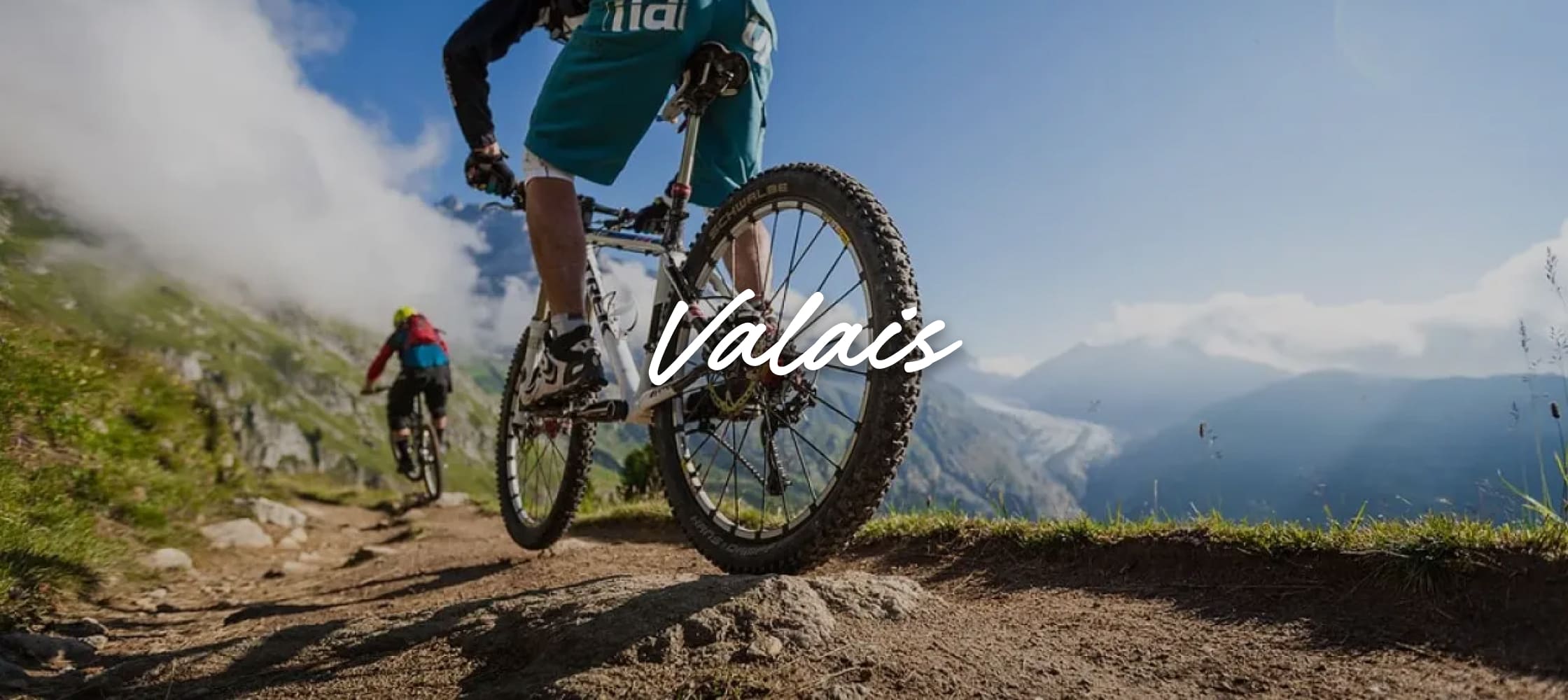
Cycling Valais means climbing: the canton has 20 mountain passes, seven above 2,000 m, led by the Great St Bernard (42.14 km from Martigny) and the Simplon (22.73 km from Brig). The high roads open roughly June to October, and the flat Rhône valley and signed gravel routes fill the easier days.
Valais is the Swiss canton that follows the Rhône's long valley down to Lake Geneva, and almost every road that leaves the valley floor goes up. Vineyards give way to larch forest, then to hairpins, galleries and a hospice at the top where travellers have stopped for almost 1,000 years. Plan it well and a week here gives you a different giant every morning and an easy spin along the river when the legs ask for one.
Which Valais passes are worth the climb?
Start with the Great St Bernard and the Simplon, then add the three high passes of Goms and the Col de la Croix de Cœur if you have the days and the legs. Valais/Wallis Promotion, the canton's tourism board, counts 20 mountain passes in Valais, and seven of them top 2,000 m. These four groups are the ones to build a week around.
Great St Bernard: the long one
The Great St Bernard route from Martigny runs 42.14 km from 501 m to the pass at 2,468 m, with 2,072 m of climbing. The road to Orsières is a gentle warm-up. The Val d'Entremont is where it bites, steady through Liddes and Bourg-Saint-Pierre as Mont Rogneux and the Grand Combin come into view. After Bourg-Saint-Pierre you ride through galleries for several kilometres, then turn off for the last six kilometres to the summit lake and the hospice, founded around 1050. In summer the St Bernard dogs of the Fondation Barry are up there too. It suits a rider who wants one big day that defines the trip.
Simplon: the steady one
The Simplon from Brig is 22.73 km and 1,334 m of climbing to the pass at 2,004 m, and Valais/Wallis Promotion rates it intermediate rather than difficult. The gradient holds steady the whole way, and the old pass road keeps you off the international through traffic. At the top there is a hospice, a pass restaurant and a stone eagle built during the Second World War. Ride it as your first big col of the week.
Furka, Grimsel and Nufenen: the high three
At the head of the valley, Goms (the Conches valley in French) holds three passes that Valais/Wallis Promotion links in an itinerary of over 100 km. The Furka climbs to 2,431 m between Valais and the canton of Uri, past the Rhône Glacier where the river begins. The Grimsel goes up from Oberwald to more than 2,000 m, with the Valais and Bernese Alps all around. The Nufenen starts in Ulrichen and stacks hairpin after hairpin under snow-capped summits, with the Ticino valley below the top. These are for strong riders staying in Goms; take the Furka's hairpins with care in the wet.
Col de la Croix de Cœur: the rough finish
More than 35 km separate Aproz in the Rhône valley from the summit of the Col de la Croix de Cœur, through Nendaz, Isérables and La Tzoumaz, with around ten hairpins and an unpaved road for the final few kilometres. It is the closing climb of the Tour des Stations, and the reward is a wide view of the Combins massif. Pick tyres that cope with gravel for the top.

Chase the race climbs: Verbier, Emosson and Torgon
Valais has given the pro peloton some of its hardest finishes, and most of them fit into a morning. Valais/Wallis Promotion's list of the canton's legendary routes notes that Montana, Verbier and Finhaut-Emosson have all hosted Tour de France stage finishes.
- Le Châble to Verbier: 9 km of winding climb. Alberto Contador rode it in 20 minutes to win the 2009 Tour de France stage.
- Martigny to Emosson: about thirty kilometres through vineyards, over the Col de la Forclaz and up to the Emosson Dam wall, a Tour de France route in 2016.
- Vionnaz to Torgon: 13 km, 800 m of climbing and 25 consecutive hairpins to Torgon, perched at 1,200 m with a view over Lake Geneva. It was the crowning stage of the 2019 Tour de Romandie.
- Monthey to Champéry: 20 km under the Dents du Midi, steep early and gentler near the top, the final stage of the 2019 Critérium du Dauphiné.
- Salgesch to Leukerbad: 16 km and 900 m of climbing from the wine plateau to the thermal baths.
- Turtmann to the Moosalp: 1,400 m of climbing through Eischoll, Unterbäch and Bürchen.
For a short, sharp test, the Vermala sprint in Crans-Montana is 1,700 m long with 150 m of climbing, the stretch Laurent Fignon won on the 20th stage of the 1984 Tour de France. Time yourself and compare.
Is the Rhône valley good for easier rides?
Yes, the valley floor is where Valais gets gentle. The Rhone Route runs 350 km from Andermatt to Geneva with 3,500 m of climbing in 8 stages, 323 km of it on tarred roads and signposted in both directions. Switzerland Tourism advises leisure riders to skip the tough first stage over the Furka and start in Oberwald, following the river through the sunny high valley down to Brig and its Stockalper Palace.
Below Brig the route brushes the Pfyn-Finges Nature Park, the wine village of Salgesch and the castles of Sion before it reaches Lake Geneva. The Vineyard Trail (Chemin du Vignoble) is the other easy option, a route through the vines and villages on the valley slopes. Both suit a first-timer, a recovery day between big climbs or a mixed group where not everyone wants a pass. The valley roads carry traffic, so keep to the signed route in the busy summer weeks. For more rides at this level, see our guide to cycling routes in Europe for every level.
Can you ride gravel or an e-bike in Valais?
Yes, and Valais/Wallis Promotion maps routes for both. A gravel bike is a hybrid of road and mountain bike, so one bike handles tarmac and dirt alike. Valais/Wallis Promotion's gravel routes include the Valais Origine Gravel, 102.58 km from Orsières in three stages via Le Châble and La Tzoumaz to Les Collons, and the Valais Epic Gravel, 122.53 km from Les Collons through Evolène and Vercorin to Sion. Crans-Montana has short loops such as the Aminona and Miriouges gravel rides.
For a couple or a group who want one easy day, the vineyard routes of the Rhône valley suit an e-bike outing. Riders who like a target can also tick off the Trophy of the dams: eight huge dams that you can reach by bike, at altitudes between 1,483 m and 2,364 m. New to gravel? Read The Inside Line with Marta Torà Milà to hear why riders fall for it.
When is the best time for cycling in Valais?
Cycling in Valais runs on two calendars. The valley roads are rideable from March, but the high passes only open in early summer, so late June to September is the window for a climbing week. Switzerland Tourism gives the Great St Bernard pass road's season as June to October, and the Alpine Passes Interest Group, which publishes the status of Swiss passes, lists the Furka, Grimsel, Nufenen and Great St Bernard with a winter closure between October and May. Dates move with the snow: in 2026 the Great St Bernard reopened on 22 June. September is the quiet favourite, with calmer roads, settled weather and the vineyards turning colour, though early autumn snow can close a summit temporarily. On any summer day, start the big climbs early in the morning to beat the traffic, and check each pass's opening status before you set off.
The Alpine Passes Interest Group's pass status page is the one to bookmark. The table below is theKlub's month by month climate for Valais, measured in the valley rather than on the passes: average highs and lows, and the days with rain or snow. July and August reach 26.9°C and 27.1°C on the valley floor, another reason for that early start.
| Month | High | Low | Rain or snow days |
|---|---|---|---|
| January | 5.7 °C | -0.7 °C | 15.1 |
| February | 9.2 °C | 1.2 °C | 11.4 |
| March | 11.3 °C | 2.5 °C | 13.7 |
| April | 15.2 °C | 5.3 °C | 12.8 |
| May | 19.2 °C | 9.6 °C | 19.5 |
| June | 25.2 °C | 14.9 °C | 18.0 |
| July | 26.9 °C | 16.9 °C | 15.2 |
| August | 27.1 °C | 16.6 °C | 13.8 |
| September | 22.6 °C | 12.9 °C | 12.4 |
| October | 18.4 °C | 8.9 °C | 12.5 |
| November | 10.9 °C | 3.1 °C | 14.0 |
| December | 7.4 °C | 0.6 °C | 13.1 |

Where should you base a Valais cycling week?
Base yourself by the climbs you want most, because the passes sit at opposite ends of the valley. Martigny is the start of the Great St Bernard and the Emosson climb, and it is one of the canton's cycling hubs along with Sion, where the Valais Epic Gravel finishes: pick it for the race climbs and the west. Brig is the foot of the Simplon and a stop on the Rhone Route, with regular trains from all over Switzerland, which makes it the easy first base for a group. For the Furka, Grimsel and Nufenen, stay in Goms, in Oberwald or Ulrichen, where those climbs begin; it suits the strongest riders in the group.
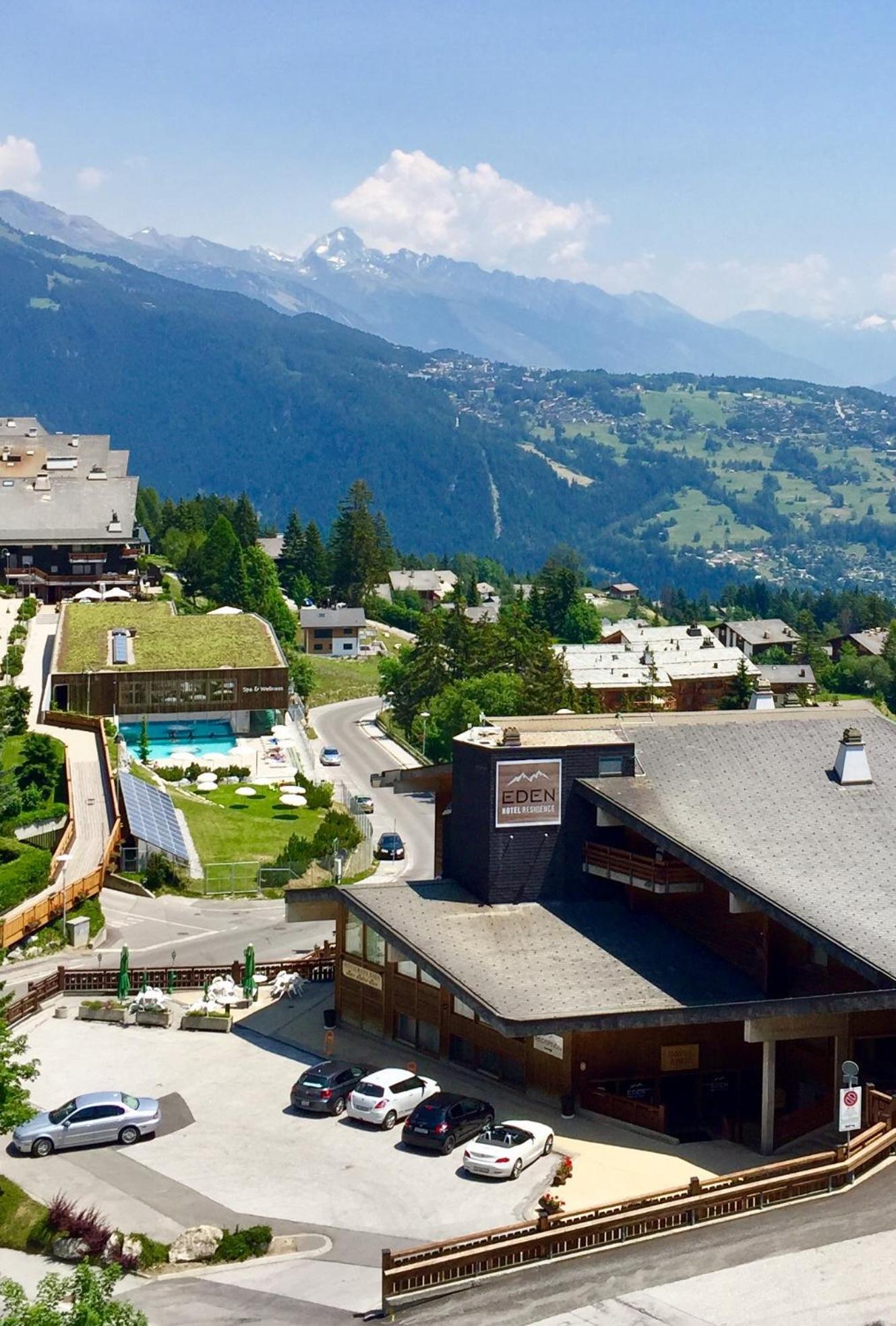
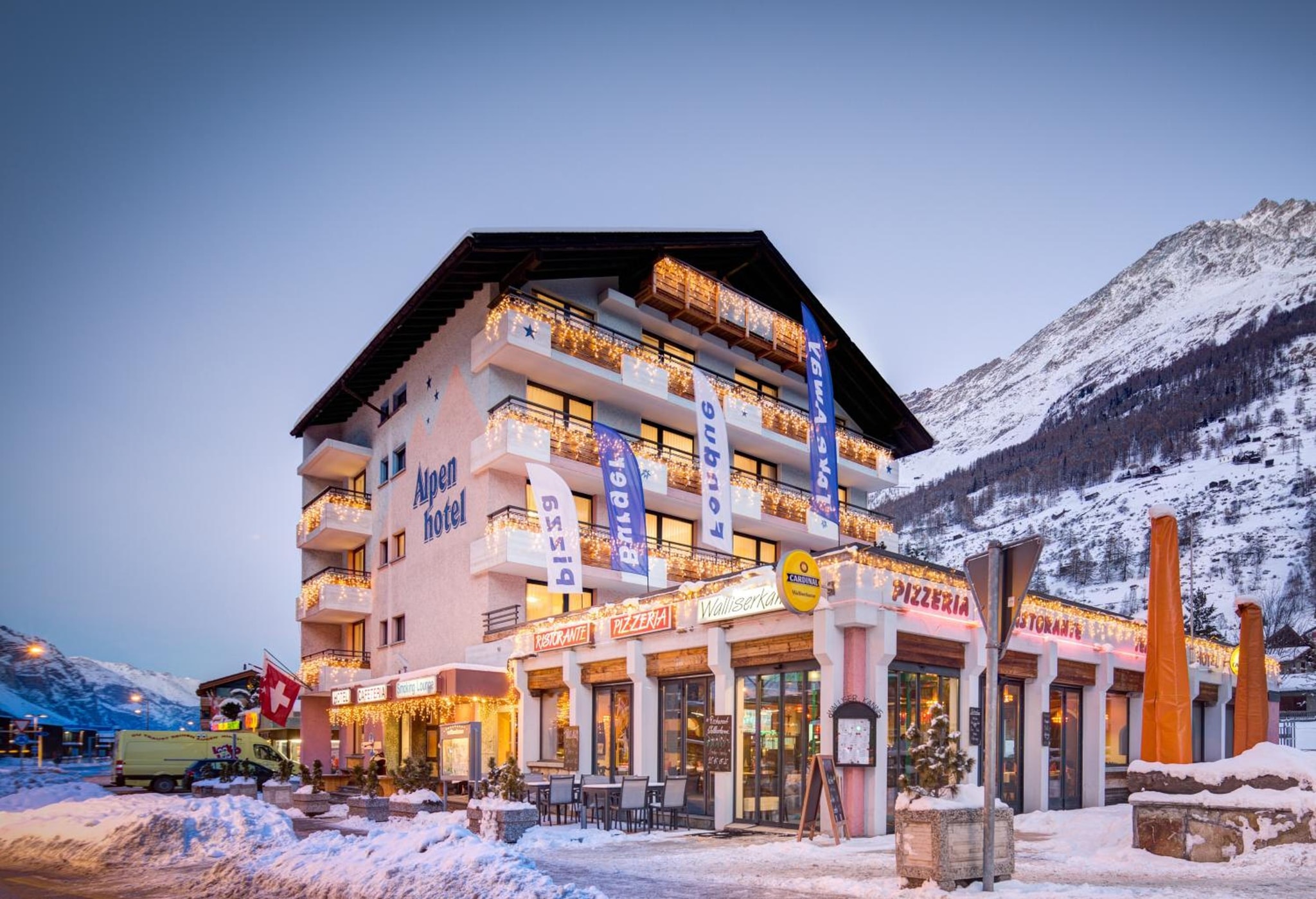
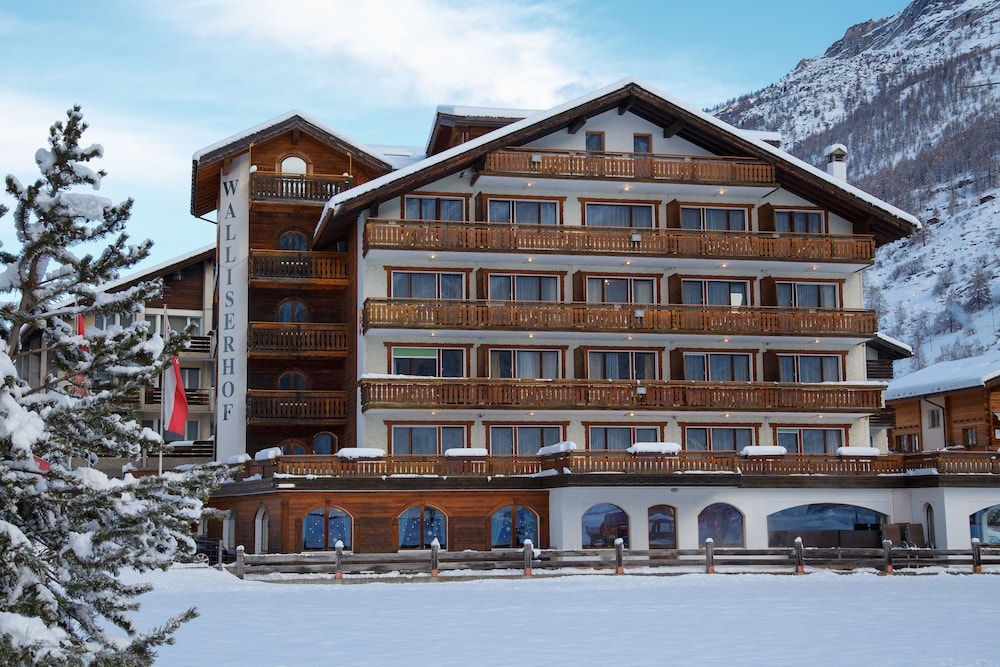
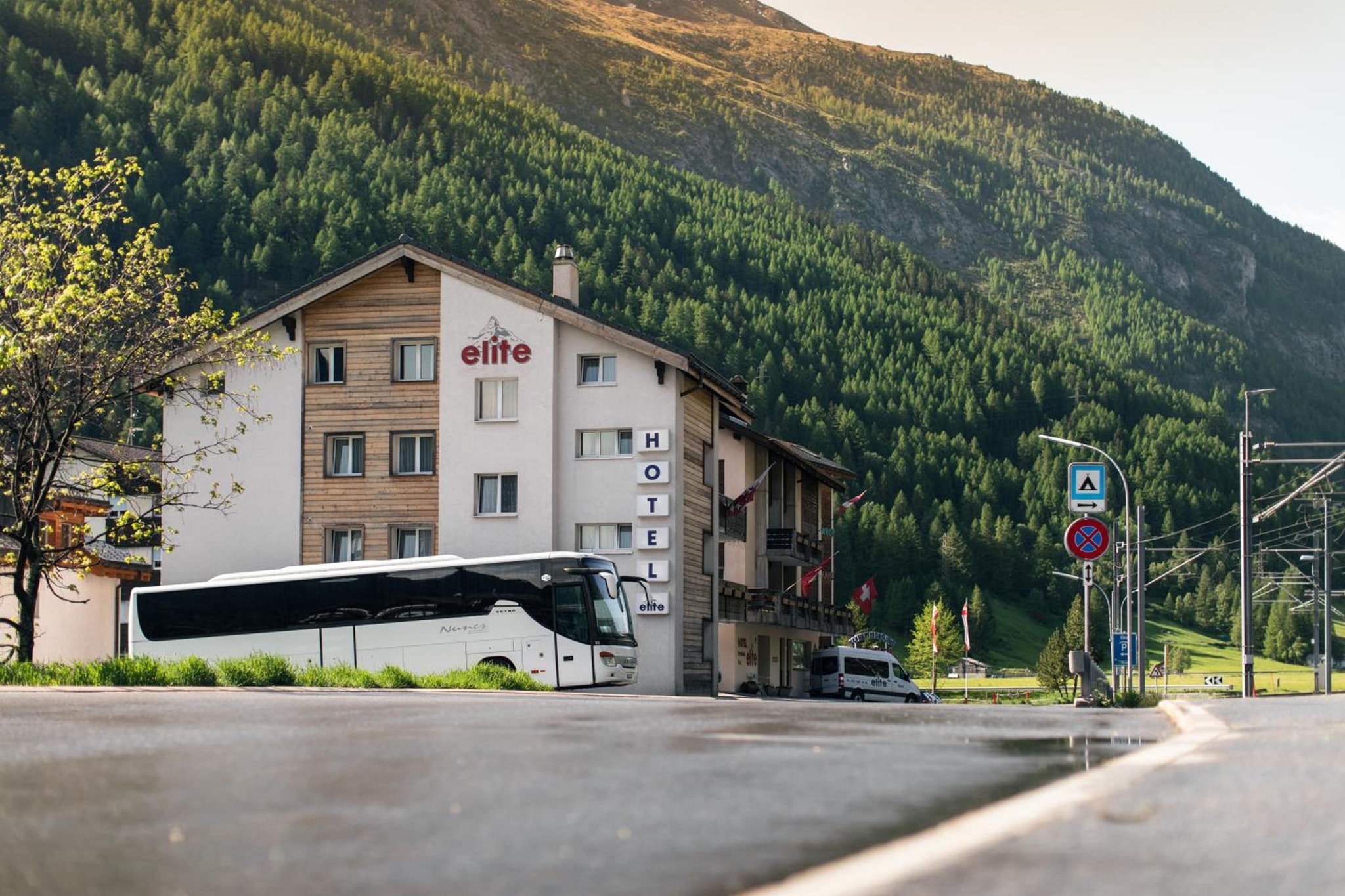
theKlub's curated, cycling-friendly hotels in Valais include the Hostellerie du Pas de L'Ours in Lens, five stars and rated 9.8 out of 10 by guests. To finish the week off the bike, Zermatt has SCHLOSS Zermatt, the Matterhorn Lodge Boutique Hotel & Apartments, Hotel Daniela and the Riffelalp Resort 2222m. Compare them, with the rest of our stays, on the page for cycling in Valais.
Frequently asked questions
Should you rent a bike or bring your own to Valais?
Bring your own if you can. Rental options in Valais are limited, so most riders travel with their bike, serviced before the trip so nothing fails on a 2,000 m climb. Check your pedals and accessories work with your shoes and kit. If you have a specific bike fit or a big climbing week planned, bringing your own bike is the safer choice anyway.
Can you reach the Valais climbs by train?
Yes. Trains reach Martigny from all Swiss cities, and the regional Mont-Blanc and St Bernard Express line runs there too. Brig has regular connections via the Lötschberg base tunnel or the Simplon line. Guests at participating hotels can use the Mobility Ticket, a free round trip on public transport from home in Switzerland to their accommodation in Valais.
What should cyclists watch out for in Valais?
Take steep hairpins slowly in the wet, especially on the Furka, and expect narrow roads shared with traffic in busy areas. Mountain weather changes fast and can cut visibility and grip, so always carry rain protection, and ride with a helmet, gloves and a bell. The Swiss emergency numbers are 144 for an ambulance, 117 for the police and 1414 for Rega, the air rescue service.
How do you fuel long rides in the Valais mountains?
Carry your own bars and gels, because refill points can be scarce on the mountain roads, and eat before each climb. Some passes help: the Simplon has a restaurant and a hospice at the top, and the Great St Bernard hospice has a guest house. Local shops sell snacks, but a familiar stash in your pocket is the safer plan.
Valais rewards a plan: pick the passes first, then the base that puts them on your doorstep, and keep a valley ride up your sleeve for the day the weather closes in. For hosted group rides, see the cycling holidays with theKlub. Then choose your two must-ride climbs and check their pass status a week before you travel.