In short
Skiing Kranjska Gora's slopes means around 20 km of pistes on Vitranc, between 800 m and 1,215 m, served by 5 chairlifts and 8 drag lifts. It suits beginners, families and intermediates best, with a learning area in the village. Strong skiers come for Podkoren 3, the World Cup slope, and for touring in the Julian Alps.
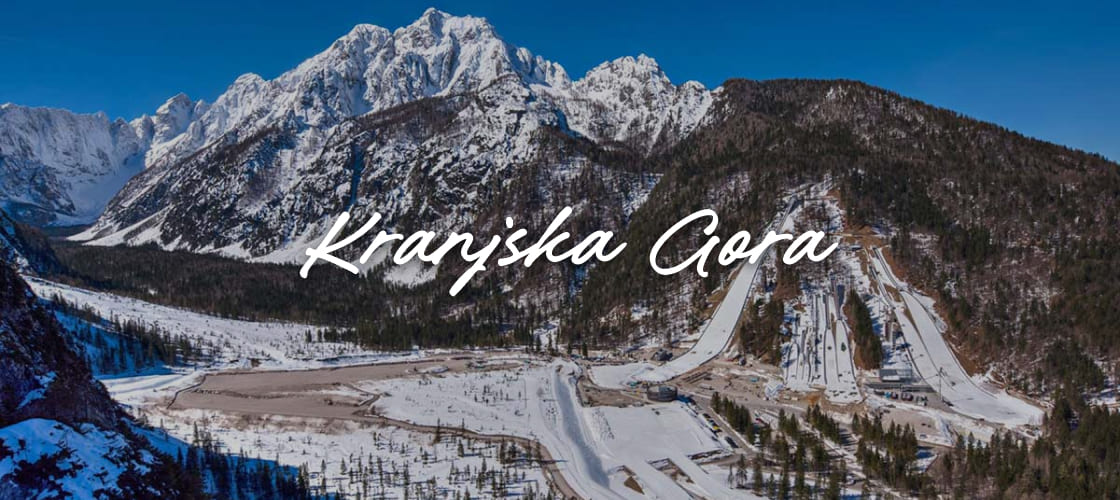
Kranjska Gora sits close to where Slovenia meets Italy and Austria, with the Julian Alps rising above the village. The lifts start at the edge of the village, so the first chair of the day is a short walk from breakfast. In January the same slopes host two World Cup weekends, and in March the ski jumpers fly at Planica, up the valley. It is a small resort with a big racing name, and you can ski the race slope yourself.
What is skiing in Kranjska Gora like?
Skiing in Kranjska Gora is compact, low and close to the beds. Kranjska Gora's tourist board counts 21 slopes strung along the flanks of Vitranc, the mountain above the village, at altitudes between 800 m and 1,215 m. A system of 5 chairlifts and 8 drag lifts (the lifts that pull you uphill on your skis) links them, and theKlub's own resort notes put the total at around 20 km of pistes. The terrain stretches towards Podkoren and Planica, with more slopes at Mojstrana. Between the hotels and the slopes there is only Snežna plaža, the Snowy Beach learning area. Because the resort sits low, natural snowfall varies from winter to winter, and snowmaking keeps the main runs open. The pistes suit beginners, families and intermediates on a short trip best. Strong skiers come for Podkoren 3, a slalom course rated among the hardest in the World Cup, and for the touring above the valley.
Think of it as a resort for a long weekend or a first week on skis, not a huge ski circuit. Our page on how to ski in Kranjska Gora keeps the resort's details and its hotels in one place.

Is Kranjska Gora good for beginners and families?
Yes, and it is the resort's strongest suit. The tourist board calls it a family ski resort, and theKlub's notes put about half of the runs at beginner level. Snežna plaža, the Snowy Beach, sits at the foot of the slopes in the village. It is where the ski schools gather their classes, so a child's first lesson starts close to the hotel door.
For a family, the short distances are what matter. Nobody needs a bus to reach the snow, and a parent can watch a lesson from the bottom of the slope. For a mixed group of friends, the beginners can stay on the gentle terrain while the stronger skiers ride the chairlifts higher up Vitranc, then everyone meets back in the village for lunch.
Lessons and equipment are both sorted in the village. The tourist board's skiing page lists the ski schools and rental shops, and complete beginners do best with an instructor booked before they arrive. Once the Snowy Beach feels easy, the next step is a blue run, a groomed slope marked for skiers who can turn and stop with confidence.
Ski Podkoren 3, then watch the World Cup race it
Podkoren 3 is where the World Cup races. It is a steep, technical course with demanding pitches, widely rated among the hardest slalom hills in the World Cup calendar, and Marcel Hirscher and Ted Ligety both won here more than once. Ski it on a quiet morning and you will see how much the racers make look easy. Racing fans can ski another World Cup classic, the Streif, with our guide to skiing Kitzbühel.
Plan around the races and you get the best of both: a few days on the snow and a weekend at the finish line. The organisers have set the dates for the coming winter:
- Vitranc Cup, 2 to 3 January 2027. The 66th edition of the men's World Cup giant slalom and slalom, at Poligon Podkoren.
- Women's World Cup, 29 to 30 January 2027. Giant slalom and slalom on the Podkoren slope, the 63rd edition of the women's race. Camille Rast won both races here last season.
- Ski Jumping World Cup Finals, 18 to 21 March 2027. Planica hosts two men's individual events, a men's team event and a women's individual event on the Letalnica bratov Gorišek flying hill, a year before it holds the World Ski Flying Championships in 2028.
For the January races, the Vitranc Cup organisers run free shuttle buses between the Kranjska Gora and Podkoren bus stations with no stops in between, and the venue has two entrances from the footpaths to Kranjska Gora and Rateče. A ticket is good for one entry only, grandstand seats go to whoever arrives first, and the bib draw, where racers pick their start numbers, is free for fans. Race weekends fill the village, so a group that wants to watch together should book rooms early.
When is the best time to ski in Kranjska Gora?
December to March is the season, with snow at its best in the heart of winter. January brings both World Cup weekends and the biggest crowds. Early March, between the January races and the Planica final, tends to be quieter on the slopes.
The table below is theKlub's own climate data for Kranjska Gora: the average daily high and low each month, and the days with at least 1 mm of rain or snow, from ten years of Open-Meteo records taken at the village.
| Month | High | Low | Rain or snow days |
|---|---|---|---|
| January | 2.1 °C | -6.4 °C | 7.9 |
| February | 4.5 °C | -4.4 °C | 9.0 |
| March | 8.1 °C | -1.7 °C | 9.6 |
| April | 12.4 °C | 1.8 °C | 11.5 |
| May | 15.8 °C | 6.3 °C | 18.5 |
| June | 22.0 °C | 11.7 °C | 13.7 |
| July | 23.4 °C | 12.9 °C | 14.3 |
| August | 23.2 °C | 12.8 °C | 12.3 |
| September | 18.2 °C | 8.8 °C | 12.8 |
| October | 13.7 °C | 4.9 °C | 9.5 |
| November | 6.8 °C | -0.4 °C | 11.6 |
| December | 3.1 °C | -4.6 °C | 8.5 |
Read it as valley weather, not a snow report. January averages a high of 2.1 °C and a low of minus 6.4 °C, and the nights stay below freezing on average through December, February and March. The wet days count rain and snow together, so they tell you how often to expect a grey day, not how deep the snow will be on Vitranc. Because the resort is low, early and late season snow can close some runs, so check the lift status before a December or late March trip.
Where can you ski beyond the lifts?
The valley's other skiing needs no chairlift at all. Cross-country skiers head to the Planica Nordic Centre, home to the ski jumps and the valley's main cross-country trails, where 25 km of linked trails run between Rateče, Planica and Tamar at 800 m to 1,100 m. The trails are groomed every day for both classic and skating technique, and the track at Planica is floodlit until 7 p.m., so a run after a day on the pistes still works.
- Trail 1, NC Planica: 5 km around the Nordic centre, the place to start.
- Trail 2, NC Planica to Rateče: 8.3 km out to the Italian border.
- Trail 3, NC Planica to Tamar: 11.7 km up into the Tamar valley below the peaks.
The Planica Nordic Centre opens its season in mid November on snow stored over the summer, runs until about the end of March, and has a cross-country ski school and rents equipment for both techniques all year. A day ticket is sold at the main building's reception.
Ski touring means climbing on skis with skins (strips that grip the snow on the way up), then skiing down untracked slopes. The Upper Sava Valley around Kranjska Gora has some of Slovenia's most popular tours: friendly descents off the Karavanke peaks, steep lines off the Julian Alps ridges, and classics on Mojstrovka, Kotovo sedlo, behind Cmir and on Dovška Baba. The tourist board arranges guides who tailor a tour to your experience and fitness, and hires out freeride skis and touring kit. In avalanche terrain, go with a guide.
How do you get there, and where should you stay?
Kranjska Gora is easy to reach for a short trip. Ljubljana Airport is 66 km away, about 45 minutes by car. Klagenfurt Airport in Austria is 40 minutes and Trieste in Italy about an hour. Without a car, take the train to Jesenice, then a bus for the last 20 km, about half an hour. The tourist board's travel page lists the airport shuttles and timetables. Parking meters in the village take cards only.
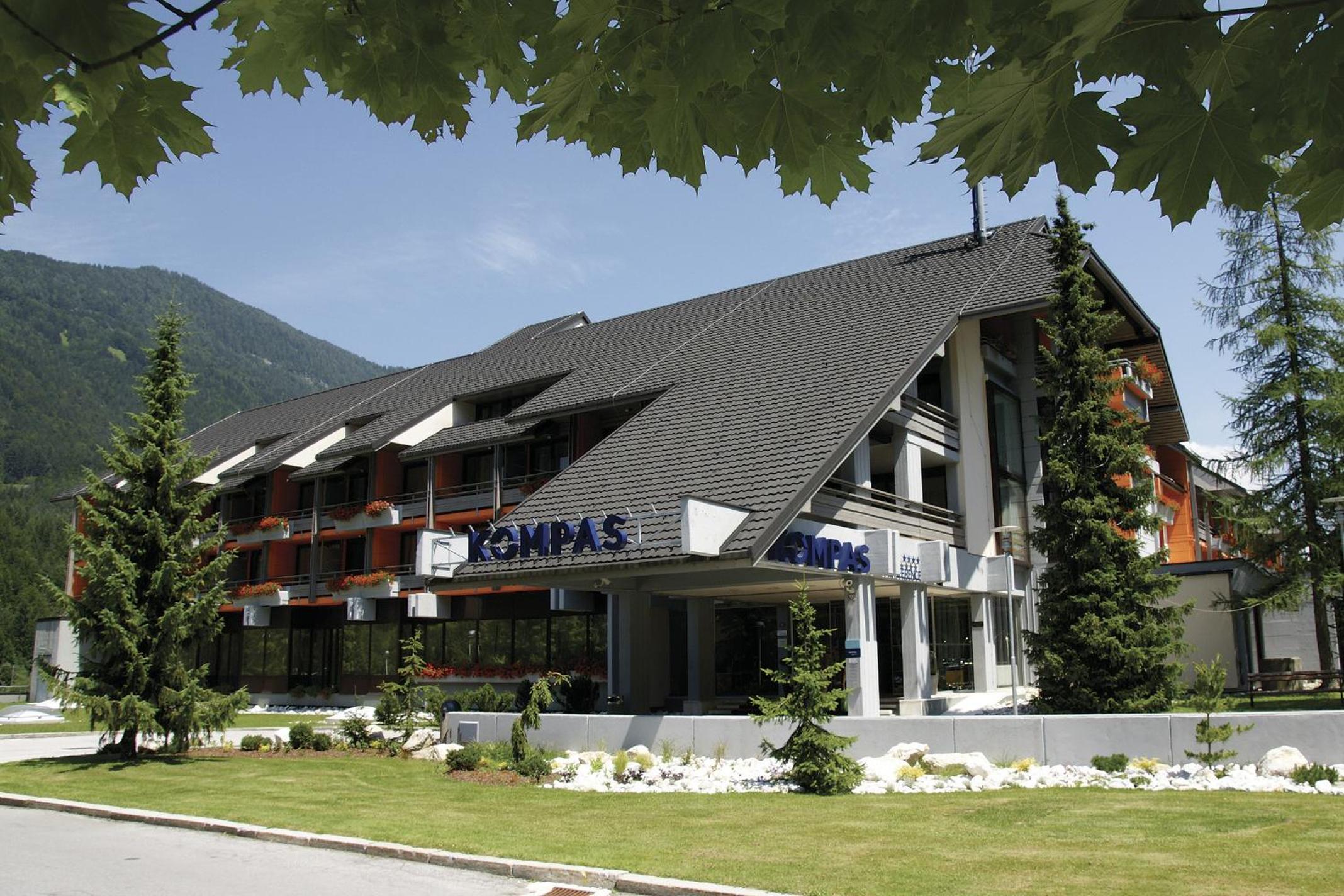
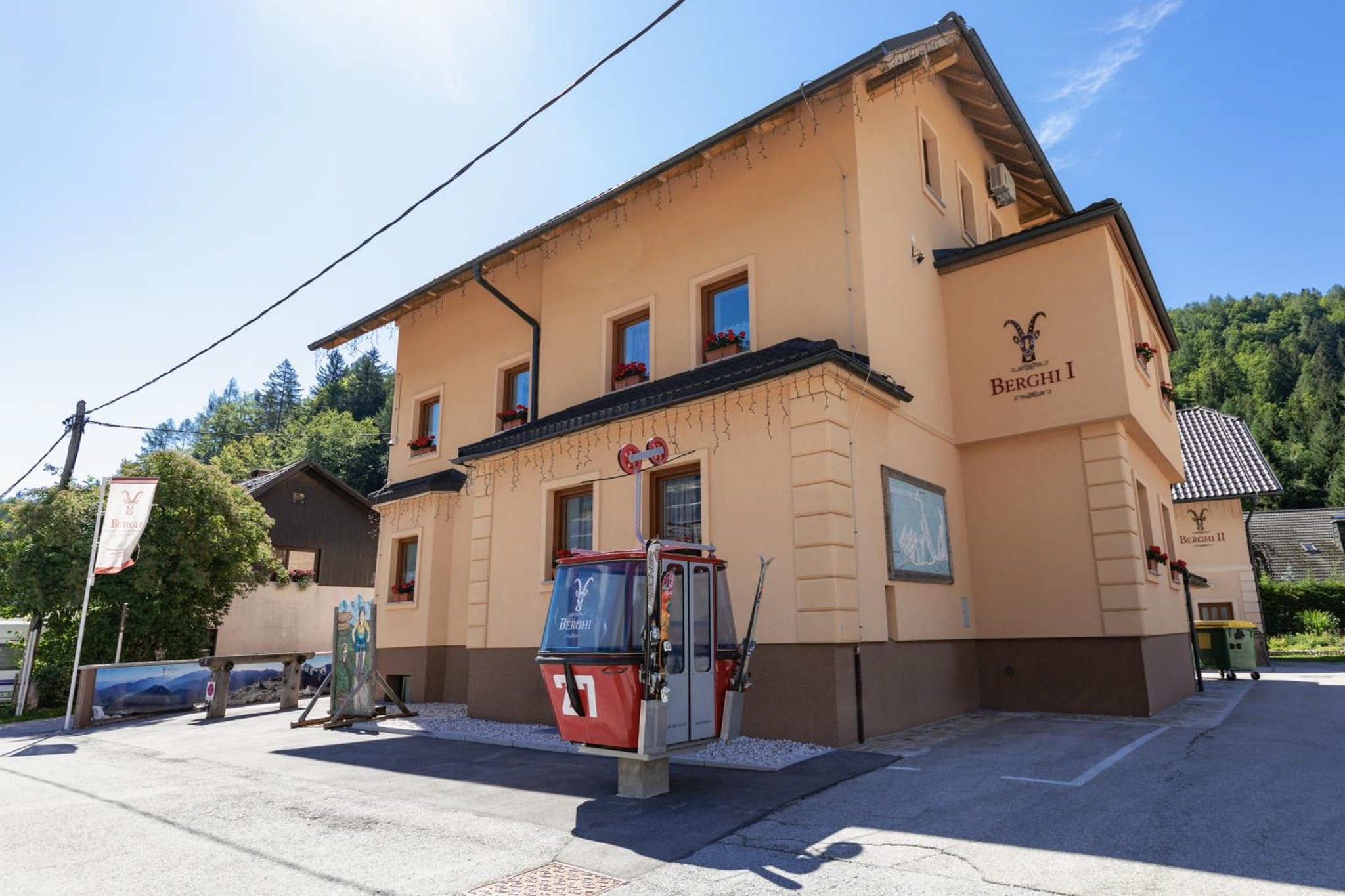
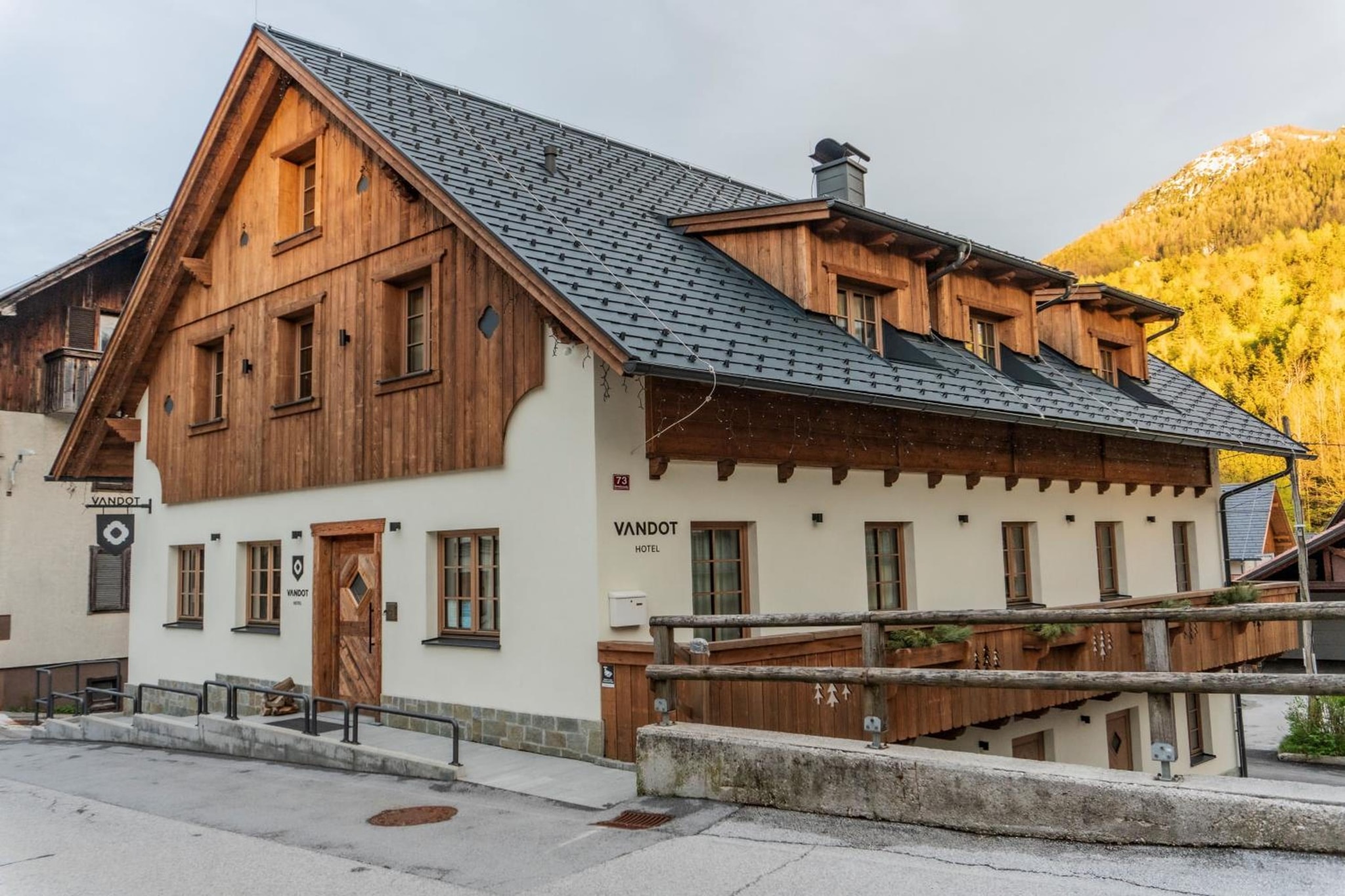
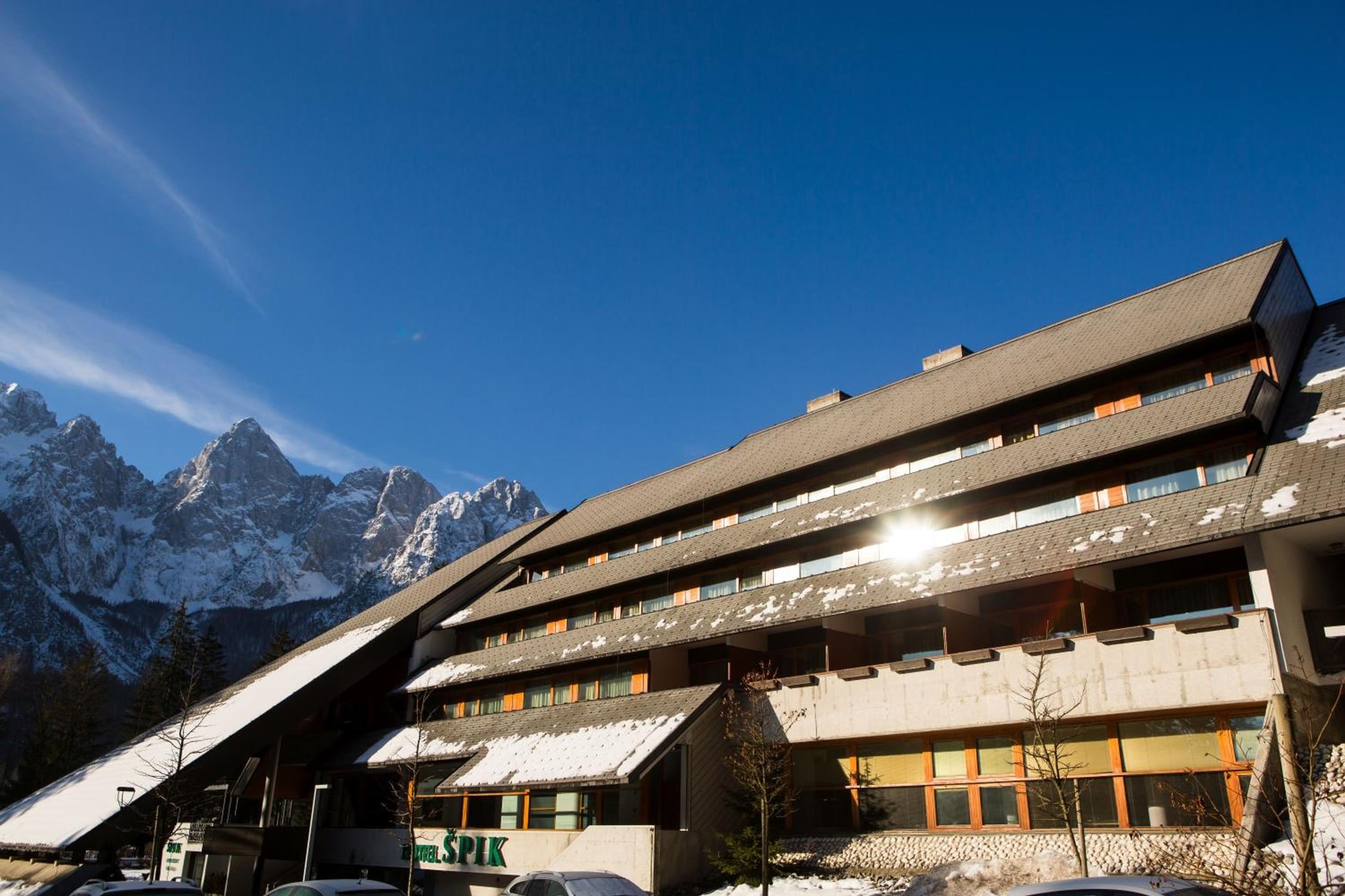
Stay in the village to keep the lifts close. For a group, Hotel Alpina (3 stars) scores 8.5 out of 10 from 6,516 guest reviews. Berghi Hotel and Apartments (3 stars, 9.6 from 1,095 reviews) gives a family more room in its apartments, and Hotel Vandot (3 stars) scores 9.6 from 128 reviews.
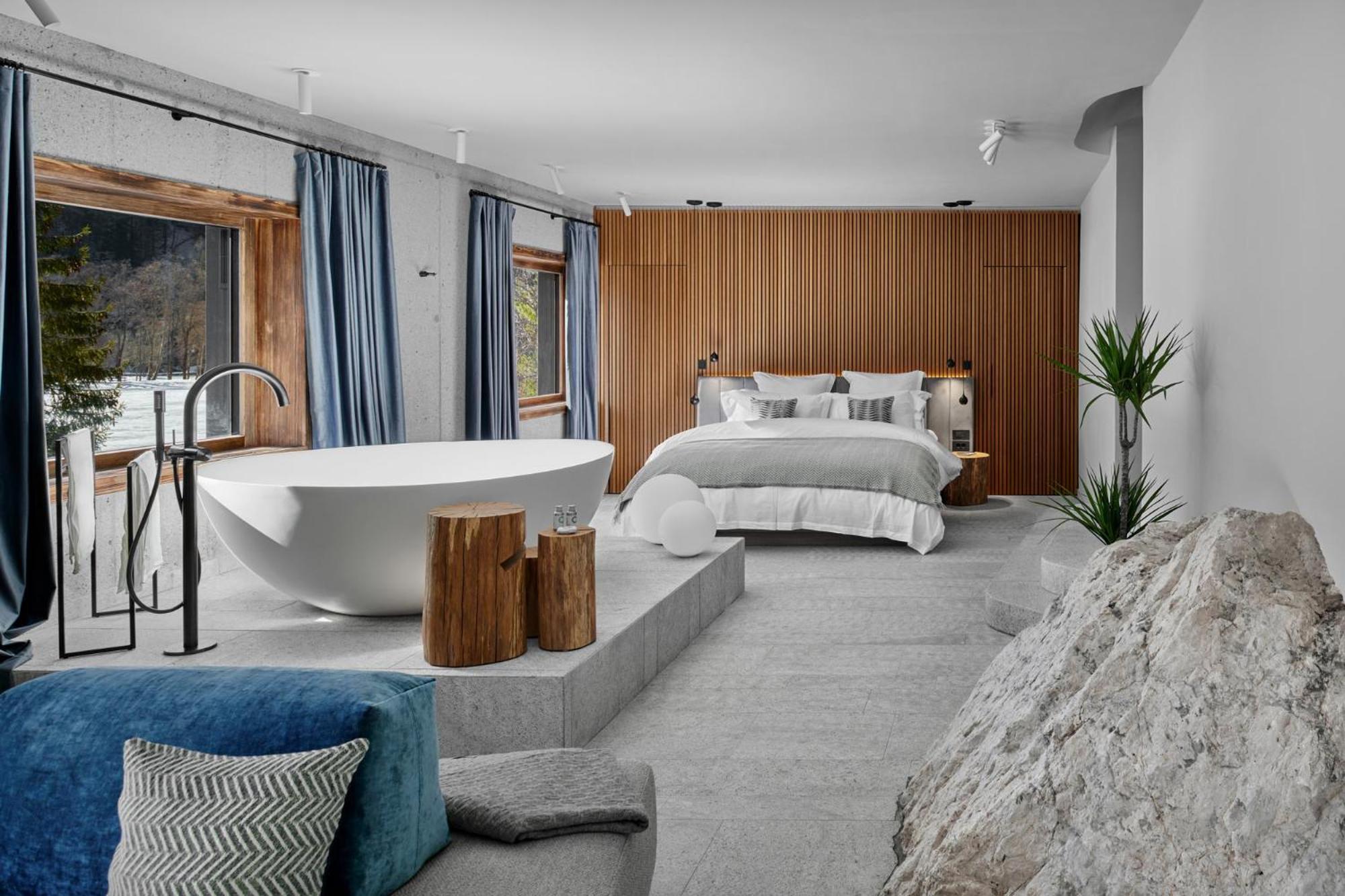
For a couple who want a step up, Garni Hotel Miklič (3 stars, 9.6 from 772 reviews) starts; a garni hotel serves breakfast but no dinner, so evenings are spent in the village. Boutique Skipass Superior Hotel has 4 stars and a 9.5 guest score. Milka Boutique Hotel, rated 9.8 from 86 reviews, is the one to save for a special trip.
The rest of our ski holidays with theKlub are there if Slovenia leaves you wanting bigger mountains. For a quieter day in the Julian Alps above Lake Bohinj, read our guide to skiing Vogel.

Frequently asked questions
Can you ski at night in Kranjska Gora?
Yes. RTC Žičnice Kranjska Gora, the company that runs the lifts, ran night skiing on Dolenčev Rut, Kekec and Mojca 2 in the 2025/26 season, on Fridays and Saturdays from 18.00 to 21.00. The schedule is announced each week on the lift company's homepage, so check it before you plan an evening on the snow.
Should you rent skis or bring your own to Kranjska Gora?
Renting is easy, with several shops in the village and a range of skis and boots, so beginners and families can hire everything there. If you ski often, bring your own boots at least: a fit you know matters more than the skis. Check that the rental shop has your sizes before a busy race weekend.
Is Kranjska Gora good for advanced skiers?
For a few days, yes. Podkoren 3 is a steep World Cup slope that tests strong skiers, and the reds and blacks on Vitranc give variety. With around 20 km of pistes, the resort is compact, so advanced skiers can add a day of ski touring with a guide in the Julian Alps.
Kranjska Gora rewards a skier who wants the snow close, the racing real and the evenings easy. Pick your dates first, a quiet week in early March or a race weekend in January, then book your room in the village before the race crowds do. For Slovakia's biggest ski resort, read our guide to skiing Jasná.