

In short
The Fred Whitton Challenge is a 112-mile sportive from Grasmere over Kirkstone, Honister, Newlands, Whinlatter, Hardknott, Wrynose and Blea Tarn, with 3,500 m of climbing. The 2027 ride is on Sunday 9 May. Places go through a December ballot or one of four other entry routes, and Hardknott's 30 per cent comes at mile 94.
The road out of Eskdale turns towards the fell at mile 94. By then you have climbed Kirkstone, Honister, Newlands and Whinlatter, crossed the bare tops of Cold Fell and eaten at Calder Bridge. Now the hairpins of Hardknott Pass stack up above you at 30 per cent. Riders rank the Fred alongside the Marmotte, and Simon Warren, who had ridden it four times by 2014, calls it the toughest sportive in Britain. It is still a social day. You ride most of it in a bunch of riders your own pace, refuel together at two feed stations and share a meal back in Grasmere.
Race calendar
Cycling events in the Lake District
Each opens the event's page, with the hotels near the start.
Where to stay
Cycling hotels in Lake District
Hotels we picked for the sport: the right location, and the facilities an active stay needs.

How do you get a place on the Fred in 2027?
Places on the Fred Whitton Challenge for Sunday 9 May 2027 come through five routes. Pre-ballot entries opened on 2 November 2026 for special charity entrants, riders who deferred last year and registered volunteers. The general ballot opens on 1 December 2026 and closes on 10 December, moved from January so that successful riders have the winter to train. You can enter alone or as a group of two, three or four. Successful entrants hear once the ballot closes. Riders who live permanently outside the UK can apply by email for one of 100 overseas places, given first come, first served. Volunteer at one edition and your entry to the next is guaranteed. Miss out on all of those, and the reserve list offers cancellation places, usually in April. Every route has the same rules at the door: you must be at least 16, you need photo ID at registration and no club membership is required.
A club four who want to start together suit the group ballot entry. A rider who wants certainty and wants to fundraise suits the special charity entry, a guaranteed place ahead of the ballot.
Who does the Fred Whitton ride for?
The Fred rides for Macmillan Cancer Support, Cumbria's air ambulances, mountain rescue and youth cycling projects, and it is Macmillan's biggest fundraiser in Cumbria. The ride carries the name of Fred Whitton, racing secretary of the Lakes Road Club, who died of cancer in 1998 at the age of 50. The club rode the route in his memory the following year. The Fred has run every year since 1999 except 2001, lost to foot and mouth disease, and 2020, lost to the pandemic.
The Wheelbase Fred Whitton Challenge Steering Group now runs it in partnership with the Lakes Road Club, a racing club in the South Lakes. More than 350 registered volunteers help on the day. Part of every special charity entry goes as a donation to one of the event's three supported charities. Most of the route runs on rural roads where an ambulance takes time to arrive. Out there, the air ambulance and mountain rescue crews are the people a rider in trouble counts on.
What does the route ask of you, pass by pass?
What do the first 50 miles hold?
The Fred starts and finishes at the Showfield on Stock Lane in Grasmere, and you can roll out at any time between 6am and 8am. The route heads for Ambleside, then climbs Kirkstone Pass and drops through Glenridding on the shore of Ullswater before the run to Keswick. Honister Pass comes next, climbed from Seatoller. It gains 248 m in 2.4 km, an average of 10.4 per cent, with a final steep stretch to the top at 361 m. Its slopes pass 25 per cent, and Simon Warren felt them even on a 39/26, a 39-tooth inner chainring with a 26-tooth biggest sprocket. The first feed station waits at Buttermere after 47.5 miles. Newlands Pass follows straight away, a climb Warren counts among his favourite places on Earth for the view over its green valley. Then comes the Braithwaite checkpoint, where the cut-off is 11:30.
What happens on the western loop?
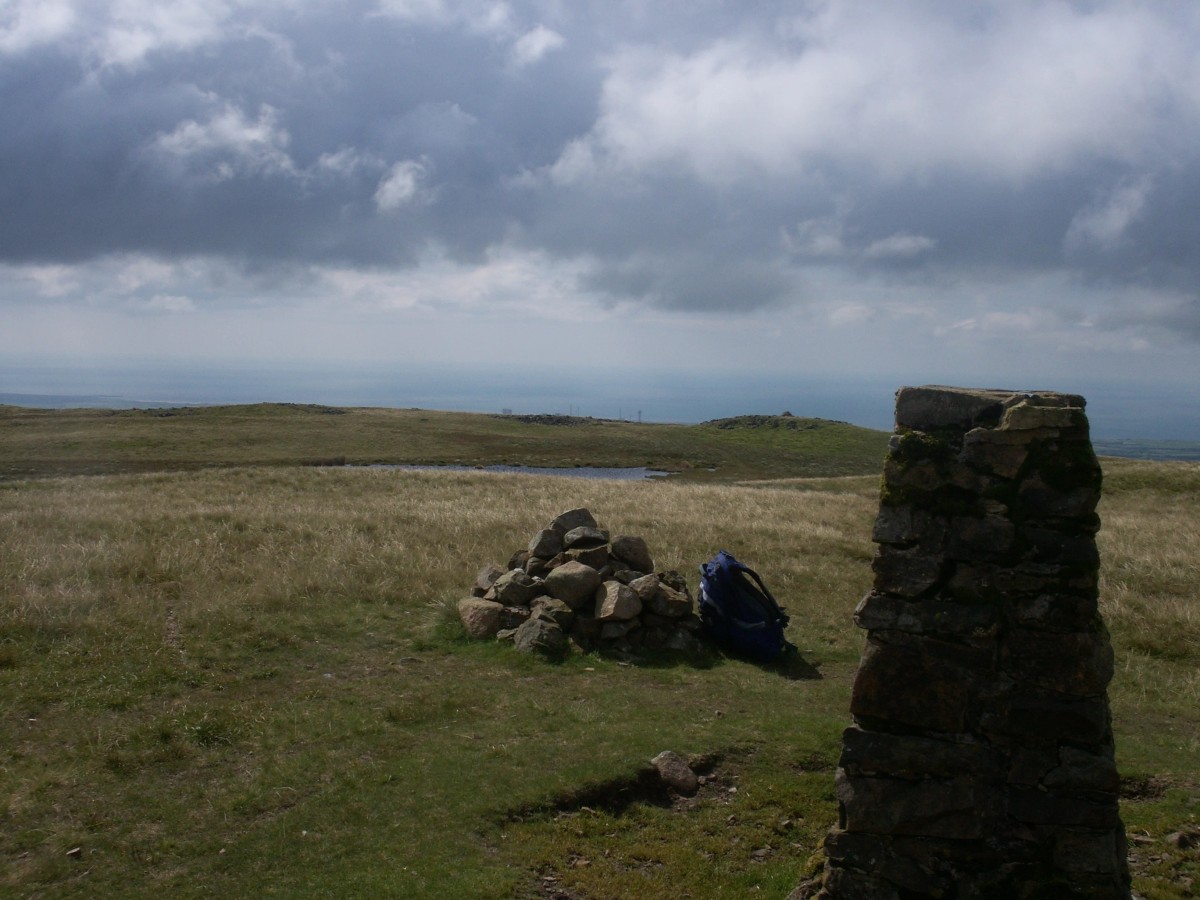
Whinlatter Pass climbs out of Braithwaite on forested, almost Alpine bends. Beyond it the route turns south down the western Lake District on a lumpy road towards Cold Fell, climbed out of Ennerdale Bridge. Cold Fell is usually a battle against driving wind and rain across its bare, open tops. In a dry year with a tailwind, those same tops can feel almost kind. Keep eating here, because Hardknott is still ahead. The second and last feed is at Calder Bridge after 80.6 miles, and the cut-off there is 14:30. From Calder Bridge the road heads east for Eskdale and the climbs the whole day is built around.
How hard are Hardknott and Wrynose?
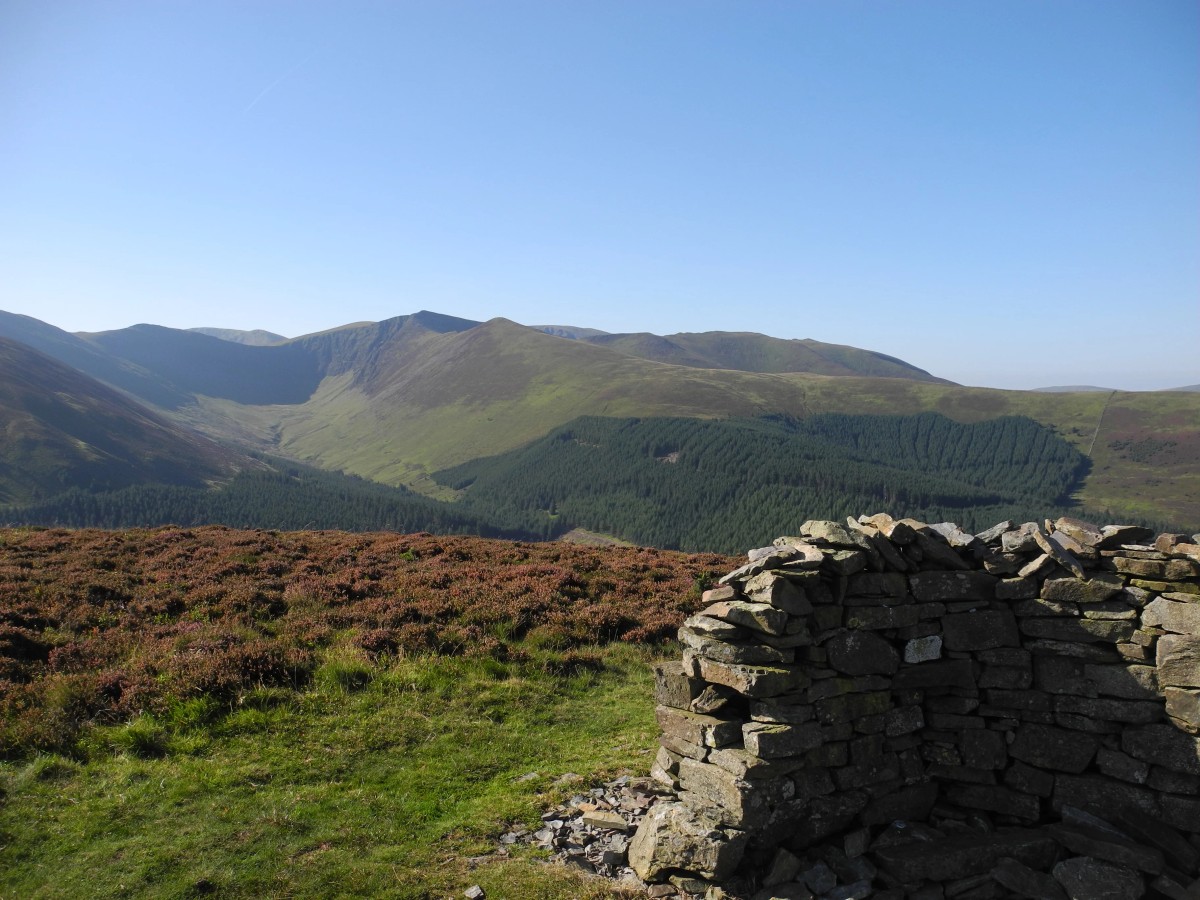
Hardknott Pass is the steepest climb of the Fred, and it comes at mile 94. From Beckfoot in Eskdale it climbs 298 m in 2.2 km, an average of 13.5 per cent, to the top at 393 m. The maximum is 30 per cent, and a series of hairpin bends makes it hard to see far ahead in places. Poor tarmac, off-camber corners, stutter bumps and streams across the road test your bike handling as much as your legs. Save something for the two hairpins near the top. Warren got off at the second-to-last hairpin and walked, remounting only when the 30 per cent eased to 20, and then both hamstrings cramped. After the descent comes Wrynose Pass, the second of the pair, and then the last 10 miles: past Blea Tarn, down through Langdale and home to Grasmere.
Racing Fred Whitton Challenge?
No hosted cycling trip in the Lake District in May 2027 yet. Want to hear first when there is one?
No password. We email you a 6-digit code.
How do you train for Hardknott at mile 94?
What should you ride before you enter?
Ride a 100-mile sportive, and a hilly one with more than 2,800 m of climbing, before you take on the Fred for the first time. Those two rides tell you whether you can handle the distance and the climbing, and the Fred asks for both at once: 112 miles and 3,500 m. Train for a long day rather than a fast one. The very top riders finish in just under six hours, but eleven hours and more is common. The cut-offs at Braithwaite and Calder Bridge come after Kirkstone, Honister, Newlands and a run of smaller, very hard climbs. So start early if it is your first Fred, and ride in a group of your own pace. Warren held back from the front on the early climbs, because a bunch makes swifter progress than a rider alone. If you want long climbing days in your legs before May, our guide to planning a cycling holiday in Mallorca covers when to go.
Which gears and bike get you up 30 per cent?
Fit the lowest gears your bike will take. Warren rode Honister and Hardknott on a 39/26 and wrote that he should have fitted a compact. A compact chainset has smaller front rings, which give easier gears on steep climbs. The Fred is a road bike event: mountain bikes are allowed with slick tyres, and tandems too, but electric, folding, fixed-gear, fat and small-wheel bikes are not. Tri-bars are banned and helmets must be worn at all times. No support car or motorbike may follow or lead you, so you carry what you need between the two feed stations. Practise tight hairpins on steep, broken tarmac before the day, uphill and down. The 2027 route GPX downloads from the Fred Whitton route page, where the Ride with GPS map also lets account holders download the file. Load it and ride the passes in sections on a spring weekend.
What weather should you pack for in May?
Pack for rain and a cold start. May averages a high of 13.2 °C and a low of 6.1 °C in the Lake District. It has 14.8 days of 1 mm of rain or more, fewer than June's 18.8. A 6am start sits close to that overnight low, and the figures are for the centre of the area, not the tops of the passes. In 2014 Warren rode through heavy showers with a high of 11 °C, which meant a jacket and leg warmers all day. Set off with layers you can stuff in a pocket as the day warms up.
The table shows ten years of average highs, lows and wet days for the Lake District, measured at the centre of the area, month by month.
| Month | High | Low | Rain or snow days |
|---|---|---|---|
| January | 4.4 °C | 0.3 °C | 18.6 |
| February | 5.2 °C | 0.7 °C | 18.6 |
| March | 7.0 °C | 1.4 °C | 17.6 |
| April | 9.6 °C | 2.6 °C | 13.8 |
| May | 13.2 °C | 6.1 °C | 14.8 |
| June | 15.5 °C | 9.2 °C | 18.8 |
| July | 16.3 °C | 10.6 °C | 19.6 |
| August | 16.0 °C | 10.7 °C | 20.9 |
| September | 14.2 °C | 8.9 °C | 19.2 |
| October | 10.9 °C | 6.4 °C | 20.3 |
| November | 7.2 °C | 3.0 °C | 19.3 |
| December | 5.6 °C | 1.9 °C | 20.0 |
Where should you sleep the night before?
Why book early near Grasmere?
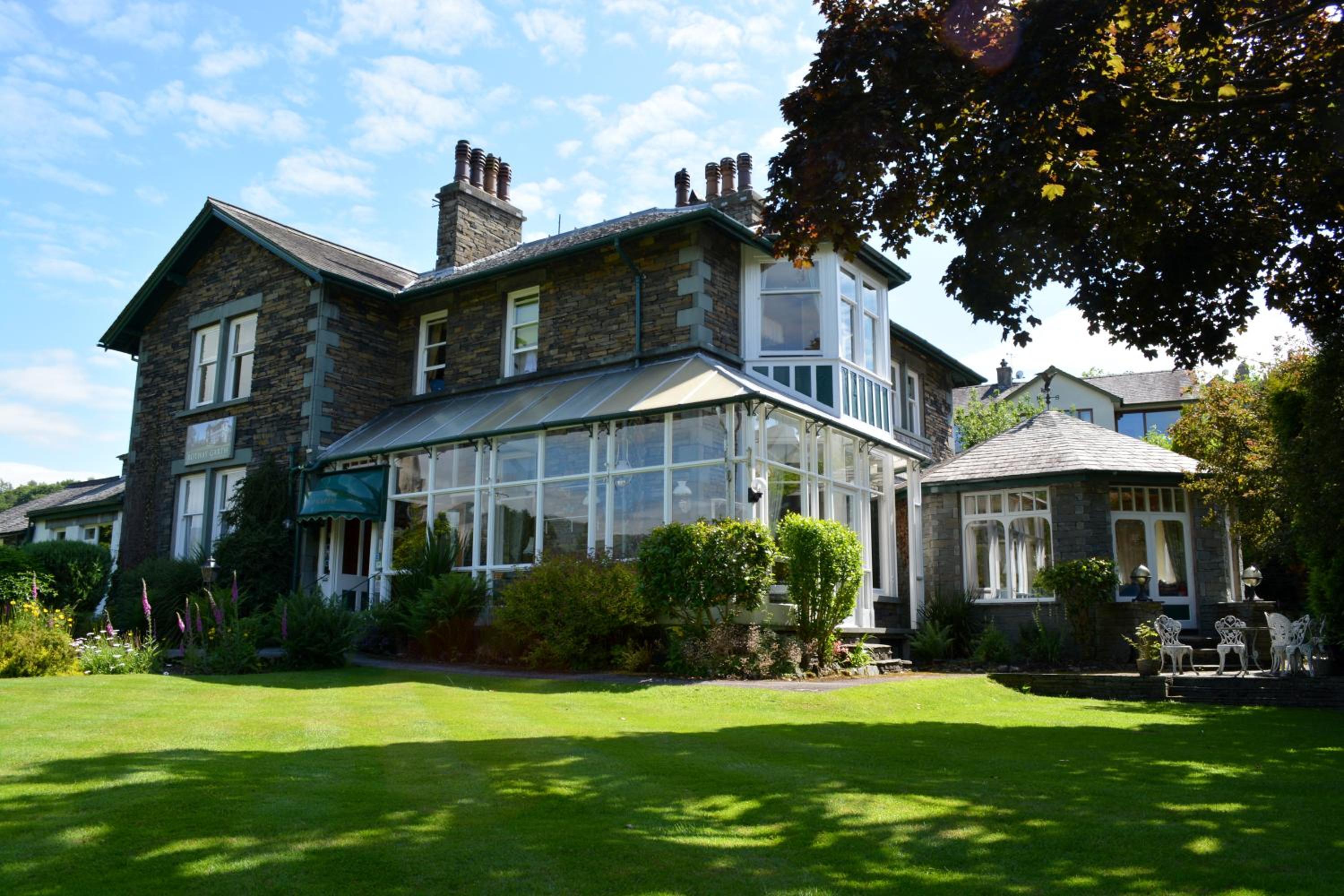
Book as soon as your place is confirmed, because rooms around Grasmere fill quickly on Fred weekend. There is no camping on the show field and no campsite in Grasmere itself, though there are plenty a short distance away, along with B&Bs and guest houses. Grasmere is closest to the start, with Langdale and Ambleside next, and Ambleside is where the route heads first. Rothay Garth in Ambleside is a 4-star hotel rated 9.0 out of 10 across 2,140 reviews. Rothay Garden by Harbour Hotels, also in Ambleside, has 4 stars and the same 9.0. Wherever you stay, the start runs from 6am, so an early breakfast and secure bike storage matter more than the view. The event ground has toilets but no showers, and Grasmere's cafes and restaurants are all within walking distance of the HQ.
Where else suits a longer weekend?
Windermere and Bowness-on-Windermere suit riders who want to turn the Fred into a few days by the lake, with an earlier drive on the morning of the ride. Storrs Hall Hotel in Windermere is a 4-star hotel with the highest guest rating of the hotels we list here, 9.4 out of 10. The Lamplighter Dining ~ Rooms, also in Windermere, rates 8.6 across 902 reviews. In Bowness-on-Windermere, Lindeth Howe rates 9.0 and The Belsfield Hotel 8.2, both with 4 stars. For a recce of Honister before the day, Glaramara Hotel in Keswick, 3 stars and 9.2 out of 10, puts you on the route before the climb. From any of these bases, leave extra time to reach Grasmere on the morning of the ride. Our page on cycling in the Lake District has the rest of the hotels we rate for riders.
Frequently asked questions
How long does the Fred Whitton Challenge take?
The fastest riders finish the 112 miles in just under six hours, and eleven hours or more is common for an average sportive rider. Start times run from 6am to 8am, with cut-offs at Braithwaite at 11:30 and Calder Bridge at 14:30, so a first-timer does best to start early.
Where are the feed stations on the Fred Whitton?
There are two feed stations: at Buttermere after 47.5 miles and at Calder Bridge after 80.6 miles. Both serve sandwiches, cakes, fruit and drinks, and every rider gets a meal after the ride. No support vehicles may follow riders, so carry what you need between the feeds.
Can you ride the Fred Whitton on a mountain bike?
Yes. Mountain bikes are allowed, ideally with slick tyres, and so are tandems, though the Fred is meant for normal road bikes. Small-wheel bikes, choppers, fat bikes, electric bikes, folding bikes and fixed-gear bikes are not allowed. Helmets are compulsory at all times and tri-bars are banned.
What happens if you cannot finish the Fred Whitton?
Staff are placed around the course and will do their best to help, but getting back to the Grasmere HQ is the rider's own responsibility. Carry a phone and a way to pay for a taxi or somewhere to wait. After an accident, call 999, and expect help to take time on rural roads.
The Fred rewards the rider who plans it like a race and rides it like a long day out with friends. Get in at the ballot, put the miles in by spring, fit low gears and sleep close to Grasmere. When the Fred is done and you want hard climbing somewhere new, our cycling holidays with theKlub take you to it. Book your room near Grasmere the day your place comes through.


